You know what to do, but when the moment hits, the easier choice wins. That’s why better self-control usually comes from simple systems, habits, and smart choices that make the right action easier to repeat.
When you stop treating self-control like a test of perfect willpower, things get clearer fast. Small changes, like setting up routines, reducing friction, and planning for triggers, can make daily decisions much easier to handle. If you want a practical place to start, these simple habits for self-discipline fit right into everyday life.
The steps below focus on real situations, not theory, so you can build steadier self-control without turning your routine into a chore.
What self-control really is, and why willpower alone is not enough
Self-control gets talked about like a test of toughness, but that misses the point. In real life, it is the ability to pause, choose, and follow through when something feels tempting right now.
That means self-control is not just about saying “no.” It also includes choosing the right next step, especially when you feel tired, stressed, distracted, or impatient. Because those moments happen every day, self-control works best when you support it with habits, planning, and a setup that makes good choices easier.
The difference between self-control, self-discipline, and motivation
These three terms get mixed up all the time, but they do different jobs.
Motivation is the spark. It gets you started. For example, you might feel motivated to study because you want a better grade, or to exercise because you want more energy.
Self-discipline is the habit of keeping going. It helps you stick with a goal even after the first burst of excitement fades. A student who sits down to do homework every night at the same time is using discipline.
Self-control is the in-the-moment skill. It helps you handle an urge right when it shows up, like putting your phone away during class or skipping a snack when you are not really hungry.
Motivation starts the car, self-discipline keeps it moving, and self-control keeps you from swerving when temptation shows up.
A simple way to remember it is this:
- Motivation helps you start.
- Self-discipline helps you keep going.
- Self-control helps you handle the moment.
When you know the difference, the problem gets clearer. If you cannot start, you may need more motivation. If you start but stop after a few days, you may need better discipline. If you keep giving in to temptations, you need better self-control in the moment.
For a deeper look at how self-control fits into healthier habits, see how to make new habits stick.

Why trying harder is usually the wrong plan
A lot of people think self-control means pushing harder every time they slip. That sounds tough, but it breaks down fast. Stress, fatigue, hunger, and endless decisions wear you out, so your brain has less room left for resisting temptation.
That is why pure grit fails so often. If you rely only on effort, every choice becomes a battle. After a while, even small temptations feel bigger than they should.
Modern research points in a different direction. The American Psychological Association describes willpower as the ability to resist short-term temptation for long-term goals, but that does not mean you should depend on it all day long. A better approach is to reduce the number of fights you have to win.
That can look simple:
- Put your phone in another room while you work.
- Keep junk food out of sight.
- Decide your workout time before the day gets busy.
- Use reminders so you do not have to remember everything yourself.
In other words, systems beat constant resisting. When your environment does more of the work, self-control stops feeling like a full-time job.
What research says about building self-control over time
Self-control is not fixed in stone. People get better at it by practicing it in real situations, especially when they use methods that make success easier to repeat.
That is why habits matter so much. A one-time burst of willpower can get you started, but habits and structure help you keep going when motivation drops. Repeated practice trains your brain to treat the better choice as the normal one, not the hard one.
This also explains why small wins matter. Each time you pause, choose well, and follow through, you make the next good choice a little easier. The goal is not perfection. The goal is building a pattern your day can support.
Research also lines up with common experience here. People usually do better when they plan ahead, set clear triggers for action, and remove easy distractions. A person who studies at the same desk every night will usually have an easier time than someone who waits until they “feel ready.”
That is the heart of self-control over time:
- Make the next good action obvious.
- Make the bad option harder to reach.
- Repeat the choice until it feels normal.
For readers who want another practical angle, methods to hold yourself accountable connect well with this approach. Self-control grows faster when your routine keeps you honest, even on low-energy days.
Self-control gets stronger when you stop treating it like a test of courage and start treating it like a skill. Once you do that, planning, habits, and environment design start doing the heavy lifting.
How to build better self-control with a stronger environment
Your environment affects your choices more than most people realize. If temptation is right in front of you, you spend energy resisting it all day. If the right option is easy to reach, self-control gets a lot simpler.
That idea shows up in habit research too. Small changes in context can shape what you do almost automatically, because habits are often tied to cues like place, timing, and access. In practice, that means you can save willpower by changing the space around you before the hard moment arrives.

Remove easy temptations before the day starts
The simplest way to protect your self-control is to make temptation less available. Put your phone in another room before you start work. Keep junk food out of sight, or better yet, out of the house if it keeps pulling you off track. Log out of distracting apps so opening them takes a little more effort.
That extra distance matters. If the temptation is not nearby, you do not have to fight it every five minutes. You are not relying on superhuman discipline, you are making the bad choice less convenient.
A few small changes can make a big difference:
- Put the phone on a shelf instead of your desk.
- Keep snacks in a closed cabinet, not on the counter.
- Remove saved payment info from shopping apps.
- Log out of social apps after each use.
- Silence notifications during focus time.
The American Psychological Association describes willpower as the ability to resist short-term temptation for long-term goals, but the easier move is to reduce how often you need that resistance in the first place.
Use friction to slow down bad habits
Friction works because bad habits often win when they are quick and effortless. Add even one or two extra steps, and the habit starts to lose steam. Delete shopping apps from your phone. Use a site blocker on your browser. Keep snacks on a high shelf or in the back of the pantry.
That extra delay gives your better judgment time to catch up. A pause can be enough to stop an impulse from becoming an action.
You do not need a complicated setup. The point is to make the unwanted habit a little annoying, not impossible.
| Bad habit | Add friction by |
|---|---|
| Mindless scrolling | Deleting apps or logging out |
| Late-night snacking | Storing snacks out of reach |
| Impulse shopping | Removing saved cards |
| Distracting websites | Using a site blocker |
Research on environmental orderliness also supports this idea, since the space around you affects how easily you stay in control. A more orderly setup can support better self-control, while a cluttered one makes distraction easier to stumble into. You can read more in this study on environmental orderliness and self-control.
Make good habits the easiest option
The other half of the equation is just as important. Once the bad option gets harder, make the good option easier to start. Lay out your workout clothes before bed. Keep a water bottle on your desk. Set up a clean workspace the night before so you can sit down and begin without a warm-up battle.
Small prep steps save a lot of self-control later. When everything is already in place, you do not have to negotiate with yourself first thing in the morning.
A few examples work well in daily life:
- Put your gym shoes by the door.
- Fill your water bottle before you go to sleep.
- Clear your desk before the workday begins.
- Place a book on your pillow if you want to read at night.
This also fits what habit research keeps showing, good behavior sticks better when it is easy to repeat in the same setting. The environment does part of the work for you. That is why setup matters so much before motivation fades.
If a good habit takes too many steps, your tired brain will skip it. If it is already ready, you only have to begin.
A stronger environment does not remove self-control. It supports it. When temptation is farther away and the better choice is right there in front of you, you spend less energy fighting yourself and more energy following through.
Build self-control by using plans, not just promises
Promises sound good in the moment, but plans hold up when your mood changes. That is the real difference. When you decide exactly what you will do ahead of time, you remove a lot of the back-and-forth that weakens self-control.
A strong plan turns a vague intention into a clear action. Instead of hoping you will “do better,” you already know the next move when stress, boredom, or temptation shows up. That kind of clarity makes follow-through much easier, especially on busy days.
Turn goals into if-then plans
Implementation intentions are simple if-then plans. You link a situation to a response before the situation happens. So instead of saying, “I’ll work out more,” you say, “If I feel like skipping my workout, then I will put on my shoes and walk for five minutes.”
That small shift matters. Your brain does less negotiating because the decision is already made. You are not waiting to feel ready, you are following a cue you chose in advance.
A few easy examples make the idea clear:
- Study: If I sit down after dinner, then I will open my notes and study for 20 minutes.
- Eating: If I want a snack after lunch, then I will drink water and wait 10 minutes first.
- Sleep: If it is 10 p.m., then I will plug in my phone and start my bedtime routine.
- Exercise: If I miss my full workout, then I will do a 10-minute walk or stretch session.
These plans work because they remove guesswork. If the hard moment comes, you do not need a brand-new decision. You already have one.
For readers who want a deeper look at habit support, strategies for staying consistent and focused fit well with this approach.
A good if-then plan should feel simple enough to use on your worst day, not just your best one.
Try WOOP to spot obstacles before they happen
WOOP gives your plan a reality check. The letters stand for Wish, Outcome, Obstacle, Plan. It helps you want something, picture the result, name the thing that usually gets in the way, and set a response before that obstacle shows up.
Here’s the basic version:
- Wish: Choose one goal you actually want.
- Outcome: Picture what success looks like.
- Obstacle: Name the main inner roadblock, like distraction, fatigue, or doubt.
- Plan: Create an if-then response for that obstacle.
For example, if your wish is to read more, your outcome might be feeling calmer and more focused. The obstacle could be grabbing your phone instead of your book. Your plan becomes, “If I reach for my phone before reading, then I will leave it in another room and open my book first.”
That kind of planning helps because you stop pretending the obstacle won’t happen. You expect it, name it, and answer it in advance. The hard moment loses some of its power when it no longer feels surprising.
Use small rules that save mental energy
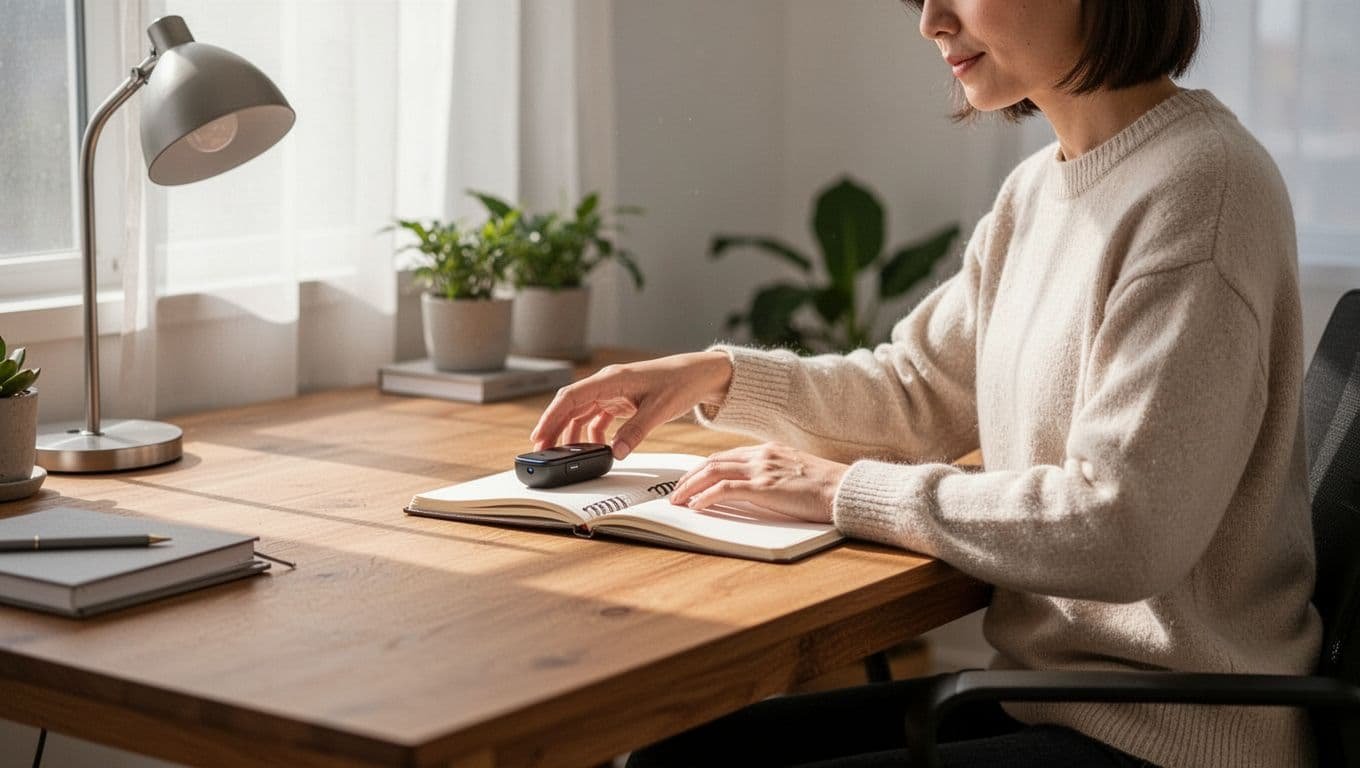
Small rules are useful because they cut down on decision fatigue. When you follow the same rule again and again, you spend less energy debating what to do next. That gives your self-control more room to work when life gets messy.
Simple rules can sound like this:
- No phone until after breakfast.
- Start work with 10 minutes of focus.
- Check email only at set times.
- Put dessert away before dinner starts.
- Pack gym clothes the night before.
These rules work best when they are clear and easy to remember. You should not need a long explanation every time you use them. The less mental effort they take, the more likely you are to follow them.
A rule also protects you on low-energy days. You do not have to decide whether to give in, because the rule already answers for you. That is why methods to hold yourself accountable pair so well with simple planning. The plan gives you direction, and the rule keeps you on track when motivation slips.
When self-control depends on memory, mood, or a burst of determination, it gets shaky. When it rests on a few clear plans, it becomes much steadier.
Train your brain for better self-control in daily life
Better self-control gets easier when your brain learns a few repeatable patterns. You are not trying to become a different person overnight. You are training attention, reducing automatic reactions, and giving your body the support it needs to stay steady.
The habits below work best when you treat them like practice. They help you focus, stay calm, and follow through, but they do not erase stress or temptation. They make good choices easier to repeat.
Practice short focus sessions instead of long, draining ones
Long work stretches sound efficient, but they often drain your attention fast. Short focus blocks, like the Pomodoro method or 20-minute work sessions, help you stay sharp without burning out. You work with your brain instead of pushing it until it shuts down.
This works because self-control gets tired. A clear timer creates a start and a stop, so the task feels manageable. If you want more ways to stay on track, habits to boost focus throughout the day fit well with this approach.
A simple pattern looks like this:
- Pick one task.
- Set a timer for 20 to 25 minutes.
- Work only on that task.
- Take a short break.
- Repeat if you still have energy.
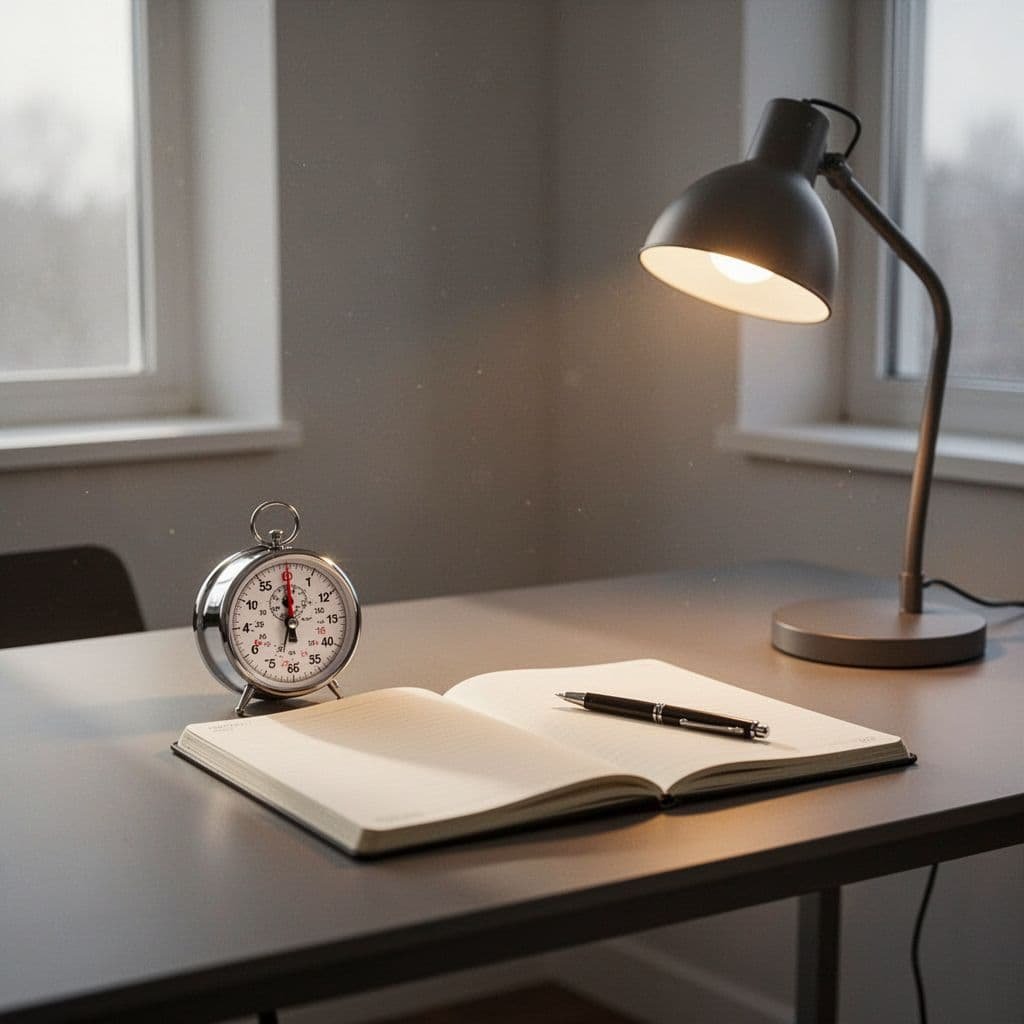
Short sessions also make it easier to begin. Starting feels lighter when you only need to focus for a small stretch, not a whole afternoon. That small win trains follow-through one block at a time.
Use mindfulness to notice urges without obeying them
Mindfulness helps when you use it as awareness, not as a way to ignore what you feel. You notice the craving, the urge to check your phone, or the spike of stress, then you pause long enough to choose your response. That gap, even if it lasts only a few seconds, gives self-control a place to work.
The goal is simple: notice what is happening before you react automatically. A craving is just a signal. It does not have to become an action.
A quick reset can help:
- Take one slow breath.
- Name what you feel, like boredom, tension, or hunger.
- Wait before you act.
- Choose the next step on purpose.
For a useful model, the STOP technique for pausing before you react is a clean, practical place to start. It is not about forcing calm. It is about creating enough space to respond with intent instead of reflex.
Protect sleep, food, and energy so self-control has a chance
Self-control gets much harder when you are tired, hungry, or stressed. Sleep loss weakens judgment, skipped meals make cravings louder, and low energy makes every small decision feel heavier than it should. That is why basic health habits matter so much.
The National Sleep Foundation connects sleep with better self-control, and that matches real life. After a bad night, you are more likely to snap, snack, scroll, or give up early. A solid meal and a short walk can help too, because both support steadier energy and mood.
Keep the basics simple:
- Get enough sleep on a regular schedule.
- Eat steady meals instead of running on empty.
- Move your body most days, even if it is just a walk.
- Drink water before you assume you need a snack.
- Lower stress where you can, especially before hard tasks.
When your body is running low, your self-control will feel weak, even if your goals are strong.
These habits are training tools. They do not magically remove temptation, but they give your brain a better chance to do its job.
Keep self-control strong when life gets hard
Hard days test self-control in ways easy days never do. Stress makes you reach for comfort, boredom makes habits feel louder, and late nights weaken the part of you that wants to stay on track. The goal is not to stay perfect under pressure. The goal is to recover quickly, use support when you need it, and keep the bigger pattern moving forward.
Expect slips, then recover fast
A single slip does not erase your progress. You missed a workout, ate the snack, or stayed up too late. That moment matters far less than what you do next.
The fastest recovery starts with a clean reset. Say what happened, notice what triggered it, then return to the next planned action without turning the mistake into a story about failure. If one rough night leads to “I ruined everything,” the real problem is the all-or-nothing mindset, not the slip itself. Research on this kind of thinking shows how easily one small miss can feel like total failure, even when the bigger pattern is still strong.
A better response sounds more like this:
- Name the slip without drama.
- Find the trigger, like stress, boredom, or pressure.
- Restart with the next best choice.
- Adjust one thing so it is easier next time.
If you missed your evening routine, restart with one small piece, not the whole thing. Brush your teeth, put your phone away, or prep tomorrow’s clothes. That keeps the chain alive.
One mistake is data, not a verdict.
This matters because recovery builds trust. Each quick reset teaches you that progress can survive a bad moment. Over time, that makes self-control feel sturdier.
Use accountability and support when you need backup
Self-control gets easier when someone else knows what you’re trying to do. Tell a friend, coach, or family member about your goal, then make the next check-in clear. A simple message like, “I’m trying to avoid late-night scrolling this week,” adds a layer of pressure that can help you pause before giving in.
Support works best when it is specific. Vague encouragement is nice, but structure helps more. You might text someone every Sunday, share a weekly update, or ask them to check whether you followed through on a few key habits.
A commitment system can do the same job. Write down your goal, set a deadline, and make the cost of backing out a little real. That extra friction often helps when motivation drops and excuses start piling up.
A few practical options:
- Tell one person your goal and your deadline.
- Send a short progress update each week.
- Ask someone to remind you of your plan before hard moments.
- Put a small stake on the line if you want extra pressure.
Support matters most on the days when you feel isolated. Stress can make old habits look comforting, and social pressure can make it harder to stick with your plan. Having backup gives you a second voice when your own gets shaky.
Track wins so progress feels real
When life gets hard, it is easy to miss your own progress. You remember the slip, not the six things you handled well. That is why tracking wins matters. It turns vague effort into visible proof.
Simple tools work best. Use a checklist, a habit tracker, or a short end-of-day review. You do not need a complex app or a long journal entry. You just need a way to see that you showed up more often than you think.
A quick review can look like this:
- What went well today?
- What got in the way?
- What did I do right after the setback?
That last question matters most. If you bounced back faster than last week, that is progress. If you kept your routine alive in a smaller form, that counts too.

Tracking wins also helps your self-belief. Once you can see evidence of follow-through, it gets harder to believe the story that you’re “always starting over.” Progress starts to feel real, and that makes the next good choice easier to make.
If you want a simple rule for tough seasons, use this one: reset fast, get support when needed, and keep track of the wins that prove you’re still moving forward.
Conclusion
Better self-control comes from systems, planning, and repeated practice, not from trying to be perfect every day. When you make good choices easier, and bad choices harder, you spend less energy fighting yourself and more energy following through.
That is the main thread running through the whole article, start small, remove friction, use clear rules, and recover quickly when you slip. Those habits build steady self-control because they work in real life, not just when you feel motivated.
Choose one habit today and make it easier to keep. Then build from there, one small win at a time.
Save the pin for later

- 60 Color Tattoos That Healed Beautifully - 25/09/2026
- 40 Most Painful Tattoo Spots - 24/09/2026
- 20 Tattoo Aftercare Mistakes That Ruin Fresh Ink - 23/09/2026

