Lower back pain can turn a normal day into a constant series of careful moves, from getting out of bed to tying your shoes. It’s common, and it often starts with muscle strain, poor posture, tight hips, weak core muscles, or too much sitting.
The good news is that many cases improve with simple at-home care, especially when you give your back the right kind of rest and movement. If you’ve been looking for safe, practical ways to feel better, this guide will help you ease pain at home and spot the signs that mean it’s time to get medical help.
Start with the safest ways to calm pain fast at home
When your lower back starts aching, the first goal is simple: take pressure off the area and keep the pain from spreading. Small, careful steps work better than rushing into heavy stretches or long periods of rest. The safest early moves are the ones that calm sore muscles, reduce strain, and help your body settle down.
Use ice or heat at the right time
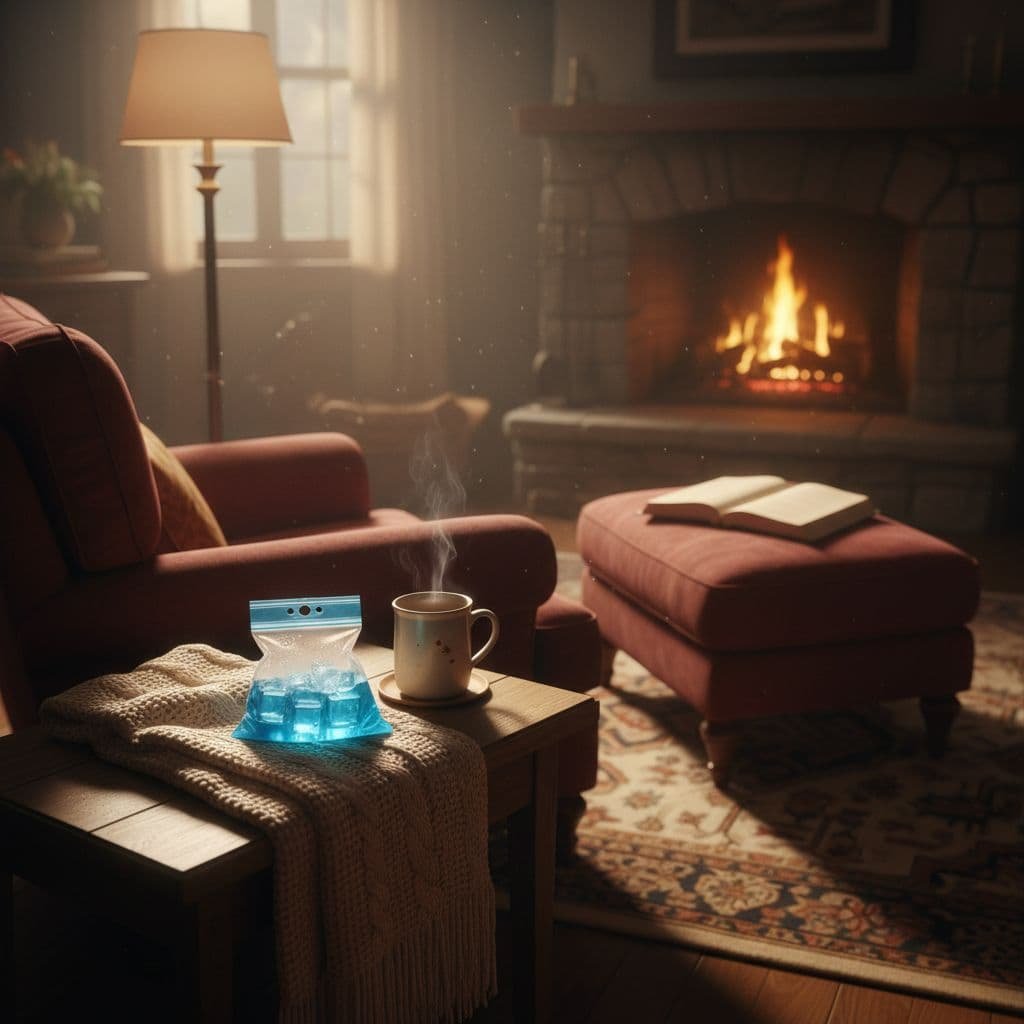
Ice is usually best right after a flare-up, especially in the first 24 to 48 hours after a strain or sudden twinge. It can help cool inflammation and numb sharp pain. Heat works better when your back feels tight, stiff, or knotty, because it helps muscles relax and loosens that stuck, cramped feeling.
Use either one for about 20 minutes at a time. Always place a cloth between the pack and your skin, so you protect yourself from burns or ice injury. A simple rule helps here, new pain often likes ice, while stiff muscles usually respond better to heat. The NHS back pain guidance gives the same basic advice.
If the area looks swollen or feels freshly injured, start with ice. If it feels tight and rigid, reach for heat.
Keep moving gently instead of staying in bed too long
A short walk across the room or down the hall can do more good than lying still for hours. Gentle movement helps blood flow, keeps the joints from locking up, and often eases that heavy, creaky feeling in the lower back. Even changing positions every so often can stop stiffness from settling in like dust on a shelf.
Complete bed rest can slow recovery if you stay there too long. Try to stand, stretch lightly, and move in small doses throughout the day. You do not need a workout. You just need enough movement to remind your back that it still works.
Stop if a movement sharply increases pain, sends pain down your leg, or makes you feel worse fast. For more ideas on safe movement, see these easy lower back stretches and exercises.
Try simple pain relief only when it fits your health needs
Over-the-counter pain relievers like ibuprofen or acetaminophen may help take the edge off lower back pain. They can make it easier to move, rest, and get through the day without tensing up even more.
Still, the safest choice depends on your health. Follow the label directions, and check with a doctor or pharmacist if you take other medicines, have stomach, kidney, liver, or heart issues, or are unsure what is safe for you. A quick question at the pharmacy can save you from a bad reaction later.
Pain relief should support recovery, not mask a problem that needs more care. If your pain keeps growing or feels unusual, it deserves a closer look.
Stretch tight muscles without overdoing it
Gentle stretching can help a sore lower back feel less boxed in. The goal is simple, loosen tight muscles, open stiff hips, and give your back room to move without setting off more pain.
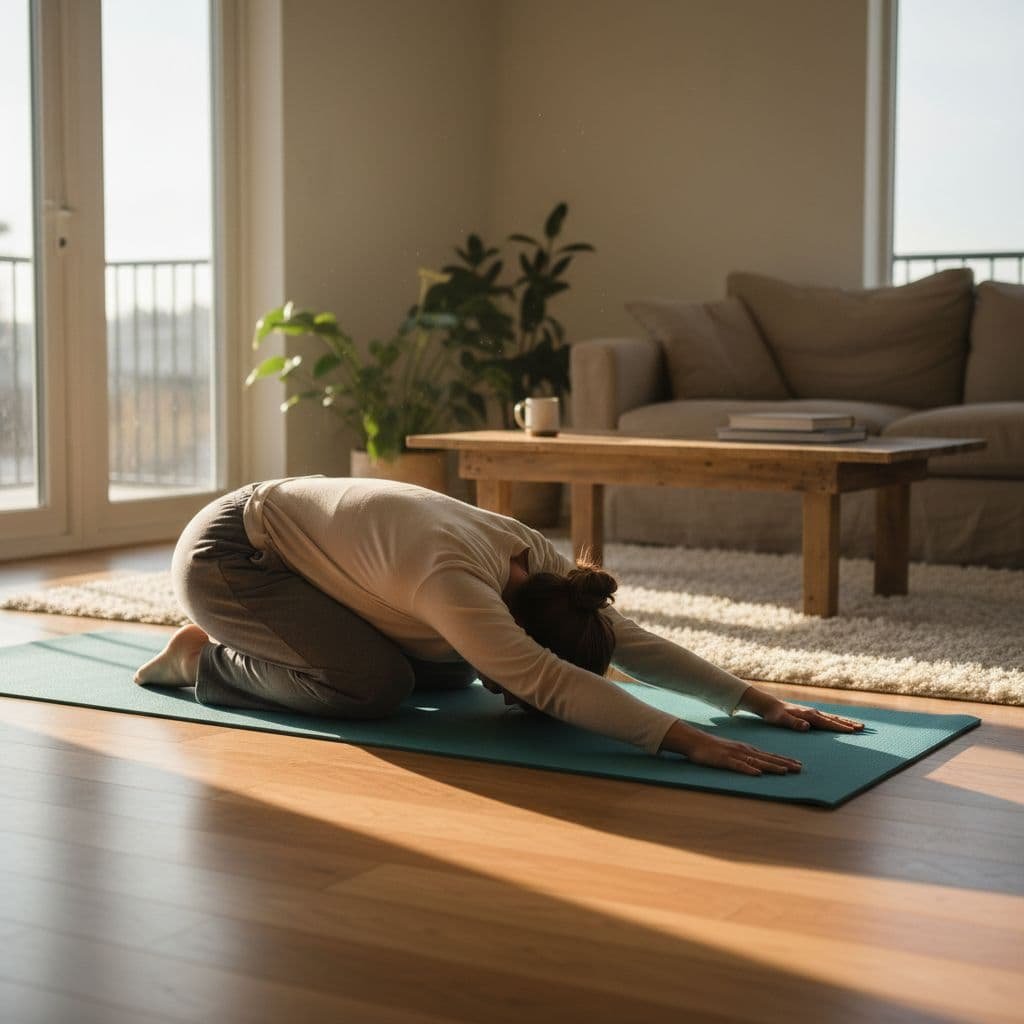
The best stretches for lower back pain are the ones your body can accept without a fight. If a stretch feels sharp or forced, it has gone too far.
Use stretches that are gentle and familiar
Start with moves that feel calm and easy. Child’s pose helps relax the lower back and hips. Cat-cow loosens the spine with slow rounding and arching. Knee-to-chest can soften tight muscles in the low back, while cobra pose gives the front of the body a mild opening and helps undo long periods of bending forward.
Hamstring stretches matter too, because tight hamstrings can pull on the pelvis and make the lower back work harder. A mild stretch behind the thigh can ease that tug without forcing the back itself. If you want more examples of safe movements, Cleveland Clinic’s lower back stretches offer a helpful starting point.
A stretch should feel like gentle tension, not a test you need to pass.
Stretch slowly and breathe through the movement
Move at a slow, steady pace and let your breath stay relaxed. Breathe in as you get ready, then breathe out as you ease into the stretch. That rhythm helps your muscles soften instead of bracing.
Hold each stretch only as long as it feels comfortable. For a beginner, a few breaths is enough. Bouncing, jerking, or pushing deep into a stretch can make soreness worse and leave you feeling tighter than before.
A simple rule works well here, stop while the stretch still feels manageable. If you wait until you are straining, your body usually pushes back.
Know when stretching is the wrong move
Stretching is not always the answer. If your pain is sharp, severe, or travels down the leg, pause and get checked. Numbness, weakness, or shooting pain can point to a problem that needs more than home stretching.
Pay attention to how your back reacts. A good stretch eases tension and leaves you feeling a little more open. A bad one makes pain louder, sharper, or more spread out.
If that happens, stop right away. The NHS also advises stopping exercises if pain gets worse, which is a smart rule for any back stretch.
Fix the everyday habits that keep your back irritated
Small habits can keep lower back pain hanging around long after the first twinge fades. The good news is that a few daily adjustments can take pressure off the spine and give sore muscles a chance to calm down. Think of it less like a big overhaul and more like removing tiny pebbles from your shoe.
Sit and stand in ways that support your spine
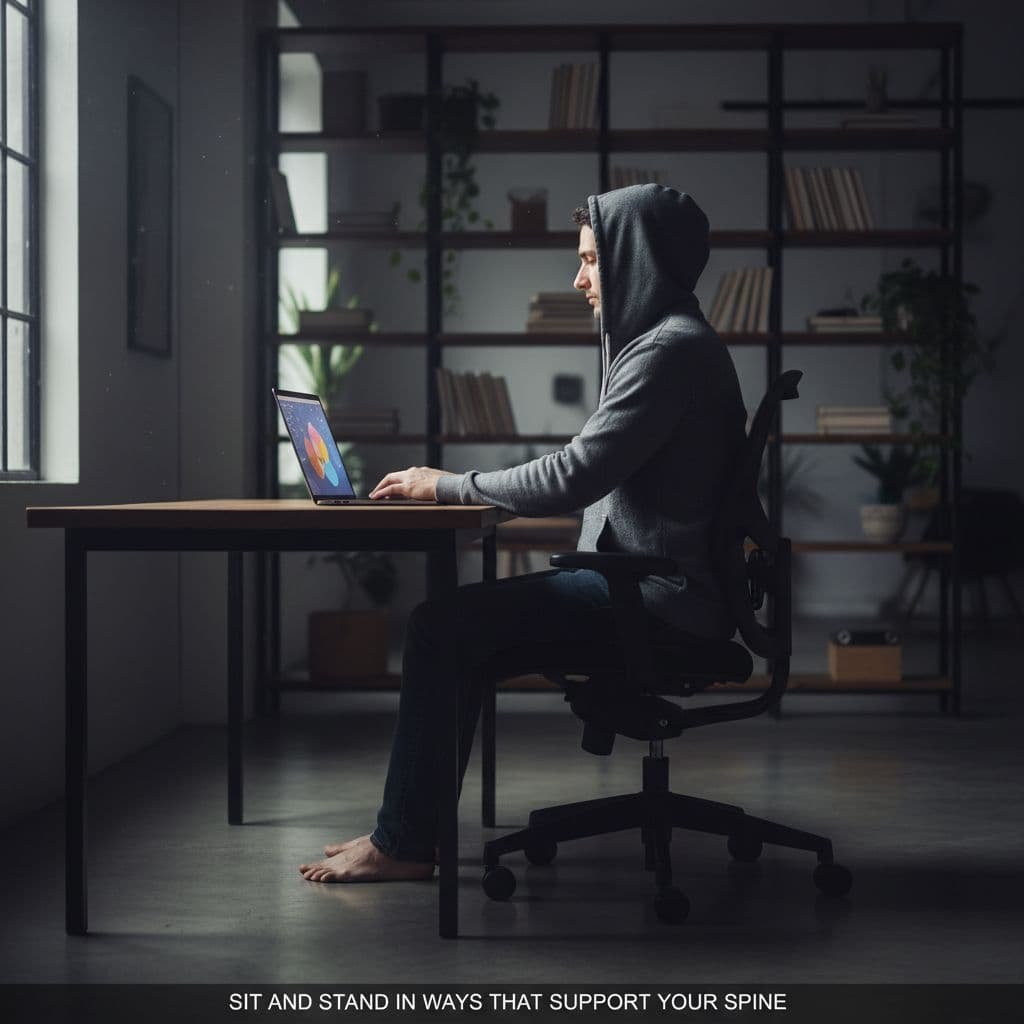
When you sit, keep both feet on the floor and let your lower back rest against the chair. If the chair feels too flat, a small cushion or rolled towel behind your lower back can help you stay supported instead of sliding into a slump.
At school, work, or home, try to keep your ribs stacked over your hips. Avoid leaning forward for long stretches, even when you are focused on a laptop or a phone. A little posture check every so often can keep your back from feeling like it has been folded in half all day.
Standing matters too. Keep your weight even on both feet, with your knees relaxed and your stomach not pushed forward. If you stand for long periods, shift your stance now and then so one side does not carry all the strain.
Harvard Health also points out that sitting up straighter and using lumbar support can help protect the lower back during daily tasks.
Good posture does not mean stiff posture. It means balanced support that lets your back relax.
Lift objects the safe way

Groceries, laundry baskets, and moving boxes can all irritate a sore back if you rush the lift. Bend your knees, keep your back straight, and bring the object close to your body before you stand up.
The real risk usually comes from twisting while carrying weight. Turn your whole body instead of turning at the waist, especially when you set something down in the car or move a bag across the room. MedlinePlus gives the same basic advice, keep the load close, bend at the knees, and avoid twisting.
A simple lifting habit can save you a lot of trouble:
- Stand close to the object.
- Bend your knees, not your waist.
- Hold the load near your chest.
- Turn with your feet, not your spine.
That pattern works for a laundry basket just as well as it does for a heavy box. It also keeps your back from taking the hit alone.
Choose sleep positions that take pressure off the lower back
Sleep should give your back a break, not a new round of pain. Side sleeping with a pillow between your knees helps keep your hips, pelvis, and spine in a more natural line. Back sleeping can also feel easier when you place a pillow under your knees, because it softens the pull on the lower back.
These positions work because they reduce strain while your muscles rest. If you curl too tightly or lie in a twisted shape, your back may stay tense through the night and wake up stiff in the morning.
A few bedtime adjustments can help:
- Side sleeping: Keep a pillow between your knees so your top leg does not tug your spine.
- Back sleeping: Place a pillow under your knees to ease pressure on the lower back.
- Mattress check: Use a bed that supports you evenly, not one that leaves your hips sinking.
For a fuller bedtime routine that supports rest, see these productive night routines for better sleep. If your back pain keeps making sleep hard, good sleep habits matter just as much as the pillow you choose.
Watch how extra weight and long sitting affect the pain
Lower back pain often gets louder when the body carries extra weight, because the spine and discs work under more pressure. That does not mean you need a perfect body. It means small changes can lighten the load over time.
Long sitting can make the problem worse. Your hip muscles tighten, your lower back stiffens, and slouching starts to feel normal. As a result, the same chair that felt fine in the morning can feel like a trap by afternoon.
Simple changes help more than guilt does. Stand up every 30 to 60 minutes, walk a little, and reset your posture when you return. If weight is part of the picture, steady daily habits, not drastic fixes, are the best place to start. For a broader look at rest and recovery, these signs your body needs more rest can also help you spot when your back is asking for a break.
Build a stronger back so the pain comes back less often
Short-term relief helps, but a stronger support system around your spine helps even more. Your lower back works harder when the muscles around it are weak, stiff, or easy to tire. When the core, hips, and legs share the load, daily movement feels smoother and your back takes less of a beating.
That does not mean you need hard workouts or long gym sessions. Gentle, steady practice is enough to start. A few simple moves done often can build the kind of support that keeps nagging pain from showing up again and again.
Strengthen your core with easy movements
Your core is more than your stomach. It includes the muscles in your belly, sides, lower back, and even the deep muscles that help steady your spine. When those muscles are active, your back does not have to do every job alone.
Start small with beginner-friendly moves like pelvic tilts, bridges, or bird dog. These exercises are calm, controlled, and easy to adjust. If you want a simple place to begin, the Mayo Clinic core exercise guide explains why core strength matters for everyday support.
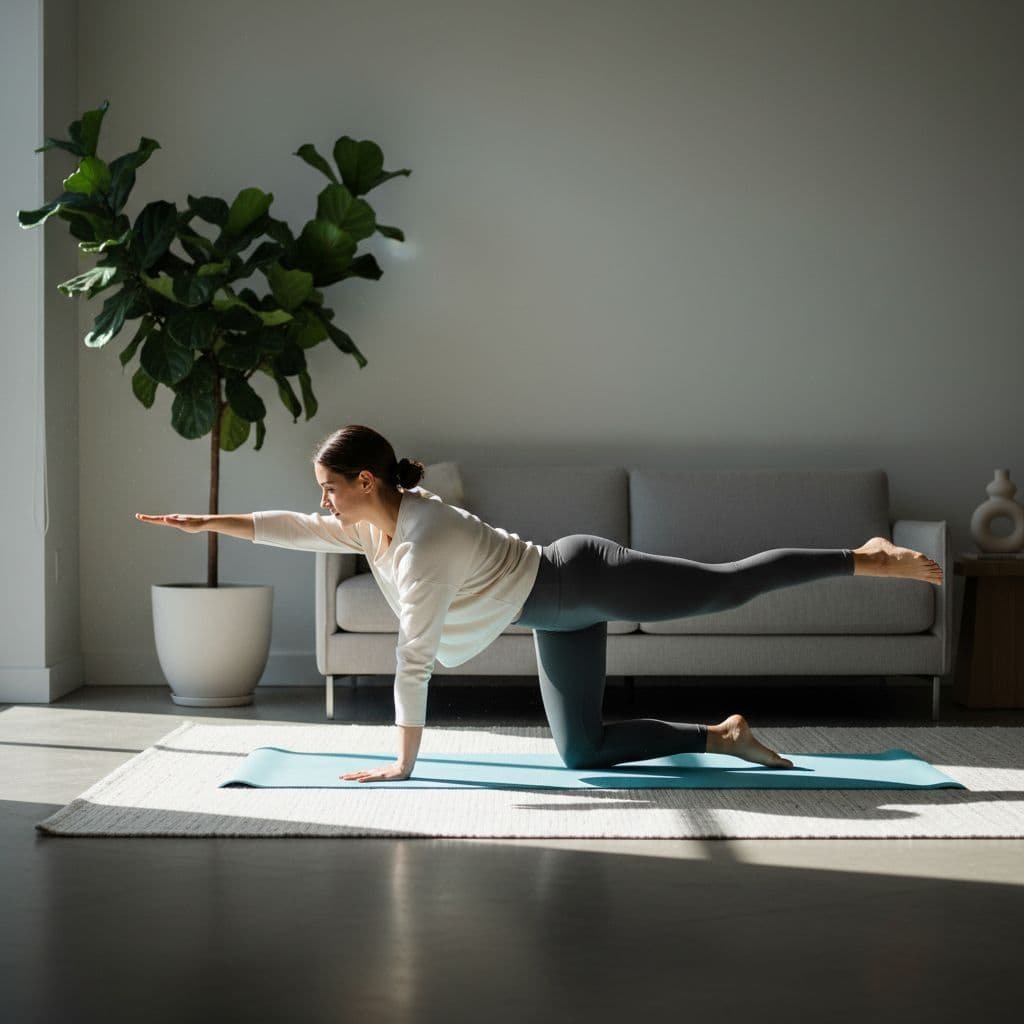
A few easy choices work well:
- Pelvic tilts help you gently wake up the deep belly muscles.
- Bridges build support through the glutes and lower back.
- Bird dog teaches balance and keeps the spine steady.
Keep the effort light at first. One small set, done with control, helps more than a rushed routine. Over time, steady practice builds a back that feels more supported during daily tasks like bending, lifting, and standing.
Loosen tight hips and hamstrings
Tight hips and hamstrings can pull on the lower back like a rope tugging on a fence post. When those muscles stay stiff, the spine often pays the price. That extra strain can make pain return faster, especially after sitting for long periods.
Gentle stretches and easy movement help those areas soften. Try slow hip flexor stretches, seated hamstring stretches, or simple knee-to-chest holds. The goal is comfort, not force. If your body relaxes a little more after each stretch, you are on the right track.
A little looseness in the hips can take surprising pressure off the lower back.
Make movement a small daily habit
You do not need one perfect workout. You need regular movement that keeps your back from stiffening up again. Short walks, light stretching, and easy mobility work most days can do more than a hard session once in a while.
That consistency matters because the body responds to repetition. A 10-minute walk after lunch, a few bridges before bed, or a brief stretch break during the day all add up. If you want a simple structure to follow, these effective workout routines for core strength can help you build a habit without overdoing it.
The best plan is the one you can keep. Start gently, stay steady, and let progress build in small steps.
Know the warning signs that need medical care
Most lower back pain improves with rest, movement, and time. Still, some symptoms point to something more serious, and those signs should not wait. If your pain starts to act more like a warning flare than a simple strain, get it checked.
Pay attention if pain spreads or causes numbness
Pain that shoots down one or both legs can mean a nerve is involved. Numbness, tingling, burning, or weakness in the legs or feet can point the same way. These symptoms can make walking harder, and they usually deserve a medical check.
A sore muscle often stays local. Nerve pain tends to travel, like a wire under pressure. If the pain is getting worse, feels electric, or keeps changing your stride, don’t brush it off.
Pain that spreads below the knee, or comes with numbness, should get more attention than a simple ache.
Watch for:
- Pain that runs from the back into the leg
- Numbness or tingling in the foot or calf
- Weakness when standing, climbing stairs, or walking
- Pain that keeps increasing instead of settling down
Get help right away after a fall, injury, or loss of bladder control
Sudden back pain after a fall, car crash, heavy lift, or other injury needs urgent care, especially if the pain is severe. The same is true if you feel major weakness in one or both legs. Those changes can point to a spine injury that needs fast attention.
Loss of bladder or bowel control is an emergency warning sign. Trouble starting to urinate, leaking urine, or numbness in the groin or inner thighs also needs immediate medical care.
Seek help right away if you have:
- New bladder or bowel control problems
- Severe weakness in the legs
- Numbness around the groin or buttocks
- Back pain after a hard fall or blow
The Mayo Clinic back pain guide lists these symptoms as reasons to see a doctor sooner rather than later.
See a doctor if the pain does not improve
Lower back pain that lasts for weeks, keeps coming back, or cuts into sleep, work, or daily life should not stay on your home-treatment list forever. Pain that lingers can hide an issue that needs a different kind of treatment, such as a pinched nerve, disc problem, or inflammation that won’t settle on its own.
A doctor can help figure out what is driving the pain and what to do next. That may mean more focused exercises, imaging, medication, or a referral if needed. The NIAMS back pain overview also notes that back pain with leg weakness, numbness, or trouble urinating needs medical attention.
If your back pain keeps returning or starts interfering with normal life, that’s your cue to stop guessing. Get it checked before it grows into a bigger problem.
Conclusion
Lower back pain often settles when you give it the right mix of gentle movement, smart stretches, better posture, and steady home care. The biggest win is consistency, because small habits done each day usually help more than one big fix.
If sleep keeps making the pain feel worse, a calmer bedtime routine can help your body relax and recover. Better rest can make it easier to move well the next day, and these tips for falling asleep faster can support that shift.
Stay patient with your body, keep listening to what it tells you, and take the next small step with care. For more helpful ideas, follow us on Pinterest to stay updated and find more helpful ideas.
This post may contain affiliate links. If you make a purchase through these links, I may earn a small commission at no extra cost to you.

- 60 Color Tattoos That Healed Beautifully - 25/09/2026
- 40 Most Painful Tattoo Spots - 24/09/2026
- 20 Tattoo Aftercare Mistakes That Ruin Fresh Ink - 23/09/2026

