A cold glass of homemade lemonade can taste like summer in a way store-bought drinks rarely do. The flavor is brighter, cleaner, and easy to adjust, so you can make it tart, sweet, or somewhere in between.
With just fresh lemons, water, and sugar, you can turn a few simple ingredients into something that feels special. Because you control the sweetness, it’s easier to skip the syrupy taste that often comes with bottled lemonade, and that also fits well with healthier daily drinking habits.
This recipe keeps things simple and doesn’t ask much from you. Next, you’ll see how to mix a fresh batch that tastes balanced, refreshing, and easy to make anytime.
What you need for a fresh, balanced lemonade
Fresh lemonade only needs a few ingredients, but each one matters. When the fruit is bright, the sugar is measured well, and the water is cold and clean, the drink tastes crisp instead of muddy or flat. Add ice at the end, and you get that clean, chilled finish that makes a glass feel complete.
Choose lemons that feel heavy and juicy
The best lemons are usually the ones that feel heavier than they look. That extra weight usually means more juice inside, and smooth, bright skin often points to fruit that is fresh and ready to squeeze.
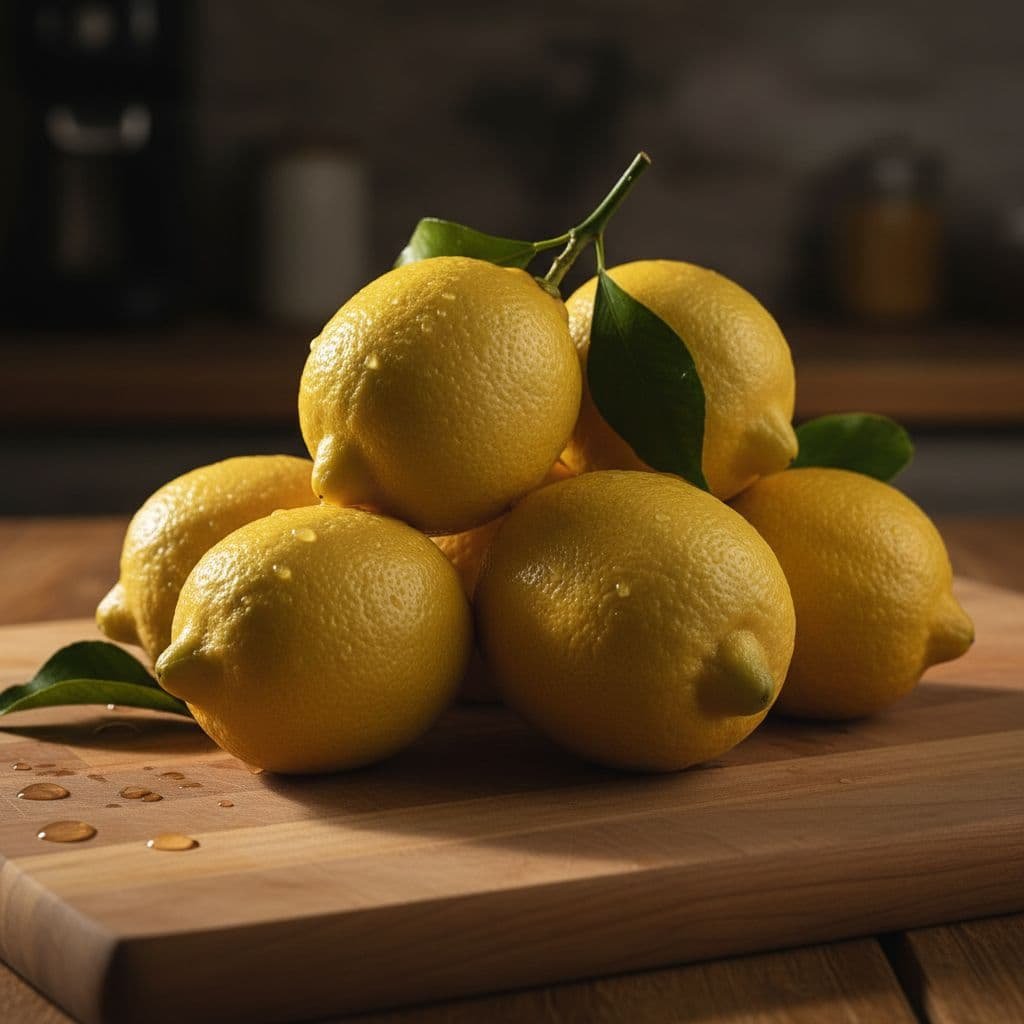
Before you cut them, let the lemons sit at room temperature for a bit. Warm fruit gives up more juice than cold fruit, and rolling each lemon firmly on the counter helps break down the inside a little more. Avoid lemons that feel dry, wrinkled, or overly soft, because they usually give less juice and less flavor.
For a quick reference on spotting good fruit, America’s Test Kitchen’s lemon guide explains why weight and texture matter so much.
Why simple syrup makes the drink smoother
Sugar can leave a gritty taste if it doesn’t dissolve well. Simple syrup fixes that by blending sugar with warm water first, so the sweetness spreads evenly through the lemonade.
This matters even more when you’re making a pitcher. Instead of chasing sugar crystals around the bottom of the jug, you get a smooth drink from the first sip to the last. It also makes later tweaks easier, since you can add a little more syrup if the lemonade tastes too sharp.
The best water-to-lemon ratio for a classic taste
Balance is the heart of good lemonade. Too much lemon makes it sharp and puckery, while too much water leaves it dull and thin. A solid starting point is about 1 to 1 1/2 cups lemon juice, 1 to 1 1/2 cups sugar, and about 6 cups water.
That ratio gives you a classic taste that still leaves room for adjustment. If you want more bite, add a little more lemon juice. If you want a softer sip, add water slowly and taste as you go.
A few small extras can help too. Ice keeps the drink bright and refreshing, while a little mint, berries, or citrus zest can add a fresh edge without changing the base recipe too much.
How to make homemade lemonade step by step
Making homemade lemonade is simple once you follow the right order. Start with the syrup, move on to the lemons, then mix and adjust until the flavor feels bright and balanced. A little care at each step keeps the drink smooth instead of sharp, cloudy, or grainy.
Make the simple syrup first
Pour the sugar and water into a small saucepan and warm them over low to medium heat. Stir just enough to help the sugar dissolve, then take the pan off the heat as soon as the liquid looks clear.
Let the syrup cool before you add it to the pitcher. This step matters because warm syrup can dull the fresh lemon flavor, and cooling it first helps the sweetness spread evenly through the drink. It also keeps the lemonade from tasting gritty, which can happen when sugar has not fully dissolved.
Simple syrup gives homemade lemonade a smoother finish, because the sugar blends into the water before it meets the lemon juice.
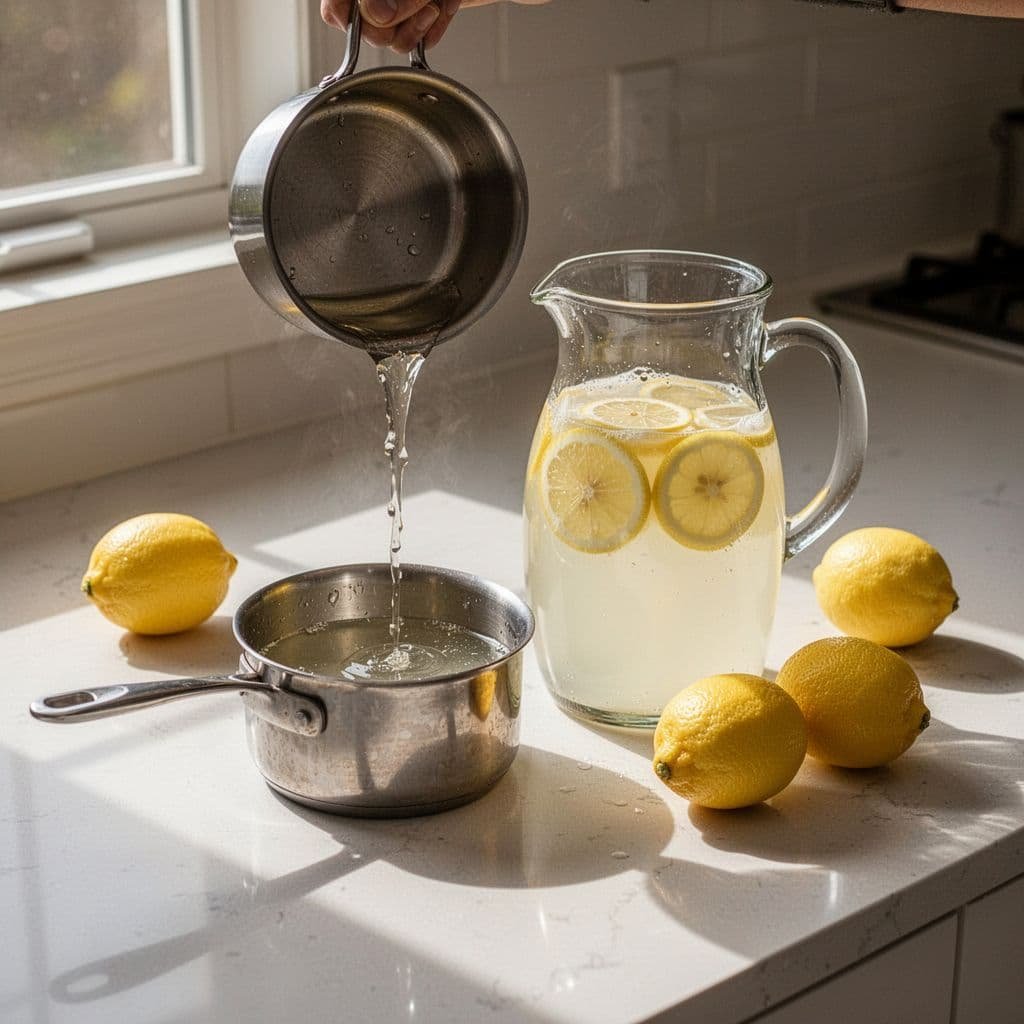
If you want to compare methods, this classic lemonade recipe with simple syrup shows the same basic idea in a clear way.
Juice, strain, and measure the lemons
Roll each lemon on the counter with your palm before cutting it. That small motion loosens the juice inside, so the fruit gives up more with less effort. Then cut the lemons in half across the middle and squeeze them with your hands or a citrus juicer.
For a smoother drink, strain the juice through a fine mesh strainer to catch seeds and extra pulp. That step is especially useful if you want a clean, clear lemonade that feels crisp in the glass.
Measure the juice before you mix it. Fresh lemons vary a lot, so measuring keeps the flavor steady every time. If you want more ideas for using fresh citrus in drinks, these lemon-based juicing recipes can give you a few useful starting points.
Stir everything together in the pitcher
Add the lemon juice to a large pitcher first. Next, pour in the cooled simple syrup, then add the cold water. This order helps the ingredients blend faster and more evenly.
Stir well from the bottom of the pitcher to the top. You want the lemon, sugar, and water to taste like one drink, not separate layers. A few extra stirs make a real difference, especially if you’re making a larger batch.
Taste it before you stop mixing. If it feels too sharp, add a little more water. If it feels flat, a small splash of lemon juice can wake it up. If it tastes thin, a bit more syrup will round it out.
Taste, adjust, and chill before serving
Lemonade usually needs one last check before it reaches the table. If it’s too sour, add syrup in small amounts. If it’s too sweet, add more lemon juice or a splash of water. If it tastes weak, the fix is usually a little more lemon rather than more sugar.
Make the changes slowly and taste after each one. That keeps you from overcorrecting and turning a bright drink into something dull or syrupy. A final stir after each adjustment helps the flavor settle into balance.
For the best finish, chill the pitcher in the fridge before serving. If you’re short on time, pour it over plenty of ice. Cold lemonade tastes cleaner, sharper, and more refreshing, which is exactly what you want in a homemade batch.
Easy ways to make your lemonade taste better
A good pitcher of lemonade starts with a balanced base, then gets better with a few smart touches. Small changes can make the flavor brighter, smoother, and more memorable without turning it into something fancy or hard to make.
Add fruit and herbs for a fresh twist
Fresh fruit gives lemonade a softer, fuller taste. Mint adds a cool finish, while strawberries, raspberries, blueberries, and peaches bring a light sweetness that sits neatly beside the lemon.
A little orange juice also works well when you want rounder citrus flavor. It takes the sharp edge off the lemon and adds a sunny note without hiding the clean lemonade taste. For a simple variation, try a handful of muddled berries, a few torn mint leaves, or a splash of orange juice in one glass first, then adjust the next batch if you like it.

If you want a few more flavor ideas, these homemade lemonade variations show how fruit and herbs can change the drink without making it heavy.
Use ice, lemon slices, and chilled glasses for a better finish
Presentation changes how lemonade feels on the first sip. Cold glasses make the drink taste crisper, clear ice keeps it looking fresh, and thin lemon slices add a bright, finished look.
Serve it soon after mixing so the ice does not water it down too much. That matters more than people think. A pitcher left sitting with too much ice can lose its lively edge, and the flavor starts to feel thin.
For a brighter table look, chill the glasses in the fridge for a few minutes before pouring. Then add a slice of lemon to the rim or float one in the glass. The drink will feel cleaner, colder, and more inviting.
How to fix lemonade that tastes off
If your lemonade tastes too tart, add water first, then a little simple syrup or sugar. If it feels too sweet, add more lemon juice a spoonful at a time. Both fixes work best when you taste after each small change.
When the drink tastes bland, it usually needs more lemon, not more sugar. A small squeeze can wake up the whole pitcher. If the lemonade looks cloudy, strain the juice well next time and stir the syrup in fully before chilling.
A little patience helps here. Start small, taste often, and stop when the flavor feels bright but smooth. That same habit makes every batch easier, and it leaves more room for simple touches you enjoy. For more everyday food ideas and drink inspiration, follow us on Pinterest.
Make it ahead, store it well, and serve it your way
Homemade lemonade is easy to prep ahead, which makes it a smart choice for busy days. Mix a batch in the morning, chill it well, and it’s ready when you want something cold and bright in the afternoon.

How long homemade lemonade keeps in the fridge
Store lemonade in a sealed pitcher or jar and keep it chilled right away. A tight lid helps protect the flavor and keeps the drink from picking up fridge smells.
For the best taste, drink it within a few days. Fresh lemonade usually tastes brightest in the first 2 to 3 days, and it can stay in the fridge for about 3 to 5 days if it’s stored well. If it starts to smell off, look cloudy, or taste flat, it’s time to pour it out. For more shelf-life guidance, see fresh lemonade storage tips.
Add mint, lemon slices, or berries right before serving. That keeps the garnish fresh and stops it from turning limp in the pitcher.
If you want a lighter drink that fits into a healthy drink routine, keep the lemonade cold and avoid letting it sit out too long.
Ways to serve it for one person or a crowd
For one glass, pour the lemonade over ice in a tall glass or a small mason jar. A single lemon slice and a mint sprig are enough to make it feel polished without much effort.
For family meals or cookouts, scale the recipe up in a large pitcher or drink dispenser. Add extra lemon slices to the top, then let guests serve themselves. That works especially well when the weather is warm and people keep coming back for refills.
A simple serving guide helps:
- One person: make a single glass and taste before adding more sweetener.
- Family meal: make a small pitcher and keep it chilled with ice on the side.
- Crowd: fill a dispenser, add sliced lemons, and set out cups nearby.
If you want more ideas for everyday sips, try healthy morning hydration habits for another simple way to build a refreshing drink routine.
Conclusion
A good homemade lemonade recipe keeps things simple, bright, and easy to adjust. Fresh lemon juice, a smooth sweetener, and cold water give you a drink that tastes clean and balanced, not heavy or flat.
That flexibility is what makes it so useful. You can keep it tart, soften it with a little more syrup, or add mint and fruit when you want a small twist. Each batch can fit the day in front of you, which is part of the charm.
If you want a drink that feels fresh without much effort, this is an easy one to return to. Try it once, taste as you go, and make it your own, then follow us on Pinterest for more fresh, easy ideas.
This post may contain affiliate links. If you make a purchase through these links, I may earn a small commission at no extra cost to you.

- 60 Color Tattoos That Healed Beautifully - 25/09/2026
- 40 Most Painful Tattoo Spots - 24/09/2026
- 20 Tattoo Aftercare Mistakes That Ruin Fresh Ink - 23/09/2026

