Narcissistic behavior can seem impossible to understand because confidence, charm, insecurity, and cruelty may appear in the same person. Someone can seem self-assured in public yet react intensely to criticism, demand constant admiration, or struggle to recognize how their behavior affects others.
The word “narcissist” is often used for anyone who seems selfish or arrogant, but narcissistic traits aren’t the same as narcissistic personality disorder (NPD). NPD is a clinical condition involving a persistent pattern of grandiosity, admiration-seeking, entitlement, exploitation, and empathy difficulties, and only a qualified mental-health professional can diagnose it. One argument, boastful comment, or difficult relationship doesn’t provide enough evidence.
This post examines 15 surprising, clinically informed patterns that can make narcissistic behavior look so contradictory, while avoiding labels based on guesswork. If you’re dealing with confusing behavior in a relationship, family, workplace, or friendship, you’ll also find practical ways to focus on observable actions, protect your boundaries, and respond to narcissistic manipulation without trying to diagnose someone yourself.
Key Takeaways
- Narcissistic traits can include grandiosity, entitlement, admiration-seeking, manipulation, and limited empathy, but one behavior doesn’t prove NPD.
- Narcissistic personality disorder requires a persistent pattern across situations, not a single argument, boast, or selfish choice. See the NCBI clinical overview.
- Charm and confidence may coexist with intense criticism sensitivity, shame, insecurity, or anger.
- Focus on repeated actions and their effect on you instead of trying to diagnose someone from a distance.
- Clear boundaries, emotional support, and a narcissistic behavior checklist can help you recognize harmful patterns.
15 Insane Things About Narcissists That Make Their Behavior So Confusing
Here, “insane” means shocking or difficult to understand, not a mental-health label. Everyone can feel proud, act selfishly once in a while, or become defensive under stress. Narcissistic traits involve a repeated pattern of grandiosity, entitlement, admiration-seeking, or limited empathy. Narcissistic personality disorder (NPD) requires a long-term pattern across settings, significant problems in functioning, and a professional evaluation.
They Can Look Extremely Confident While Feeling Deeply Insecure
A person with narcissistic traits may boast about success, emphasize status, or act superior to others. Yet that outward confidence can exist alongside fragile self-worth, self-doubt, and intense sensitivity to rejection. Clinical sources describe NPD as involving both grandiosity and vulnerability, which helps explain why someone can appear powerful one moment and shaken the next.

Status and praise may help the person maintain a stable sense of identity. A job title, expensive purchase, attractive partner, or public achievement can become proof that they matter. When that proof feels threatened, they may brag more, compete intensely, dismiss other people, or shift attention toward a new achievement.
This doesn’t always mean the person consciously pretends to be confident. Their superiority may feel real in the moment, even if it depends heavily on outside validation. As a result, their behavior can look arrogant while also revealing fear of failure, shame, or feelings of inadequacy. You can learn more about narcissists’ hidden insecurities without assuming that insecurity alone proves a diagnosis.
Small Criticism Can Feel Like a Major Personal Attack
Most people dislike criticism, especially when it feels unfair or embarrassing. Someone with narcissistic traits may experience even mild feedback as a threat to their identity. A simple comment about a missed deadline or hurtful remark can lead to anger, shame, defensiveness, withdrawal, blame, or an attempt to punish the person who spoke up.
People often use the phrase “narcissistic rage” for this kind of intense reaction. It isn’t a formal diagnosis, and not every person with narcissistic traits responds with rage. Still, repeated extreme reactions to ordinary feedback can create a confusing pattern. The person may deny what happened, attack your character, stop speaking to you, or insist that you caused their reaction.
Healthy disappointment usually leaves room for reflection and repair. A persistent pattern of turning minor feedback into a personal attack is different. Research on NPD describes sensitivity to criticism and defeat as part of the condition’s vulnerability, alongside grandiosity and admiration-seeking. See this clinical review of narcissistic personality disorder for the broader diagnostic picture.
They May Need Constant Praise Yet Never Feel Satisfied
Wanting encouragement is normal. The concerning pattern appears when admiration becomes an ongoing demand and no amount of praise seems to last. Compliments may briefly soothe insecurity, but the relief fades quickly, creating pressure for more attention, reassurance, status, or special treatment.
In dating, a partner may expect constant messages, praise, or proof of devotion. In family life, a parent may redirect conversations toward their achievements or become resentful when someone else receives attention. At work, a colleague or manager may demand credit, fish for compliments, or treat ordinary recognition as an entitlement.
This repeated need for external validation is often called narcissistic supply. The key issue isn’t enjoying praise. It is the expectation that other people must continually regulate someone’s self-worth, even when that demand drains the relationship.
How Narcissistic Traits Can Distort Relationships and Empathy
Entitlement, reduced empathy, and exploitation can turn ordinary relationships into one-sided arrangements. These traits may appear in someone with NPD, but they can also occur without a diagnosis. The clearest measure is the repeated effect of the person’s behavior, not the label attached to them.
They May Expect Special Treatment Without Earning It
Entitlement can make someone expect exceptions, priority, obedience, forgiveness, or immediate access to your time. They may assume their emergency matters more than your plans, their opinion should end the discussion, or their needs deserve attention even when they ignore yours.
For example, they might say, “You should drop everything for me after all I’ve done for you,” then become offended when you decline. A normal boundary, such as needing rest or refusing an unplanned favor, may feel like disrespect to them. They might respond with guilt, anger, silent treatment, or accusations that you don’t care.
Healthy confidence allows room for negotiation. Someone can ask for help, explain why it matters, and accept that you may say no. Entitled behavior demands special treatment while avoiding mutual responsibility. The person wants understanding for their mistakes but may refuse to forgive yours.
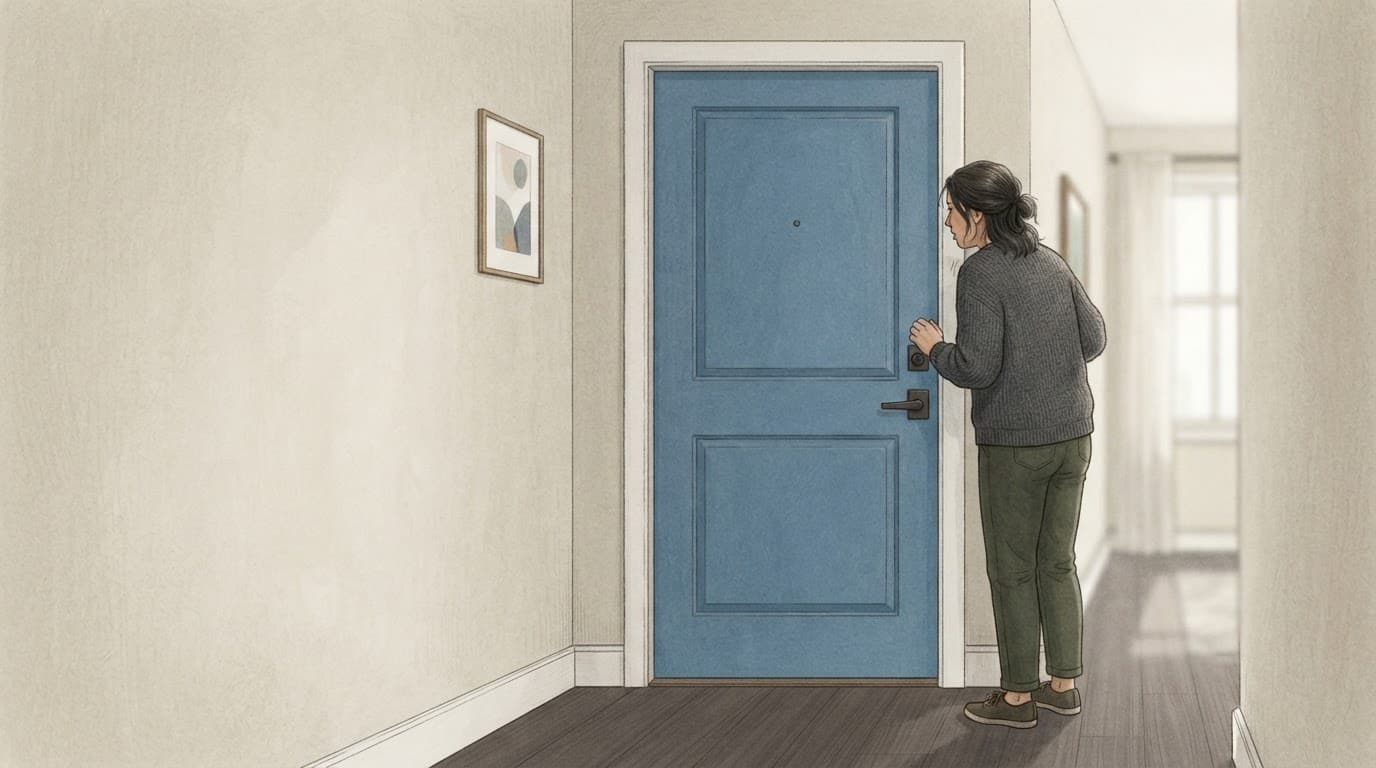
They Can Struggle to Recognize or Care About Other People’s Feelings
Reduced empathy is one feature associated with NPD, but it doesn’t mean every person with narcissistic traits feels nothing. Some may understand what another person feels yet show little motivation to respond with care. Others may have more difficulty recognizing emotional cues in the first place.
During a difficult conversation, they may interrupt with their own story, minimize your pain, or change the subject back to themselves. You might say, “I’m overwhelmed and need support,” only to hear, “You think you’re stressed? You should hear what I’m dealing with.” Help may appear when it improves their image, protects the relationship, or gives them something in return.
One insensitive response doesn’t prove a pattern. However, repeated dismissal can leave you feeling invisible and hesitant to share anything personal. Healthy relationships require room for both people’s experiences, including disagreement, comfort, and repair.
They May Use People as Sources of Status, Comfort, or Advantage
Exploitative behavior can involve another person’s money, labor, contacts, attention, loyalty, or emotional support. A person may borrow money and promise to repay it, ask you to complete their work, or rely on your connections, then offer excuses when you need similar support.
Charm can appear before the imbalance becomes clear. They may praise your generosity, make exciting promises, or describe a future where both of you benefit. Later, the promises disappear while the requests continue. When you raise the issue, they may call you selfish or remind you of the few times they helped.
Not everyone who acts this way is calculating every move. Still, intent doesn’t erase repeated harm. Look for reciprocity: do they keep commitments, respect limits, and show up when you need support? If the relationship repeatedly takes more than it gives, these signs of narcissistic exploitation can help you name the pattern without trying to diagnose the person.
The Hidden Patterns Behind Narcissistic Charm and Control
Narcissistic behavior isn’t always loud, boastful, or easy to spot. Some patterns appear through charm, self-pity, subtle blame, or carefully edited stories that keep the person admired and in control.
These behaviors can happen without NPD, so focus on repeated actions rather than a label. A clinical overview of narcissistic personality disorder describes the broader pattern as involving grandiosity, attention-seeking, entitlement, and difficulty with empathy.
They May Seem Charming Until You Stop Meeting Their Needs
Some people make an impressive first impression. They may seem confident, funny, attentive, socially skilled, and unusually interested in you. Flattery can feel personal and sincere, especially when they remember small details or make you feel like the most important person in the room.
Charm alone isn’t proof of narcissism. Many warm, confident people enjoy connecting with others and still respect boundaries. The concern appears when the relationship changes after you disagree, say no, or stop providing constant attention.

They may become cold, insulting, demanding, or suddenly uninterested. A small boundary can expose whether their interest was mutual or depended on your admiration and compliance. Over time, watch for entitlement, dishonesty, exploitation, and disregard for your feelings, not just an engaging personality.
A Quiet or Victim-Like Presentation Can Hide the Same Entitlement
Some people express grandiosity through constant grievance instead of obvious boasting. They may describe themselves as misunderstood, claim that others are jealous, or insist that everyone treats them unfairly. Self-pity can draw attention while making the person appear humble or vulnerable.
The term “covert narcissism” is a popular descriptive phrase, not a separate official NPD diagnosis. A quiet personality, social anxiety, or genuine hardship doesn’t automatically indicate narcissism. The pattern becomes more concerning when victimhood combines with entitlement and a refusal to consider anyone else’s perspective.
For example, someone may expect friends to cancel plans whenever they need support, then accuse those friends of being selfish when they ask for help. They may use guilt, passive-aggressive remarks, or emotional withdrawal to punish limits. Guidance on recognizing covert narcissism can help you identify behaviors without treating a label as a diagnosis.
They May Rewrite Events to Protect Their Image
A person who fears looking wrong may stretch the truth about achievements, deny hurtful behavior, or shift blame after causing a problem. Their version of events often keeps them innocent, superior, or unfairly attacked.
Everyone misremembers details, becomes defensive, or tells a story from their own perspective. The difference is the pattern. Repeated denial, changing explanations, selective memories, and attacks on anyone who challenges the story can make honest conversation almost impossible.
Some people report this experience as gaslighting, a manipulation pattern in which someone repeatedly challenges another person’s memory or perception. Gaslighting isn’t a formal diagnostic criterion of NPD, and one disagreement doesn’t establish it. Look for repetition, pressure, and the gradual effect on your confidence. Keeping dated notes, saving important messages, and discussing events with a trusted person can help you stay grounded.
Why Narcissists Can Switch Between Admiration, Anger, and Distance
Narcissistic behavior can shift quickly when admiration, status, or control feels threatened. Someone may praise you intensely, criticize you later, then act distant when you ask for respect. This pattern can leave partners, friends, relatives, and coworkers wondering whether they caused the change.
These shifts don’t follow a fixed cycle, and they don’t prove narcissistic personality disorder. Focus on repeated behavior, its effect on you, and whether the person takes responsibility after causing harm.
They May Idealize Someone and Later Treat Them as Disappointing
Intense praise can make a new relationship feel unusually close. A dating partner may call you perfect, a friend may describe you as the only person who understands them, or a manager may flatter an employee before offering special opportunities. Over time, however, that admiration may fade when you disagree, set a boundary, or fail to match an ideal image.
The person may then become cold, critical, dismissive, or contemptuous. They might accuse you of changing, criticize qualities they once praised, or withdraw affection until you return to the role they prefer. This is often described as idealization and devaluation, but social media terms can make a complicated pattern sound more predictable than it is.
Early excessive attention isn’t proof of narcissism or NPD. It becomes more concerning when intense flattery comes with pressure, rushed commitment, demands for constant access, control over your choices, or sudden punishment when you resist. Read more about narcissistic devaluation explained if this change has become a repeated part of your relationship.

They May Experience Other People’s Success as a Threat
Envy is a recognized feature associated with NPD, but ordinary comparison is common. You may feel jealous of a friend’s promotion and still celebrate their success. A more troubling pattern appears when someone repeatedly needs to reduce, control, or take ownership of another person’s accomplishments.
For example, they may say your promotion happened because your boss likes you, copy your work or style, compete over every achievement, or claim credit for a project you completed. Advice can also disguise envy: “You shouldn’t buy that house until you’re more established,” or “That award probably came from office politics.” The words may sound practical, but the repeated message is that your success doesn’t count.
Watch what happens after you succeed. Can the person offer genuine congratulations, or do they redirect attention toward themselves? Repeated minimization can make you second-guess achievements you once felt proud of.
Losing Attention or Control Can Change Their Behavior Fast
Reduced attention, a firm boundary, public correction, or the end of a relationship may lead to pleading, rage, silent treatment, sudden promises, threats, or a smear campaign. Some people apologize and change their behavior. Others intensify contact, recruit mutual friends, or act as though your decision is an attack.
A sudden promise is meaningful only when actions change over time. You don’t have to keep explaining a boundary while someone debates your right to have it. Guidance on how narcissists react to boundaries may help you recognize this behavior without assuming every difficult breakup follows the same script.
Threats, stalking, intimidation, monitoring, and coercive control are safety concerns regardless of diagnosis. Save messages, record serious incidents in a secure place, tell someone you trust, and seek local domestic-violence or legal support if you feel afraid or controlled.
What Helps When You Are Dealing With Narcissistic Behavior
When narcissistic behavior leaves you confused, focus on what you can observe and control. You don’t need to diagnose, expose, or cure another person to decide that repeated blame, manipulation, or disrespect is harming you.
Narcissistic personality disorder (NPD) is a mental health condition that requires professional assessment. A viral checklist can point to concerning behavior, but it cannot establish a diagnosis. Your practical goal is clearer communication, stronger boundaries, appropriate support, and personal safety.
They May Blame Others Instead of Accepting Responsibility
Blame-shifting can take several forms. Someone may offer endless excuses, deny what happened, attack the person raising the concern, or give an apology with conditions attached: “I’m sorry you felt hurt, but you made me do it.” The words sound apologetic, yet the responsibility still lands on you.
A person may also change the subject by listing your past mistakes. Instead of discussing the missed payment, cruel comment, or broken promise, they might accuse you of being too sensitive or bring up an unrelated argument. This turns accountability into a courtroom where you are forced to defend yourself.
Real accountability looks different. It involves:
- Naming the behavior without disguising it.
- Recognizing the harm it caused.
- Offering a sincere apology without demanding immediate forgiveness.
- Changing the behavior consistently over time.
Promises made during conflict can sound convincing, especially when you want the relationship to improve. Still, repeated actions provide better evidence than emotional promises. Does the person respect the same boundary next week? Do they repair harm without being pressured? Do they accept feedback without punishing you?
If the pattern stays the same, believe the pattern. You can also review these suggestions for accountability and support after emotional abuse when blame and confusion have become part of your daily life.
They Can Resist Help Even When Their Relationships Keep Falling Apart
Some people reject feedback, refuse therapy, or treat every conflict as proof that everyone else is the problem. Repeated relationship breakdowns may not lead to reflection if admitting fault feels too threatening. They might leave treatment quickly, criticize the therapist, or agree to counseling only to use it as evidence against someone else.
When NPD is present, psychotherapy is the main treatment. Therapy may focus on self-esteem, emotional regulation, relationship patterns, empathy, realistic goals, and the ability to tolerate criticism. Medication doesn’t specifically cure NPD. A clinician may prescribe medication for related conditions or symptoms, such as depression, anxiety, or mood instability. The clinical research on NPD treatment explains why medication and psychotherapy serve different purposes.
Change is possible, but it usually requires willingness, sustained effort, and professional guidance. A few calm conversations rarely transform a long-standing personality pattern. You can encourage appropriate help, yet you cannot attend therapy on someone else’s behalf or make them practice accountability.
Clear Boundaries Matter More Than Winning an Argument
Arguing someone into insight rarely works when they are committed to denial or control. A boundary protects your actions, time, money, privacy, and emotional health. It doesn’t force the other person to behave well.
Use short statements that don’t invite a circular debate. You might say, “I won’t continue this conversation while you’re insulting me,” or “I can’t lend you money.” Then end the call, leave the room, or stop replying if the behavior continues. Limit contact when necessary, keep important financial or legal records secure, and document threatening messages in a safe place.
A consequence only works when you can follow through. If you say you’ll leave a conversation after personal attacks, do it consistently. For more examples, see this guide on how to set boundaries with a narcissist.

A boundary describes what you will do, not what the other person must do.
Keep trusted people informed when behavior becomes threatening or isolating. If someone threatens self-harm, violence, stalking, or immediate danger, contact local emergency services or urgent crisis support. In the United States, call or text 988 for a mental health crisis, and call 911 when there is immediate danger.
Conclusion
The most surprising part of narcissistic behavior is how outward superiority can exist alongside deep insecurity. A person may seek constant admiration, struggle to recognize other people’s feelings, and react intensely to criticism, which creates the confusing mix of charm, sensitivity, control, and anger discussed throughout this article.
These traits don’t automatically mean someone has Narcissistic Personality Disorder. NPD requires a persistent pattern that affects a person’s relationships and functioning, and only a qualified mental-health professional can make that diagnosis. A checklist or difficult interaction cannot prove it.
What matters most is the pattern you experience. Pay attention to repeated blame, manipulation, entitlement, and boundary violations instead of trying to prove a label. Protect your time, privacy, money, and emotional health through clear limits, seek support from trusted people or a therapist, and consider setting boundaries with a narcissistic person without abandoning your own needs. If threats, stalking, or coercive control are present, prioritize safety over confrontation.
Save the pin for later


- 60 Color Tattoos That Healed Beautifully - 25/09/2026
- 40 Most Painful Tattoo Spots - 24/09/2026
- 20 Tattoo Aftercare Mistakes That Ruin Fresh Ink - 23/09/2026

