Tattoo placement affects far more than how a design looks. The right spot can change your pain level, how easily you can hide the tattoo, how clothing rubs against it during healing, how much sun it receives, and how well its details hold up over time.
Your best choice depends on your personal style, work requirements, comfort with pain, daily clothing, and exposure to sunlight. A visible forearm tattoo may suit someone who wants a daily reminder, while the ribs, thigh, or upper back can offer more privacy. For meaningful inspiration, explore these meaningful tattoos for women before deciding on both the design and its placement.
The five spots below, the forearm, upper arm or shoulder, ribs or side, thigh, and upper back, each offer clear benefits along with practical tradeoffs. Let’s compare them so you can choose a location that fits your body, lifestyle, and long-term plans.
5 Best Spots for Tattoos for Women, From Easy-to-Show to Easy-to-Hide
There is no single perfect tattoo spot for every woman. The right choice depends on visibility, pain tolerance, clothing, sun exposure, and the design you want. Pain also varies from person to person, so use these comparisons as general guidance rather than a guarantee.
A licensed, experienced tattoo artist can help adjust the size, angle, and placement to suit your body. During healing, protect every fresh tattoo from direct sun, soaking, and unnecessary friction. After it heals, broad-spectrum, water-resistant SPF 30 or higher helps limit fading, as recommended by the American Academy of Dermatology.
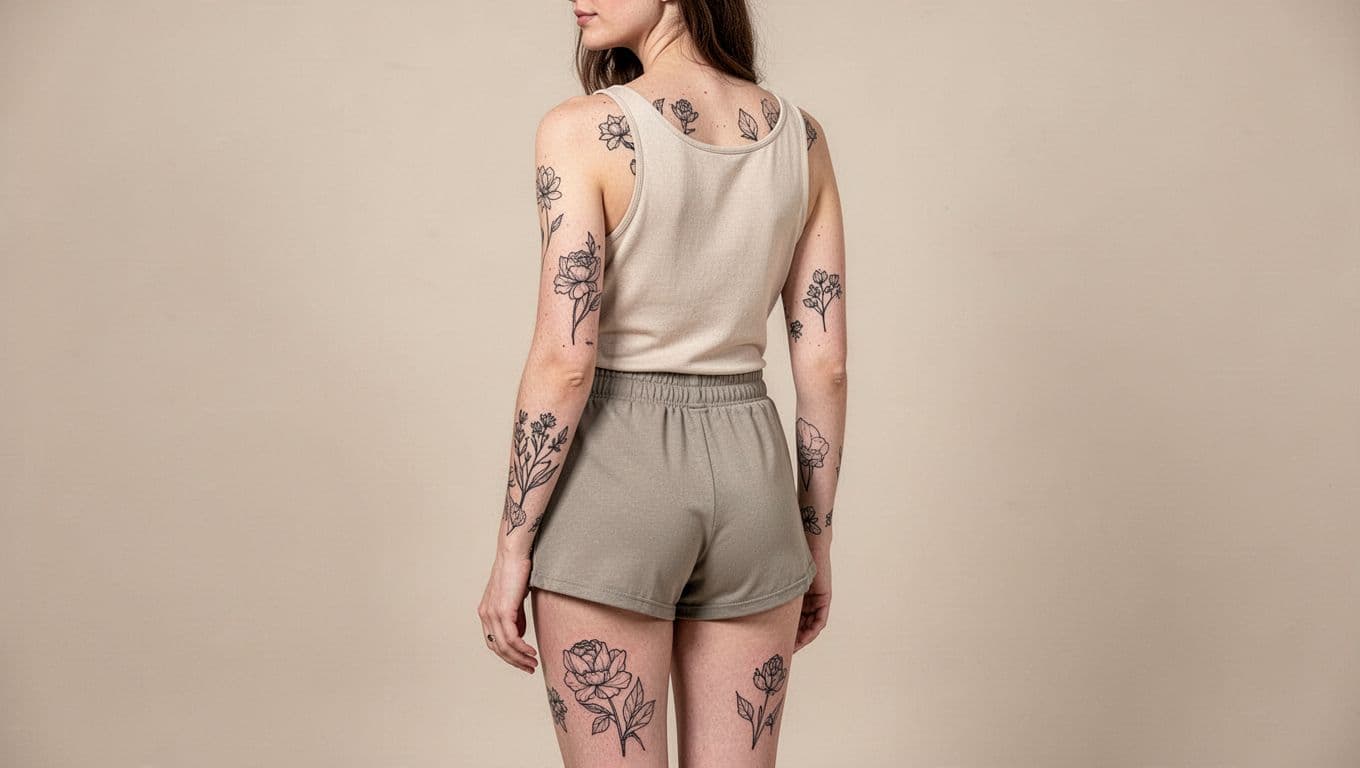
Forearm: A Versatile Spot for First Tattoos and Detailed Designs
The outer forearm is popular because it offers a fairly flat surface, easy visibility, and enough room for many styles. Text, flowers, animals, fine-line artwork, and medium-sized designs can all fit naturally along its shape.
Compared with bony areas, the outer forearm often feels more manageable during a session. However, the inner forearm may feel more sensitive because the skin is softer and has more nerve endings. Since the area receives frequent sunlight, short sleeves can speed up fading over time.
Consider workplace visibility before booking. During healing, wear loose clothing that doesn’t rub against the tattoo, and keep the area away from direct sun and water until the skin closes. Once healed, apply SPF 30 or higher when your forearm will be exposed.
Upper Arm and Shoulder: Easy to Cover With Plenty of Design Space
The upper arm gives you control over when people see your tattoo. A short-sleeved shirt may reveal it, while longer sleeves can cover it for work or formal settings.
The outer upper arm suits portraits, large flowers, symbols, and wraparound designs. Meanwhile, the shoulder works well for circular compositions, sunburst artwork, and designs that extend toward the collarbone or back.
Pain is usually moderate, although the shoulder cap and inner arm may feel more sensitive. During healing, avoid tight sleeves, bra straps, and bag straps that repeatedly press against the skin. The upper arm is easier to shield from the sun than the forearm, but tank tops and swimwear can leave shoulder tattoos exposed.
Ribs and Side: A Private Placement for Meaningful Statement Pieces
Rib and side tattoos appeal to women who want a design that stays mostly private. You can reveal it with a crop top, swimsuit, or fitted dress, then cover it easily with everyday clothing.
The long, curved shape suits quotes, vines, moons, flowers, and larger vertical artwork. Still, ribs are commonly considered a higher-pain placement because the skin sits close to bone and moves as you breathe. Bras, waistbands, and tight tops can also cause discomfort while the tattoo heals.
Choose loose, breathable clothing during the first several days. Once healed, this location is usually easier to protect from sunlight than exposed arm tattoos. For related inspiration, browse these sternum tattoo ideas for women, especially if you like designs that follow the body’s center line.
Thigh: A Comfortable Canvas for Larger, More Personal Tattoos
The outer or upper thigh gives larger tattoos plenty of room for detail, color, and shading. It also offers privacy, since shorts, skirts, and pants can cover the design without much effort.
Many people find the thigh less painful than the ribs, ankles, feet, or areas directly over bone. The inner thigh can feel more sensitive, however, so ask your artist about shifting the design slightly if comfort matters.
Avoid tight jeans, shapewear, and rough waistbands while the tattoo heals. Exercise can create repeated friction, especially when skin touches clothing or equipment. Keep direct sunlight away from the fresh tattoo, and explore these feminine thigh tattoo ideas for designs that suit this spacious placement.
Upper Back: A Balanced Choice for Large Art and Lower Sun Exposure
The upper back offers a broad, mostly flat canvas for symmetrical designs, wings, florals, script, and artwork that reaches toward the shoulders. It suits anyone who wants a larger tattoo without seeing it every day.
Discomfort is often moderate, though the spine and shoulder blades may feel more sensitive than the surrounding muscle. Aftercare can be awkward because you may need help cleaning or moisturizing the area. Avoid backpack straps, tight tops, and workouts that stretch or rub the skin until it heals.
The back is easier to cover from direct sunlight, but healed ink still needs sunscreen. If you want a larger composition, compare these full-back tattoo ideas for women before settling on size and placement.
How to Choose the Right Tattoo Placement for Your Lifestyle
The best tattoo placement should fit your daily routine, not just look attractive in a reference photo. Before choosing a spot, consider how visible you want the design to be, what you wear, how much discomfort you can tolerate, and how the area may change over time.
Start With Visibility and Daily Clothing
First, decide when you want people to see your tattoo. Forearms and shoulders are easier to show, while the ribs, thigh, and upper back offer more privacy. Workplace dress codes may also affect your choice, especially if you wear uniforms, short sleeves, or fitted clothing.
Your usual wardrobe matters during healing, too. A waistband can irritate a rib or hip tattoo, while a bra strap may rub against the shoulder. Tight jeans can cause friction on the thigh, and backpack straps may press against an upper-back design.
Use this quick comparison to narrow your options:
| Your priority | Placements to consider |
|---|---|
| Easy to hide | Ribs, thigh, upper back, upper arm |
| Easy to show | Forearm, outer upper arm, shoulder |
| Often more manageable for pain | Outer forearm, outer upper arm, outer thigh |
| Needs extra care | Ribs, spine, shoulder blade, inner thigh, areas near joints |
| More exposed to sunlight | Forearm, shoulder, lower arm |
A healed tattoo needs sun protection. The American Academy of Dermatology’s tattoo care guidance recommends broad-spectrum, water-resistant SPF 30 or higher on exposed tattooed skin. During healing, keep the tattoo away from direct sunlight and avoid clothing that constantly rubs it.
Match the Design to the Space
Placement should support the design instead of forcing artwork into an unsuitable area. A long, narrow image may follow the spine or rib cage naturally, while a circular design may look better on the shoulder. Fine details also need enough room to remain clear as the tattoo ages.
Before booking, ask your artist to show the design at its intended size. A small area can make detailed artwork look crowded, while enlarging a simple symbol may leave too much empty space. If you want future additions, leave room around the original tattoo rather than filling the entire area immediately. For narrow vertical artwork, these spinal tattoo placement ideas can help you compare proportion and spacing.

Test the Placement Before Your Appointment
Print the design, draw a simple outline, or use a temporary tattoo and place it on the area. Then check it in a mirror while you:
- Sit at your desk or in your car.
- Stand with your arms relaxed.
- Walk, stretch, bend, and raise your arms.
- Wear the clothing you use most often.
- View it from the front, side, and back.
Movement can change how a design looks across the skin. Weight gain, weight loss, pregnancy, muscle growth, and natural aging may also affect some placements more than others. Your artist can explain how the skin moves and suggest a nearby area if the original spot will distort the artwork.
Finally, choose a professional artist who can adjust the stencil to your anatomy. The strongest placement is the one that keeps the design readable, fits your routine, and still feels right when your body is moving.
Plan for Pain, Healing, and Sun Exposure Before You Book
Tattoo placement affects more than appearance. Before you choose a spot, plan for the pain, the healing period, your clothing, and the amount of sunlight the area receives. A placement that looks perfect in a photo may feel inconvenient if it bends often or rubs against your clothes every day.
Consider Pain, Friction, and Movement
Pain tends to increase near bone, in areas with thinner skin, and around places that bend frequently. Ribs, the spine, shoulder blades, knees, ankles, and feet can feel more intense than areas with more muscle and padding. The inner thigh and inner upper arm may also feel sensitive because the skin is softer.
Daily friction matters just as much. A bra strap can irritate a shoulder tattoo, while waistbands may rub the ribs, hip, or lower back. Shoes and socks can disturb tattoos near the ankle or foot. If you’re considering a hip placement, browse these women’s hip tattoo ideas and check whether your usual jeans, underwear, or workout clothes will press against the area.
Movement can make a session harder and healing less comfortable. A tattoo over a joint may stretch each time you walk, bend, or raise your arm. For that reason, choose a time when you can reduce intense exercise and avoid clothing that repeatedly touches the area.
Expect Healing to Take About Two to Four Weeks
Most tattoos need roughly two to four weeks for the surface of the skin to heal, although larger designs, heavily shaded work, sensitive placements, and individual skin responses can extend that timeline. Peeling, itching, mild tenderness, and light scabbing may occur as the tattoo heals. These symptoms should gradually improve rather than become stronger.
Follow your artist’s written aftercare instructions because bandages, ointments, and washing recommendations can vary. In general, wash the tattoo gently with clean hands, pat it dry with a clean towel, and apply only a thin layer of the recommended product. Avoid picking, scratching, peeling flakes, or removing scabs early.
Until the skin has healed, avoid:
- Pools, hot tubs, lakes, oceans, and baths.
- Heavy sweating or workouts that stretch and rub the tattoo.
- Tight clothing, rough fabrics, and repeated pressure.
- Direct sunlight on the fresh tattoo.
A shower is usually fine, but soaking can expose healing skin to bacteria and prolonged moisture. If you cannot keep the area protected during a planned vacation, beach trip, or sports event, book the tattoo for another time.
Protect Fresh Ink From the Sun
Don’t apply sunscreen to a fresh tattoo while the skin barrier is still open, peeling, or scabbed. Instead, use loose clothing, shade, and careful scheduling to limit sun exposure. Once the tattoo has fully healed, apply broad-spectrum, water-resistant SPF 30 or higher. The American Academy of Dermatology’s tattoo care guidance also recommends reapplying sunscreen at least every two hours during extended outdoor exposure, and after swimming or heavy sweating.
Contact a health professional if pain worsens, redness spreads, swelling increases, the area becomes hot, or you notice pus, fever, chills, red streaks, or a foul odor. Healing should move forward each day, not become increasingly painful.
Match the Tattoo Design to the Shape and Movement of the Body
A tattoo looks more balanced over time when its design follows the body instead of fighting its natural shape. Before choosing artwork, consider how the skin curves, folds, stretches, and moves when you sit, walk, bend, or relax.
Choose a Design That Fits the Placement
Long, narrow designs often suit the ribs because they can follow the body’s vertical curve. Vines, lettering, snakes, branches, and floral stems usually look more natural when they run with the rib cage rather than across it.
For the thigh or upper back, vertical artwork can create a longer, more balanced appearance. A design that follows the leg or the center of the back may stay easier to read than one forced across a wide, curved area. Your artist can also adjust the angle so the image looks intentional when you stand and when your muscles are relaxed.
Circular artwork works well on the shoulder because the shoulder cap provides a natural rounded surface. Mandalas, sun designs, floral arrangements, and compact symbols can sit within that curve without looking stretched. However, the design may change shape slightly when you raise your arm, so check it in more than one position.
Compact pieces often suit the forearm or upper arm. These areas can support small symbols, simple flowers, animals, or short words, but detailed artwork still needs enough space between lines. When fine details sit too close together, they may become harder to read as the ink settles and the skin changes over time.
Scale, line weight, and color should work together. A larger design can hold more detail and spacing, while a smaller piece usually needs simpler shapes and stronger lines. Light colors and delicate lines may need more open space than bold blackwork to remain clear.
Check the Stencil While Your Body Moves
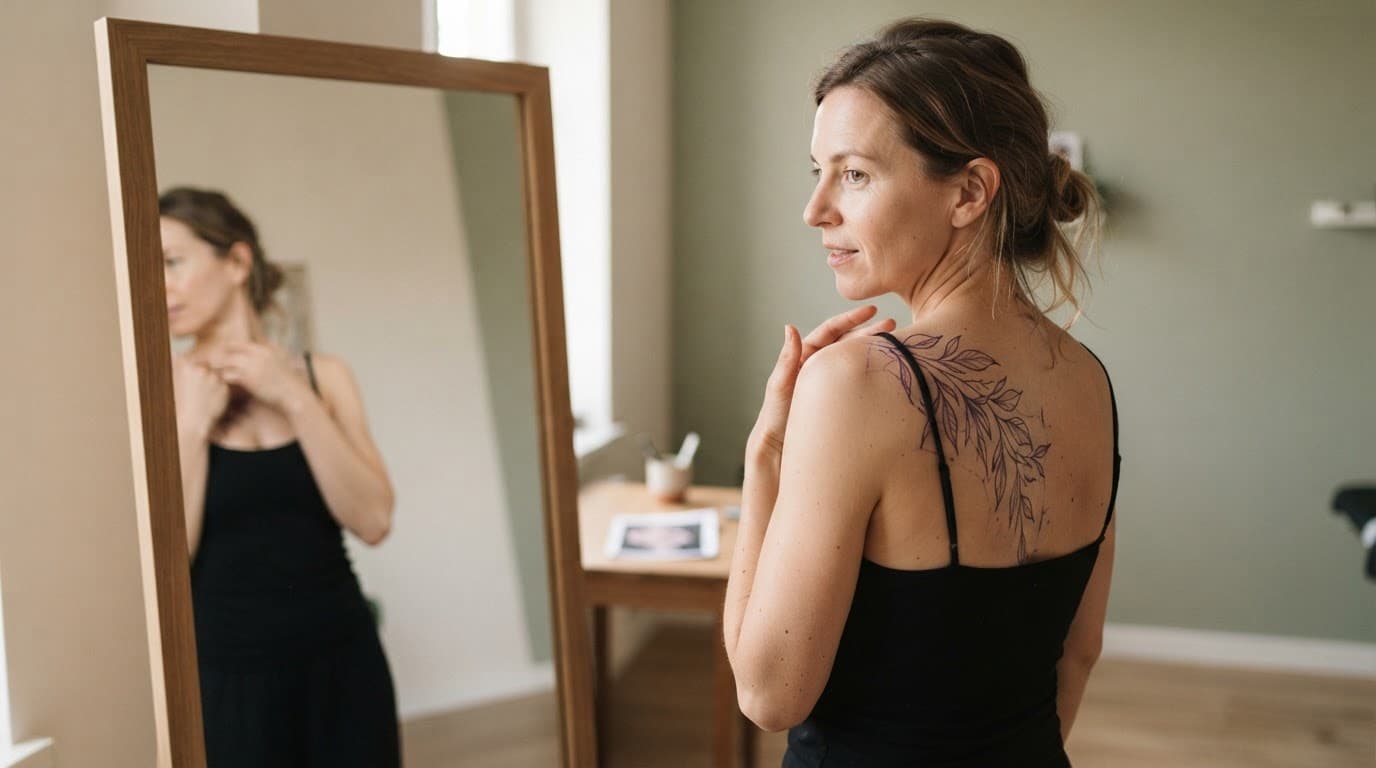
Ask your artist to apply a stencil before tattooing begins. View it from the front, side, and back, then check it while your body is relaxed, standing, sitting, and moving. A design that looks perfect in one pose may appear tilted or compressed in another.
Pay attention to curves, folds, joints, and areas where clothing creates friction. Your artist should account for those details and adjust the size, line direction, or placement when needed. Taking a few extra minutes with the stencil can help the finished tattoo look proportionate in everyday positions.
Conclusion
The best tattoo placement for women depends on how you want to wear, show, and care for your ink. The forearm offers everyday visibility and design flexibility, while the upper arm or shoulder balances coverage with enough space for detailed artwork. For a more private statement, the ribs provide a discreet canvas, although they can feel more sensitive during the session.
Meanwhile, the thigh gives larger designs plenty of room and often feels more comfortable, while the upper back suits broad artwork that stays easier to cover from the sun. Each spot has advantages, so your lifestyle, clothing, work setting, and comfort should guide the final choice.
Before booking, choose a reputable licensed artist and review the stencil from different angles while standing, sitting, and moving. Follow the artist’s aftercare instructions, protect fresh ink from friction and direct sunlight, and give the skin time to heal. The right location is the one that feels comfortable, fits your routine, and still feels like your choice years later.
Save the pin for later


- 60 Color Tattoos That Healed Beautifully - 25/09/2026
- 40 Most Painful Tattoo Spots - 24/09/2026
- 20 Tattoo Aftercare Mistakes That Ruin Fresh Ink - 23/09/2026

