Pregnancy brings many new safety questions, and knowing what to avoid should help you feel informed, not frightened or guilty. One uncertain meal, missed supplement, or accidental exposure doesn’t define your pregnancy, so take a breath and focus on your next step.
This guide looks at alcohol; nicotine, cannabis, and recreational drugs; unsafe foods and high-mercury fish; overheating; and casual use of medications or supplements. It also shares practical ways to make safer choices while supporting your health with essential pregnancy health advice, including balanced nutrition and regular prenatal care.
The information here reflects general US health guidance and isn’t a substitute for advice from your OB/GYN or midwife. If you’re unsure about something you consumed, inhaled, took, or were exposed to, contact your prenatal provider or a pharmacist, especially after an accidental exposure. Let’s begin with the substances that are safest to avoid completely.
Key Takeaways
- Avoid alcohol, nicotine, cannabis, and recreational drugs throughout pregnancy. Contact your prenatal provider after an accidental exposure.
- Choose fully cooked foods, pasteurized products, washed produce, and lower-mercury seafood. FDA recommends 8 to 12 ounces weekly from safer choices.
- Skip hot tubs and saunas that may overheat your body, especially during early pregnancy.
- Check with your doctor or pharmacist before using any medication, vitamin, herb, or supplement. Read the FDA’s pregnancy medicine guidance.
- Keep regular prenatal visits and follow ACOG’s pregnancy safety advice when questions arise.
Things You Should Never Do While Pregnant
The word “never” here points to avoidable risks, not perfection. An accidental exposure, one uncertain meal, or a difficult day doesn’t mean you’ve harmed your pregnancy. Stop the exposure, write down what happened, and contact your prenatal clinician for personalized advice.
These precautions follow current guidance from the CDC, FDA, EPA, and ACOG. Your medical history may change what applies to you, so ask your OB/GYN or midwife when you aren’t sure.
Do not drink alcohol, even in small amounts
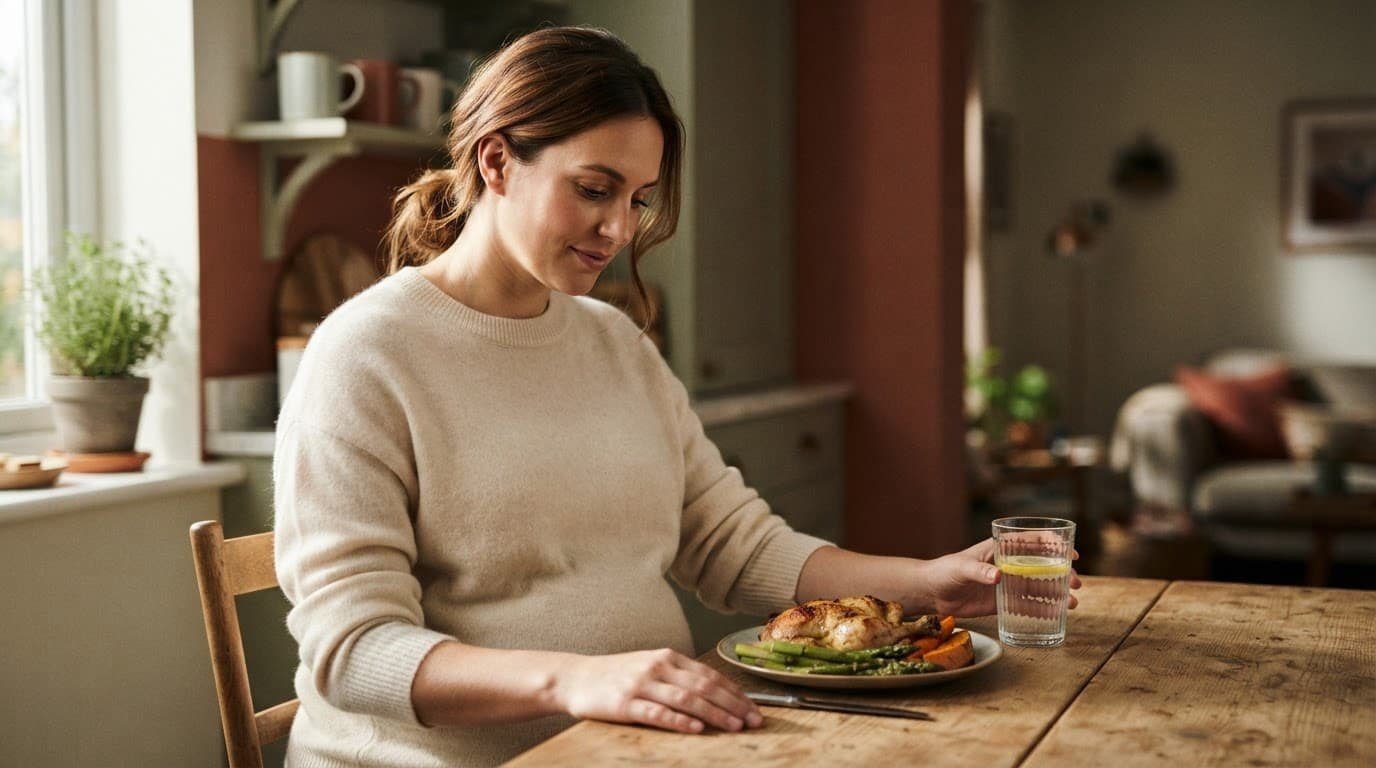
The CDC says there is no known safe amount, safe type, or safe time for alcohol during pregnancy. That includes beer, wine, liquor, cocktails, and mixed drinks. Alcohol crosses the placenta, so the developing baby can receive exposure even when the drink seems small or diluted.
Alcohol use during pregnancy may increase the risk of miscarriage, stillbirth, birth defects, premature birth, and fetal alcohol spectrum disorders (FASDs). FASDs can affect growth, learning, behavior, attention, and physical development. These risks don’t mean every exposure causes a problem, but no test can identify a completely safe amount.
Stopping at any point can still help. If you drank before you knew you were pregnant, tell your clinician without blaming yourself.
You don’t need to explain or defend yourself during a prenatal appointment. Your provider can discuss the timing and amount of alcohol, answer questions, and decide whether additional monitoring is appropriate. If you feel unable to stop drinking, ask a healthcare professional for confidential support. Medical and behavioral health services can help you create a plan that fits your situation.
At parties, restaurants, or evenings at home, try alcohol-free options such as sparkling water with citrus, iced tea, or a mocktail made with familiar ingredients. Read the label on products marketed as “nonalcoholic,” because some may contain a small amount of alcohol. When you want company without drinking, suggest coffee, dinner, a walk, a movie, or another social activity that doesn’t center on alcohol.
Do not smoke, vape, or use cannabis products
Cigarettes, e-cigarettes, hookah, nicotine pouches, and other nicotine products aren’t considered safe during pregnancy. Nicotine can affect fetal brain and lung development. Cigarette smoke also contains many other chemicals that can reduce oxygen delivery and interfere with healthy growth.
Smoking during pregnancy raises the risk of preterm birth, low birth weight, certain birth defects, and sudden infant death syndrome (SIDS). E-cigarettes and vape cartridges can still expose you to nicotine and other substances, even when they produce less smoke than cigarettes. Hookah smoke carries its own risks, and nicotine pouches aren’t a harmless exception.
Cannabis deserves separate attention. Marijuana, THC, and CBD products should be avoided during pregnancy because the FDA advises against their use, and CDC and ACOG guidance also recommends avoiding cannabis. Edibles, oils, concentrates, and products labeled “natural” can still expose you to substances that may affect pregnancy and fetal development.
Secondhand smoke matters too. Ask people not to smoke or vape around you, and avoid enclosed spaces where smoke lingers. Keeping cars and indoor rooms smoke-free protects you from exposure that you can’t control through willpower alone.
If quitting suddenly feels difficult, contact your prenatal clinician and ask for a quit plan. Don’t start nicotine replacement products on your own, because your provider can weigh the benefits, risks, dose, and timing for your circumstances. Quitting later in pregnancy can still improve health outcomes, so support is worthwhile at every stage.
Do not use recreational drugs or stop dependent use without medical help
Illegal or nonprescribed recreational drugs have no established safe amount during pregnancy. The risks vary by substance, strength, route, and frequency, but exposure may raise the chance of premature birth, birth defects, poor fetal growth, withdrawal after birth, or other newborn problems.
This warning includes pills or powders obtained outside a prescription. A tablet sold as a painkiller, stimulant, or anti-anxiety medicine may contain a different drug or unexpected dose. Fentanyl contamination and other adulterants can make an unknown product especially dangerous.
A person who uses regularly or feels unable to stop should contact an OB/GYN, addiction specialist, or emergency service for a medically supported plan. Don’t try to manage withdrawal alone, particularly after regular opioid, benzodiazepine, or other substance use. Withdrawal can affect your health and may require supervised treatment. Your clinician can coordinate pregnancy care with addiction treatment while protecting your privacy as much as possible.
Fear of punishment or judgment can stop people from seeking help. You deserve medical care even if you used a substance before learning about the pregnancy or have returned to it during a stressful period. Give your provider accurate information about what you took, how much, and when. Honest details help the care team choose appropriate monitoring.
After occasional or accidental use, stop further exposure and contact your prenatal clinician. Don’t assume that one event automatically means something is wrong, and don’t wait for symptoms before asking what to do. Your provider may review the exposure, check your health, and decide whether the pregnancy needs additional assessment.
If someone has trouble breathing, loses consciousness, has a seizure, or may have overdosed, call emergency services immediately. Keep the substance container or packaging available if you have it, since that information can help emergency responders.
Do not eat high-mercury fish or foods that may carry infection
Pregnancy food safety involves two separate concerns: mercury exposure and infection. They need different precautions, so avoiding all seafood isn’t the answer.
High-mercury fish can affect a developing baby’s nervous system. Avoid shark, swordfish, king mackerel, and tilefish. Fish names and mercury levels can vary by region, so check the current FDA and EPA fish chart before choosing less familiar species. Lower-mercury seafood can provide protein and other nutrients, so ask your clinician how to include safe choices in your diet.
Foodborne infections are another concern because pregnancy can make certain illnesses more serious. Avoid raw or undercooked meat, seafood, and eggs, along with unpasteurized milk and cheese. Skip raw sprouts, which can carry bacteria that are difficult to wash away. Deli meats and hot dogs should be reheated until steaming before you eat them.
Use simple kitchen habits every day:
- Wash your hands before preparing food and after handling raw meat or seafood.
- Keep raw foods separate from ready-to-eat foods, and clean cutting boards and counters after use.
- Cook foods thoroughly, then refrigerate perishable items promptly.
- Wash produce under running water, even when you plan to peel it.
Food doesn’t need to be perfect to be nutritious. Choose cooked seafood from lower-mercury varieties, pasteurized dairy products, and meals prepared in a clean kitchen. For more meal ideas, review these pregnancy foods by trimester, then adjust them for allergies, medical conditions, and your clinician’s advice.
Call your clinician after a possible foodborne illness if you develop a fever, severe vomiting, persistent diarrhea, signs of dehydration, or worsening weakness. Prompt advice matters more than trying to diagnose the cause at home.
Do not overheat your body with hot tubs, saunas, or intense heat
Prolonged overheating can raise your core body temperature, which deserves caution during pregnancy. Hot tubs and saunas may make it harder for your body to release heat, especially when you stay in for a long time or already feel unwell.
Heat exposure can also happen outdoors. Hot weather, strenuous exercise without breaks, heavy clothing, and dehydration may push your body temperature higher. You don’t need to avoid movement altogether, but modify activity when your body feels overheated, weak, or unusually tired.
Choose safer options such as lukewarm baths, cool rooms, breathable clothing, shade, water, and regular rest. During exercise, slow down when needed and take breaks before you feel exhausted. Never use a hot tub or sauna as a test of endurance.
People with high-risk pregnancies or medical conditions should ask their clinician about exercise and heat exposure. Conditions such as heart disease, lung disease, high blood pressure, or a history of pregnancy complications may call for more specific limits.
Seek prompt medical attention for fainting, confusion, severe dizziness, trouble breathing, chest pain, inability to keep fluids down, or a body temperature that remains high. Move to a cool place, stop exertion, and ask for help rather than trying to push through symptoms. If heat exposure causes concern, tell your prenatal provider what happened and how long symptoms lasted.
Treat Medicines and Supplements as a Check-First Decision
Pregnancy changes how your body processes many substances, so don’t self-start, stop, or combine medicines without checking first. That rule includes prescriptions, over-the-counter drugs, herbal remedies, vitamins, teas, and dietary supplements.
Ask before starting or stopping any medicine
Your OB/GYN, midwife, or pharmacist can review the product, dose, timing, and your health history. A medicine that is safe for one pregnancy may not suit another person with high blood pressure, asthma, kidney disease, allergies, or pregnancy complications.
Stopping a necessary prescription suddenly can also cause harm. This may lead to withdrawal, uncontrolled symptoms, or a return of the condition the medicine treats. Before making a change, ask what to continue, what to reduce, and whether a safer option exists.
Keep a current medication list in your phone or purse. Include prescription drugs, pain relievers, allergy products, creams, sleep aids, vitamins, and herbal products. Bring supplement bottles or clear photos of their labels to prenatal appointments. Combination products deserve extra care because one package may contain several active ingredients.
Take NSAID warnings seriously after 20 weeks
The FDA advises pregnant patients to avoid nonsteroidal anti-inflammatory drugs (NSAIDs) at 20 weeks of pregnancy or later, unless a healthcare professional specifically recommends one. These medicines may cause rare but serious fetal kidney problems and low amniotic fluid. Read the FDA warning about NSAIDs during pregnancy before taking an unfamiliar pain medicine.
Some common pain medicines belong to this group, but a universal medication list can be misleading. Products may differ by country, brand, dose, and formulation. Check the active ingredients instead of relying only on front-label claims. Ask before using pills, combination cold remedies, or topical pain products.
A familiar medicine isn’t automatically appropriate during pregnancy. The active ingredient, dose, and stage of pregnancy all matter.
Choose prenatal vitamins with guidance
A prenatal vitamin can help fill nutritional gaps, but taking more isn’t always better. Excess amounts of certain nutrients, including vitamin A in some forms, can harm a developing baby. Herbal blends and “natural” products may also contain ingredients that haven’t been studied well in pregnancy.
Ask your prenatal provider which vitamin fits your diet, lab results, medical history, and pregnancy needs. Check cold, allergy, acne, and sleep products just as carefully. Online claims, influencer recommendations, and product labels cannot replace an individual pregnancy review. When you’re unsure, pause and call your clinician or pharmacist before taking the next dose.

What to Do After an Accidental Exposure
An accidental drink, medication dose, cigarette, food exposure, or hot environment does not automatically mean something is wrong. Pregnancy can make ordinary mistakes feel frightening, but panic and shame won’t give you useful answers. A calm, factual response will.
Take these steps first
When you can do so safely, stop the exposure and move away from the substance or source. Don’t induce vomiting, try a home detox, or take another product to “cancel it out.”
Write down the details while they’re fresh:
- The product, food, medicine, or substance involved.
- How much you used, ate, inhaled, or touched.
- The time and date of the exposure.
- How many weeks pregnant you are.
- Any symptoms you notice, including dizziness, vomiting, pain, rash, trouble breathing, or unusual sleepiness.
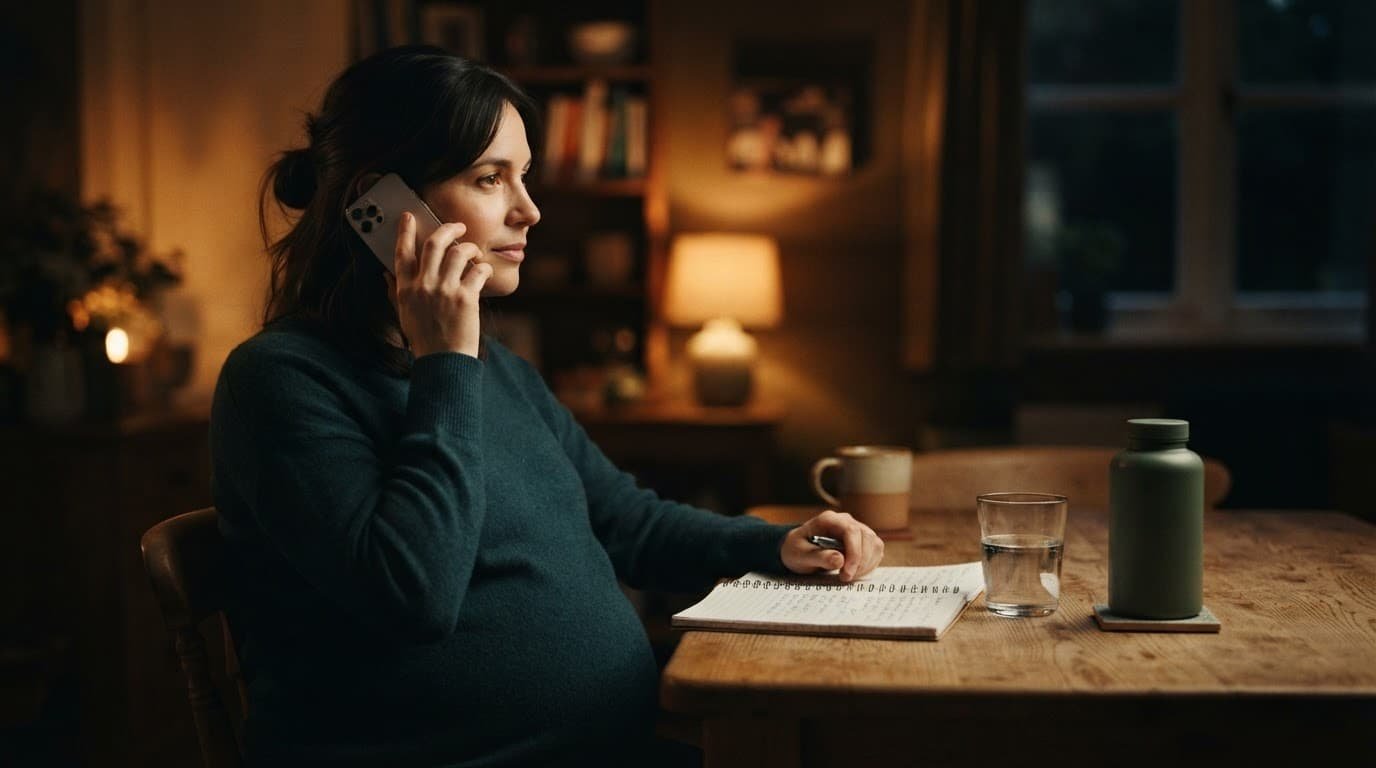
Next, call your OB/GYN, midwife, prenatal care team, or pharmacist. Give them the facts without minimizing or exaggerating what happened. If you take a prescription medicine regularly, don’t stop it suddenly unless a clinician tells you to do so. Some substances can cause dangerous withdrawal, so your care team may need to create a supervised plan.
Depending on the exposure, your clinician may recommend watching for symptoms, checking your vital signs, arranging testing, or adding monitoring at a future prenatal visit. One event may require no extra treatment, while another may need prompt assessment. The timing, dose, substance, pregnancy week, and your medical history all matter.
Know when to get emergency help
Call 911 for trouble breathing, loss of consciousness, a seizure, severe confusion, chest pain, a serious allergic reaction, or any immediate danger. Call Poison Control at 1-800-222-1222 after a possible overdose, poisoning, or concerning chemical or medication exposure. The service is free and confidential, and Poison Control guidance can help you decide what to do next.
If alcohol, nicotine, cannabis, or other drug use is ongoing, tell your clinician honestly. That information helps them provide safer prenatal care, monitor your health, and connect you with treatment without judgment. You can also review these prenatal health and safety guidelines as you prepare questions for your next appointment.
Know Which Pregnancy Warning Signs Need Urgent Care
Most pregnancy symptoms are harmless, but some need medical attention without delay. Don’t wait for a routine prenatal appointment if something feels severe, sudden, or unusual. Your pregnancy stage, health history, and symptoms all matter, so contact your care team when you’re unsure.

Call your provider promptly for these symptoms
Contact your OB/GYN, midwife, or labor and delivery unit if you experience:
- Heavy vaginal bleeding, bleeding similar to a period, or bleeding with pain.
- Severe, persistent, or one-sided abdominal pain.
- Fluid leaking from your vagina, especially before your water is expected to break.
- A severe headache that won’t go away, vision changes, flashing lights, or blurred vision.
- Sudden swelling in your face or hands, especially with a headache or vision changes.
- A fever of 100.4°F (38°C) or higher.
- Severe vomiting that prevents you from keeping fluids down, along with dizziness, very dark urine, or other signs of dehydration.
- Noticeably reduced or stopped fetal movement later in pregnancy. A change from your baby’s usual pattern matters more than a specific movement count.
The CDC’s urgent maternal warning signs include these symptoms because they can signal serious pregnancy complications. You can also review these first-time pregnancy warning signs while preparing questions for your next visit.
Know when to seek emergency care
Call 911 or go to the nearest emergency department for chest pain, trouble breathing, fainting, a seizure, severe confusion, or a serious allergic reaction. Get emergency help if heavy bleeding, severe pain, or another symptom makes you feel unsafe traveling alone.
Trust your instincts. You don’t need to prove that a symptom is serious before calling. If your provider’s office is closed, use the on-call number, labor and delivery triage line, or emergency services. Keep your prenatal records and medication list nearby, but don’t delay care while searching for them.
Conclusion
Pregnancy safety starts with informed choices, not perfection. Avoid alcohol, nicotine, cannabis, recreational drugs, high-mercury fish, unsafe foods, prolonged overheating, and medicines or supplements that your prenatal care team hasn’t reviewed. These steps reduce preventable risks while helping you feel more confident about everyday decisions.
Mistakes and accidental exposures can happen. If they do, stop the exposure when you can, write down what happened, and ask for guidance instead of blaming yourself or trying to handle it alone. Regular prenatal care also gives you a safe place to discuss questions, symptoms, and changes in your routine.
Your OB/GYN, midwife, or pharmacist can help you decide what to do after an exposure or before taking a new product. If you have severe symptoms, trouble breathing, loss of consciousness, a seizure, heavy bleeding, or another emergency, contact emergency services right away.
Save the pin for later

- Healthy Air Fryer Recipes for Beginners - 21/09/2026
- Healthy Snacks for Late Night Cravings - 21/09/2026
- High Protein Meal Prep Ideas for Easy Weekly Meals - 21/09/2026

