When your body stays on high alert, even small things can feel hard to handle. Learning how to regulate your nervous system naturally at home means giving your body signals that it’s safe, so stress, anxiety, overwhelm, poor sleep, and that stuck fight-or-flight feeling start to ease.
The good news is that you don’t need special tools or a long routine to begin. Simple things like slow breathing, gentle movement, grounding, and a calmer evening rhythm can help you feel more settled in a few minutes. If sleep is part of the problem, night routines that support better sleep can make a real difference, too.
In this post, you’ll find practical ways to regulate your nervous system naturally at home with steps you can use right away. Start with one small change, then build from there.
What happens when your nervous system feels stuck in stress mode
When your nervous system stays in stress mode for too long, your body starts acting like danger is always close. You may keep pushing through the day, but inside, everything feels tighter, louder, and harder to settle. That can show up in your sleep, your mood, your focus, and even the way you breathe.
This is also why learning to regulate your nervous system naturally at home matters. The goal is not to force calm. It’s to give your body enough safety cues that it can ease out of alarm mode on its own.

Common signs your body is asking for a reset
Stress mode looks different for everyone, but the clues are often easy to spot once you slow down and pay attention. These signs are common, and they do not mean something is wrong with you.
A few of the most common ones include:
- Physical tension: tight shoulders, clenched jaw, sore neck, headaches, or a heavy feeling in your chest
- Sleep trouble: trouble falling asleep, waking often, or feeling tired after a full night in bed
- Racing body signals: a fast heartbeat, shallow breathing, stomach upset, or feeling on edge for no clear reason
- Mental overload: foggy thinking, poor focus, forgetfulness, or thoughts that keep looping
- Emotional strain: irritability, anxiety, tears that come quickly, or feeling overwhelmed by small things
Sometimes the signs are quieter. You may feel numb, restless, or worn down without knowing why. That can happen when your system has been in high gear for a while and starts treating stress as normal. For a deeper list of patterns, these signs of survival mode stress can help you spot what your body is trying to say.
A stressed nervous system is not a broken one. It is a tired system that needs a reset.
Why calming the body first can help the mind follow
When stress takes over, the body often leads the way. Your breathing gets shallow, your muscles brace, and your posture tightens. Those physical signals tell the brain that something still feels unsafe.
That’s why a body-first approach works so well when you want to regulate your nervous system naturally at home. Slow breathing, softer posture, and gentle movement send a different message to the brain. They say, “You can stand down now.”

Even a small shift can matter. Try lowering your shoulders, unclenching your jaw, and taking a few longer exhales. Pair that with a slow walk or a few minutes of mindful breathing, and your body gets repeated cues that the threat has passed. If you want a simple place to start, practice mindful breathing for a few minutes before you try anything else.
Once the body softens, the mind usually follows. Thoughts feel less sharp, emotions feel less loud, and your next step becomes easier to choose.
Breathing techniques that calm your body in minutes
When stress hits fast, your breathing is often the quickest place to start. The right pattern can tell your body that the danger has passed, even if your mind is still catching up. That makes breathing one of the simplest ways to regulate your nervous system naturally at home.
These methods are not complicated, and they do not need perfect timing. What matters most is that you slow the body down enough to change the signal it is sending. Start with one technique, practice it for a few minutes, and let your system respond.
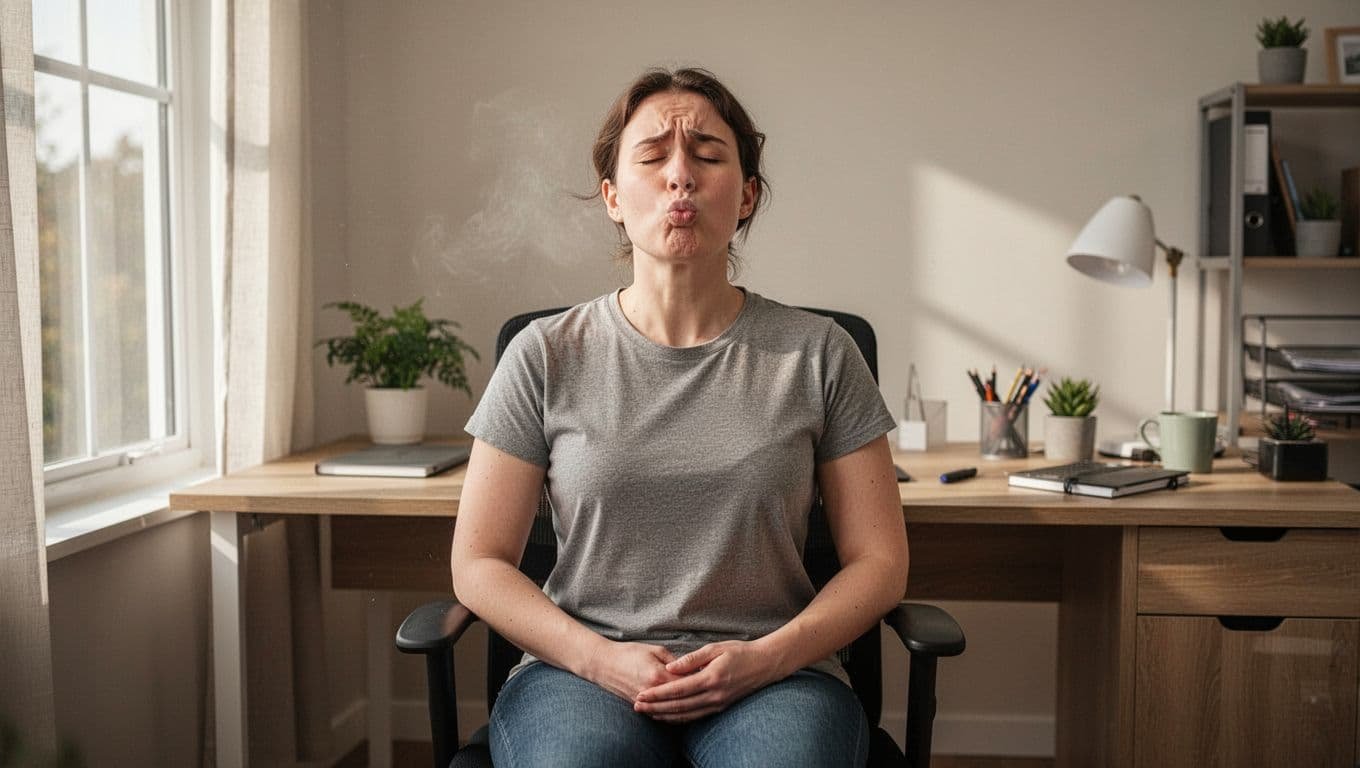
Try the physiological sigh when stress feels high
The physiological sigh is one of the fastest ways to settle a stressed body. Stanford Medicine describes a similar pattern called cyclic sighing, which can help lower stress and support calmer breathing.
Do it in three simple steps:
- Inhale through your nose.
- Take a second, shorter top-up inhale through your nose.
- Exhale slowly through your mouth until the air is gone.
Repeat that cycle once or twice when you feel tense. It works well during a stressful work break, before a hard conversation, or after a sudden wave of anxiety. If your chest feels tight or your thoughts are racing, this gives your body a direct reset.
For a quick breath reset during work stress, you can also pair it with simple habits that reduce work stress.
One or two rounds can help. A few minutes can help more.
Use longer exhales to shift into rest and digest
Longer exhales are a simple way to cue calm. Try inhaling for a shorter count, then exhaling for a longer one, such as in for 4 and out for 6. You can also use 3 and 5 if that feels easier.
The exact numbers matter less than the pattern. A steady, longer exhale helps your body move toward the rest-and-digest state, which is the opposite of fight-or-flight.
If you feel impatient, that’s normal. Keep the pace gentle and repeat the pattern for a few minutes. Consistency matters more than perfection, and small daily practice often works better than a single long session. If slow breathing feels hard at first, keep it simple and focus on making the exhale just a little longer each time. That small change is enough to start.

Add humming or gentle voice work for extra calming support
Humming, chanting, or slow singing can feel soothing because they stretch the exhale and create a steady rhythm. Many people notice their face, throat, and chest soften after just a few rounds.
Try humming a low “mmmmm” sound as you exhale, or sing one soft line of a familiar song. Keep it slow and easy. This can be a useful option when you want calm support without focusing hard on counting breaths.
If you want another easy grounding habit after your breathing practice, daily habits that build emotional strength can help you keep that calmer state going.
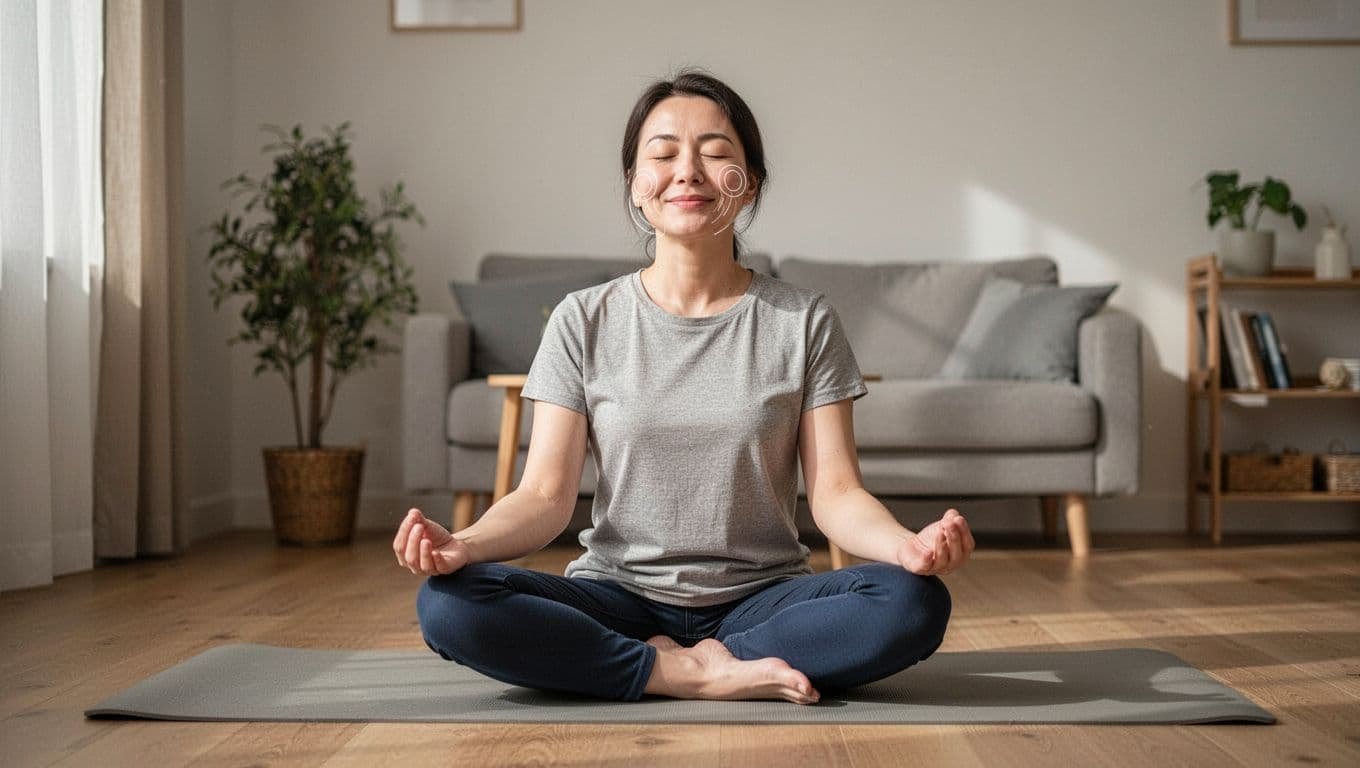
When you use these breathing techniques regularly, your body starts to recognize the pattern faster. That means the next stressful moment may feel a little easier to settle, one breath at a time.
Move in ways that help stress leave the body
When stress gets stuck in your system, stillness can make it louder. Gentle movement gives that energy somewhere to go, so your body can soften without forcing it. That is one reason movement is such a useful part of how to regulate your nervous system naturally at home.
You do not need a workout or a perfect routine. Small, calm movement can help your muscles unclench, your breath slow down, and your mind feel less crowded. The goal is simple, let your body finish the stress response and return to a steadier state.
Gentle movement ideas you can do in a small space
You only need a few feet of open space to start. Walking in place for a minute can warm up the body and ease that frozen, wired feeling. Slow neck rolls, shoulder shrugs, arm circles, and a gentle side stretch can also help your body let go of tight spots.
A short home stretch routine works well when you want something simple. Reach overhead, fold forward only as far as feels good, then roll up slowly. Add ankle circles or a soft twist while seated if your body feels stiff from sitting too long.
These movements work best when you stay relaxed and unhurried. You are not trying to push through tension, you are giving it a way out. If you want more ideas that pair well with daily movement, simple exercises boosting endorphins can help you build a calming habit that fits your day.
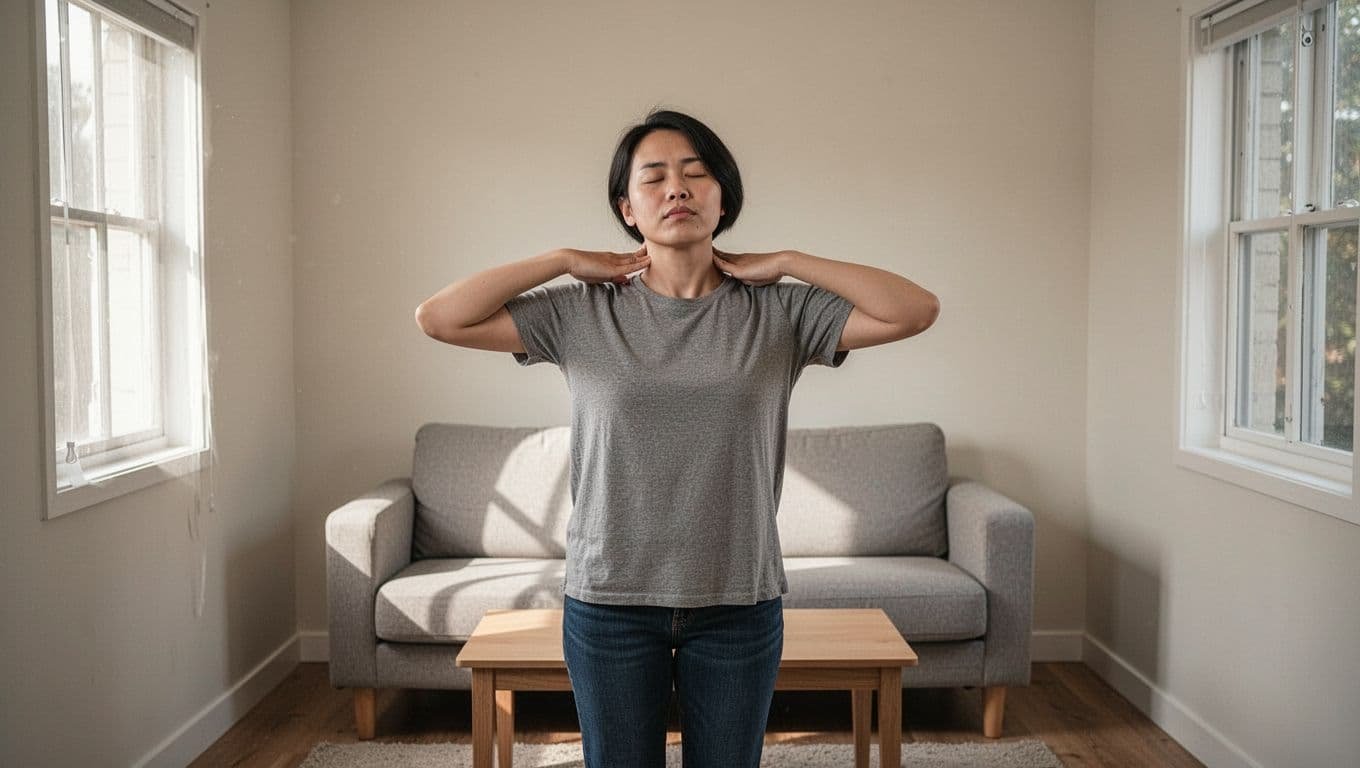
How shaking, stretching, and slow dance can release tension
Shaking out your arms or legs for a few seconds can feel odd at first, but it is a natural way to let the body discharge stress. Many people feel looser after a gentle shake because the muscles stop holding on so hard. Keep it light, loose, and brief, like you are flicking water off your hands.
Stretching helps in a different way. It gives tight muscles a chance to lengthen, which can make your whole body feel less guarded. Slow dance works too, especially with music you already enjoy. Rhythmic movement can help your body settle because it adds motion without pressure, and a 2025 review on movement and nervous system regulation notes that grounding and releasing movements can support that shift.
If a movement feels good and easy, it is probably the right one for that moment.

Why walking outside can reset your mood faster
Walking outside adds more than movement. Daylight helps your body get clearer cues about time, which can support sleep and steadier energy later. Fresh air and a change of scenery also break the loop of staring at the same walls while stress builds.
A short outdoor walk can feel like opening a window in a stuffy room. Your senses get new input, your breathing often deepens, and your attention has something else to land on. Even a few minutes can help you feel less trapped inside your own stress.
If you want a simple walking habit, try stepping outside after a hard moment, a meal, or a long stretch at your desk. For more support, daily walking for stress relief can make this feel easier to keep up.
Create a calming home environment that helps your nervous system settle
Your home can either keep your body on guard or help it exhale. Small changes in light, noise, and clutter send strong signals to your nervous system, and those signals matter more than most people realize. When you make the space around you calmer, your body has less to fight against.
Make your space feel quieter, softer, and safer
Start with the easiest wins. Clear off one or two busy surfaces, lower the noise around you, and soften the light in the rooms you use most. A tidy room with fewer visual distractions gives your brain less to scan, which can help you feel less tense right away.
A few simple shifts go a long way:
- Tidy surfaces so your eyes have fewer things to process.
- Use softer lighting in the evening, like lamps instead of bright overhead bulbs.
- Keep blankets nearby so your body has a cue for comfort.
- Cut down device alerts by turning off nonessential notifications.
Fresh air can help too. Opening a window for a few minutes, or letting a fan move air through the room, can make the space feel less closed in. That small change matters when your body feels stuck in alert mode. For more ideas on building a calmer setup, home tips that support nervous system regulation offer a few practical place-based changes you can try.
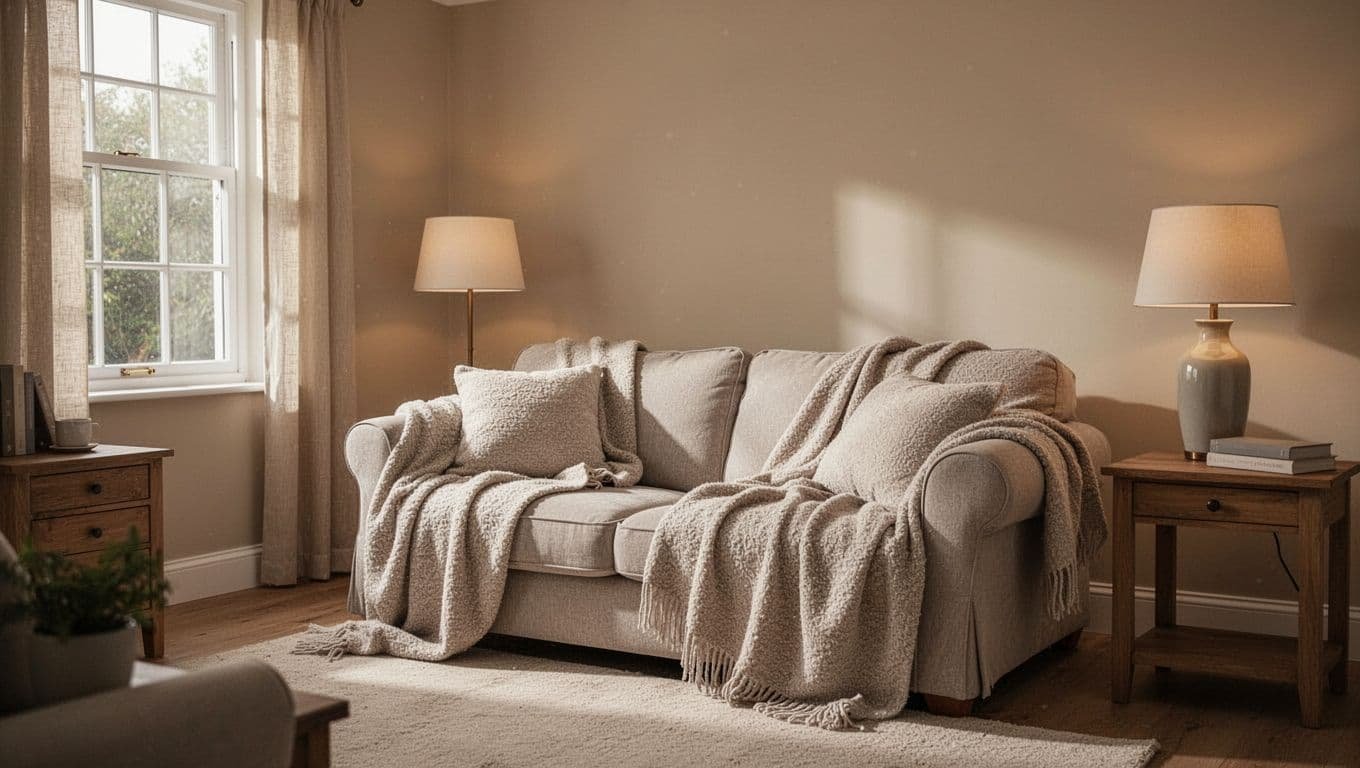
Keep it realistic. You don’t need a perfect minimalist home. You just need fewer things that shout for attention, and more things that tell your body, “You can relax here.”
The goal is not a spotless house. The goal is a space that feels less demanding.
Use sleep habits that support nervous system recovery
Sleep gives your nervous system a chance to repair, so your nightly habits matter. A steady bedtime and wake-up time help your body learn when to slow down. When that rhythm stays consistent, regulation often feels easier the next day.
Screen use can work against that process, especially late at night. Try to step away from phones, tablets, and TV at least 30 to 60 minutes before bed. If your mind keeps spinning, better sleep habits for brain reset can help you build a night routine that feels steady instead of rushed.
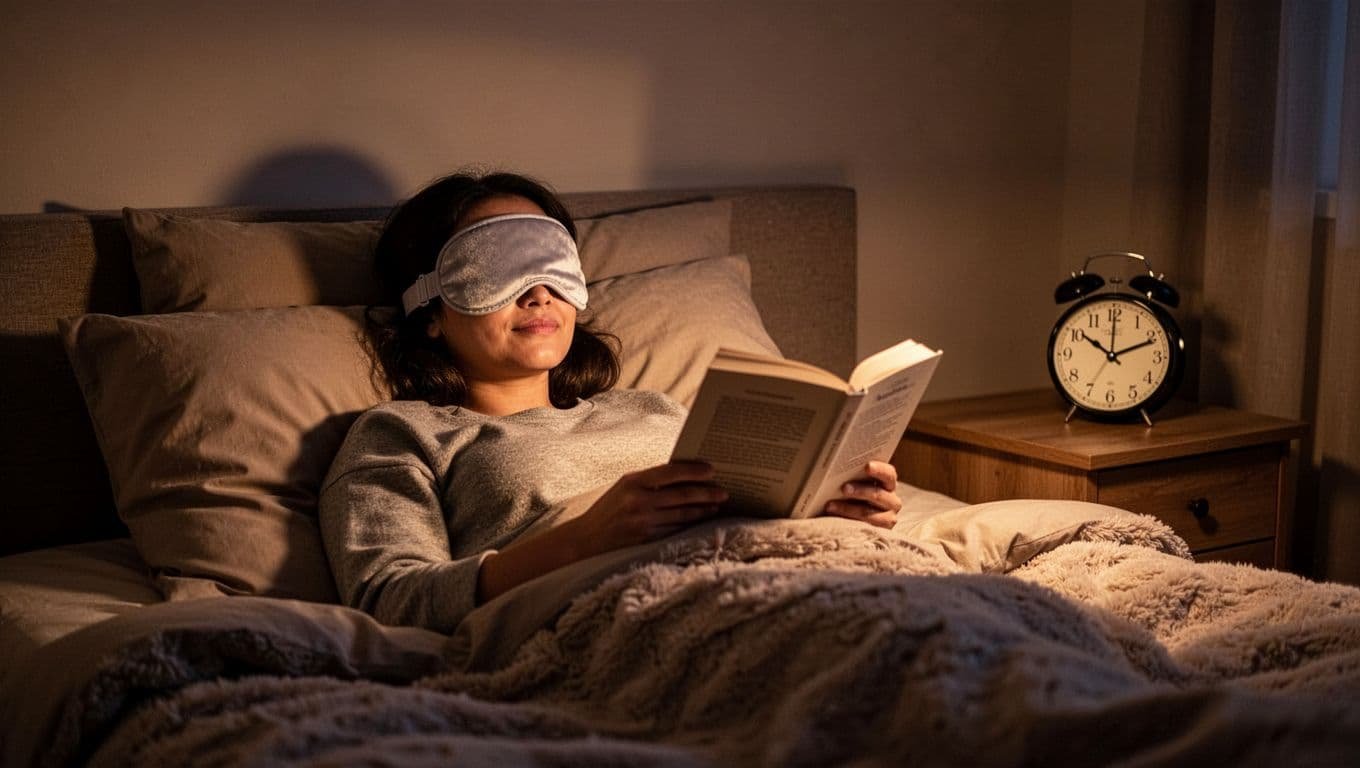
If falling asleep feels hard, don’t force it. Get out of bed for a few minutes, keep the lights low, and do something quiet, like reading or slow breathing. Then return when you feel sleepy again. That helps your brain connect the bed with rest, not stress.
A few habits can make a real difference:
- Keep a steady bedtime, even on weekends.
- Dim lights early in the evening.
- Put your phone away before sleep.
- Use a short wind-down ritual each night.
Better sleep often makes daytime regulation easier, because your body starts the next morning with more reserve. A rested system is less likely to tip into overwhelm.
Choose comfort tools that help you relax at night
The right comfort tools can make bedtime feel safer and more inviting. Some people like a weighted blanket because the gentle pressure feels grounding. Others prefer a warm shower, a mug of herbal tea, or soft music that helps them slow down.
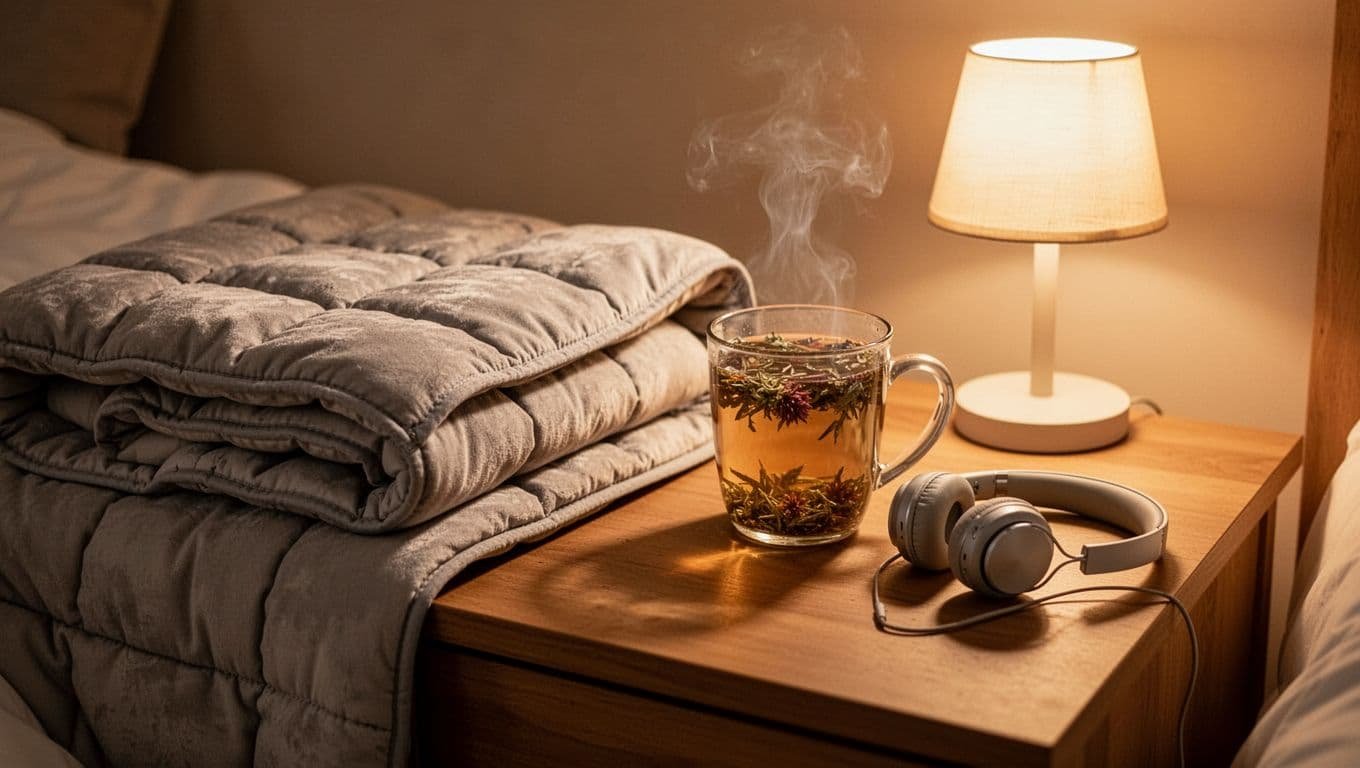
Choose what feels good in your body. A weighted blanket works well for some people, but it can feel too warm or heavy for others. Tea helps many people unwind, yet some prefer water or nothing at all. The point is to notice what your body welcomes, then keep that in reach.
You can also try:
- A warm shower to loosen tense muscles before bed.
- Soothing music with a slow rhythm.
- A cozy blanket you use only for rest time.
- A calm scent if strong smells don’t bother you.
If you want a simple night routine, pair one or two tools with the same bedtime routine each evening. That repetition gives your nervous system a clear pattern to follow. Over time, your body learns that nighttime means rest, not effort.
Support regulation with food, hydration, and steady daily habits
What you eat and drink shapes how steady you feel during the day. Regular meals, enough water, and a simple routine can keep your body from swinging between wired and wiped out. That matters when you want to regulate your nervous system naturally at home without making your day harder.
Small habits work best here. You do not need a perfect meal plan, only a few steady choices your body can count on. When your blood sugar stays more even and your hydration stays up, stress tends to feel less sharp.
Foods and drinks that may help you feel more steady
Balanced meals are a strong place to start. Aim for protein, fiber, and healthy fats at each meal, because that mix helps you feel fuller and more even-keeled. Eggs with toast and fruit, chicken with brown rice and vegetables, or yogurt with nuts and berries all work well.

Simple drinks can help too. Water is the most important one, especially if you feel tired, irritable, or foggy. Herbal tea, like chamomile or peppermint, can also fit into a calmer evening routine. The Mayo Clinic notes that hydration and steadier eating habits can support calmer feelings.
Try to keep these basics close:
- Protein at meals like eggs, fish, tofu, beans, or Greek yogurt
- Fiber-rich foods like oats, fruit, vegetables, and whole grains
- Healthy fats like avocado, olive oil, nuts, seeds, and salmon
- Calming drinks like water, herbal tea, or warm water with lemon
A steady plate often helps more than a perfect one.
If your body feels sensitive, look at balanced meals for better mood as a simple way to support a calmer baseline. The goal is not to eat “clean” all day. The goal is to keep your body fed, hydrated, and less reactive.
What to notice about caffeine, sugar, and skipped meals
Caffeine can be helpful for some people, but too much can make others feel shaky, tense, or on edge. If you drink coffee or energy drinks, notice how your body responds an hour later and again later in the day. A strong response can show up as a fast heartbeat, shallow breathing, or a nervous, restless feeling.
Sugar can create a different problem. A quick spike often leads to a crash, and that drop can leave you feeling tired, irritable, or anxious. Skipped meals can do the same thing, especially when you go too long without protein or real food. The result is often a body that feels like it has lost its footing.
Pay attention to patterns, not just single moments. For example, if you feel more anxious after coffee on an empty stomach, that matters. If your mood dips hard when lunch gets pushed back, that matters too.
A few things are worth noticing:
- Whether caffeine makes you feel alert or wired
- Whether sugar leaves you crashing later
- Whether missed meals make you shaky, hungry, or short-tempered
- Whether you feel steadier after eating on time
If that sounds familiar, how blood sugar imbalances can trigger anxiety gives a clear look at the connection between food timing and anxiety symptoms. Small changes, like eating breakfast or adding protein to a snack, can make the day feel much smoother.
Build a simple nervous system reset routine you can repeat every day
A simple nervous system reset routine works best when it feels easy enough to repeat. You do not need a perfect schedule or a long list of rules. You need a few small anchors that help your body move out of stress and back into steadier ground.
The goal is to make regulate your nervous system naturally at home a normal part of your day, not a rescue plan you only use when you are overwhelmed. When the routine is short, clear, and familiar, your body learns the pattern faster. That is what makes it useful.
A 5 minute morning reset to start the day calmer
Start with the same few steps each morning so your body knows what comes next. You can begin before the day gets noisy, while the house is still quiet.
Try this simple sequence:
- Take three slow breaths, with the exhale a little longer than the inhale.
- Stretch your arms, neck, and shoulders for a minute.
- Drink a glass of water.
- Sit for one quiet minute before you reach for your phone or open your laptop.
That small pause matters. It gives your nervous system a softer start, which often changes the tone of the whole morning. If you want more early-day support, calming morning routine ideas can help you build a gentle rhythm that fits real life.
Keep it simple enough to remember on a tired day. If you can do it in the same order each morning, it becomes easier to repeat, and that repetition is what makes a routine stick.
A midday reset for stressful moments
Midday is often when stress piles up. Work pressure, parenting demands, and decision fatigue can all hit at once. A reset here does not need to be long. It just needs to interrupt the spiral.
Step away for two or three minutes, even if that means staying at your desk or pausing in the kitchen. Then do one of these:
- Physiological sighs if you feel tense or wired
- Shoulder rolls and a short walk if your body feels stiff
- A hand on your belly with slow breathing if your mind feels scattered
- 5-4-3-2-1 grounding if overwhelm is building fast

This kind of reset works because it is small enough to do before stress gets bigger. If you are in the middle of work or caregiving, you do not need a full break to calm down. You need a clear signal that the moment has passed.
For a quick outside-the-home option, a brief walk can help too. Even a few minutes can loosen the tight, trapped feeling that stress creates. The routine stays simple, but the effect can be steady when you use it often.
A good midday reset is short, quiet, and easy to repeat without a perfect setup.
An evening wind-down that tells your body it is safe to rest
At night, your job is to lower the volume. Dim the lights, slow your breathing, and move your body in a gentle way so your system can shift into rest mode. If your evenings are busy, keep this routine short and repeatable.
A useful pattern looks like this:
- Lower the lights about an hour before bed.
- Take a short walk, stretch, or do a few slow neck and shoulder rolls.
- Breathe with longer exhales for a few minutes.
- Use the same bedtime cue each night, like washing your face, reading a few pages, or putting on a favorite blanket.
That bedtime cue matters because your body learns from repetition. When the same action happens every night, it starts to mean “sleep is next.” If you want more structure, how to make new habits stick can help you keep the routine consistent without making it complicated.
The evening reset does not have to be impressive. It just has to be calm, familiar, and easy enough to keep even on busy days. That is how you build a simple nervous system reset routine you can repeat every day, one small cue at a time.
Conclusion
Learning how to regulate your nervous system naturally at home does not have to feel complicated. The most effective support is often the simplest, like slow breathing, gentle movement, a calmer space, steady meals, and a sleep routine your body can trust.
When you use these tools often, your system gets clear signals that it can slow down. That is the real heart of how to regulate your nervous system naturally at home, you repeat small, safe actions until calm starts to feel more familiar.
Pick one or two habits that fit your day, then practice them regularly. Over time, those small choices can make stress feel less overwhelming and help your body return to balance with more ease.
Save the pin for later

- 60 Color Tattoos That Healed Beautifully - 25/09/2026
- 40 Most Painful Tattoo Spots - 24/09/2026
- 20 Tattoo Aftercare Mistakes That Ruin Fresh Ink - 23/09/2026

