Inflammation is your body’s repair response, but when it’s high for too long, it can wear on your joints, heart, and metabolism. Some foods can help calm that response fast, although results vary based on your body, how much you eat, and what the rest of your diet looks like.
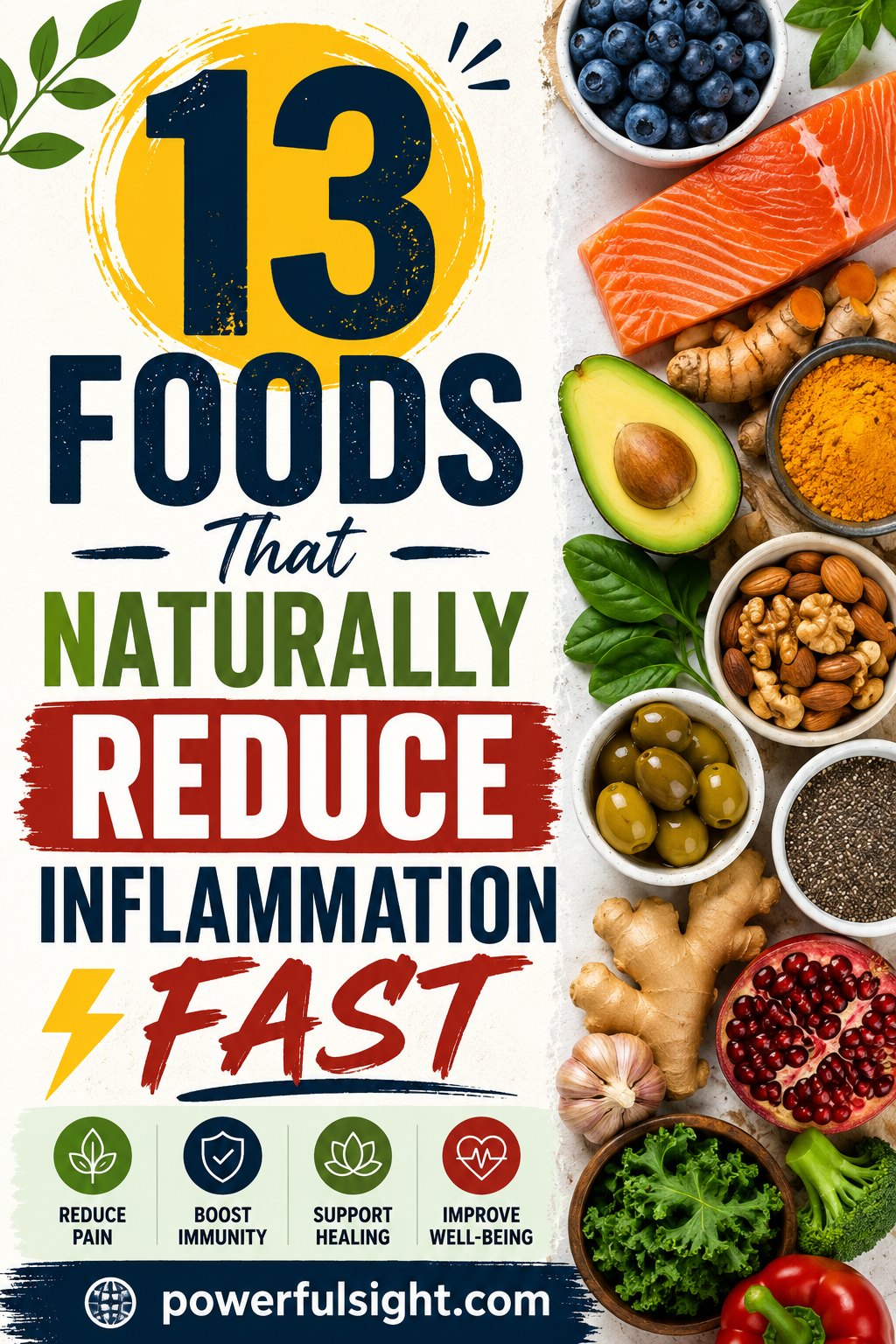
This post shares 13 foods that may help lower inflammation fast, based on recent research and real-world eating habits. For meal ideas that make this easier to use day to day, anti-inflammation meal recipes can help, because these foods work best as part of a steady daily pattern, not a one-time fix. This short video is a useful watch if you want a quick visual companion.
Why some foods help calm inflammation fast
Some foods work because they give your body the tools it needs to cool things down. Antioxidants help mop up oxidative stress, omega-3 fats can soften immune overdrive, fiber feeds gut bacteria that support calmer immune signals, and polyphenols and other plant compounds help dial back irritation at the cell level.
That is why certain eating patterns show real movement in inflammation markers. In research on healthy diets, CRP often trends lower over time, and fiber-rich foods can also help bring down other markers such as IL-6 and TNF-alpha. Healthy dietary patterns and CRP are one reason whole-food eating gets so much attention.
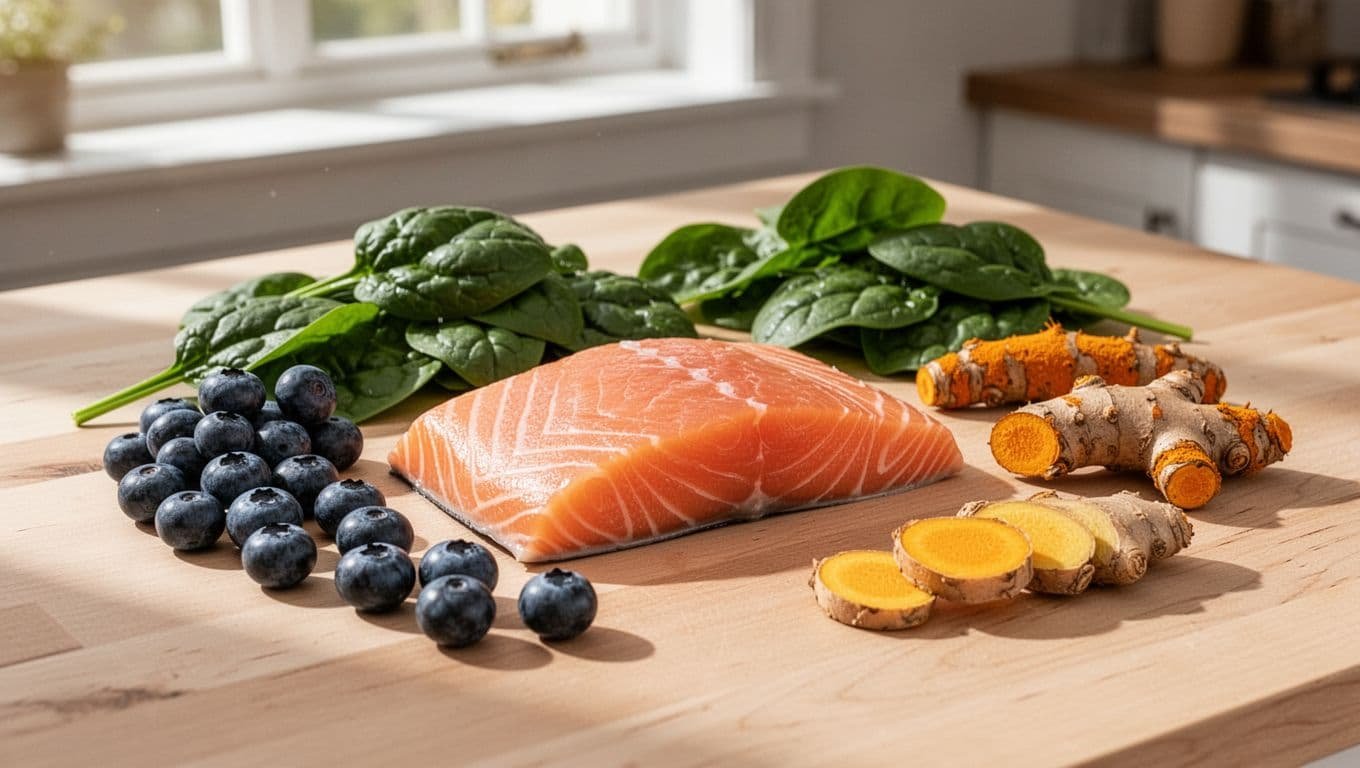
For simple meal ideas that fit this pattern, easy anti-inflammatory dinners make it easier to repeat the right foods during the week.
What inflammation markers mean in everyday terms
CRP, or C-reactive protein, is a blood marker your liver makes when the body is under stress or irritation. Cytokines are small chemical messengers that tell the immune system when to turn up or calm down.
You can think of them as warning lights. When the numbers are high, the body is often dealing with extra strain. When they drop, it usually means the system is settling.
Why fast does not always mean instant
Some foods can lower oxidative stress within hours or days, especially meals rich in omega-3s, antioxidants, and polyphenols. That said, pain, swelling, and blood markers often need more time to change.
A salmon dinner or a bowl of beans can start the process, but the real benefit usually comes from eating these foods often. One good meal helps, yet repeated meals help more.
Quick relief is real, but it usually becomes more noticeable when the same healthy foods show up again and again.
That is the main reason consistency matters. Short-term changes may be subtle, while longer-term results are easier to see in both how you feel and what your labs show.
The best foods that naturally reduce inflammation fast
The fastest wins usually come from foods you can eat often without much prep. The list below mixes fruit, fish, vegetables, spices, and pantry staples, so you can build meals that calm inflammation in a way that feels normal, not strict.
Some foods help right away by lowering oxidative stress after a hard workout or a salty meal. Others work more like a slow drain on the sink, where the benefit grows when you eat them often.
Berries, cherries, and other fruit with deep color
Blueberries, strawberries, and tart cherries belong together because they share anthocyanins, the plant pigments that give them their rich red and blue color. These fruits are also packed with polyphenols, which may help lower inflammation and soreness, especially after exercise.
A recent blueberry polyphenol review found promising links between blueberries and lower oxidative stress, although the strongest human results still come from steady use over time. That fits what most people notice in real life, a bowl of berries helps most when it shows up often.
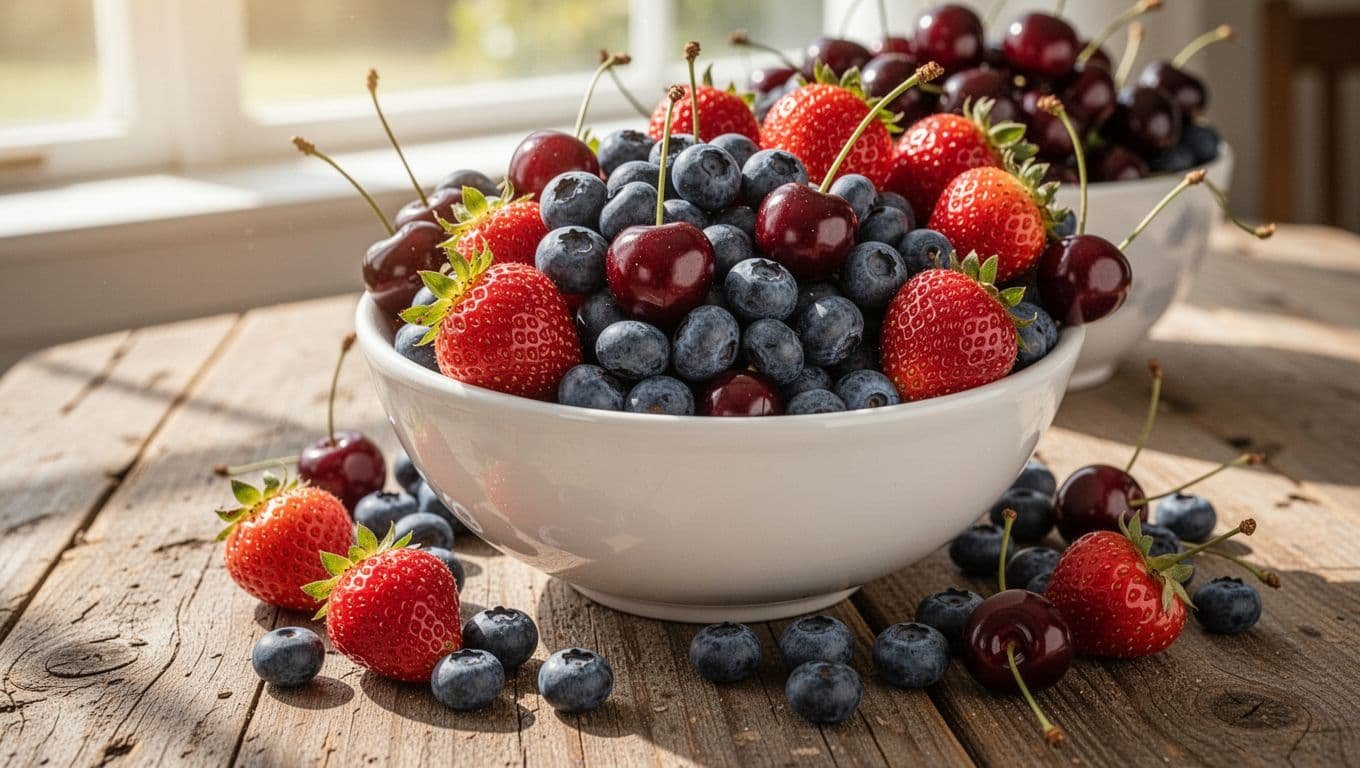
Try one cup a day. That can go into yogurt, oatmeal, a smoothie, or just a snack bowl on its own.
Fatty fish and omega-3 foods that support calmer joints
Salmon, sardines, and mackerel are some of the best foods for inflammation because they bring in EPA and DHA, the omega-3 fats your body uses to ease inflammatory signals. These fats do not work like pain medicine, but they can help your system settle down over time.
A practical goal is two servings a week, with a serving around 3 to 4 ounces. Canned sardines count, and they make this easy on busy days.
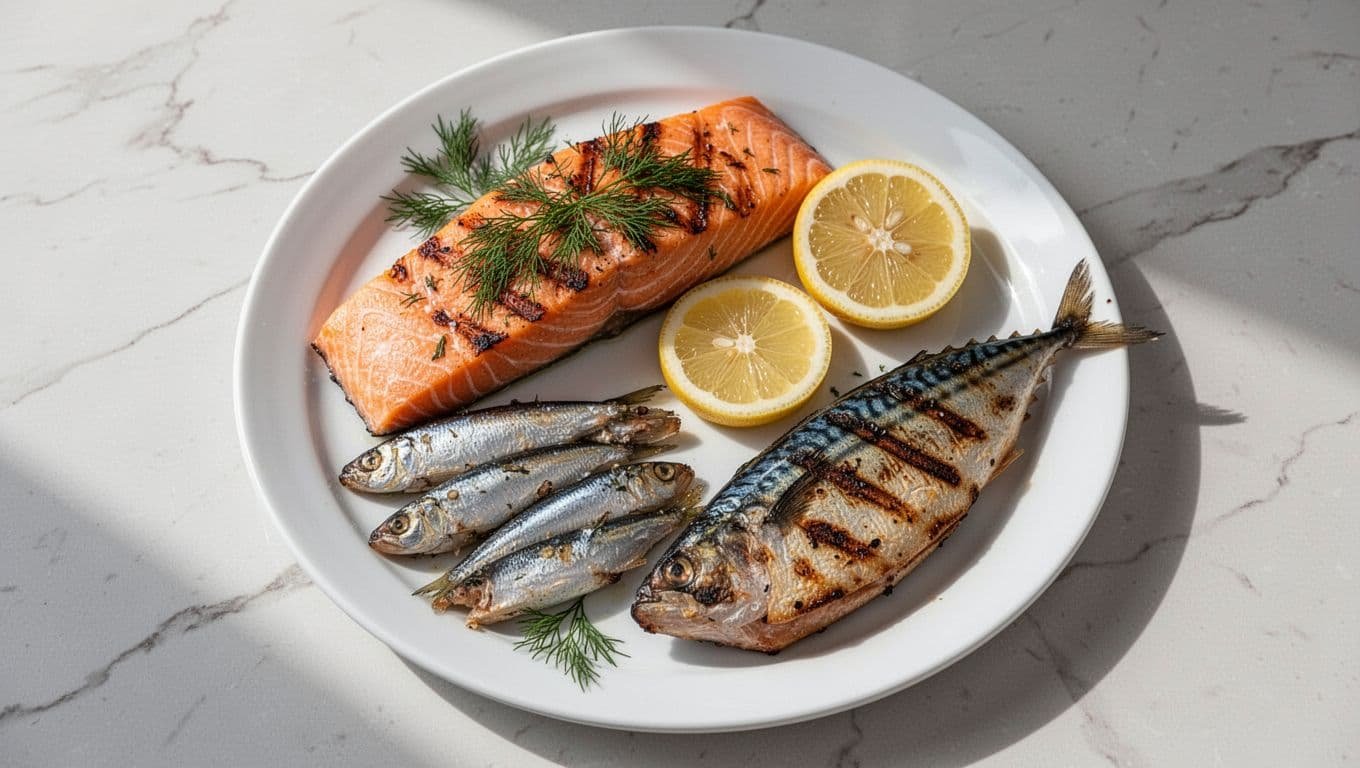
The benefit usually builds over weeks, not overnight. Put fish in a lunch bowl, fold it into tacos, or serve it with greens and roasted vegetables.
Leafy greens, broccoli, and mushrooms for a strong anti-inflammatory base
Leafy greens, broccoli, and mushrooms work well as a daily base because they fit almost any meal. Spinach, kale, and collards bring fiber and plant nutrients that support calmer immune signals, while broccoli adds sulforaphane, a compound tied to the body’s own defense system.
Mushrooms bring their own edge too, thanks to beta-glucans and other helpful compounds. These foods are easy to tuck into lunches, dinners, and grain bowls without changing the whole meal.
A large broccoli-family cohort study linked broccoli group foods with lower inflammation and lower mortality odds, which makes this family worth eating often.
The easiest approach is simple:
- Add a handful of greens to eggs or wraps.
- Steam broccoli and serve it with dinner.
- Sauté mushrooms for bowls, pasta, or toast.
When these foods become the base, the rest of the meal gets easier to improve.
Turmeric, olive oil, green tea, peppers, and dark chocolate as easy add-ons
These foods are useful because they fit into meals you already make. They do not need a full recipe makeover, just small swaps that add more anti-inflammatory support.
- Turmeric brings curcumin, a plant compound that helps calm inflammatory pathways. Stir it into soups, rice, eggs, or warm milk, and add black pepper when you can.
- Extra virgin olive oil contains oleocanthal, a natural compound tied to a peppery bite and anti-inflammatory effects. Use it on salads, roasted vegetables, or beans.
- Green tea offers catechins, which are plant antioxidants that help lower oxidative stress. One or two cups a day is an easy habit.
- Peppers give you vitamin C and quercetin, both linked to lower inflammation support. Eat them raw with hummus, roast them, or toss them into stir-fries.
- Dark chocolate contains flavonols, which are plant compounds that can support blood flow and help calm stress on the body. Choose a small square or two of higher-cacao chocolate.
These are best as repeat habits, not one-time fixes. A little bit most days works better than a lot once in a while.
Tomatoes and avocados for everyday meals that help
Tomatoes are a smart anti-inflammatory food, especially when they are cooked. Heat makes lycopene easier for your body to absorb, so tomato sauce, roasted tomatoes, and soup often give you more benefit than raw slices alone.
Avocados bring healthy fats plus plant compounds that help your body use carotenoids and other nutrients well. That makes them a strong partner for tomatoes, greens, and beans.
The easiest ways to use them are also the most normal:
- Add tomato sauce to pasta, beans, or grain bowls.
- Put avocado on toast with eggs or tomato slices.
- Toss both into salads with leafy greens.
- Stir them into wraps, burrito bowls, or simple lunches.
When you pair these foods with olive oil, greens, or fish, you get meals that work harder without much extra effort.
How to eat these foods in a way that actually helps
The best anti-inflammatory foods work when you use them in simple, repeatable ways. A bowl of berries, a salmon dinner, or a salad with olive oil matters more when it shows up often, not just once.
Pairing also helps. Olive oil improves the way your body uses some plant nutrients, black pepper helps turmeric absorb better, and yogurt gives berries a more balanced landing. If you want a good reference for quick pairings, easy anti-inflammatory meal ideas show how basic ingredients come together fast.
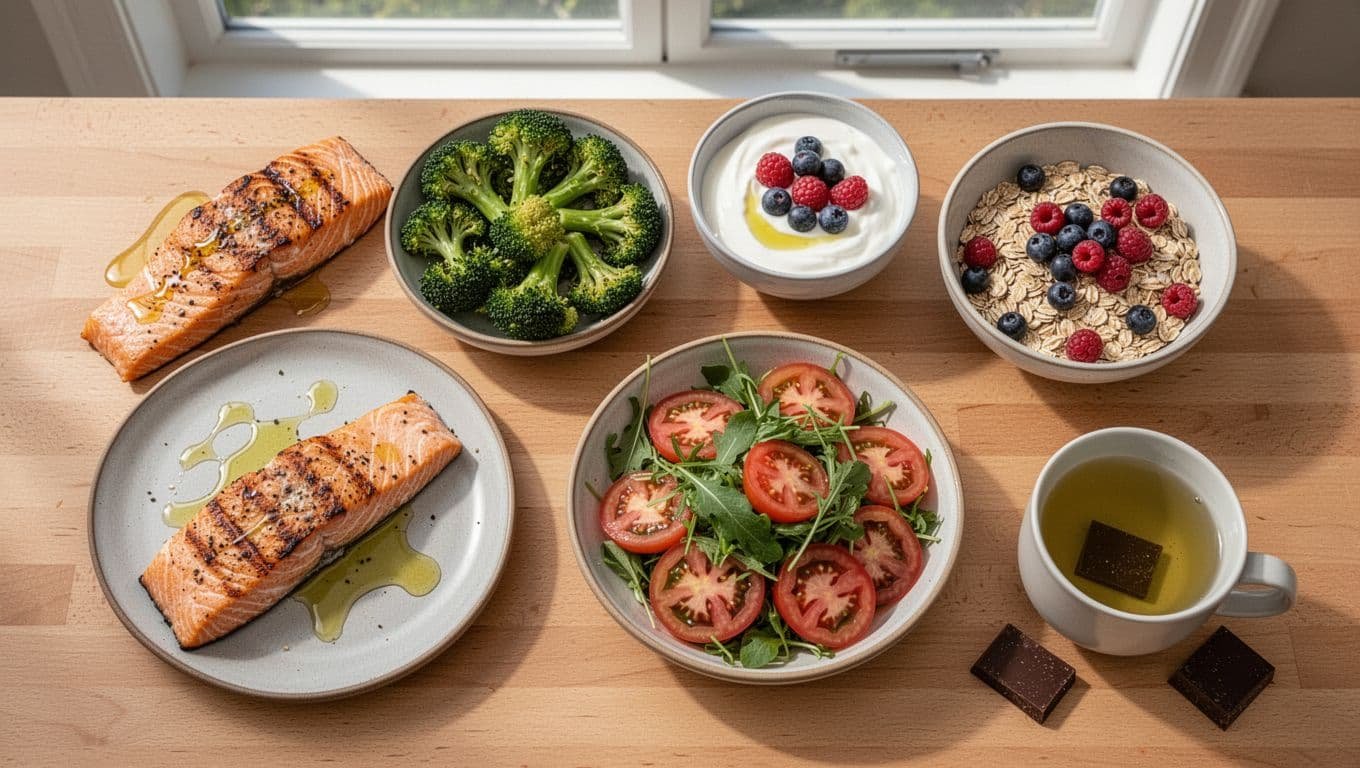
A simple routine works better than a perfect plan. Build each day around one protein, one or two colorful plants, and one healthy fat, then repeat that pattern in meals you already like.
Easy meal combinations that lower inflammation without much prep
Some of the strongest combinations are also the easiest. A piece of salmon with broccoli and olive oil needs little more than salt, pepper, and heat. Yogurt with berries takes seconds, and oats with berries can carry you through a busy morning.
You can also keep it even simpler:
- Salmon + broccoli with olive oil and lemon
- Plain yogurt + berries with chia or walnuts
- Oats + berries with cinnamon or flaxseed
- Tomato salad + olive oil with cucumber or greens
- Green tea + a small piece of dark chocolate as a steady snack
These meals work because they pair fiber, healthy fats, and antioxidants in the same plate. That mix helps your body absorb more of the good stuff and keeps meals more satisfying. For readers who want more breakfast-friendly options, healthy anti-inflammatory breakfast ideas fit this same pattern well.
A helpful rule is to add one support food to every main food. Put olive oil on vegetables. Add black pepper to turmeric. Pair berries with yogurt or oats. Those small pairings add up fast.
Best serving sizes for steady results
The goal is not to overload every plate. It’s to eat enough of these foods often enough that the habit sticks. A few clear portions make that much easier.
| Food | Practical serving | Simple way to use it |
|---|---|---|
| Berries | 1/2 to 1 cup | Add to yogurt, oats, or a snack bowl |
| Salmon or other fatty fish | 3 to 4 ounces | Use for lunch or dinner, 2 to 3 times a week |
| Broccoli or similar vegetables | About 1 cup | Steam, roast, or toss into bowls |
| Leafy greens | 1 to 2 cups | Build salads, wraps, or side dishes |
| Olive oil | 1 to 2 tablespoons | Drizzle on vegetables, salads, or beans |
| Turmeric | 1/2 to 1 teaspoon | Stir into eggs, soup, rice, or oats |
| Green tea | 1 cup | Drink with breakfast or a snack |
| Dark chocolate | 1 small piece | Keep it as an occasional add-on |
A plate does not need to be perfect to help. If you get one serving of fruit, one serving of vegetables, and one healthy fat most days, you’re already doing the basics well. On some days, a second serving of greens or berries is an easy bonus.
What to eat less often if inflammation is the goal
Adding the right foods works better when you cut back on the worst ones. Ultra-processed snacks, sugary drinks, excess refined carbs, and deep-fried foods can push your meals in the wrong direction. They crowd out the foods that help you feel better.
That does not mean you need a strict ban list. It means you should make room for better swaps. Choose sparkling water or tea instead of soda, fruit instead of candy, and roasted potatoes instead of fries when you can.
Small changes matter more than all-or-nothing rules:
- Swap chips for nuts, fruit, or yogurt more often.
- Choose whole grains over white bread when possible.
- Keep fried foods as an occasional treat, not a daily habit.
- Watch added sugar in drinks, sauces, and packaged snacks.
The bigger win is balance. If your meals mostly look like salmon, berries, greens, yogurt, oats, tomatoes, olive oil, and spices, then the less-helpful foods lose their grip. That’s how the list turns into a routine you can actually live with.
Who may notice benefits faster, and when to get medical advice
Some people feel the shift sooner than others. If your diet has been heavy in processed food, your sleep has been poor, or stress has been high, the first wins may show up as less bloating, steadier energy, or fewer cravings. Sore joints and morning stiffness can also ease faster when you add fish, berries, greens, and olive oil on a regular basis.
People who already eat fairly well may still benefit, but the changes can be slower and harder to notice. A simple journal can help, and blood tests such as CRP give a clearer picture over time.
Signs your anti-inflammatory changes may be working
The earliest changes are often practical, not dramatic. You may feel lighter after meals, recover better after workouts, or wake up with less stiffness in your hands, knees, or back. Some people also notice fewer sugar cravings, steadier energy, or a calmer stomach.

A few common signs are worth watching:
- Less bloating after meals
- Better energy during the day
- Fewer cravings for sweets or salty snacks
- Improved workout recovery
- Less morning stiffness
A Cleveland Clinic guide to anti-inflammatory eating notes that some people notice symptom relief within a few weeks after changing what they eat. That timeline is common, but it depends on the person. For readers dealing with stress-heavy routines, foods that help lower cortisol can also support the same shift.
Small changes often show up first in how your body feels after meals, after sleep, and after exercise.
When symptoms should not be ignored
Food can support recovery, but it doesn’t replace medical care. Get medical advice if you have severe pain, swelling, fever, chest pain, or symptoms that keep getting worse.
Ongoing digestive issues, unexplained fatigue, or joint symptoms that stick around also deserve attention, especially if you have an autoimmune condition or suspect one. Chronic inflammation can show up as joint pain, stomach problems, fatigue, and brain fog, so don’t brush off symptoms that keep repeating.
If the problem has lasted more than a couple of weeks, or it feels out of proportion to what you’ve been eating, talk with a doctor. That is the right next step when your body keeps sending the same signal.
Conclusion
The fastest anti-inflammatory results usually come from steady habits, not a single superfood. Berries, fatty fish, leafy greens, olive oil, turmeric, and the other foods in this list work best when they show up often on your plate.
That is the real takeaway from the opening idea here, small food choices can calm the body, but repetition gives them power. If you want a simple place to start, pick one or two foods you already like, then build them into meals this week.
A bowl of berries, a salmon dinner, or a salad with olive oil is a good start. Keep it simple, keep it repeatable, and let the pattern do the work.
Save pin for later

- Healthy Air Fryer Recipes for Beginners - 21/09/2026
- Healthy Snacks for Late Night Cravings - 21/09/2026
- High Protein Meal Prep Ideas for Easy Weekly Meals - 21/09/2026

