You know that feeling when date nights turn into Netflix marathons, and your partner’s touch feels more like habit than heat? Picture Sarah and Mike, together five years. They share chores and bills, but deep talks faded, passion cooled, and she wonders if this is all there is.
Settling happens when you stay because it’s comfortable, not because your needs for real love, passion, and growth get met. Fear of being alone or just getting used to the routine keeps you there. It sneaks up on couples every day.
Spotting these signs you are settling in a relationship early changes everything. You avoid wasting years in quiet unhappiness and open doors to true fulfillment. In the 2026 dating recession, 55% of young adults grow reluctant after breakups, trapping them in “good enough” matches, as recent insights show.
Psychologist Moe Ari Brown notes, “When there’s a disconnect between how we think we should act and how we actually want to act, it can lead to really unfulfilling dates.” Key signs from experts include emotional distance after opening up (52% of Gen Z feel shame), no growth after setbacks, and picking stability over spark. We’ll cover them next, with tips from signs of true love that contrast the real thing.
Recognize these, and you gain power to choose better. Keep reading to see if your relationship needs a wake-up or a walk away.
You Feel Numb or Bored Around Them Most Days
You spend time with your partner, yet it feels flat. Days blend into routines without any real joy. Therapists call this indifference a major red flag. It creeps in when you go through the motions, like sharing a meal but checking your phone instead. Date nights drag on; you pick at food and watch the clock. Conversations fizzle after small talk about work or weather. In healthy relationships, moments buzz with excitement or warmth. You laugh easily, share glances that spark something. Here, everything just passes time.
Psychology Today pieces highlight how emotional numbness signals a quiet checkout. You stop craving their company. Resentment builds under the surface, or stress numbs deeper feelings. Recent therapist insights agree: this boredom warns of settling for comfort over connection. Ask yourself, Do shared moments excite you or just pass time? If it’s the latter most days, pay attention.
Spot the pattern with simple tips. Notice your energy after hanging out. Do you feel lighter or drained? Journal quick notes right after: “Felt bored during dinner” or “No real talk.” Over a week, patterns emerge. Healthy pairs mix in novelty; settled ones stick to the same old script.

Try fun things to do with your boyfriend when bored to test the waters. If even fresh ideas fall flat, it points deeper.
There’s No Spark or Real Attraction Left
The pull fades first. You once lit up at their touch; now you force hugs or skip them altogether. Intimacy becomes a chore. You talk yourself into desire, yet it rings hollow. Compare it to exes who stirred real heat, and guilt follows. Therapists from Parade.com stress spark sustains bonds. Without it, resentment grows. Physical distance widens; you sleep far apart or avoid cuddles.
This erosion happens slowly. Early passion dims if unmet needs linger. One partner checks out emotionally, then physically. Soon, sex drops or feels mechanical. Reflect honestly: When did you last feel drawn to them without effort? Crave their scent or laugh? If months pass without that tug, you’re likely settling. Nurture it with small risks, like flirty notes. But if forcing fails, own the truth. Staying numbs your spirit over time.
Deep Conversations Feel Too Risky or Absent
Surface chats dominate. You discuss groceries or TV shows, but dodge real feelings. Vulnerability scares you both. Experts note this stems from fear of true closeness. Past hurts make opening up risky; you fear judgment or rejection. Instead, sex fills the gap, a quick stand-in for emotional ties.
Picture this: They ask about your tough day. You brush it off with “I’m fine.” Traumas stay buried; dreams go unspoken. Over time, you drift into roommates. Psychology Today warns it signals emotional walls. Healthy pairs share fears and joys regularly. Test it: Share a worry tonight. If it feels unsafe or ignored, that’s the sign.
Break the cycle gently. Start small, like “I felt overlooked today.” Their response reveals much. If chats stay shallow despite tries, settling might keep you stuck. You deserve talks that feed your soul.
You’re Constantly Hiding the Real Story from Friends
You chat with friends about your relationship, but you keep the messy parts tucked away. Instead of sharing frustrations or doubts, you say “it’s fine” or give vague updates like “We’re good, just busy.” This dodging signals deeper shame, as psychologists note it often hides unmet needs or quiet unhappiness. You change the subject when talk turns personal, fearing judgment or pity. Meanwhile, couples in healthy bonds share ups and downs proudly; they boast about growth or laugh off small bumps.
Friends spot what you miss. They notice your forced smiles or short replies about weekend plans. Their insights act as mirrors, reflecting patterns you ignore. Ask yourself: What do you avoid telling close ones? If recent fights, ignored dreams, or emotional distance stay secret, you’re likely settling. Recent studies show nearly half of people hide mental health struggles from partners, extending to friends too. This secrecy breeds isolation. Open up once; their reactions reveal truth. Healthy ties thrive on honesty, not polished stories.

You Always Put Their Needs Ahead of Yours
One-sided compromises drain you over time. You skip your painting class because they want game nights. Or you drop dreams of travel to fund their promotion. Balance vanishes; their goals rule your schedule. Therapists link this pattern to resentment buildup, as constant sacrifice erodes joy. For example, you pause grad school applications while they chase career leaps without a second thought.
This imbalance leads straight to burnout. You feel exhausted, not energized. Your hobbies fade; free time shrinks. Healthy partners alternate support, so both thrive. Check one-sided relationship signs for more clarity. If you always bend without return, resentment simmers. Pause and list recent choices. Do yours rank last? Change starts with small boundaries, like “I need this evening for me.” Ignore that voice too long, and you lose yourself entirely.
Fights Are Rare Because No One Rocks the Boat
No arguments sound peaceful, but often it’s avoidance in disguise. You both skirt tough topics to keep calm. Healthy couples disagree, then resolve with care. Zero fights signal stagnation, per relationship experts; unspoken resentments pile up instead. For instance, you resent their late nights but smile through it. They ignore your hints about more help at home.
This quiet breeds emotional numbness. Real harmony needs honest talks, not tiptoeing. See lack of communication effects to understand why silence hurts. Look for patterns of a nonchalant relationship: plans change last-minute without apology, or needs go unvoiced. Test it by raising a small issue, like “I felt overlooked last week.” If they deflect or you back down, stagnation rules. Address it now, or drift turns permanent. Friends notice this too; their nudge might wake you up.
You Fantasize About Changing Who They Are
You catch yourself daydreaming about your partner as someone else entirely. Maybe you wish they chased bigger goals, dressed sharper, or shared your drive for adventure. These thoughts nag at core traits like habits, looks, or values that clash. Therapists point out this signals a fundamental mismatch, not minor fixes. You overlook deal-breakers, like mismatched views on money or family, because change feels possible in your mind.
For example, you picture them more ambitious, leading to promotions and stability. Or you imagine kinder habits, like less screen time and more presence. Yet reality stays the same. Excuses pile up: “They’ll grow out of it” or “Core values align enough.” In truth, you resent what defines them. Healthy pairs celebrate quirks; settled ones rewrite the script.
Recent data from the 2026 State of Our Unions report shows this fantasy links to low dating resilience. Over half of young adults fear rejection after breakups, so they stay despite dread. Contrast that with thriving couples who build on real strengths.

Future Talks Drain You Instead of Inspire
Talks about marriage, kids, or long-term plans leave you bored or filled with dread. You nod along, but excitement never sparks. This signals low investment from one or both sides. In contrast, thriving pairs light up; they dream together and feel energized.
Picture suggesting a house or family timeline. Instead of ideas flowing, silence hits or sighs escape. Recent 2025 articles, like those from the Institute for Family Studies, note this predicts breakups. Low resilience after past hurts makes 55% of young adults avoid commitment, trapping them in “good enough” spots.
Check your reaction next time. Do plans inspire shared vision, or do they drain? Test with signs he will propose soon. If dread wins, it points to settling.

You Stayed Because of Fear, Not Love
Fear keeps you rooted, not deep affection. Roots run deep: dread of being alone hits hard in today’s dating recession, where options feel scarce. Or sunk time whispers you’ve invested too much to quit. Experts agree fear-based bonds lack fulfillment.
Ask yourself: Would I choose them again today? If no, that’s the clue. Therapists from Verywell Mind stress this self-check reveals truth. Meanwhile, love grows from choice, not chains.
In addition, 2026 polls show 59% of single men fear rejection, pushing many to settle. Break free by listing pros and cons honestly. If fear tops the list, real love waits elsewhere. You deserve a yes from your heart, every day.
Your Gut Knows It’s Time for a Change
Your body often speaks first. That nagging discomfort, the tightness in your chest during quiet moments, signals deeper truths. You’ve noticed the boredom, the secrets from friends, the fantasies of a different partner. These aren’t random; they’re your gut’s wake-up call. It whispers that comfort replaced connection. In contrast, healthy relationships weather ups and downs with mutual effort and growth. Settling lingers as a steady drain, unmatched by progress.

Ignore it, and costs mount. Chronic unhappiness seeps in; you question your worth daily. Resentment festers, eroding self-trust. Therapists warn this path leads to emotional numbness or self-erasure, as one partner bends endlessly while the other coasts. Recent insights from Psychology Today highlight how pushing change on unwilling partners backfires, widening the gap.
Act now with simple steps. Start honest self-talk: Journal one pro and con daily. Does love outweigh fear? Set boundaries gently, like claiming solo time weekly. If patterns persist, therapy clarifies paths forward; couples work best when both commit to growth. Check signs you’re walking on eggshells to spot avoidance fueling your unease.
Your gut urges change for fulfillment, not perfection. Next, we’ll map clear actions to reclaim your spark.
Conclusion
You spot boredom around your partner, missing spark, shallow talks, and that gut pull for change. These signs you are settling in a relationship add up fast. Most of all, they show comfort stole your joy.
Spot them now, and you free yourself for real connection. Journal the patterns you see. Talk to a trusted friend or therapist. If many match, consider if a break opens better doors.
True relationships spark daily joy and shared growth. You deserve that fire, not faded routines. Reflect on your story today. Share one sign you noticed in the comments below.
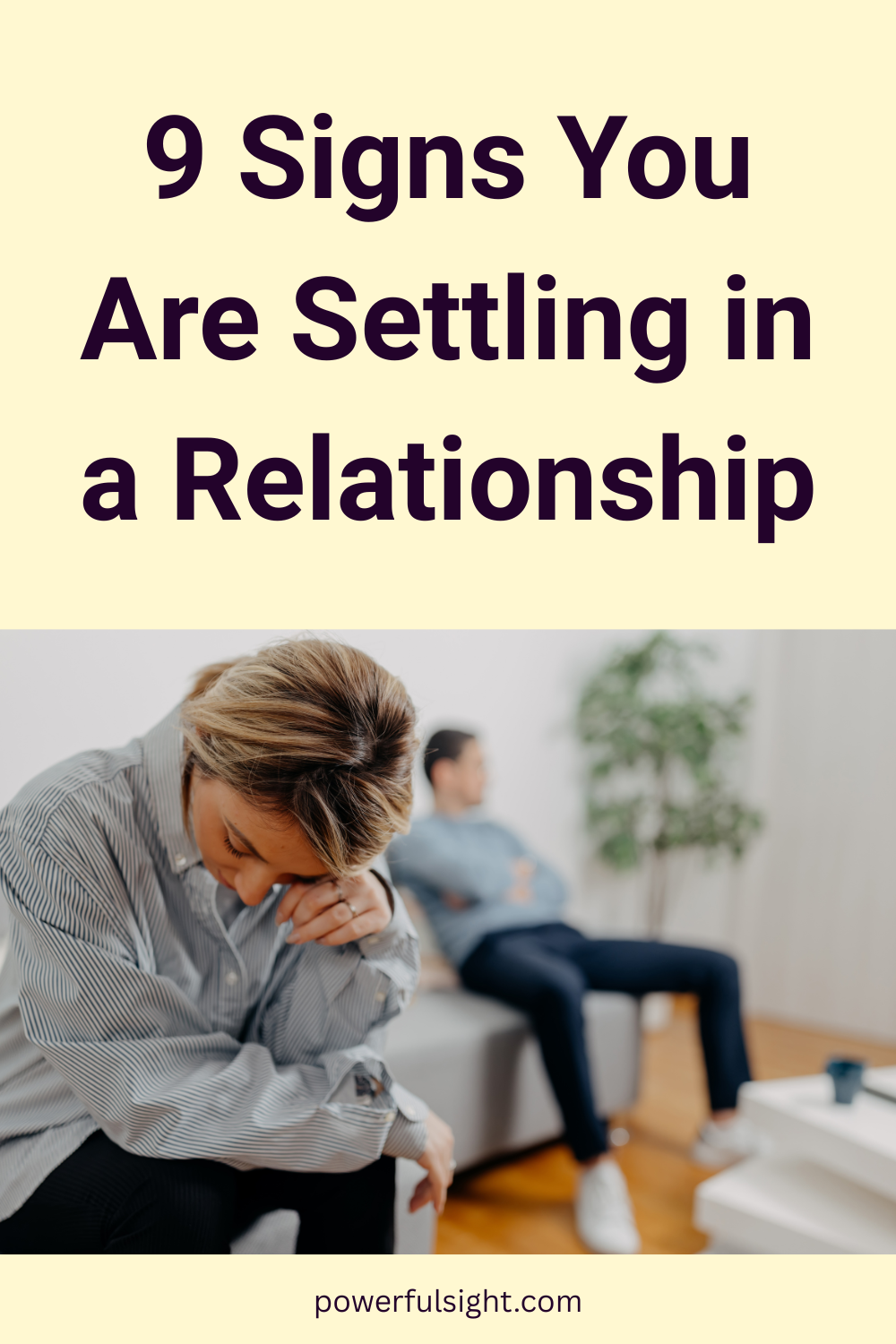
Save the pin for later

- 60 Color Tattoos That Healed Beautifully - 25/09/2026
- 40 Most Painful Tattoo Spots - 24/09/2026
- 20 Tattoo Aftercare Mistakes That Ruin Fresh Ink - 23/09/2026

