Picture this: you wrap up a regular day, but you’re drained, not from work or chores, from all the chats and catch-ups. In our always-on 2026 world, back-to-back texts, calls, and meetups pile up fast. They push you toward emotional overload and burnout, just like experts at Healthline, WebMD, and UChicago Medicine warn.
These nine signs split into emotional, physical, and behavioral clues. Spot them early, and you recharge quicker, dodge deeper problems like depression, and get your energy back. Ever feel snappy after a group hangout or skip plans because people sound exhausting?
Watch Laurie Santos on burnout signs for a quick take. Check high stress signs here if social drain rings a bell. Let’s spot those red flags now, starting with the emotional ones.
Why Social Overload Makes You Want to Hide Away
Constant chats, calls, and meetups drain your mental battery faster than you think. Your brain handles only so much input before it screams for quiet. Social overload hits when people interactions overwhelm your senses, leaving you numb or desperate to hide.
Chronic stress tops the list. It shrinks your tolerance for noise and emotions, so even fun group texts feel heavy. Too much screen time worsens this; endless scrolls amp anxiety and rumination, as WebMD explains. Grief floods you with raw feelings that make small talk exhausting. Anxiety adds fear of judgment, pushing you to safe spots like home.
This differs from normal tiredness. You recover from a long day with sleep. Overload signals burnout: your body stays wired, sleep suffers (UChicago Medicine notes poor rest from stress overload). Hiding feels like relief, a quick coping tool. Yet it backfires. Isolation spikes stress hormones, raising heart disease risk by 25% or more, stroke, and dementia, per the American Medical Association.

Picture ending a lively group chat feeling blank, like your emotions shut off. That’s your mind protecting itself. Ignore it, and problems grow. Your body and mind send clear clues first. Spot them to recharge before it’s too late.
Emotional Signs Your Interactions Feel Too Much
Your emotions often whisper first when social overload builds. Irritability creeps in, joy fades, and dread takes over. These feelings signal your mind craves space to reset. You feel them deeply because constant interactions tax your inner world. Spot them now, and you avoid bigger strain.

Snapping at People Over Tiny Things
Irritability surges as a top burnout flag. Stress piles up from back-to-back talks, and your fuse shortens. Healthline notes mood swings like this stem from overload; Wellin5 links them to emotional wear.
Think of Sarah. She yelled at a friend’s late text reply after a full day of calls. Or picture snapping at family over dinner chit-chat that dragged on. Too many interactions spark this short temper. Small talks leave you fuming instead of relaxed.
Ask yourself: Do minor conversations make you angry? That’s your cue. A break creates distance, calms those triggers. WebMD warns ignoring it traps you in depression cycles. Step back to breathe easy. For quick recovery steps from emotional burnout, try simple resets.
Joy from Fun Stuff Has Vanished
You lose spark for what once lit you up. Anhedonia, or dulled pleasure, marks burnout and depression, per Healthline and Wellin5. Social drain saps energy from joys because people pull so much from you.
Remember Mike? He skipped guitar nights, his favorite escape. Hangouts with buddies now bored him flat. Overload crowds out hobbies; friends feel like chores.
What excited you last month feels empty now? Everyone’s demands steal your fun. A short break restores that inner light. You reclaim time for solo pursuits. Stories like these show rest reignites motivation. Push through, and numbness sticks around.
Dreading Even Quick Chats with Others
Anxiety knots your stomach before a simple call. Dread hits hard in overload, as Choosing Therapy explains on social fatigue. Your mind craves alone time for safety.
Take Lisa. She got queasy over coffee invites, skipped meetups to dodge the buzz. Heart races at texts? That’s common; data shows isolation urges protect your energy.
Assess it: Does an invite spike your pulse? Yes means pull back. A brief pause eases the fear, rebuilds comfort. You return fresher, chats lighter. You’re not broken; your system just needs quiet. Give yourself that grace.
Physical Signs Your Body Wants No More People Time
Your body sends strong signals when social overload ramps up. High stress weakens immunity, as UChicago Medicine reports, because cortisol floods your system and slows healing. You catch more bugs and feel run down. These clues mean it’s time to step back from people.
Fatigue That Rest Can’t Shake Off
You sleep eight hours but wake up drained. Coffee kicks in less, and you drag through meetings or errands. Healthline lists this unshakable tiredness as a key overstimulation sign; your body hits its overload limit from constant talks and texts.
People drain your reserves fast. Interactions keep adrenaline pumping, so rest never fully recharges you. YouTube videos on burnout flags show folks nodding off mid-day after group hangs. Feel wiped out all the time? That’s your cue. A people break lets energy rebuild, so you bounce back stronger.
Sleep Thrown Into Chaos Night After Night
Your sleep patterns flip. Insomnia keeps you up, or you oversleep yet feel groggy. UChicago Medicine ties this to stress overload; Healthline adds that overstimulation races your mind with replayed chats.
You scroll till dawn to dodge swirling thoughts from the day’s calls. Or you crash hard but wake unrefreshed, body aching. Social buzz lingers, blocking deep rest. Notice tossing and turning lately? Solo time resets your rhythm. Quiet nights alone calm the chaos, so sleep heals you.
Picking Up Every Cold and Ache Around
Colds hit you back-to-back, plus headaches linger after meetups. Stress tanks immunity, per UChicago Medicine and the American Medical Association; PMC studies link chronic overload to inflammation and slow recovery.
Sniffles follow parties, or stomach aches drag on post-dinner. Social drain starts the drop, though isolation worsens it later. Sicker than usual? Your defenses need a boost. Step away from crowds. A break strengthens your immune fight, cuts those nagging pains.
Behavioral Signs You’re Pulling Back Too Far
Social fatigue changes your habits fast. You dodge calls and texts, lose focus in chats, and skip meals or binge snacks. These moves signal overload. They protect your energy short-term. Spot them, and take that break before isolation digs in.
Dodging Calls, Texts, and Hangouts on Purpose
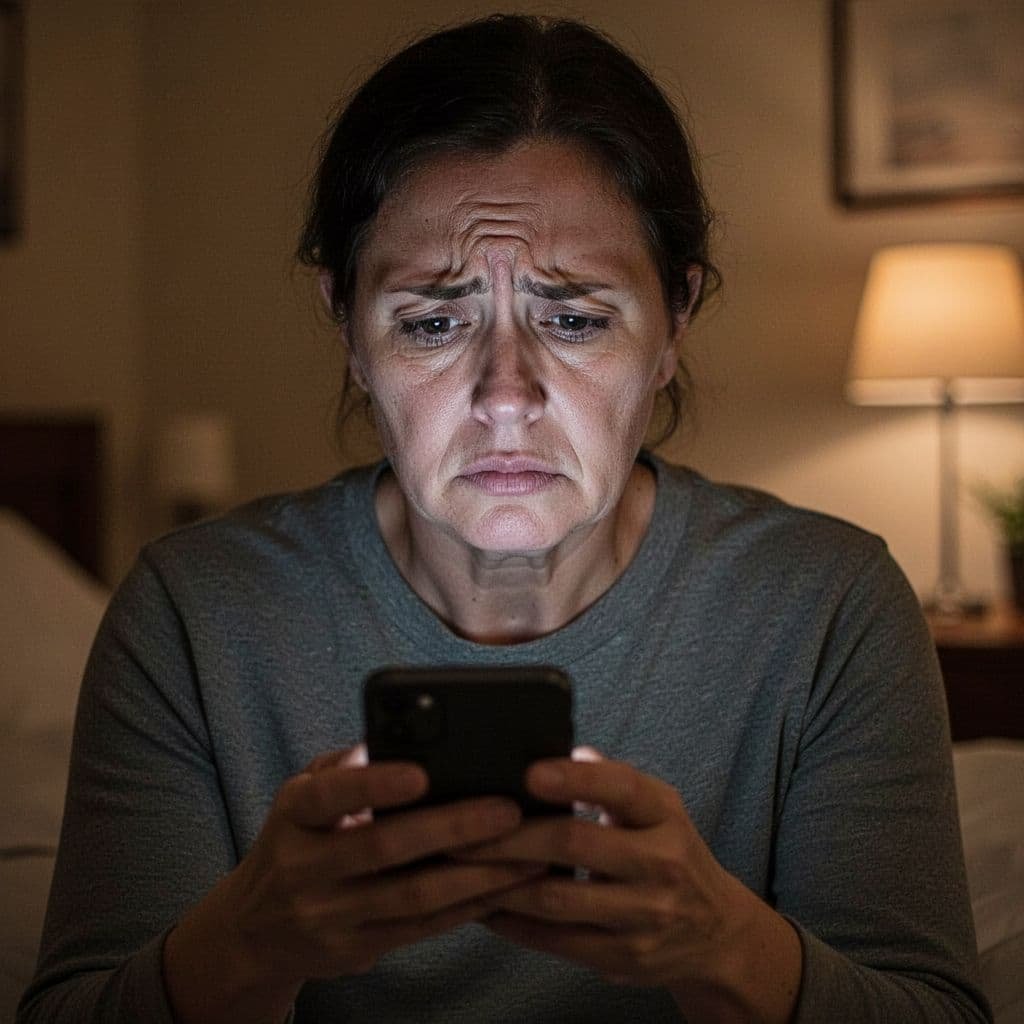
You ignore pings on purpose. Friends text, but you leave them unread. Or you make excuses like “busy tonight” for every invite. Choosing Therapy calls this purposeful withdrawal a classic social fatigue sign. WebMD lists it as a top burnout and depression marker too.
Ghosting buddies feels easier. Hangouts sound draining after nonstop chats. Alone time seems safer; no demands pull at you. Realtime data from therapy sites backs this: avoiding events tops behavioral clues.
Skipped plans lately? That pullback balances your load. Step away now. It stops the cycle before depression sets in. Check signs of emotional exhaustion for more clues.
Brain Fog Stopping You from Thinking Straight
Your thoughts scatter mid-conversation. You forget what someone just said. Decisions stall; simple choices feel huge. UChicago Medicine ties this fog to overload. Too much social input fries focus, Wellin5 adds.
Tasks pile up because chats overload your brain. You zone out during calls, miss details. Realtime insights show withdrawal links to poor concentration.
Social buzz equals constant noise. No wonder thinking hurts. Need a reset? Pull back from people. Quiet clears the haze so you sharpen up again.
Eating Habits Going Haywire Suddenly
Appetite flips without warning. You skip dinner after group texts, no hunger left. Or you binge junk alone at night. Healthline notes these shifts in burnout. UChicago links stress to meal chaos.
Post-social drain kills appetite; emotions trigger solo binges. Realtime data flags this as overload fallout.
Meals off track? Stress messes with hunger signals. A break stabilizes eating. You eat normal again, energy evens out.
How to Take a Smart Break and Come Back Stronger
You spot those signs from emotional snaps, body fatigue, or dodging texts. Good. Now grab a smart break to recharge fast. Short solo time works wonders, like naps or walks from Wellin5 tips. You come back sharper, ready for real talks. Plan it right, and you build better boundaries long-term.

Follow these seven steps for quick wins. Each one pulls from real recovery plans.
- Pick a short length first. Start with one or two days. Block it on your calendar. Tell close friends, “I need quiet time to reset.” This sets clear expectations, so guilt fades.
- Say no simply. Use phrases like “Can’t make it this time” or “Need a recharge weekend.” Skip big groups. You save energy for what excites you, as Off the Mrkt suggests for healthy pauses.
- Schedule solo fun. Take walks, read, or nap 20 minutes. Hobbies like puzzles fill the gap. These restore your spark without people drain.
- Kill notifications. Silence your phone. Use timers for apps, max 10 minutes a day. Quiet cuts the buzz, lets your mind settle.
- Fix basics daily. Sleep seven to nine hours. Eat protein and veggies. Walk lightly 20 minutes. Strong food and rest speed recovery.
- Breathe quick resets. Do five minutes deep breathing every few hours. Sip tea or stretch. It calms stress fast, clears fog.
- Reconnect slow. After the break, send one text to a trusted friend. Add plans gradually, one per week. Check energy weekly.
These steps empower you. Most feel better in days. Yet if three or more signs last weeks, or dark thoughts hit, call 988 or see a doctor right away, per WebMD. For boundary ideas, see signs you need better boundaries. You got this; stronger connections wait.
Conclusion
Those nine signs split across emotional snaps, physical fatigue, and behavioral pullbacks all point to one truth. Your mind and body crave a reset from constant people time. Spot them early, and you dodge burnout or worse.
Self-care starts with that smart break we covered. It rebuilds your energy, sharpens focus, and brings back joy in simple chats. Act now because ignoring the clues leads to deeper drain, but listening protects your peace.
Which sign hit home for you? Share in the comments below, and subscribe for more mental health tips.
Your peace awaits. Take that break today.
Save pin for later

- 60 Color Tattoos That Healed Beautifully - 25/09/2026
- 40 Most Painful Tattoo Spots - 24/09/2026
- 20 Tattoo Aftercare Mistakes That Ruin Fresh Ink - 23/09/2026

