Growing bodies need constant fuel to keep up with the demands of learning, playing, and developing each day. When you provide nutritious snacks, you aren’t just filling their stomachs; you are helping them stay focused in the classroom and energized on the playground.
It can be difficult for busy parents to find quick, wholesome options that kids actually enjoy eating. By teaching kids the value of balanced nutrition, you set the foundation for lifelong habits that prioritize physical and mental well-being.
Focusing on snacks rich in protein, fiber, and healthy fats helps prevent those mid-day energy crashes that often lead to irritability or distraction. These nutritious snack ideas to fuel kids ensure your child has the steady energy required to reach their full potential throughout the school day.
The Science Behind Smart Snacking
Think of your child’s body like a battery-powered toy. Simple carbohydrates, such as sugary crackers or juice, act like a massive energy surge. They provide a quick flash of power, but they drain the battery just as fast, leading to the dreaded mid-afternoon crash. This drop often manifests as irritability, lack of focus, or exhaustion. By choosing the right fuel, you keep their internal battery running at a steady, consistent level throughout the day.
Combining Food Groups for Lasting Energy
To avoid these energy dips, pair a fiber-rich fruit or vegetable with a source of protein or a whole grain. Fiber acts like a gatekeeper; it slows down the digestion of sugars so they enter the bloodstream gradually rather than all at once. Protein works similarly by providing sustained satiety, which keeps your child feeling full and alert longer. For a deeper understanding of how these nutrients impact the body, you can look into Harvard’s insights on carbohydrates and blood sugar.
Try these simple pairings to keep energy levels stable:
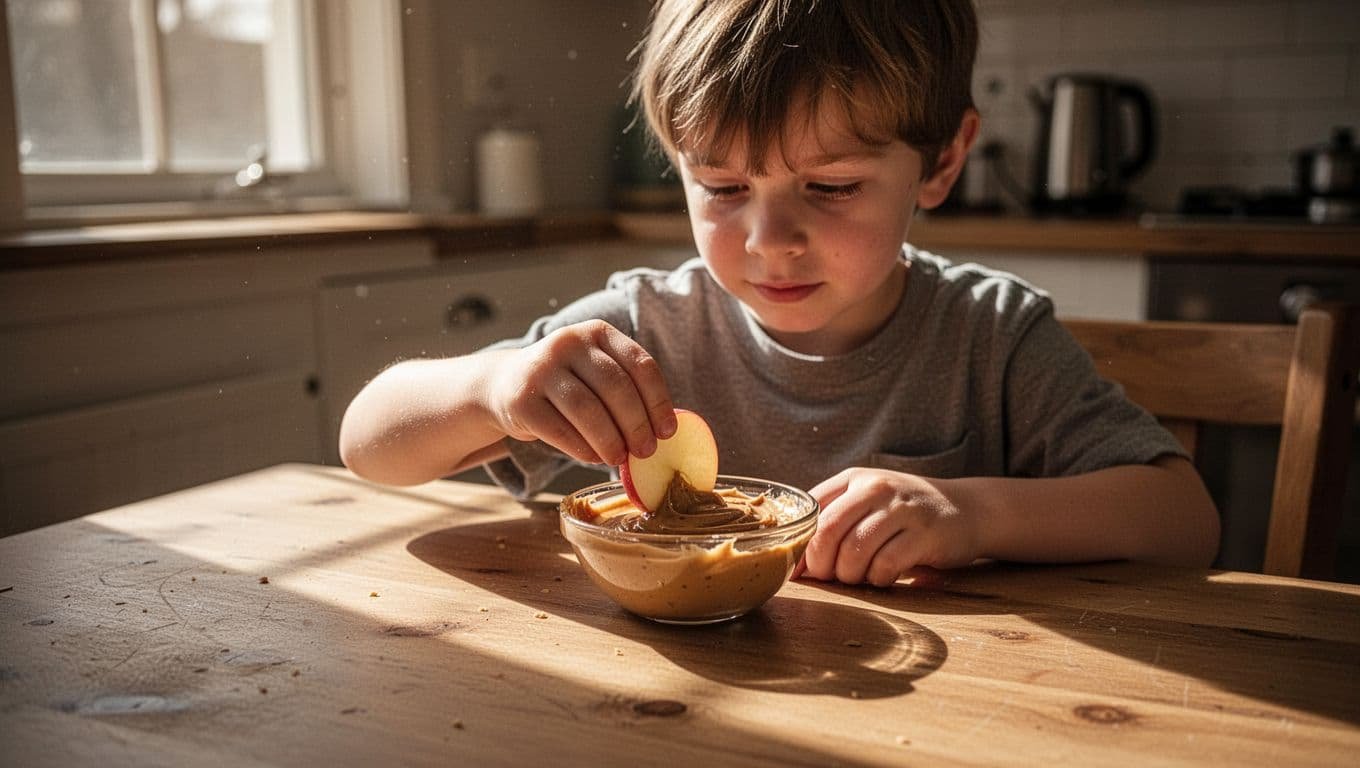
- Apple slices with peanut butter: The fruit provides fiber, while the nut butter offers protein and healthy fats.
- Cheese with whole-grain crackers: This combination balances carbohydrates with protein for better blood sugar control.
- Vegetable sticks with hummus: Carrots or bell peppers bring crunch and fiber, while chickpeas supply the protein.
- Greek yogurt with berries: This duo delivers probiotics, fiber, and protein in one bowl.
Establishing Good Eating Habits Early
Modeling healthy behavior is the most effective way to influence what your kids choose to eat. When they see you enjoying whole foods and mindful portions, they are more likely to mirror those patterns. It is also beneficial to involve them in the kitchen during prep time. Children often take pride in eating meals or snacks they helped assemble, which reduces picky eating habits. You can learn more about proven methods for raising healthy kids to support their physical growth and development.
Giving your child a sense of ownership over their choices turns nutrition into an engaging activity rather than a chore. Let them choose between two healthy options, like “Would you like carrot sticks or cucumber slices with your dip?” Small choices build confidence and help them understand what makes their bodies feel energized. Prioritizing these habits early builds a foundation for long-term health and consistent mood regulation during their most active years.
Easy Fruit and Veggie Ideas
Getting children excited about fresh produce often comes down to presentation. When fruits and vegetables look like a pile of chores on a plate, kids tend to push them away. However, transforming these healthy ingredients into something visually appealing can change their perspective entirely. Focus on vibrant colors and interesting textures to make your snacks stand out.
Creative Ways to Serve Fresh Produce
You can easily turn a standard snack time into a fun experience by changing how you serve the food. Small tweaks, like using cookie cutters to shape melon or cucumber slices into stars and hearts, create a sense of novelty that makes kids want to take a bite.
Presentation is your best tool for overcoming hesitation in picky eaters:
- Build colorful kabobs: Thread pieces of strawberries, grapes, melon, and pineapple onto blunt-edged skewers. The handheld format makes them perfect for little hands.
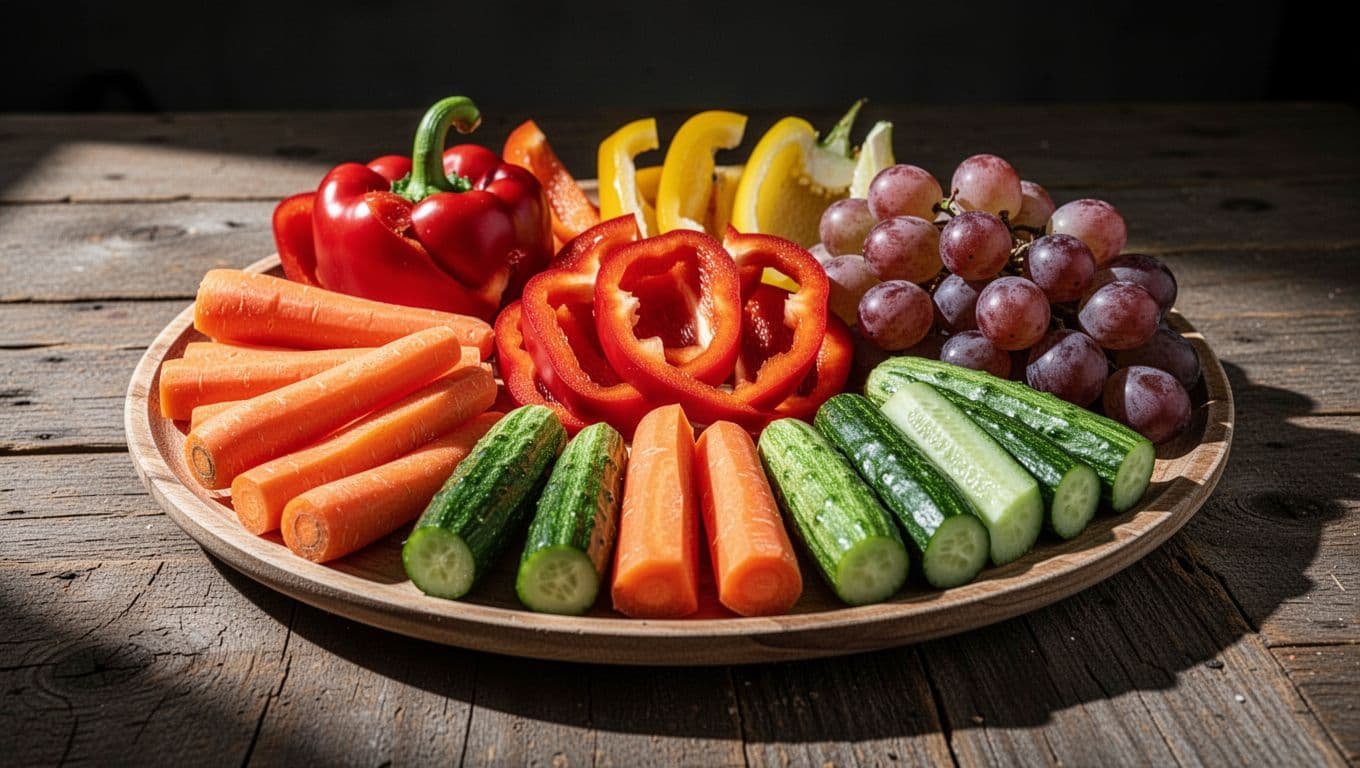
- Design a snack platter: Arrange various colors of chopped bell peppers, cucumber sticks, and cherry tomatoes in a rainbow pattern. A visually organized plate feels more inviting than a jumbled mess.
- Create food art: Arrange fruit slices to form faces or patterns, like using banana slices for eyes and an orange wedge for a smile. You might also enjoy creating creative butterfly snack ideas for kids to turn healthy eating into a hands-on activity.
Dips That Make Vegetables Disappear
Sometimes a plain carrot stick or celery stalk feels too boring for a child to get excited about. Pairing these crunchy options with a flavorful dip changes the entire experience. When you add a dip, the snack becomes an interactive activity rather than just a bite of food.
A well-chosen dip provides an extra boost of nutrition while masking the “plain” taste of some vegetables:
- Hummus: This protein-packed dip goes perfectly with crunchy veggies like bell peppers or snap peas. Its creamy texture helps soften the crunch of raw vegetables.
- Greek yogurt dressings: Mix plain Greek yogurt with herbs or a little ranch seasoning. It offers a cool, tangy contrast that kids often find more appealing than heavy, store-bought dressings.
- Nut or seed butters: Pair apple or pear slices with a dollop of almond or sunflower butter. This combination adds healthy fats and keeps them full for longer.
Choosing the right dip can turn a plain snack into a favorite, as noted in expert advice on healthy snacks for picky eaters. Experiment with different flavors until you find the ones your children enjoy most. Often, the act of dipping is enough to get them to try vegetables they usually avoid.
Protein Packed Snacks for Busy Days
When you think of kid-friendly snacks, it is easy to default to quick carbs like crackers or pretzels. However, growing bodies need more than a fleeting energy spike to keep up with school, sports, and after-school play. Protein is a foundational nutrient for kids, as it plays a key role in building and repairing muscles, bones, and skin.
Including a solid protein source in their snacks ensures they stay full and focused longer. Without enough protein, kids often feel tired or struggle to concentrate during their most active hours. By prioritizing nutritious foods that support growth, you provide the steady fuel they need for both body and mind.
Dairy and Plant Based Protein Bites
Finding portable protein options can feel like a challenge when you are rushing out the door. The best snacks are those you can grab in seconds and toss into a lunchbox or a gym bag. Dairy and plant-based bites are perfect because they require little to no preparation, making them great for healthy snacks for long-lasting energy.
Here are several protein-rich ideas that kids actually enjoy eating:
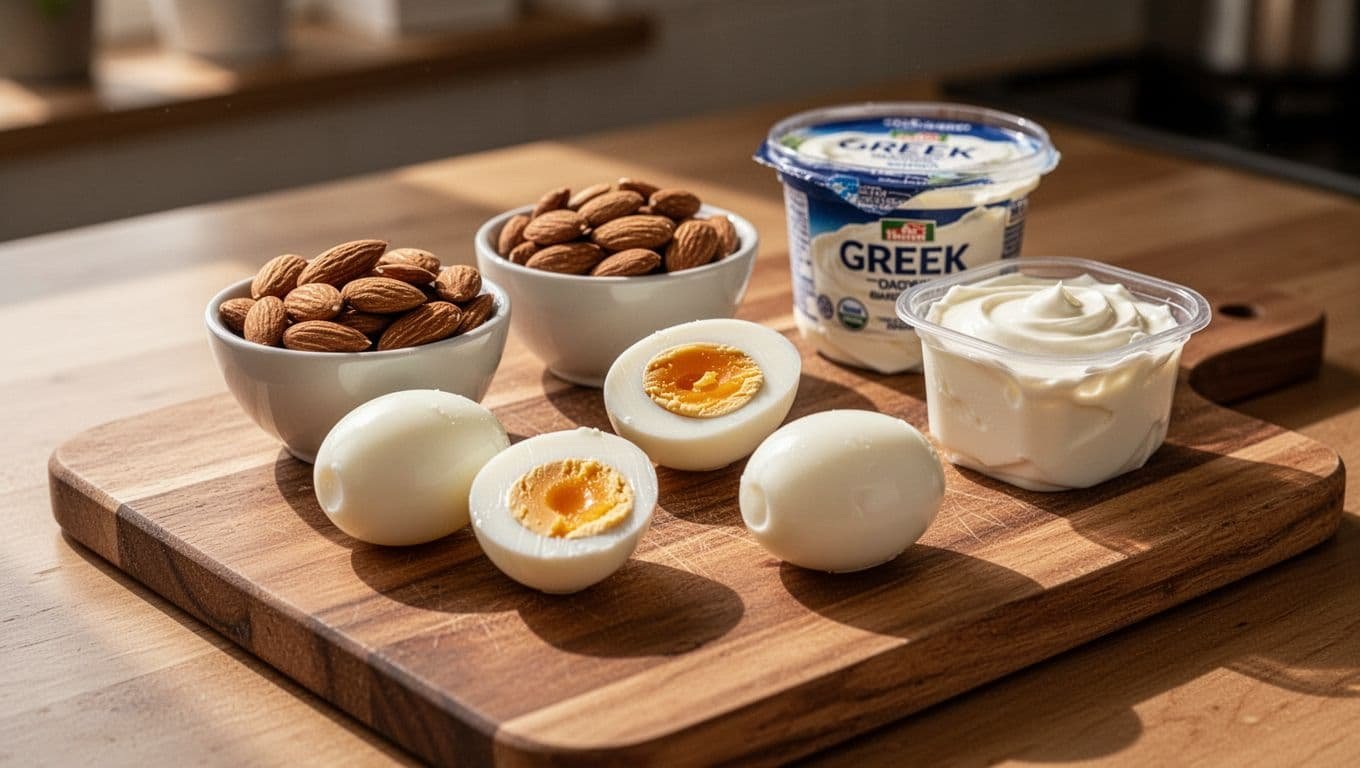
- Hard-boiled eggs: These are portable powerhouses of nutrition. You can boil a batch at the start of the week and keep them in the fridge for an easy grab-and-go option.
- Greek yogurt cups: Unlike regular yogurt, the Greek variety packs a significant amount of protein per serving. Look for plain options and add a splash of honey or fresh berries to keep sugar levels in check.
- Small servings of nuts and seeds: If your school is nut-free, sunflower seeds or roasted chickpeas are great alternatives. These offer healthy fats and protein to satisfy hunger between meals.
- String cheese or cheese cubes: Most kids find the texture and format of cheese fun to eat. It is a simple way to add calcium and protein without much effort.
- Edamame: Young beans in the pod are often a hit with kids who like to “work” for their snack. They are high in plant protein and very easy to pack in a small container.
Pairing these protein sources with a piece of fruit or a vegetable stick adds fiber, which helps your child maintain even energy levels throughout the afternoon. If you are trying to help your child start the day right, these snacks also work well to supplement energizing daily habits for kids. By keeping a few of these staples on hand, you ensure your child always has a healthy, filling option available when hunger hits.
Crunchy Whole Grains Kids Actually Enjoy
Most kids crave a satisfying crunch when they reach for a snack. While processed chips are often the default choice, they usually provide empty calories that leave your child hungry again in an hour. Choosing whole-grain alternatives provides the same satisfying texture while delivering essential fiber, B vitamins, and minerals that keep kids energized and focused.
Why Choose Whole Grains Over Processed Chips
Processed snacks are engineered to taste good but lack the substance growing bodies need. They break down rapidly in the stomach, causing quick energy spikes followed by noticeable crashes. Whole grains, in contrast, contain complex carbohydrates that digest slowly. This process provides a steady stream of fuel for your child’s brain and muscles, helping them maintain their mood and concentration throughout the school day.
In addition to lasting energy, whole grains support digestive health. Fiber, which is removed during the processing of white flour, stays intact in whole-grain options. This helps keep your child regular and supports a healthy gut, which is a key part of their overall immunity and well-being. By making simple swaps, you provide more nutrition without sacrificing the crunch they love.
Simple and Satisfying Snack Swaps
You don’t need to overcomplicate things to move toward healthier snacks. A few pantry staples can become favorite treats with very little effort. If you need ideas for snacks that are easy to prepare and nutrient-dense, you can look into these easy skin-friendly snack ideas for inspiration that goes beyond basic crackers.
Here are a few ways to introduce more whole grains to your kitchen:
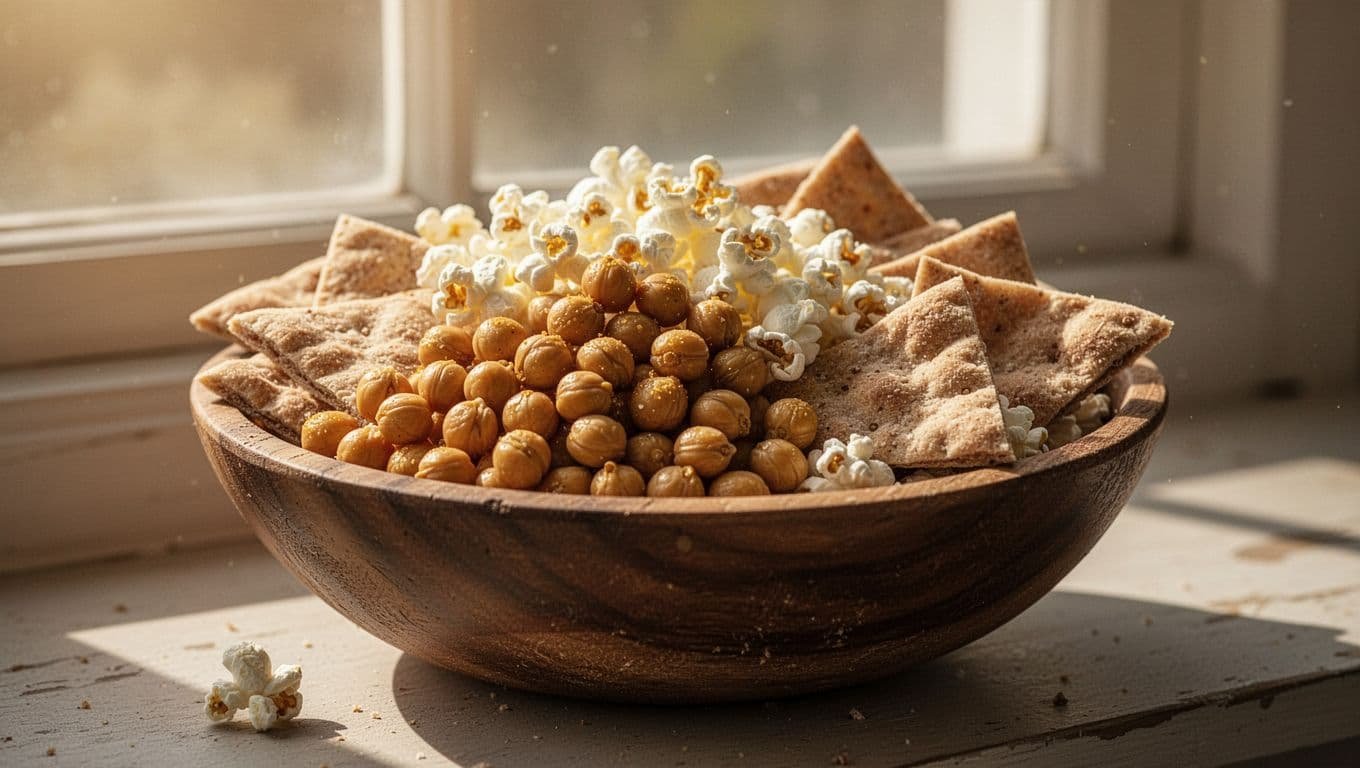
- Air-popped popcorn: Unlike microwave bags filled with artificial flavors, air-popped corn is a whole-grain powerhouse. It provides a massive volume of food for very few calories, keeping kids satisfied longer.
- Roasted chickpeas: While technically a legume, these provide that crave-worthy snap. You can season them with mild spices like cinnamon or sea salt. This simple method for crispy chickpeas makes them a perfect, protein-packed replacement for salty chips.
- Whole-grain pita bread: Toast triangles of whole-wheat pita until they turn golden and crisp. Serve them alongside hummus or a Greek yogurt dip for a filling, crunchy combination.
- Whole-grain crackers: Always check the ingredient label to ensure the first item is whole-wheat or whole-grain flour. These provide a much higher fiber content than refined flour crackers.
Replacing processed snacks with these options helps your children associate healthy eating with satisfying textures. When they find snacks that taste good and keep them full, they are less likely to seek out sugary or greasy alternatives. Start by adding one of these to your next grocery list and see which ones become a regular request in your home.
Simple Tips for Busy Parents
Managing daily routines is often easier when you remove the friction between your kids and their food. When healthy options are visible and ready, children gravitate toward them naturally. This shift in your kitchen layout saves you time and keeps your home running smoothly.
Planning Ahead for Successful Snacking
Preparing snacks in advance is the secret to avoiding the lure of pre-packaged, sugary items. When you return from the grocery store, spend a few minutes washing and chopping produce. Storing these items in clear, reusable containers makes them look appealing and easy to grab. You can find helpful advice on keeping a safe and organized kitchen to ensure your setup works for everyone in the family.
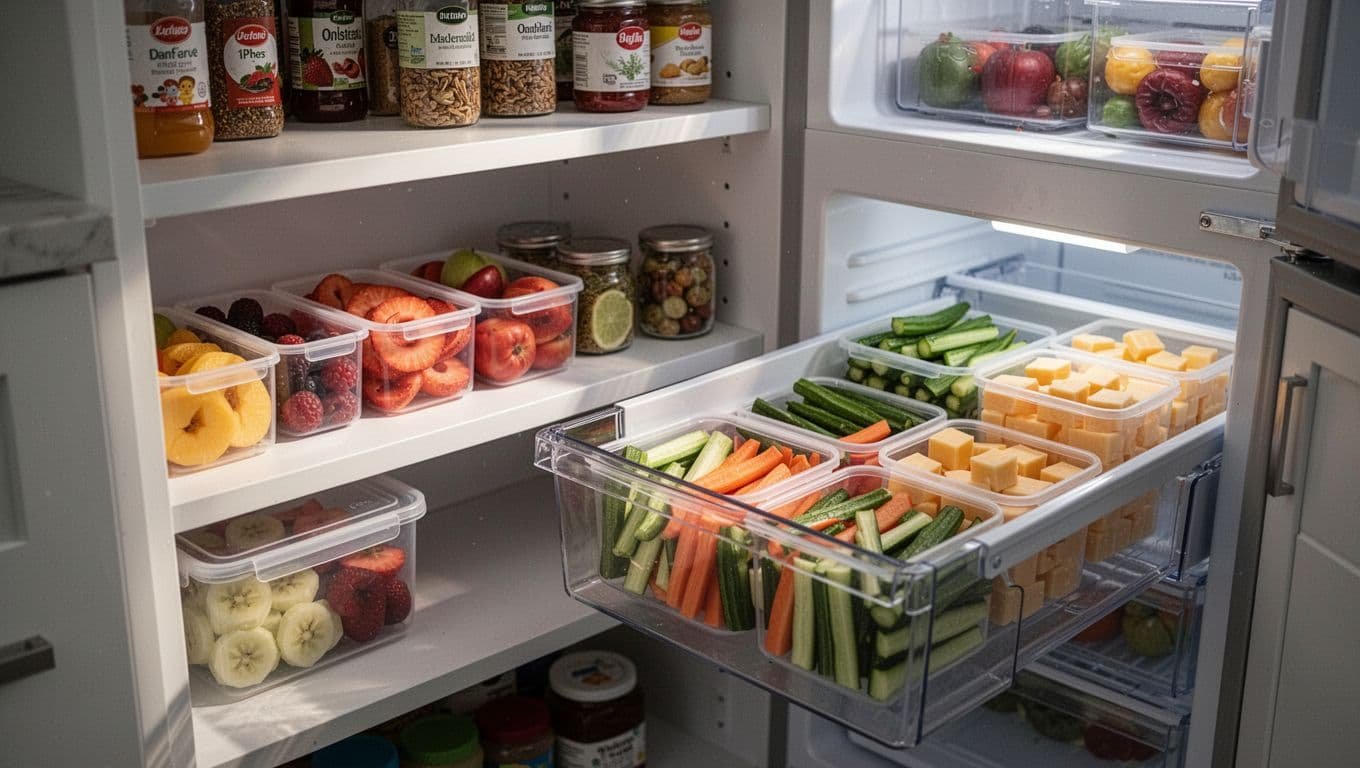
Create a dedicated “snack zone” in your pantry or fridge to give kids autonomy. Use a low shelf or a specific drawer that they can reach without your help. Grouping items by type, such as placing cold snacks in a fridge bin and pantry items in an open basket, simplifies the decision-making process.
Consider these organizational habits to keep things running efficiently:
- Designate a single spot: Pick one area in your fridge or pantry where all authorized snacks live.
- Use clear containers: Transparent bins allow kids to see their choices without digging through piles.
- Pre-portion items: Use small bags or jars to split bulk items into single-serving sizes ahead of time.
- Rotation is key: Keep a backup supply of non-perishables so you can refill the station quickly when it runs low.
When you offer this kind of structure, you empower your children to make their own choices while keeping them within the healthy parameters you set. Implementing ideas for a snack station often turns a chaotic afternoon into a calm experience. By treating these small prep tasks as a regular part of your routine, you remove the stress of finding a nutritious bite when hunger strikes during a busy day.
Final Thoughts
Building healthy eating habits for your family does not require perfection. It is normal for kids to have days where they prefer specific snacks or ignore the ones you prepared. Focus instead on providing a consistent variety of nutritious choices over time. Your commitment to these simple, healthy habits makes a significant difference in how your children feel and function each day.
When you let go of the pressure to be perfect, you create a more positive relationship with food for everyone. Small, steady changes lead to lasting results in the long run. Keep offering wholesome options and stay patient with the process. You are helping them build self-esteem by teaching them how to care for their bodies through the choices they make.
If you are looking for more ways to engage your children in the kitchen, consider involving children in meal preparation to make snack time an interactive and rewarding experience.
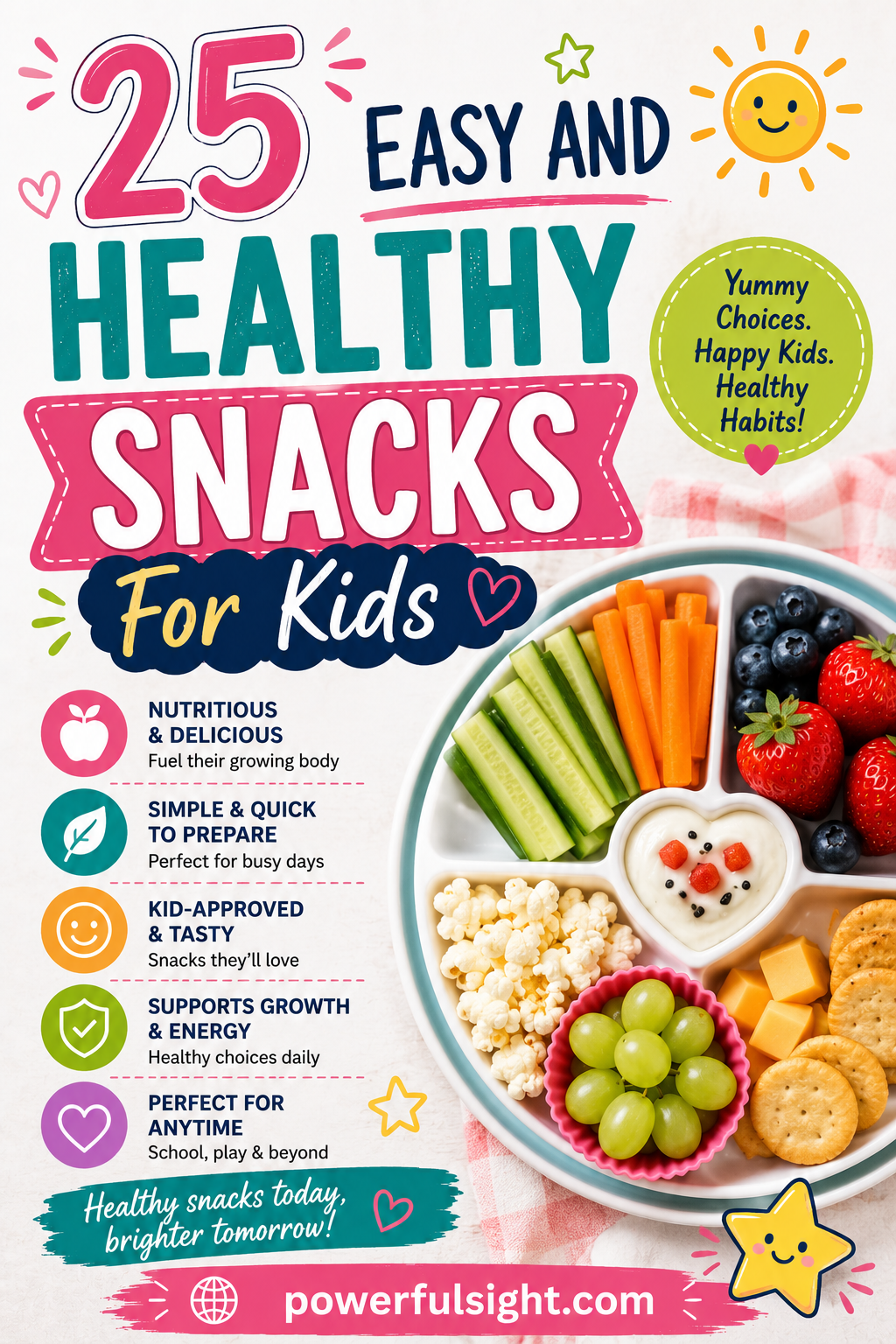
Save the pin for later

- Healthy Air Fryer Recipes for Beginners - 21/09/2026
- Healthy Snacks for Late Night Cravings - 21/09/2026
- High Protein Meal Prep Ideas for Easy Weekly Meals - 21/09/2026

