Mood swings, bloating, low energy, cravings, and irregular cycles can leave you feeling off for days at a time. For many women, the answer starts with foods that help balance hormones naturally for women, because what you eat can support insulin, cortisol, estrogen, and thyroid health in steady, everyday ways.
Food won’t fix hormone issues overnight, and that matters. Still, the right meals can help smooth blood sugar, ease stress on your body, and support better energy and cycle health over time, especially when you pair them with sleep and movement. If blood sugar spikes are part of the problem, foods for stable blood sugar and hormone health can make a real difference.
The best choices are simple, practical, and easy to build into real life. Next, you’ll see which foods support each hormone system and how to use them without overcomplicating your plate.
Why food matters when your hormones feel off
When your hormones feel off, food stops being just fuel. It can either calm the system or add more pressure to it. That’s why foods that help balance hormones naturally for women matter so much, because they support the signals your body already tries to send.
Small meal choices can change how steady you feel through the day. A sugar-heavy breakfast can lead to a crash, while a meal with protein, fat, and fiber can help you feel more even and clear-headed.
The main hormone triggers food can influence
Food has a direct effect on a few hormone systems that shape how you feel every day. Insulin helps move sugar from your blood into your cells for energy. When meals are high in sugar or low in fiber, blood sugar rises fast, then drops hard, which can leave you tired, shaky, or craving more snacks.
Cortisol is your stress hormone. It helps you respond to pressure, but it can stay high when you skip meals, stress eat, or run on caffeine and snacks alone. Balanced meals, cortisol-reducing foods, and steady eating habits can take some strain off that system.
Estrogen affects cycles, mood, skin, and more. Fiber helps the body clear used estrogen through the gut, while low-fiber meals can slow that process down. Thyroid hormones help control metabolism, energy, and body temperature. They depend on key nutrients like iodine, selenium, iron, and enough overall food intake, so extreme dieting can make things worse.
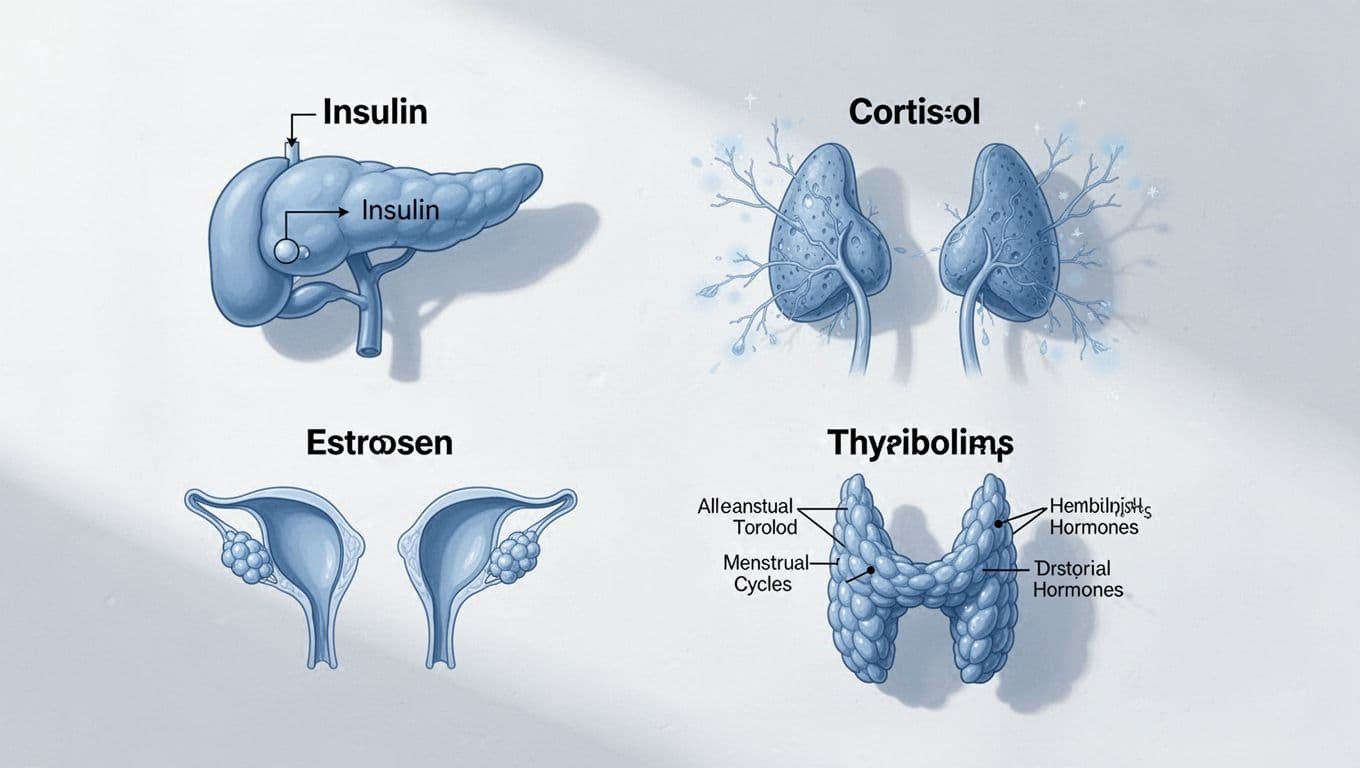
A simple plate with protein, colorful vegetables, and healthy fats can support all four at once. In other words, your meals can either steady the signals or stir them up.
The goal is not perfection, it’s giving your hormones fewer reasons to work overtime.
Signs your body may need more hormone support
Hormone changes often show up in everyday ways before anything feels clearly “wrong.” You might notice energy crashes, stronger cravings, or sleep that feels light and broken. PMS can also hit harder when blood sugar is unstable or stress stays high.
Common signs include:
- Energy dips after meals or in the afternoon
- Stubborn weight gain, especially around the middle
- Acne or oily skin that keeps coming back
- Bloating after meals or throughout the day
- Sleep trouble or waking up wired
- Strong cravings for sugar, salt, or fast comfort foods
- PMS symptoms that feel sharper than usual
These signs can have many causes, so they do not point to one single issue. Still, food is one of the first places to look because it affects blood sugar, stress response, digestion, and nutrient status at the same time. If symptoms are persistent or severe, it helps to look at the bigger picture too, including signs of high cortisol and other hormone patterns that can overlap.
For women trying to eat in a way that supports hormone health, the first step is often simple. Start with regular meals, more fiber, and fewer sugar spikes. That alone can make the rest of your routine feel easier to manage.
Foods That Help Balance Hormones Naturally for Women
The best hormone-supportive foods do a few simple jobs at once. They help steady blood sugar, lower inflammation, and give your body the nutrients it needs to make and clear hormones well.
That matters because hormone health is not about one miracle food. It comes from patterns, and the foods that help balance hormones naturally for women often show up in the same meals again and again. Fatty fish, nuts, seeds, vegetables, greens, berries, beans, and whole grains all fit that pattern.
Fatty fish for healthy fats and steady inflammation
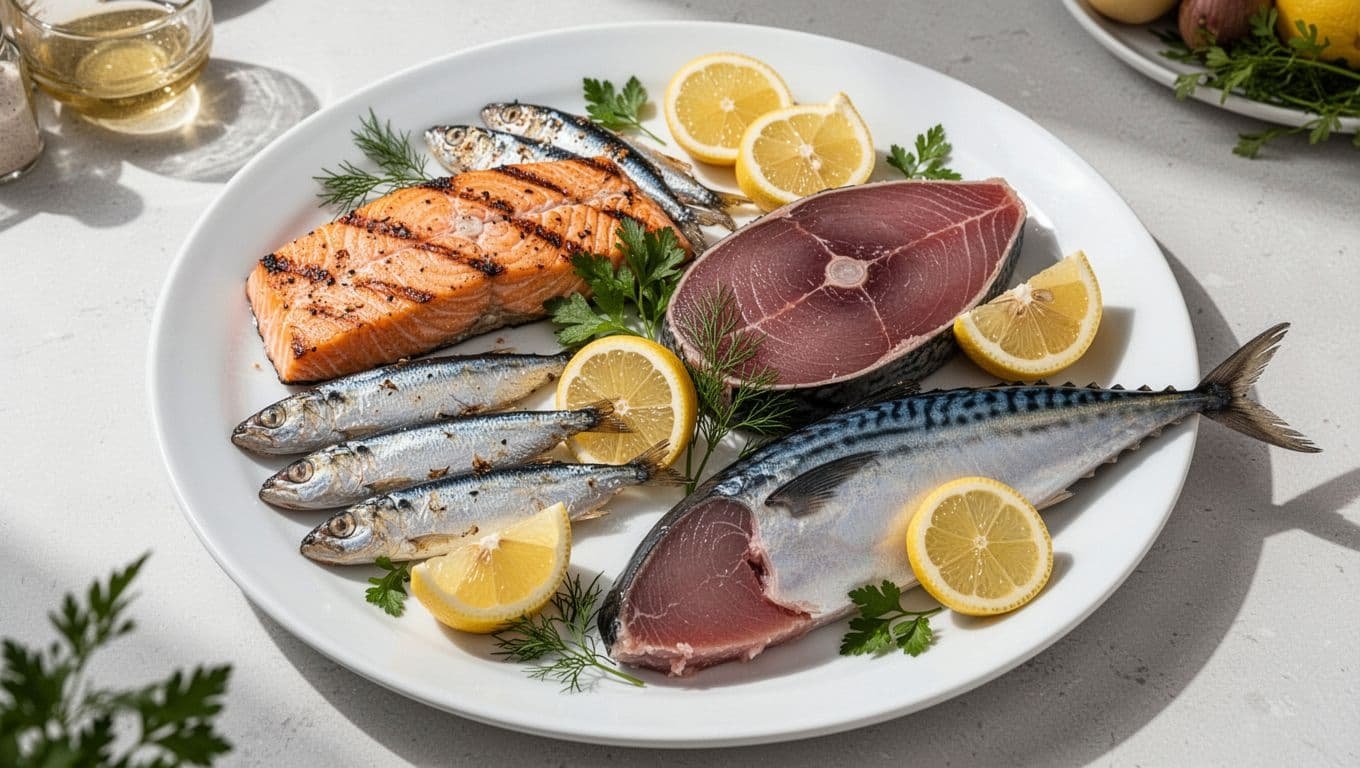
Salmon, sardines, tuna, and mackerel are some of the easiest foods to add when you want stronger hormone support. They bring omega-3 fats, which help calm inflammation and support the pathways your body uses to make hormones. They also provide vitamin D, selenium, and B12, nutrients that play a role in mood, cortisol balance, insulin control, and energy.
Fatty fish can help you feel steadier because they support both the stress response and blood sugar. When meals include enough protein and healthy fat, your body does less of the sharp up-and-down work that can leave you tired or irritable.
A few easy ways to eat them during the week:
- Add salmon to a rice bowl with greens and avocado.
- Mix canned sardines with lemon and herbs on toast.
- Use tuna in a bean salad or stuffed avocado.
- Bake mackerel with roasted vegetables for a fast dinner.
For a quick reference on omega-3-rich choices, see foods high in omega-3 fats. If you want a meal idea that fits this same pattern, anti-inflammatory meals with omega-3 fish is a helpful place to start.
Avocados, nuts, and seeds for hormone-friendly fats
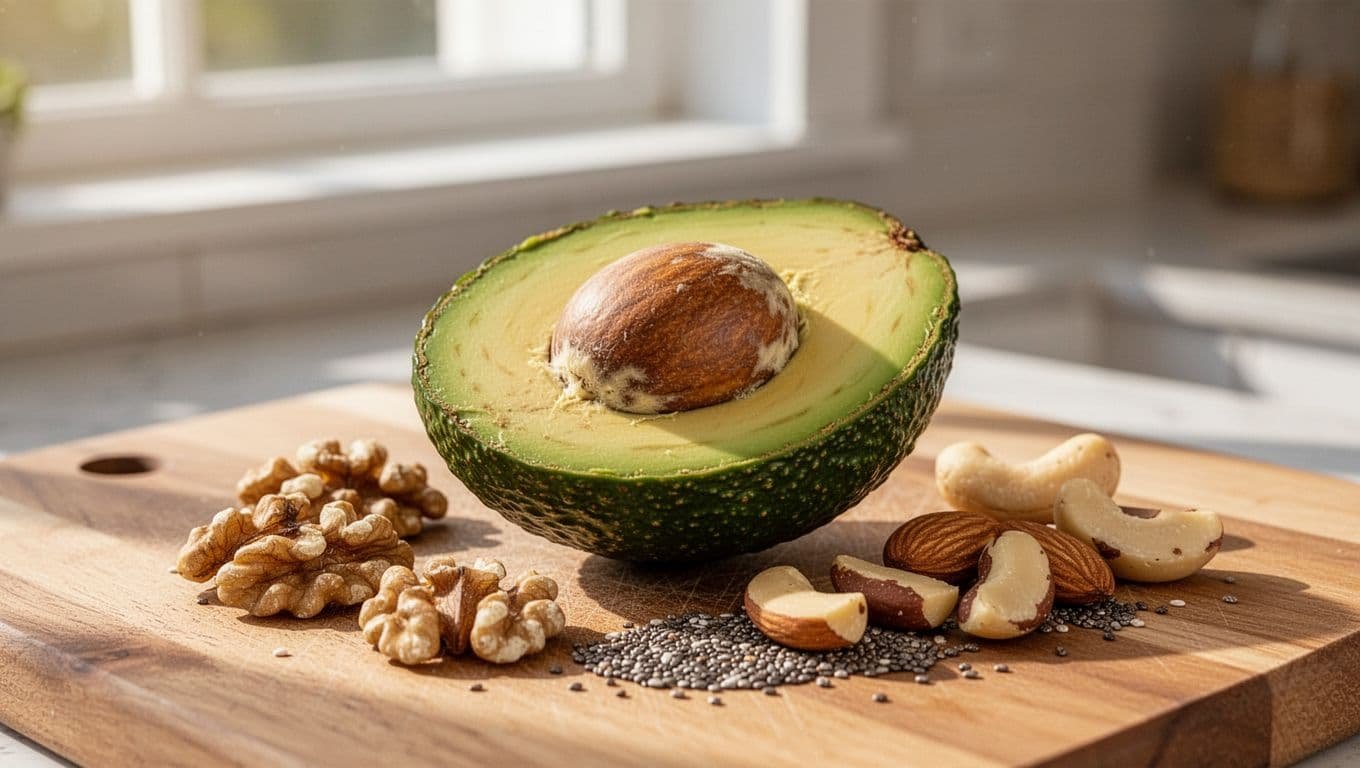
Avocados, walnuts, almonds, chia seeds, and Brazil nuts are small foods with a big job. They provide healthy fats, magnesium, selenium, zinc, and fiber, which support progesterone production, a calmer stress response, and thyroid health.
Healthy fats help your body make hormones in the first place. Magnesium can help ease the strain of stress, while selenium supports thyroid function. Fiber also helps move used hormones through the gut, which is one reason these foods show up often in hormone-friendly eating plans.
A few practical ways to use them:
- Top oatmeal with chia seeds, walnuts, and berries.
- Add avocado to eggs, salads, or grain bowls.
- Keep almonds in your bag for a simple snack.
- Eat one or two Brazil nuts with fruit or yogurt for selenium.
These foods also make meals feel more filling. That helps keep cravings lower and energy more even between meals.
Cruciferous vegetables that support estrogen balance
Broccoli, cauliflower, Brussels sprouts, cabbage, and kale all bring a lot to the table. They contain compounds that support the body’s natural process for breaking down and clearing used estrogen, and they also add fiber that helps digestion stay regular.
This matters because estrogen balance depends partly on what happens in the gut and liver. When digestion slows, hormone waste can linger longer than it should. Fiber helps move it along, while these vegetables add volume, color, and nutrients without a lot of sugar or starch.
Easy prep goes a long way here:
- Roast broccoli, cauliflower, or Brussels sprouts with olive oil and salt.
- Steam cabbage or kale and add it to soups.
- Toss chopped kale into eggs, pasta, or grain bowls.
- Shred cabbage into slaw for a fast side dish.
If you want the science behind these foods, foods high in phytoestrogens gives a clear overview. You can also pair these vegetables with meals built around blood sugar stabilizing quinoa and lentils for a more balanced plate.
Leafy greens and berries for stress support and blood sugar control
Spinach, kale, Swiss chard, blueberries, strawberries, and raspberries are an easy win for hormone health. Leafy greens give you magnesium and iron, while berries add antioxidants and fiber. Together, they help support a calmer stress response, better energy, and fewer blood sugar spikes.
Magnesium matters because it helps your body handle stress more smoothly. Iron supports oxygen transport, which can matter a lot when fatigue hits hard. Meanwhile, berries slow the rise of blood sugar and add natural sweetness without the crash that often follows sugary snacks.
Try these simple combos:
- Add spinach to smoothies with berries and Greek yogurt.
- Layer blueberries and strawberries over oatmeal.
- Toss Swiss chard into soups or scrambled eggs.
- Use kale as the base for a chicken or salmon salad.
A plate that includes greens and berries often gives you more steadiness later in the day.
If afternoon crashes feel familiar, this food group helps more than most people expect. It supports your energy without pushing your blood sugar around.
Legumes and whole grains that keep insulin steady
Lentils, chickpeas, beans, oats, and sweet potatoes are some of the best foods for steady insulin support. Their fiber and protein slow digestion, which helps reduce sharp blood sugar swings and the energy crashes that often follow.
That slow release matters because insulin works best when meals are balanced. When you eat fiber-rich carbs with protein, your body gets a more even rise in blood sugar instead of a quick spike and drop.
These foods are easy to build into real meals:
- Make lentil soup with vegetables and herbs.
- Use chickpeas in salads, grain bowls, or curry.
- Start the day with oats, chia seeds, and nut butter.
- Pair sweet potatoes with eggs, salmon, or beans for lunch or dinner.
They also make meals more satisfying. That can help you snack less, feel fuller longer, and keep your energy on a more even line throughout the day.
For women focusing on foods to avoid when trying to get pregnant, these slower-digesting choices are a smart everyday swap. They give you steady fuel without the spikes that can make hormone symptoms feel worse.
How to build hormone-supportive meals without overthinking it
You do not need a perfect plan to eat in a way that supports your hormones. You need a few repeatable meal patterns that keep blood sugar steady, reduce cravings, and give your body enough protein, fiber, and healthy fat.
That is why the best foods that help balance hormones naturally for women work so well in simple meals. When you stop guessing and start using a basic formula, eating feels easier, and your energy tends to feel more stable too.
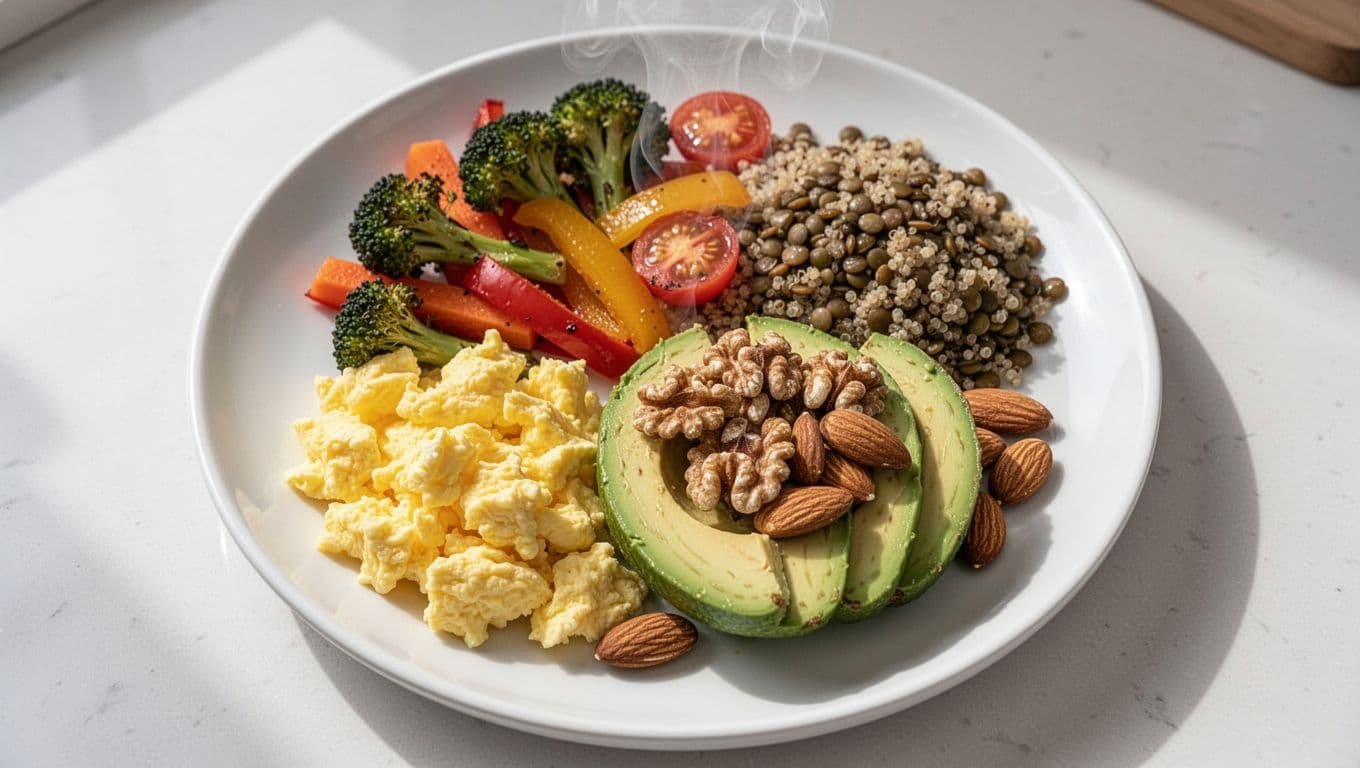
A simple plate formula for breakfast, lunch, and dinner
Use the same structure most of the time: protein + fiber + healthy fat + color. That combination helps slow digestion, steady blood sugar, and keep you fuller for longer. When your meals are built this way, you are less likely to hit the afternoon slump or raid the pantry an hour later.
For breakfast, that might look like eggs with greens and avocado. For lunch, a salmon bowl with rice, cucumber, and leafy vegetables works well. At dinner, lentil soup with avocado and a side salad is an easy win. If you want more morning ideas, balanced breakfasts for steady blood sugar can help you keep breakfast simple without the crash.
This approach also takes pressure off decision-making. You are not building a new menu every day, you are just repeating a structure with different ingredients. That is the kind of routine that supports hormone health without draining your time.
If a meal has protein and produce, you are already halfway there.
A few easy examples make the formula even easier to use:
- Eggs with greens and a slice of whole-grain toast
- Salmon bowls with quinoa, spinach, and avocado
- Lentil soup with olive oil, herbs, and a cucumber salad
- Greek yogurt with berries, chia seeds, and walnuts
If you want a deeper look at how simple meal patterns support hormone balance, this hormone-balancing meal guide gives a clear framework. The main idea stays the same: build each plate so it works with your body, not against it.
Smart snack pairings that prevent blood sugar crashes
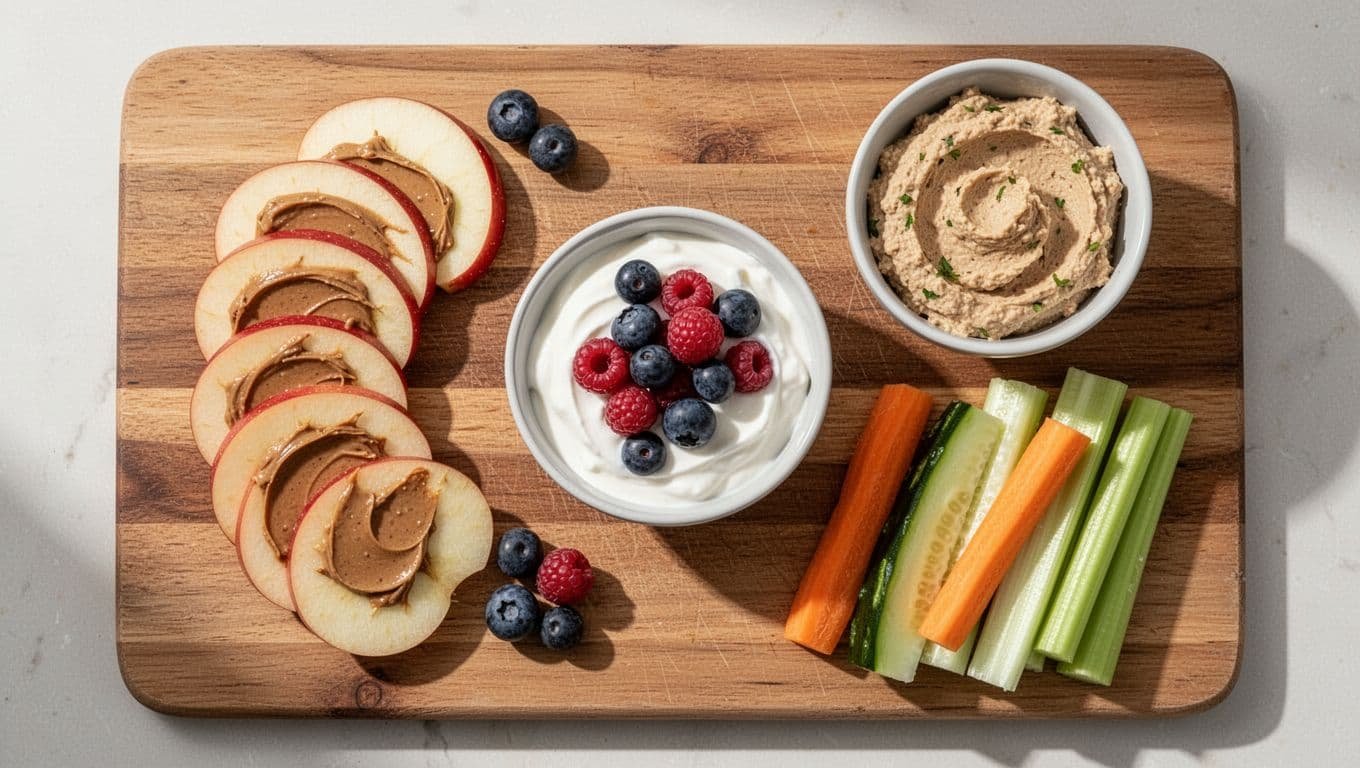
Snacks can either smooth out your day or set you up for another crash. The easiest fix is to pair a carbohydrate with protein or fat so your blood sugar rises more slowly.
That means an apple with nut butter, yogurt with berries, or hummus with vegetables. Each one gives you quick energy, but it also has something that keeps that energy from fading too fast. As a result, you are less likely to feel shaky, distracted, or suddenly starving later.
A few good pairings to keep on repeat include:
- Apple slices with almond butter for fiber, fat, and natural sweetness
- Plain Greek yogurt with berries for protein and antioxidants
- Hummus with carrots, cucumbers, or celery for steady, savory fuel
- Whole-grain crackers with cheese for a simple afternoon snack
- Boiled eggs with fruit when you need something fast and filling
These snacks work best when you eat them before you get overly hungry. If you wait until you feel desperate, you are more likely to grab something sugary and crash again later. A smarter snack is not about eating less, it is about eating in a way that keeps your body calm and your appetite more even.
When you build meals and snacks this way, the foods that help balance hormones naturally for women become much easier to use every day. You do not need a strict system, just a few dependable combinations that keep you steady.
Foods and habits that can work against hormone balance
Even when you eat plenty of nutrient-rich foods, a few daily habits can still push your hormones off track. Sugar, alcohol, too much caffeine, poor sleep, and skipped meals can all make your body work harder than it should.
That matters because hormone balance is shaped by more than one meal. The foods that help balance hormones naturally for women work best when you also cut back on the habits that keep blood sugar, stress, and inflammation on a tightrope.

What to limit when you want steadier hormones
Added sugar is one of the biggest things to watch. It can spike blood sugar fast, then leave you tired, irritable, and hungry again soon after. Over time, those swings can make insulin harder to manage, which affects the rest of your hormone system too.
Ultra-processed foods can cause the same problem. Packaged snacks, fast food, sugary breakfast items, and many refined convenience foods often combine sugar, low fiber, and unhealthy fats. That mix can raise inflammation and make cravings feel harder to control.
Alcohol can also work against hormone health. It puts stress on the liver, and the liver helps process hormones. When alcohol shows up often, your body has a harder time keeping that system steady. A good overview of this pattern is in recent research on food and hormones.
Too much caffeine can be a problem too, especially if you already feel anxious or sleep poorly. Coffee can be helpful in the morning, but when it pushes you into jitters, restlessness, or a late-day crash, it may raise cortisol more than you want. That stress can carry over into the next day.
A few habits are worth watching closely:
- Sugary drinks and desserts can lead to sharp blood sugar swings.
- Packaged snack foods often leave you less full than real meals.
- Alcohol at night can disrupt sleep quality and hormone recovery.
- Multiple coffees a day can keep your body in a stressed state.
If you want steadier energy, start by reducing the things that stir your system up. Your hormones respond better when blood sugar stays calmer and inflammation stays lower.
The goal is not strict rules, it’s fewer daily spikes that throw your body off balance.
Why sleep and stress matter just as much as food

Poor sleep can change how hungry, tired, and stressed you feel the next day. When you sleep badly, cortisol can stay too high or follow the wrong pattern, and that can make cravings and blood sugar swings worse. If sleep issues are part of your routine, this guide to waking up tired connects the dots in a clear way.
Stress adds another layer. High stress can change how your body uses energy, how often you crave comfort foods, and how well you digest meals. If you eat in a rush, skip meals, or go too long without food, your body may read that as another stress signal.
Food works best when it has help. Regular meals, enough water, daily movement, and real rest all support hormone balance in ways food alone cannot. Even a strong diet gets less effective if your sleep is short and your stress stays high.
A simple rhythm helps more than perfection:
- Eat regular meals instead of waiting until you are shaky or ravenous.
- Drink water through the day so your body can keep up.
- Move your body often, even with short walks.
- Protect sleep by cutting back on late caffeine and heavy nighttime habits.
When those pieces work together, the foods that help balance hormones naturally for women have a much better chance of doing their job.
Conclusion
The best support often starts with small, steady choices. When you build meals around protein, healthy fats, fiber, and colorful plants, the foods that help balance hormones naturally for women can do their work without extra stress on your body.
Fatty fish, avocados, nuts, seeds, leafy greens, berries, beans, and cruciferous vegetables all fit that pattern. They help steady blood sugar, support digestion, and give your body the nutrients it needs to manage hormone shifts more smoothly.
Start with one simple change at your next meal. Add one hormone-friendly food, then keep going from there. Small steps add up, and your hormones usually respond best to that kind of consistency.
Save the pin for later


- 60 Color Tattoos That Healed Beautifully - 25/09/2026
- 40 Most Painful Tattoo Spots - 24/09/2026
- 20 Tattoo Aftercare Mistakes That Ruin Fresh Ink - 23/09/2026

