Small ankle tattoos are easy to personalize, often simple to hide, and naturally elegant when they use clean lines and restrained detail. If you’re searching for small ankle tattoo ideas, you’ll find plenty of ways to create something meaningful without covering a large area, whether you prefer a tiny flower, a constellation, an animal, or a short word.
This guide brings together 28 designs across nature, celestial, animal, travel, lettering, and abstract styles, so you can compare different looks before choosing your favorite. You’ll also find more creative ankle tattoo designs to help narrow down your style and decide how visible you want the tattoo to be.
Ankle tattoos can feel more intense because the skin sits close to bone, and shoes or socks may rub against the area while it heals. Designs that are poorly placed or packed with fine details may also fade or lose clarity faster, so size and spacing matter. Along with the ideas, this guide covers placement, pain, healing, aftercare, and practical ways to help your tattoo stay sharp for years.
28 Small Tattoo Ideas for Your Ankle That Feel Personal
Small ankle tattoos give you room to express something meaningful without overwhelming the shape of your foot. The best designs use clean lines, open spacing, and placement that works with the ankle’s natural curves.
Botanical ankle tattoos with a soft, natural look
Flowers and leaves suit the ankle because their narrow shapes can follow the leg or curve gently around the bone. Keep the linework simple, especially if you want the tattoo to stay readable as it ages.

- A tiny wildflower can symbolize freedom, resilience, or a connection to a favorite place. Use a thin stem with one open bloom, positioned vertically on the inner ankle.
- A lavender sprig has a slim silhouette and a calm, gentle feel. Place it vertically above the ankle bone, with a few spaced buds rather than dense shading.
- A single rose outline offers a romantic look without the visual weight of a traditional rose tattoo. Its round bloom works well on the outer ankle, while the short stem can angle toward the foot.
- An olive branch can express peace, family, or personal growth. Let the branch follow the ankle curve slightly, keeping the leaves small but separated so they don’t merge into one dark shape.
- A fern leaf gives you a more organic, woodland-inspired option. Its long center stem should sit vertically, with simple side leaves that remain open and easy to recognize.
- A small sunflower brings warmth, optimism, and loyalty to a tiny tattoo. Place it above the ankle bone, using a clean circular center and only a few broad petals.
- A daisy chain can represent friendship, childhood memories, or several people you love. It works best as a slight wraparound piece that follows the ankle curve, although two or three daisies can also sit neatly on the outer ankle.
Black ink gives each design a crisp, understated finish, while muted lavender, dusty yellow, or soft green adds color without overpowering the small scale. You could also split a botanical design into a matching pair, placing one tiny flower on each ankle or giving each side a different plant from the same theme.
Fine details in petals and leaves should stay open and limited. Crowded lines may blur together over time, especially in a spot that experiences regular friction from socks and shoes. If you’re comparing placement with comfort, a guide to how painful ankle tattoos can be can help you plan the size and location.
Stars, moons, and simple symbols for a delicate ankle tattoo
Celestial icons and small symbols can carry personal meaning without requiring much space. A single icon usually looks best above the ankle bone, while a group of related shapes can trace the outer or inner ankle.
- A crescent moon can suggest change, intuition, or a fresh chapter. Place it above the ankle bone with the points facing upward, or turn it slightly to match the curve of your leg.
- A tiny sun brings associations with hope, energy, and brighter days. Its simple circle and short rays fit well on the outer ankle, where the design remains visible but discreet.
- A constellation can honor a birth sign, a loved one, or a meaningful night sky. Use only a few connected points and position them diagonally along the ankle curve.
- A cluster of stars creates a playful travel or dream-inspired tattoo. Arrange two or three uneven stars near the outer ankle instead of packing many tiny dots into one space.
- A heart outline is a classic choice for love, remembrance, or self-acceptance. Its compact shape suits the inner ankle, especially when you want a private reminder you can see easily.
- An evil eye can express protection and cultural connection. Keep the almond shape clean, with one central pupil and minimal detail, then place it above the ankle bone for a balanced look.
- A small infinity symbol can suggest lasting love, continuity, or a milestone that changed your life. Its horizontal shape works best on the outer ankle or as a subtle wraparound design.
A tiny symbol becomes easier to read when every line has room around it.
Avoid squeezing too many dots, rays, or connecting lines into a very small tattoo. A skilled artist can simplify the design while preserving its meaning, which often creates a cleaner result than copying a detailed reference at a miniature size. For general tattoo skin-care guidance, the American Academy of Dermatology also recommends protecting tattooed skin from sun exposure, an important habit for preserving fine linework.
More Small Ankle Tattoo Ideas for Every Personal Style
The final 14 ideas move beyond flowers and celestial symbols, giving you options that feel playful, adventurous, personal, or purely decorative. Since the ankle offers limited space, each design should rely on a clear shape, sensible line weight, and placement that works with movement and everyday friction.
Tiny animal and travel tattoos with a clear silhouette
Animals can carry strong meaning without requiring a detailed illustration. A cat may represent independence, comfort, or a beloved pet, while a butterfly can suggest change, freedom, or a new stage of life. For both designs, use a recognizable outer shape and skip tiny facial features, fur lines, or wing patterns that may blur as the tattoo ages.

- A cat silhouette looks especially clean on the outer ankle or just above the ankle bone. A curved back, pointed ears, and raised tail are enough to make the subject recognizable. A solid black silhouette creates a stronger look, while a bold outline feels lighter and more delicate.
- A butterfly can symbolize transformation, hope, or personal freedom. Keep the wings symmetrical but open, with one or two simple interior lines at most. Placing it horizontally across the ankle creates a balanced decorative effect, while a slight angle makes it appear more natural.
- A hummingbird brings energy, joy, and a love of movement to a small tattoo. Its narrow body and long beak suit a vertical layout above the ankle bone. Use a bold outer line and only a few wing marks, because delicate feather details can disappear at a miniature size.
- A paw print offers a simple tribute to a current or former pet. One central pad and three or four smaller toe pads are usually enough. Place it on the inner ankle for a private memorial, or use two tiny prints in a short diagonal line for a playful look.
- A tiny snake can represent renewal, protection, confidence, or personal strength. Its curved body works better vertically, especially when it winds slightly along the leg. Avoid adding scales throughout the body; a clean outline with a small head keeps the design readable.
- A paper airplane suggests travel, curiosity, freedom, or a willingness to follow a new direction. Its angular shape fits neatly above the ankle in a horizontal position. A single continuous outline often looks better than shaded folds, particularly when the tattoo is smaller than a coin.
- A small mountain range can honor a favorite trip, an outdoor lifestyle, or a personal challenge. Use two or three peaks with a few open gaps between them, then place the design horizontally above the ankle. Heavy outer lines make the peaks visible, while excessive texture can turn the image into a dark strip.
For placement ideas that balance visibility and comfort, compare these designs with other tattoo placement ideas for women. Shoes and socks may rub the area during healing, so choose a location that gives the tattoo enough space.
Short words, dates, and minimalist shapes that fit the ankle
Lettering and abstract designs often feel more personal because you choose the exact meaning. However, small text needs more room than many people expect. Ask your tattoo artist to print or stencil the design at its actual size before you commit, then check it from a normal standing distance.
- A meaningful initial can honor a person, place, or personal milestone. Choose one clear typeface with enough space inside and around the letter. The inner ankle offers a discreet location, while the outer ankle keeps the design easier to show.
- A short word such as “hope,” “home,” or “breathe” can work well when the lettering stays simple. Limit the design to one short word, use generous spacing, and avoid ultra-thin scripts. If the letters look crowded in the stencil, increase the size or choose a shorter word.
- A meaningful date in Roman numerals gives a milestone a subtle, classic appearance. Keep the sequence short and use evenly spaced characters rather than decorative flourishes. Dates are best placed where shoes won’t rub constantly, such as higher on the outer ankle or along the lower leg.
- A tiny semicolon can carry a message of continuing through a difficult period, while also working as a clean punctuation-inspired design. Its compact shape suits the inner ankle. Use a slightly bold dot and curved comma so both parts remain distinct over time.
- A wave line represents the ocean, change, calm, or a favorite coastal memory. One smooth crest can follow the ankle’s natural curve, creating a graceful horizontal design. Keep the line weight consistent and leave enough open skin around it.
- A paperclip can suggest connection, resourcefulness, or an appreciation for ordinary objects. Its narrow outline looks best when placed vertically beside the ankle bone. Simplify the overlapping curves so the center doesn’t fill in as the tattoo settles.
- A simple geometric arch offers a modern, decorative finish without a fixed meaning. It can resemble a doorway, sunrise, shelter, or personal boundary. Follow the ankle’s natural curve with a clean arch, and use slightly thicker lines if you want the shape to remain crisp.
Before choosing lettering, review meaningful small tattoo ideas and compare the exact stencil against your shoes. After healing, protect exposed ink with broad-spectrum, water-resistant SPF 30 or higher, as recommended by the American Academy of Dermatology’s tattoo care guidance.
How to Choose the Best Small Ankle Tattoo for You
Choosing among 28 small ankle tattoo ideas becomes easier when you judge each design against your meaning, routine, and future plans. The most attractive reference image may not be the best choice for your ankle’s curved, high-friction surface. Start with the design’s purpose, then consider placement, size, visibility, and how the tattoo may look after years of movement and sun exposure.
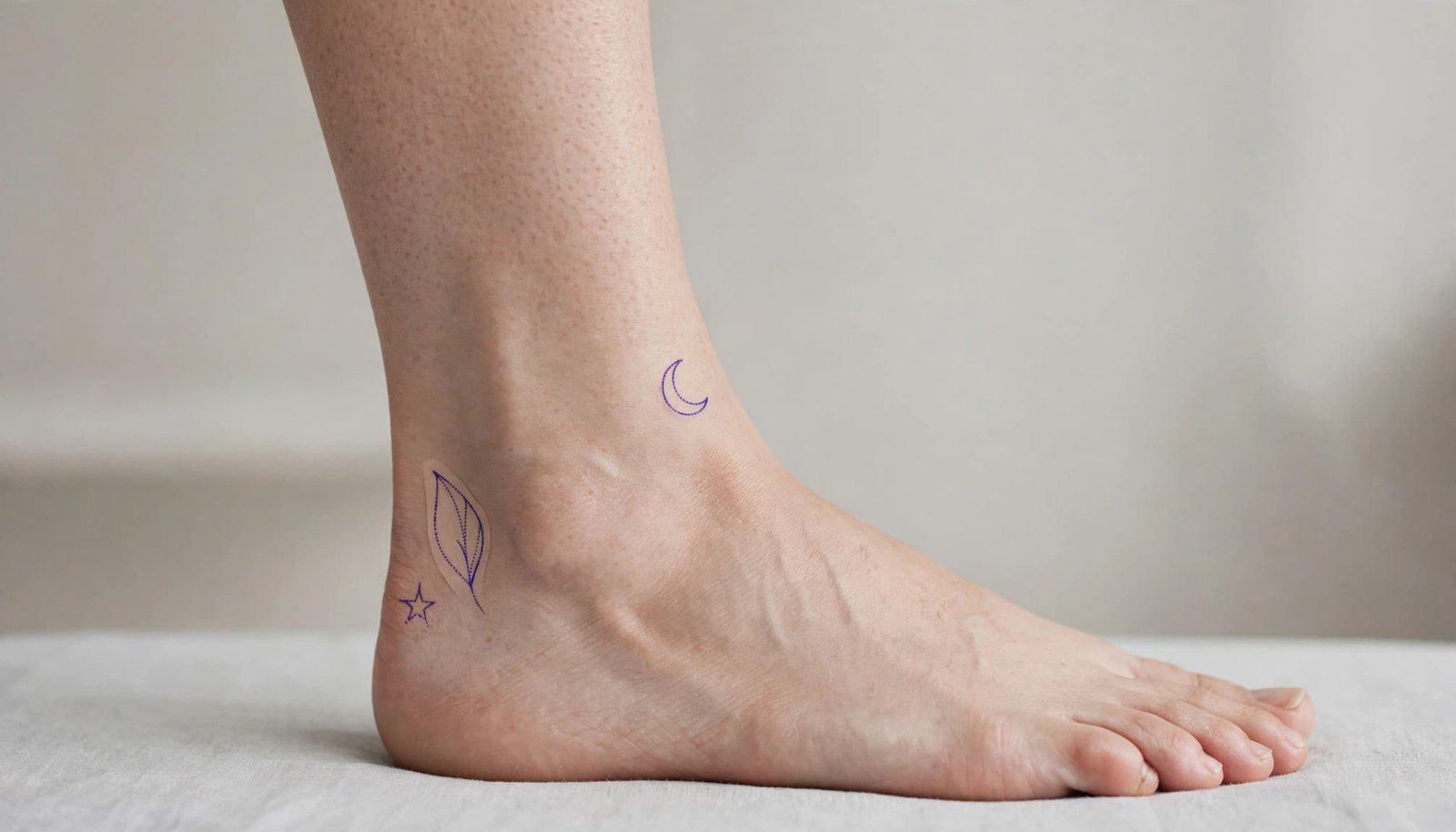
Match the design to the inner, outer, or back ankle
The inner ankle feels more private and works well for vertical stems, short words, initials, and small symbols. You can see it easily, but pants and longer socks may cover it. Because the area often has a narrow, curved shape, designs with a clear vertical direction usually sit better than wide images.
The outer ankle is more visible, especially with sandals, cropped pants, or shorts. It suits icons, animals, geometric shapes, and other designs that need a clear outline. If you want your tattoo to act as a visible accessory, this placement gives it more attention without taking over your entire foot. You can also compare stylish ankle tattoo inspiration if you prefer a more noticeable look.
The area above or behind the ankle can provide slightly more room. That extra space may suit a short phrase, branch, wave, or subtle wraparound design. However, wraparound tattoos need careful positioning because the ankle changes shape as you walk.
Ask your artist to apply the stencil while your foot is relaxed and while you’re standing. A design that looks balanced with your ankle bent may shift when your leg is straight. Check the stencil from the front, side, and back before approving it.
Choose a size and line style that can age well
Smaller isn’t always better. Tiny dots, tightly packed details, thin lettering, and delicate interior lines can blur sooner in an area exposed to socks, shoes, walking, and regular bending. A slightly larger design with open spacing often stays easier to read than a miniature version of a detailed reference.
Fine-line tattoos create a light, delicate appearance, but they need enough room for each line to remain distinct. Minimalist blackwork usually offers stronger long-term clarity because clean outlines hold their shape well. Small areas of color can add personality, although color may need more sun protection than black ink.
A good artist may adjust the reference instead of copying it exactly. They might widen a narrow gap, simplify a cluster of details, increase the line weight, or enlarge the design by a small amount. These changes protect the main shape while keeping it attractive at ankle size.
Ask to see the design at its actual stencil size, not only as a polished image on a phone.
Before booking, ask how the tattoo may look after several years of walking, sun exposure, socks, and shoes. The American Academy of Dermatology’s tattoo-care guidance recommends protecting healed tattooed skin with broad-spectrum, water-resistant SPF 30 or higher.
Think about pain, visibility, and your everyday routine
Ankle tattoo pain varies by person, placement, session length, and artist technique. Some areas have little soft tissue over the bone, so tattooing directly near the ankle bone can feel sharper than tattooing a fleshier part of the body. A small design may shorten the session, but it doesn’t guarantee a painless experience.
Your routine matters just as much as your pain tolerance. Consider whether you need to cover the tattoo at work, wear boots daily, exercise often, or spend much of the year in sandals. During healing, friction from tight socks and shoes can irritate the area, so schedule the appointment when you can give your ankle more space and rest.
Also discuss allergies, skin conditions, medications, and previous tattoo reactions before booking. Choose a state-licensed artist and ask about studio hygiene, ink handling, and aftercare instructions. If the tattooed skin develops a persistent reaction or changes unexpectedly, follow the AAD’s advice about tattoo skin reactions and contact a board-certified dermatologist.
What to Expect Before and During an Ankle Tattoo Session
A smooth ankle tattoo session starts before you sit in the chair. The consultation should cover the artist’s experience, the design’s final size, placement, pain, aftercare, and how the tattoo may fit your daily routine. Since the ankle bends and receives regular friction from shoes and socks, small placement decisions can affect both comfort and appearance.
Choose a licensed, reputable tattoo artist who follows local health requirements and maintains a clean, organized studio. Look through healed tattoo photos, not only fresh work taken immediately after an appointment. Healed examples show whether the artist’s lines remain clear, how evenly the ink settles, and how well small details hold their shape.
Before booking, ask about the artist’s experience with fine-line work, lettering, and tattoos placed near the ankle bone. You can also ask which ink styles and line weights they recommend for your chosen design. A good artist may suggest a slightly larger version than your reference image because extra space helps preserve legibility as the tattoo ages.
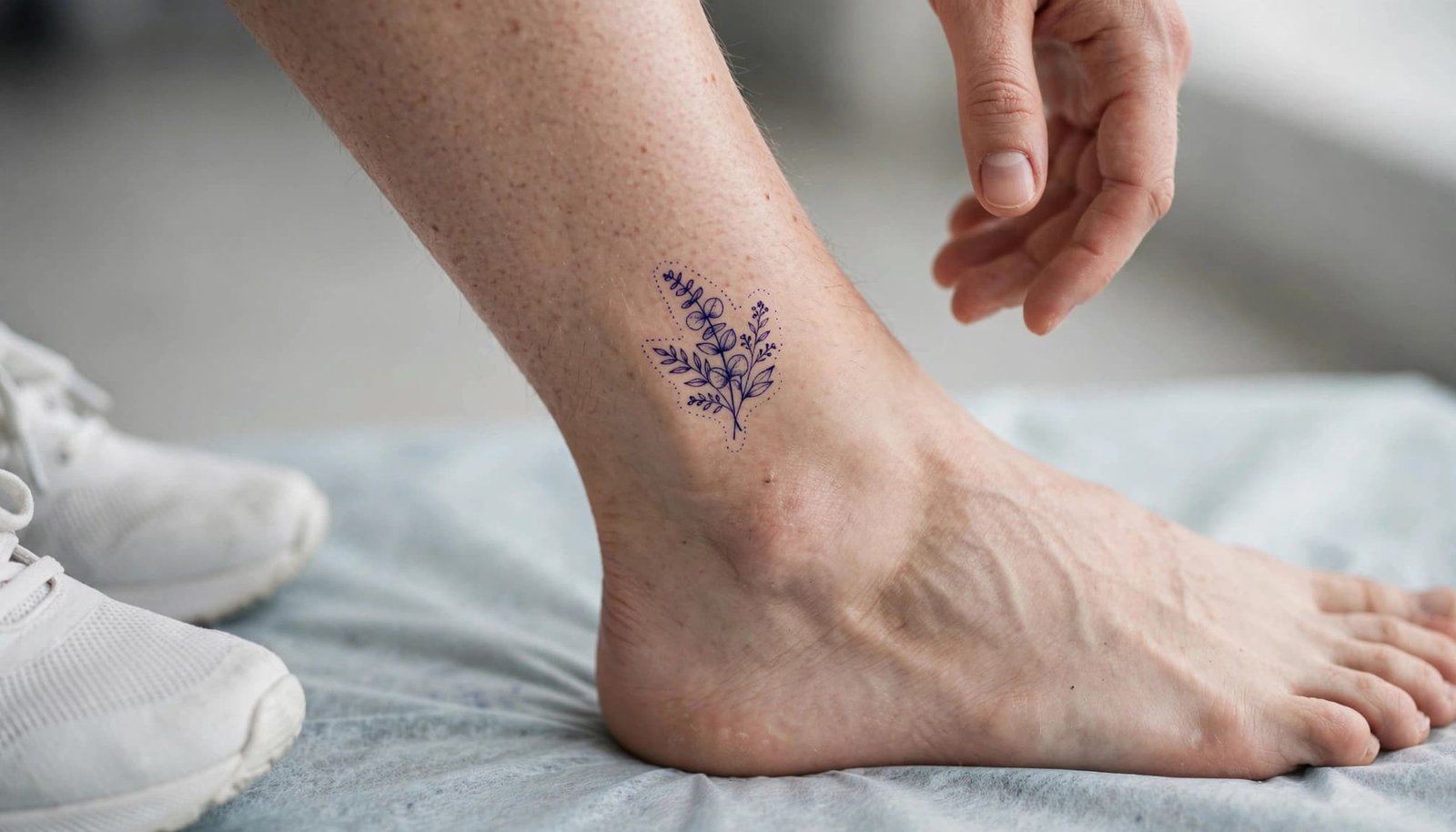
Use a stencil to test the design before the needle starts
Stencil placement matters because the ankle is a curved joint, not a flat canvas. A design can look centered while your foot is flexed, then shift visually when you stand or walk. Ask to see the stencil while sitting, standing, and moving your foot naturally.
Check the design from the front, side, and back. If it includes text, confirm that the letters read correctly in the position where other people will see them. Also look at whether the tattoo sits directly under a sock edge, boot collar, sandal strap, or shoe seam. Repeated rubbing can make healing more uncomfortable and may irritate the fresh tattoo.
Pay attention to small differences in height, angle, and size. Moving a design slightly above the ankle bone or rotating it by a few degrees can make it look more balanced. Increasing the size may also give lettering and fine lines enough room to stay readable.
Approve the stencil only after you have checked it with your ankle relaxed and your body standing naturally.
Speak up before tattooing begins if anything feels off. Your artist can wipe away and reposition a stencil, but changing the placement after the session requires a different tattoo, cover-up work, or removal treatment.
Prepare for ankle pain, swelling, and early movement
Ankle tattoos often feel sharper near the bone because the area has less cushioning than the thigh, upper arm, or calf. Pain varies with your placement, skin sensitivity, design size, and session length, so your artist should explain what to expect rather than promise a fixed experience.
Arrive with clean, healthy skin. Don’t schedule the tattoo over sunburn, irritation, cuts, rashes, or an active infection. Eat a proper meal beforehand, drink water, and avoid arriving dehydrated or lightheaded. Loose pants, wide-leg clothing, and shoes that don’t press against the ankle make the appointment and trip home more comfortable.
Mild swelling and tenderness are common during the first few days. Elevating your foot when you rest can help reduce swelling. Gentle walking is often more practical than keeping your leg completely still, unless your artist or a medical professional gives you different instructions. Avoid activities that create heavy friction, pressure, or sweating around the new tattoo.
Before you leave, ask the artist to explain the bandage or protective film instructions clearly. Confirm when to remove it, how to wash the area with mild soap and water, and what to do if the film loosens or leaks. Aftercare varies by artist and covering type, so follow the instructions provided for your specific tattoo rather than copying a routine from another person.
Ankle Tattoo Aftercare for Better Healing and Less Fading
Ankle tattoo aftercare starts with your artist’s instructions. Covering methods vary, especially between traditional bandages and adhesive healing films, so follow the directions you received before using any general routine. Clean hands, gentle washing, limited friction, and patience give the tattoo the best chance to heal with clear lines.
Protect the fresh tattoo from socks, shoes, and water
Friction is one of the biggest concerns for a healing ankle tattoo. Tight socks, boots, restrictive jeans, and shoe seams can rub the skin repeatedly, causing irritation and making the area more uncomfortable. Choose breathable clothing and loose sandals when practical, but don’t leave the tattoo exposed to dirt or direct sun.
Once your artist tells you to remove the covering, wash your hands before touching the tattoo. Gently clean the area with warm water and mild, fragrance-free soap. Avoid scrubbing, washcloths, and strong water pressure. Afterward, pat the skin dry with a clean paper towel instead of rubbing it with a bath towel.
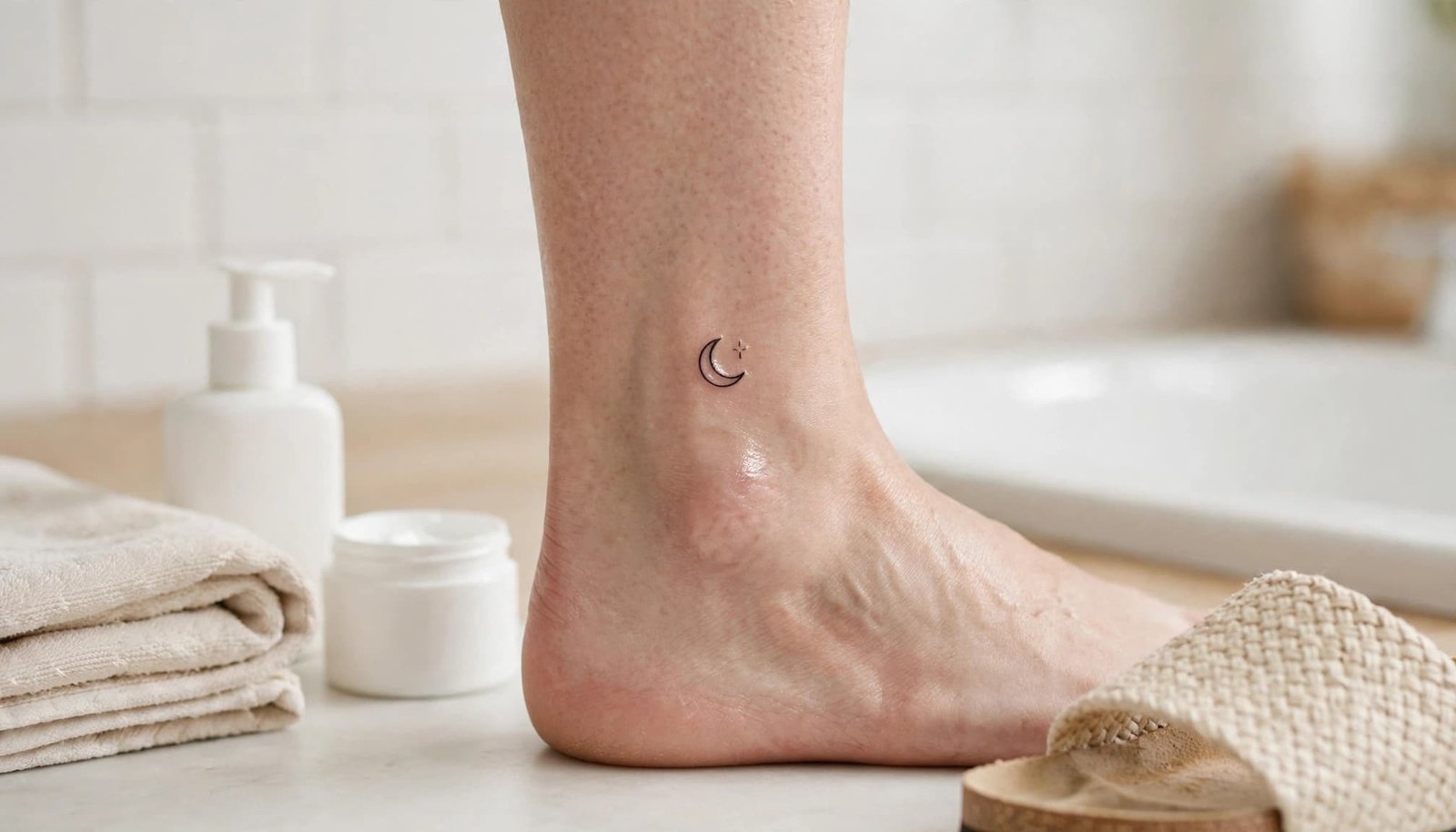
Apply only a thin layer of suitable, unscented moisturizer when your artist recommends it. Too much ointment can trap moisture, clog the skin, and cause irritation. The goal is lightly moisturized skin, not a thick, shiny coating. The American Academy of Dermatology’s tattoo-care guidance also emphasizes caring for the tattooed skin and watching for unusual reactions.
Showering and soaking are different. Brief washing is generally part of normal hygiene, but keep the tattoo out of pools, hot tubs, lakes, oceans, and baths until the skin has healed. Water exposure can soften scabs and increase the chance of irritation or contamination. Don’t pick peeling skin or scratch an itchy area, even when flaking becomes noticeable.
Surface healing often takes about two to four weeks, although the deeper layers of skin can continue settling for several months. The tattoo may look dull, dry, or slightly uneven during this period. That temporary appearance doesn’t mean you should add more ointment or remove flakes.
Reduce sun exposure and plan for long-term touch-ups
Keep a fresh or healing tattoo out of direct sunlight. Don’t apply sunscreen to open, peeling, or recently tattooed skin. Instead, cover the area with loose clothing and avoid prolonged exposure until the surface has fully closed.
After healing is complete, apply a broad-spectrum SPF 30 or higher to the ankle whenever it will be exposed. Reapply after swimming or heavy sweating. Sandals may keep the tattoo visible for hours, and ultraviolet exposure can fade black ink and soften fine lines over time. The AAD explains more about protecting healed tattooed skin.
Ankle tattoos can fade faster because footwear rubs against them, the joint moves constantly, and sandals often leave the skin uncovered. Touch-ups are normal for some designs, especially delicate fine-line work. You can improve long-term clarity by choosing open spacing, clear lines, and a sensible size from the beginning.
Contact a medical professional if redness spreads, swelling increases after the first few days, the skin feels hot, pain worsens, or unusual discharge appears. Fever, red streaks, or foul-smelling fluid also need prompt medical attention. A tattoo artist can explain normal healing, but a healthcare professional should assess possible infection or a persistent skin reaction.
Conclusion
The best small ankle tattoo is one that feels personal and fits your daily life, not simply one that looks appealing in a photo. Whether you prefer a flower, symbol, animal, word, or geometric shape, choose a design with simple details and enough space for each line to remain clear. These meaningful ankle tattoo ideas can help you focus on the feeling and memory behind your choice.
Placement matters just as much as the design. Consider how the tattoo will look on the inner, outer, or back ankle, and think about socks, shoes, movement, visibility, and healing. A skilled artist can adjust the size, line weight, and spacing so the tattoo suits your ankle instead of forcing a detailed image into too little room. Careful aftercare, reduced friction, and sun protection after healing also help preserve the result.
Save two or three favorite ideas, then review your artist’s healed work before booking. Ask to see the stencil while sitting, standing, and moving your foot before you commit. The right ankle tattoo should look good today and still feel like a natural part of your life years from now.
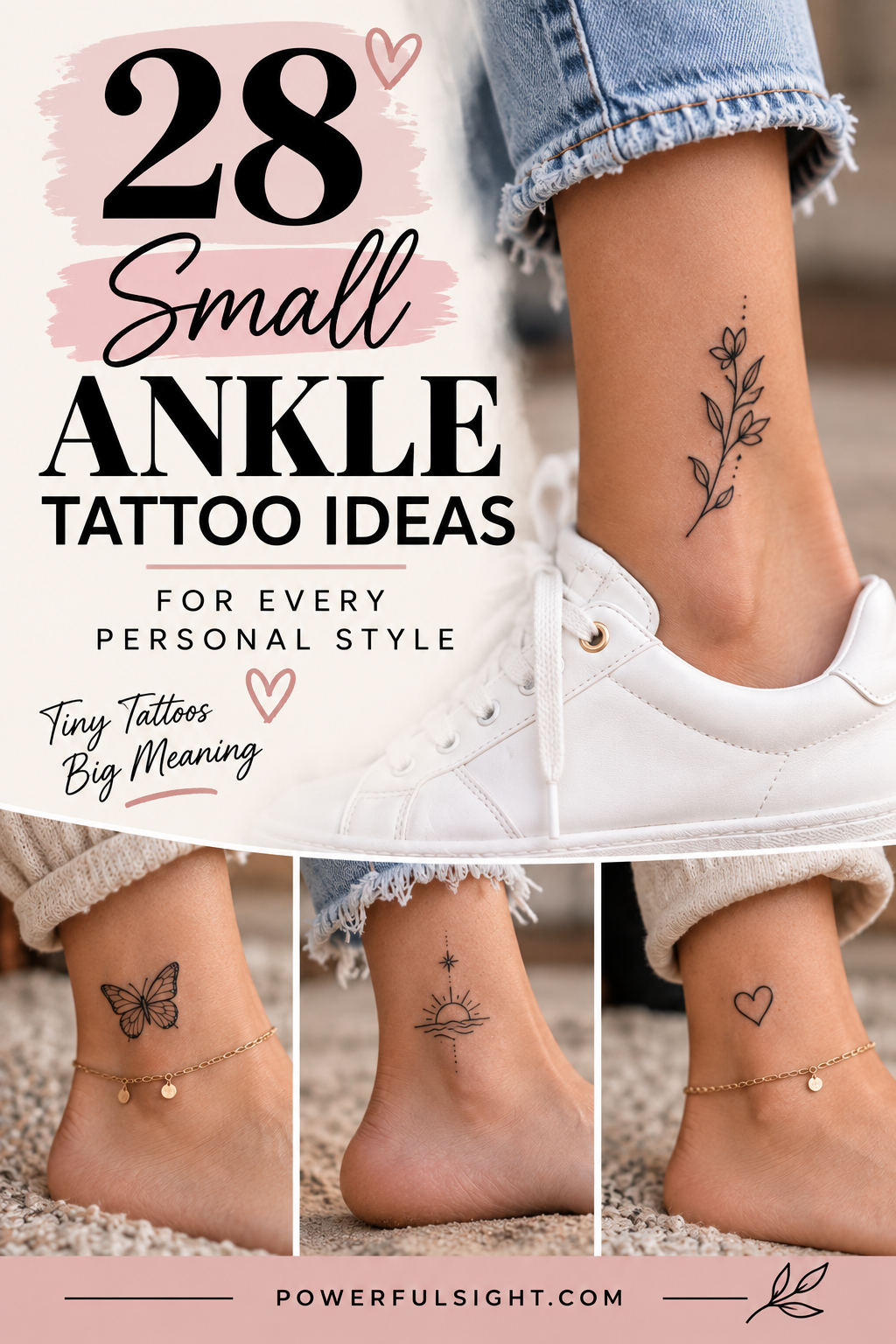
Save the pin for later

- 60 Color Tattoos That Healed Beautifully - 25/09/2026
- 40 Most Painful Tattoo Spots - 24/09/2026
- 20 Tattoo Aftercare Mistakes That Ruin Fresh Ink - 23/09/2026

