Did you know that starting prenatal care before 10 weeks cuts preeclampsia risk by up to 30% through steps like low-dose aspirin, according to the latest ACOG guidelines?
Pregnancy brings joy and jitters, but you want the healthiest path for you and your baby. That’s why these 20 evidence-based steps draw from fresh 2025 ACOG updates on tailored visits and 2026 CDC vaccine guidance, like Tdap shots between 27 and 36 weeks to shield against whooping cough. They cover five key areas: medical care, nutrition, activity, well-being, and preparation, including smart travel tips to dodge risks.
Follow them, and you’ll set up a smoother ride with fewer worries. Let’s dive into the first category.
Build a Rock-Solid Medical Foundation from the Start
Your pregnancy’s early months set the stage for a healthy nine months. Focus here first. These steps build strong medical care that spots issues fast and keeps you both safe. Doctors follow the latest ACOG guidelines for tailored visits, so you get just what you need.
Book Your First Prenatal Visit Right Away
Call your doctor the moment you see those two pink lines. Early care before 10 weeks lets them run key tests, track your baby’s growth, and craft a plan just for you. It cuts risks like preeclampsia through close monitoring.

At that first visit, expect a full check: blood and urine tests, blood pressure read, weight, medical history review, and often an ultrasound. Follow-ups come every four weeks until 28 weeks, then more often. Ask your doctor: “What’s my risk profile?” or “How often should I check in?” For details on what to expect, check ACOG’s prenatal care guide. Also, see first-time pregnancy tips for more on routine screenings.
Grab Tdap, Flu, COVID, and RSV Vaccines on Schedule
Vaccines shield your baby from serious illnesses right from birth. Get Tdap between 27 and 36 weeks every pregnancy; it passes antibodies against whooping cough. Flu and COVID shots work any trimester, but time them for fall if possible. RSV with Pfizer’s Abrysvo goes at 32 to 36 weeks during September to January, if eligible and not given before.
These are safe, even together at one visit, per 2026 ACOG and CDC updates. Many worry about side effects, but data shows they prevent preterm birth and severe infections without harm. Talk to your doctor first to fit your schedule.
Check and Refresh All Your Vaccinations
Don’t skip the basics. Sit down with your doctor early to review your full shot record. Update anything missing, like hepatitis B or MMR, to avoid outbreaks that hit pregnant women hard.
Pregnancy weakens some defenses, so gaps raise risks for you and baby. Pull old records from schools or past doctors; apps make it easy. A quick chat prevents problems down the line.
Screen for Gestational Diabetes Early
That simple glucose test between 24 and 28 weeks checks if pregnancy hormones spike your blood sugar. You drink a sweet solution, then they test your blood one hour later. If high, a three-hour follow-up confirms it.
Early catch lets you tweak diet and exercise for safe delivery and healthy weight. Watch for extra thirst or fatigue. Try blood sugar management tips like adding protein to meals.
Monitor and Manage Blood Pressure Closely
High blood pressure signals preeclampsia, which harms baby and you. Check at home weekly with a cuff; log numbers for visits.
Rest more, eat potassium-rich foods like bananas, and walk daily to keep it steady. Call your doctor if over 140/90 or with headaches. Daily walks help too; see benefits of walking for blood pressure.
Test for STIs at Your First Checkup
STIs like chlamydia or gonorrhea pass to baby during birth, risking infections or preterm labor. Blood and urine tests spot them fast at visit one.
Treatment with antibiotics clears most quick; get your partner checked too. It’s routine care, no judgment. Healthy choice now protects delivery.
Nourish Your Body for Baby’s Best Start
Good nutrition fuels your baby’s growth and keeps your energy up. You build strong bones, prevent anemia, and cut risks like preterm birth. Start with whole foods, then add prenatal vitamins. These steps make it simple.
Pack in Key Nutrients from Food and Supplements
Your body needs more calcium, iron, vitamin D, B12, A, and B vitamins now. Aim for 1,000 mg calcium daily from yogurt, milk, or leafy greens; it strengthens baby’s bones. Get 27 mg iron from lean meat, beans, or spinach paired with oranges for absorption. Vitamin D at 600 IU comes from fatty fish or fortified milk. B12 (2.6 mcg) suits meat eaters, but vegetarians supplement. Vitamin A (770 mcg) and folate (600 mcg) hit goals with carrots, eggs, and fortified cereals.
Take a daily prenatal vitamin to fill gaps. Your doctor can test levels and adjust.

For trimester-specific pregnancy power foods, check this guide. See ACOG’s healthy eating tips for full details.
Aim for Steady, Healthy Weight Gain
Base goals on your pre-pregnancy BMI for the best outcomes. Right gain lowers preeclampsia and diabetes risks while supporting baby. Track weekly to stay on course.
Here’s a quick chart from ACOG guidelines:
| Pre-Pregnancy BMI | Total Gain | 1st Trimester (lbs) | 2nd + 3rd Trimesters (lbs/week) |
|---|---|---|---|
| Underweight (<18.5) | 28-40 | 1-4 | 1-1.2 |
| Normal (18.5-24.9) | 25-35 | 1-4 | ~1 |
| Overweight (25-29.9) | 15-25 | 1-4 | ~0.6 |
| Obese (30+) | 11-20 | 1-4 | ~0.5 |
Weigh yourself weekly at home. Add 340 extra calories in the second trimester, 450 in the third with balanced meals. Ask your doctor for tweaks.
Drink Plenty and Eat Often to Stay Energized
Aim for 10 cups (80-100 oz) water daily; more if active. It boosts blood flow, fights clots, and eases swelling. Keep urine pale yellow as your sign.
Nausea hits hard? Eat small snacks every 1-2 hours: crackers, ginger tea, bananas, yogurt, or nuts. These keep your stomach settled without overload. Sip water between bites.
Traveling? Pack a reusable water bottle and healthy snacks. Steady habits prevent fatigue and dehydration.
Move Smartly to Feel Strong and Safe
Movement builds your strength and cuts risks like gestational diabetes or blood clots. It boosts mood and eases aches too. These steps fit any trimester, but always check with your doctor first. Follow them to stay active safely, especially when traveling.
Get Moving with Doctor-Approved Exercise
Start with walks, prenatal yoga, or swimming. These keep your heart healthy and help you sleep better. ACOG and CDC say aim for 150 minutes a week of moderate activity, like 30 minutes most days. Brisk walking counts; swim for low impact.

Benefits include less back pain and faster labor recovery. Stop if you feel dizzy, have chest pain, or see contractions. New to it? Build from 10 minutes daily. For prenatal yoga for stress relief, try gentle classes. See ACOG’s exercise guidelines for full details.
Stretch and Walk Regularly to Avoid Clots
Blood flow slows when you sit too long, raising clot risk in pregnancy. Stretch your calves every hour: point toes up, then down. Walk the aisle on planes or stop the car often.
Simple routines work best on trips over four hours. Flex ankles in circles or march in place. Good circulation prevents deep vein thrombosis, which hits pregnant women more. Drink water too. These habits keep legs happy and you safe.
Position Seat Belts Right Under Your Belly
Place the lap belt low across your hips, under the belly bump. Route the shoulder belt between your breasts, over your shoulder. Never put it under your arm or behind your back.
This setup works for cars and planes. Studies show belts cut serious injuries by over 60% and death risk by 82% in crashes with pregnant drivers. Proper fit protects your baby without pressure on the womb. Adjust every ride as your belly grows.
Try Compression Stockings for Long Trips
Ask your doctor if you need them for DVT risk, like past clots or long flights. Wear knee-high ones with 20-30 mmHg pressure; they squeeze ankles most to boost flow up your legs.
Put them on before travel and keep until you move around. They ease swelling too. Alternatives include frequent walks and hydration. No extra risks for most, but fit matters. Your doctor picks the right pair.
Safeguard Your Mind and Steer Clear of Threats
Pregnancy tests your mind as much as your body. Stress harms sleep and blood pressure, so guard against it. Also dodge substances and travel risks that threaten baby. These steps keep you calm and safe.
Prioritize Stress Relief and Mental Support
Overwhelm shows in constant worry, tight chest, or snapping at small things. It raises preterm birth odds, so act fast. Build self-care like short walks, deep breaths, or warm baths daily. Therapy helps too; cognitive behavioral options fit online sessions around doctor visits.
Lean on your partner or family. Ask them to handle chores or listen without fixing. They spot burnout first. For more, try self-care tips for moms to recharge. Small changes restore balance fast.
Skip Alcohol, Tobacco, Drugs, and Excess Caffeine
These hit baby hard. Alcohol causes fetal alcohol spectrum disorders with lifelong brain issues. Tobacco cuts oxygen, leading to low birth weight or cleft lip. Drugs like marijuana or opioids spark preterm birth and withdrawal in newborns. Over 200 mg caffeine daily links to miscarriage.
Quit cold turkey if possible; cravings fade in weeks. Swap coffee for decaf, chew gum for smokes, join support groups. Call 1-800-QUIT-NOW for tobacco help. See ACOG’s guide on tobacco, alcohol, drugs, and pregnancy. Track wins daily; your baby gains strength.
Skip Zika Zones and Risky Travel
Zika virus from mosquitoes causes microcephaly and brain damage in babies. Check CDC’s Zika risk map before trips. Skip areas in red zones like parts of South America or Africa.
Stick to U.S. spots or Europe with low risk. Airlines ban Zika-area travel past 8 weeks pregnant. Plan domestic getaways instead; consult your doctor first.
Mask Up in Crowds and Airports
Viruses like flu or COVID spike preterm labor risks per 2026 CDC rules. Wear N95 masks in packed spots; they block 95% of particles. Layer with hand sanitizer and distance.
Boost defenses with up-to-date shots. Wipe surfaces often. Short exposure cuts illness odds by half. Stay well for smooth pregnancy.
Gear Up for Smooth Delivery and New Mom Life
You near the finish line now. These steps prepare you for labor, delivery, and those first blurry weeks at home. Think ahead on health checks, birth details, and support. You’ll ease into motherhood with less stress and more confidence. Doctors follow ACOG’s tailored plans, so your prep fits your needs.
Get Prepregnancy-Style Counseling Anytime
Health reviews don’t stop at conception. Schedule ongoing talks with your doctor about risks like high blood pressure or diabetes. They check your history and adjust care as pregnancy advances. If you plan siblings soon, discuss spacing; ACOG notes short intervals under 18 months raise preterm birth odds. Aim for at least six months recovery first.
These chats catch issues early. Ask about fertility after birth or contraception options. For example, update vaccines or screen for anemia. Your doctor tailors advice to your family goals. See ACOG’s prepregnancy counseling guide for full details. Regular reviews keep everyone safe.
Map Out Birth, Labor, and Postpartum Expectations
Prep by trimester keeps surprises low. In the second, join childbirth classes for breathing techniques and partner roles. Third trimester means pack your hospital bag: comfy clothes, toiletries, baby outfit, snacks, and ID. Practice routes to the hospital too.
Postpartum hits with fatigue and healing. Plan rest, easy meals, and checkups within three weeks, per ACOG. Expect lochia bleeding and mood shifts. Stock pads, witch hazel pads, and stool softeners. Discuss pain relief or C-section recovery upfront.

Create a simple birth plan template with your doctor. It covers preferences like epidurals or skin-to-skin. For recovery tips, check ACOG’s postpartum care.
Plan Newborn Care and Family Support
Newborns need vaccines right after birth: hepatitis B first dose, vitamin K shot, and eye ointment against infections. Follow CDC’s schedule for DTaP, Hib, and others at two months. Your Tdap from pregnancy already helps against whooping cough.
Build a help network early. Enlist your partner, family, or friends for meals, night shifts, or errands. First months pass faster with shared loads. Line up a pediatrician and postpartum doula if needed.

For tips for easier newborn care, stock basics like swaddles and a changing station. Check CDC’s child vaccine schedule. Support makes those weeks joyful.
Conclusion
These 20 steps from the latest 2026 ACOG and CDC guidelines give you a clear path to a healthy pregnancy. Here’s a quick recap:
- Book your first prenatal visit early.
- Get Tdap between 27-36 weeks.
- Update all vaccinations.
- Screen for gestational diabetes.
- Monitor blood pressure.
- Test for STIs.
- Pack in key nutrients.
- Aim for steady weight gain.
- Drink plenty and eat often.
- Do doctor-approved exercise.
- Stretch to avoid clots.
- Position seat belts right.
- Use compression stockings for trips.
- Relieve stress.
- Skip alcohol, tobacco, and excess caffeine.
- Avoid Zika zones.
- Mask up in crowds.
- Get prepregnancy counseling.
- Map birth plans.
- Plan newborn care and support.
Talk to your doctor about a plan that fits you. They tailor visits under the new ACOG PATH model for your needs.
You’re now equipped for a strong, joyful pregnancy. Bookmark this for quick reference, and share your top step in the comments below.
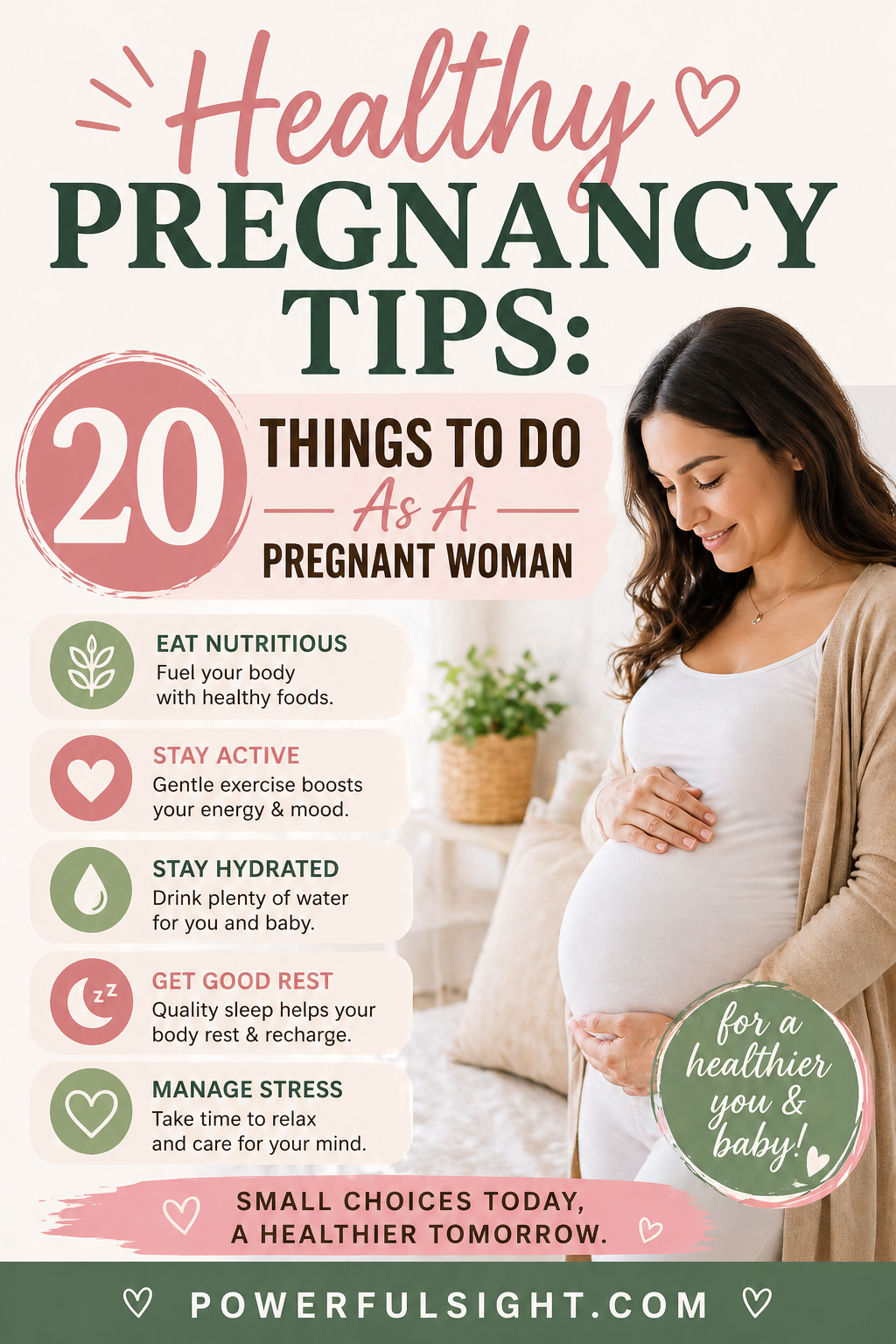
Save the pin for later

- 60 Color Tattoos That Healed Beautifully - 25/09/2026
- 40 Most Painful Tattoo Spots - 24/09/2026
- 20 Tattoo Aftercare Mistakes That Ruin Fresh Ink - 23/09/2026

