Periods can throw off your whole day, especially when cramps, bloating, fatigue, mood swings, and cravings show up all at once. Even if your symptoms are normal, they can still make it hard to focus, move comfortably, or keep up with work and plans.
This post shares 10 simple, practical things to do when you’re on your period so you can feel better fast and get through the day with less stress. The tips are low-cost, easy to try at home, and meant to help you manage the discomfort without making your routine more complicated.
Start with comfort: heat, rest, and better period products
When your period hits hard, start with the basics that calm your body first. Heat, rest, and the right products can take the edge off cramps, pressure, and irritation so the rest of your day feels more manageable.
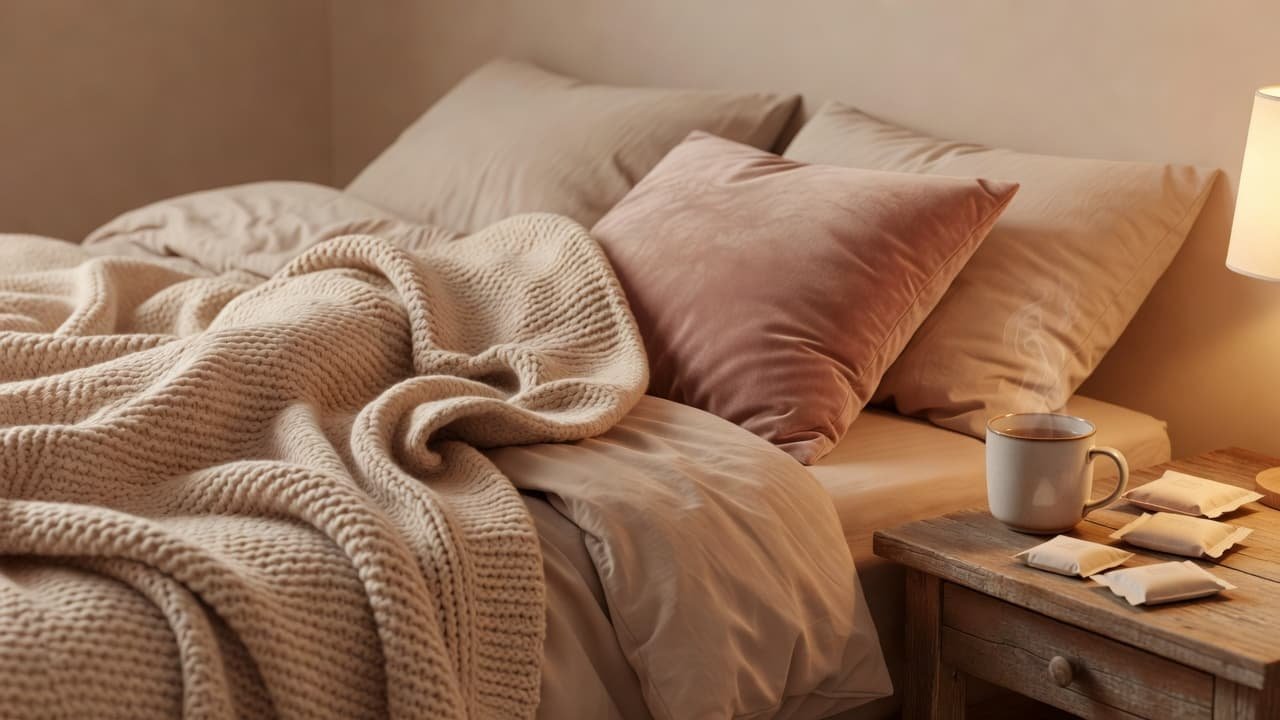
Use heat to calm cramps fast
Heat can relax tight muscles in your lower belly and lower back, which often makes cramps feel less sharp. A heating pad, hot water bottle, or warm bath can all help, and many people feel relief within minutes.
Short sessions work well, so use heat for 15 to 20 minutes at a time, then give your skin a break. If you want a broader overview of tips for managing period pain, that can help you build a simple routine that fits your day.
A few safe ways to use heat:
- Place a heating pad over your lower abdomen with a layer of fabric between your skin and the pad.
- Fill a hot water bottle with warm, not boiling, water and rest it against the painful area.
- Take a warm bath when you need full-body relaxation and a little quiet time.
Keep the heat comfortable, not intense. If your skin feels red, numb, or overly hot, stop and let it cool down.
For pain relief, warmth is one of the easiest first steps, and it pairs well with other home remedies. If you want a medical-style breakdown of common home options, Healthline’s period cramp guide offers a useful overview.
Pick period products that match your flow
The most comfortable period product is the one that fits your flow and your day. Pads, tampons, cups, and period underwear all work well for different people, so the best choice usually depends on comfort, activity level, and how heavy your bleeding is.
Tampons need regular changes, usually every 4 to 8 hours, and you should use the lowest absorbency that still handles your flow. Pads and period underwear can feel easier if you want less internal pressure, while menstrual cups can work well if you want longer wear time and less frequent changes.
If your skin gets irritated easily, choose unscented products. Fragrance can make burning or itching worse, especially on days when everything already feels sensitive.
A simple way to choose:
- Pads are often best for sleep, heavy flow, or when you want the least fuss.
- Tampons are useful for swimming, workouts, or days when you want a slimmer option.
- Cups can suit longer workdays or heavier flow if you are comfortable inserting them.
- Period underwear works well as backup or on lighter days, and some people wear it alone.
The right fit matters more than brand loyalty. If one product leaves you leaking, sore, or constantly aware of it, switch it up next cycle.
Dress and sleep in ways that feel easier on your body
Loose, breathable clothes can reduce pressure on your abdomen and help you feel less restricted. Soft underwear, stretchy waistbands, and layers you can adjust are usually easier than tight jeans or stiff fabrics.
Sleep can also make a big difference when your energy is low. Side sleeping, especially in a fetal position, may ease pressure in your lower belly and help you settle into rest more easily.
A few small changes can help at night:
- Wear roomy pajamas instead of tight sleepwear.
- Keep an extra pad, tampon, or pair of period underwear nearby.
- Use a pillow between your knees if that feels more comfortable.
- Rest when you can, because low energy often gets worse when you push through it.
Rest is not a reward after everything else is done. It is part of symptom relief. When your body is busy dealing with cramps, bloating, and fatigue, slowing down gives it less to fight against and more room to settle.
Fuel your body so you feel steadier through the day
Food and drink can make period symptoms feel louder or easier to handle. A steady mix of protein, fiber, healthy fats, and fluids helps support energy, mood, and digestion, so you’re less likely to bounce between hungry, sluggish, and uncomfortable.
Small choices matter here. You don’t need a perfect menu, just meals and snacks that keep you going without adding more stress to your body.
Choose meals that keep blood sugar steady
Balanced meals can help you avoid the crash that often comes after a quick sugar hit. When you combine protein, fiber, and healthy fats, your energy tends to stay more even, which can help with mood swings and that drained feeling that sometimes shows up mid-afternoon.
A few easy options fit into almost any routine. Try scrambled eggs with toast and fruit, oatmeal with nut butter and berries, or a rice bowl with chicken, beans, and avocado. Even a snack like Greek yogurt with walnuts or apple slices with peanut butter can hold you over better than chips or candy alone.
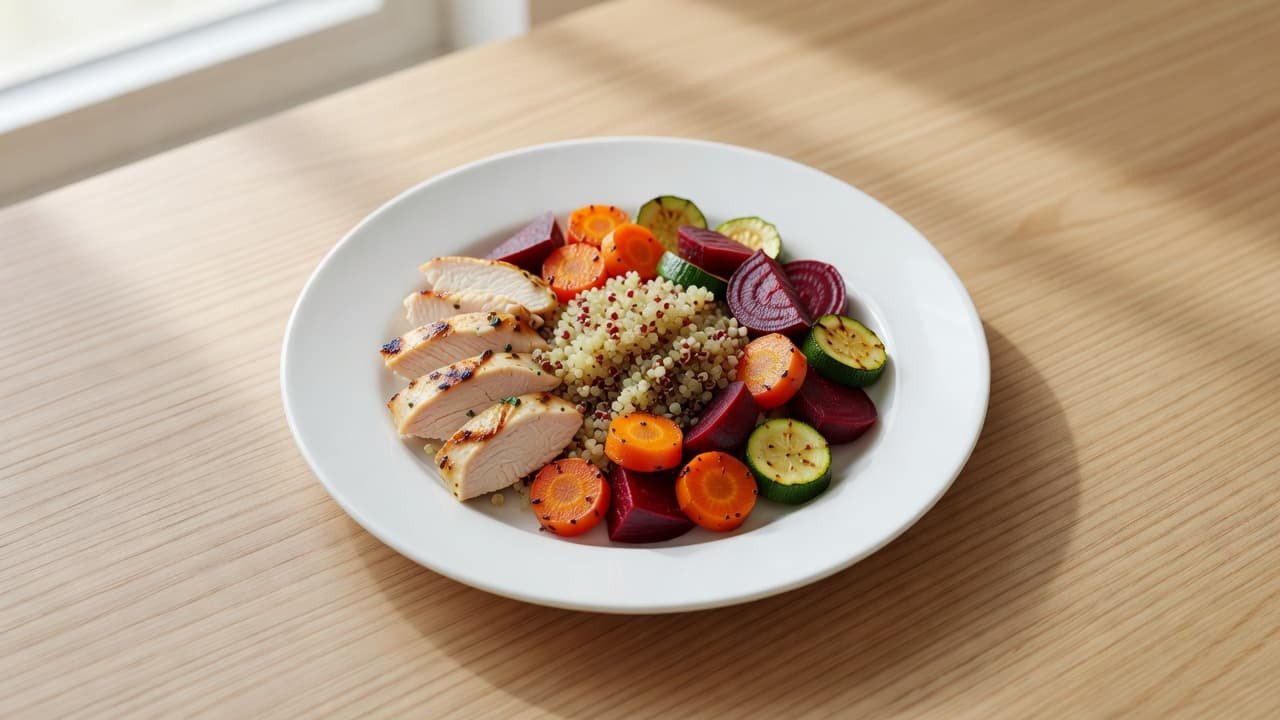
If you want more support for steady, hormone-friendly eating, foods that support hormonal health can give you more meal ideas that work well during your cycle.
Drink enough water and try soothing warm drinks
Hydration is simple, but it matters. Water can help with bloating, headaches, constipation, and fatigue, all of which can feel worse when your period starts. If plain water feels boring, add lemon, cucumber, or ice, and keep a bottle nearby so you sip without thinking about it.
Warm drinks can be comforting, too. Herbal tea, like peppermint, ginger, or chamomile, can feel calming when your body feels tense. Ginger tea is a popular choice for menstrual discomfort, and warm drinks in general can make you feel a little more settled. For a broader look at foods and drinks that may help during your period, NewYork-Presbyterian’s period nutrition guide is a useful reference.
If caffeine makes your cramps, anxiety, or sleep worse, cut back for a few days. One coffee probably won’t ruin anything, but too much caffeine can leave you feeling more wired, more tense, and less rested.
If you notice that caffeine ramps up cramping or jitteriness, switch one cup for tea or water and see how your body responds.
Keep cravings in check without feeling deprived
Period cravings are real, and they can hit hard. One minute you want something salty, the next you want chocolate, and suddenly every snack in the house feels necessary. That’s normal, so there’s no need to fight it like a rule you have to win.
The trick is to pair what you want with something more filling. A few squares of dark chocolate with almonds, popcorn with cheese, or yogurt with granola can satisfy a craving without sending your energy crashing an hour later. You still get the treat, but your body gets a little more staying power, too.
Try to keep salty snacks and ultra-processed foods in check if they make bloating worse. A small serving is fine, yet a whole bag of chips can leave you feeling puffier and more sluggish than you wanted. Balance is the goal, and that balance makes it easier to get through the day without feeling deprived.
Move gently when your period makes you feel stiff or sluggish
When your body feels heavy, tight, or drained, gentle movement can help more than you might expect. A little motion can loosen tense muscles, improve circulation, and take the edge off cramps without turning your day into a workout.
The key is to keep it easy. You want support, not strain, so let your symptoms set the pace.
Try walking, stretching, or gentle yoga
A short walk can wake up stiff hips and legs, and it often helps your lower belly feel less tense. Stretching can also ease that cramped, boxed-in feeling that sometimes shows up during your period, especially if you have been sitting for hours.
Simple movement is enough. Try a 10-minute walk around the block, a few slow hamstring stretches, or beginner-friendly yoga poses like child’s pose, cat-cow, or a gentle seated twist.
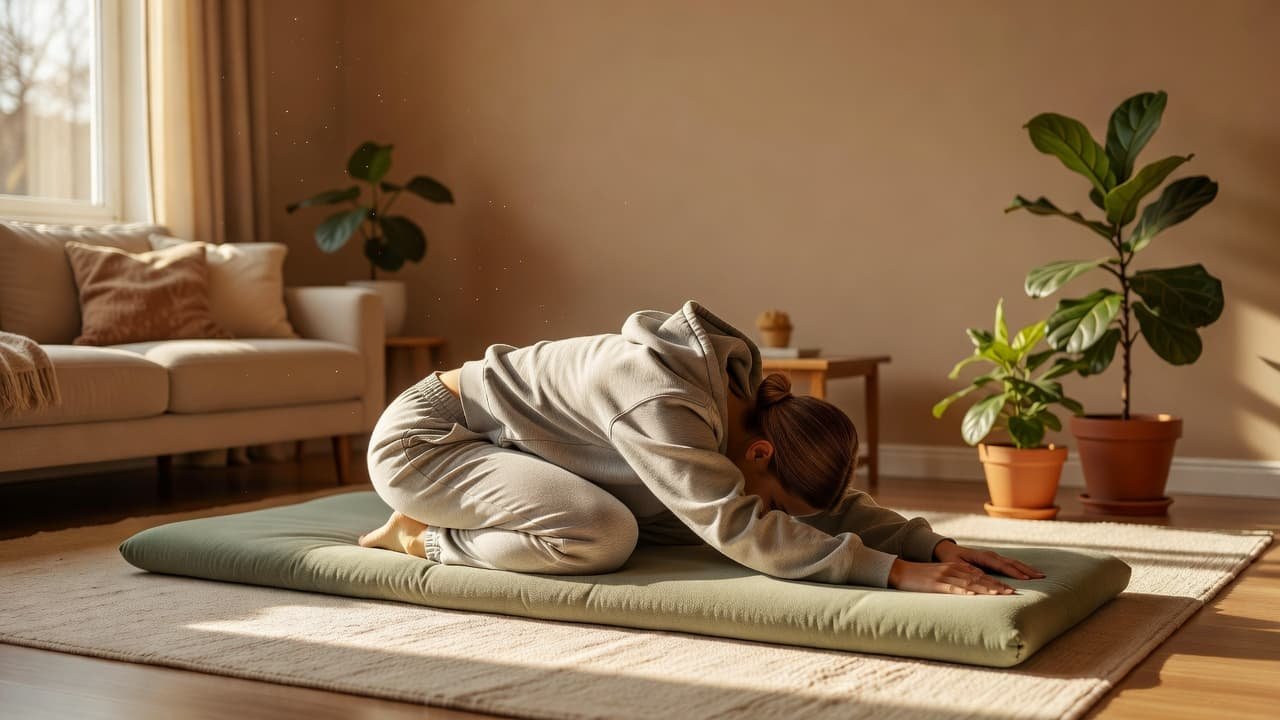
You do not need to push through discomfort to get benefits. Even light movement can help your muscles relax and may make the rest of your day feel easier.
A few low-pressure ideas:
- Walk for one song, then check in with your body.
- Roll your shoulders, circle your hips, and stretch your calves.
- Move slowly through a few yoga poses, breathing steadily as you go.
If a stretch makes cramps worse, back off right away. Your body should feel supported, not forced.
For some people, even a short, easy workout helps reduce menstrual pain and stiffness. The National Center for Biotechnology Information also notes that exercise can help with menstrual discomfort, which is why gentle movement is often worth trying before you shut the day down completely.
Know when rest is the better choice
Not every period day is a movement day. If you feel wiped out, have heavy bleeding, or strong cramps, rest may help more than any stretch or walk.
That does not mean you are being lazy. It means your body needs something different right now. On the heaviest days, slowing down can be the smartest choice.
Watch for signs that rest is the better call:
- You feel drained after basic tasks.
- Cramps are sharp or constant.
- Bleeding is heavy enough to make movement uncomfortable.
- You feel shaky, lightheaded, or generally unwell.
When that happens, give yourself permission to stop. A warm bed, a quiet room, and a little extra time off your feet can help your body recover without adding more stress.
Use movement to lift your mood
Gentle activity can do more than loosen your muscles. It can also help you feel calmer, less irritable, and a little more in control when your emotions feel close to the surface.
That matters on period days, when stress can stack up fast. A few minutes of movement can create a reset, almost like opening a window in a stuffy room.
If you want a simple mood boost, keep it realistic. Stretch while your tea brews, take a slow walk after lunch, or do a few easy poses before bed. Small wins count, and they often feel more doable than a full exercise plan.
Gentle movement can help with:
- Stress relief, because it gives your mind one simple task.
- Mood support, since even light activity can feel grounding.
- A sense of control, which is helpful when symptoms feel unpredictable.
You can also pair movement with other period care, like heat or hydration, so the day feels more manageable. If your body wants motion, give it motion. If it wants rest, listen to that instead.
Protect your mood and energy with small self-care habits
Period relief is not only about cramps. Mood swings, irritability, low motivation, and feeling extra sensitive can drain you just as fast. Small habits at home can make the day feel less heavy, especially when you keep them simple and repeatable.
Make a simple period self-care kit
A ready-to-go kit makes hard days easier because you do not have to think through every little thing while you feel off. Keep it in a box, bag, or drawer, and stock it with the basics you reach for most.
A practical kit can include:
- Pain relief supplies, such as your preferred medicine, a heating pad, or a hot water bottle
- Easy snacks, like crackers, nuts, chocolate, or granola bars
- Water or electrolyte packets, so hydration is close by
- Wipes or tissues, for quick cleanup and comfort
- A blanket or soft socks, because warmth can help you settle down
- A book, journal, or crossword, for when you want something calm and low-effort
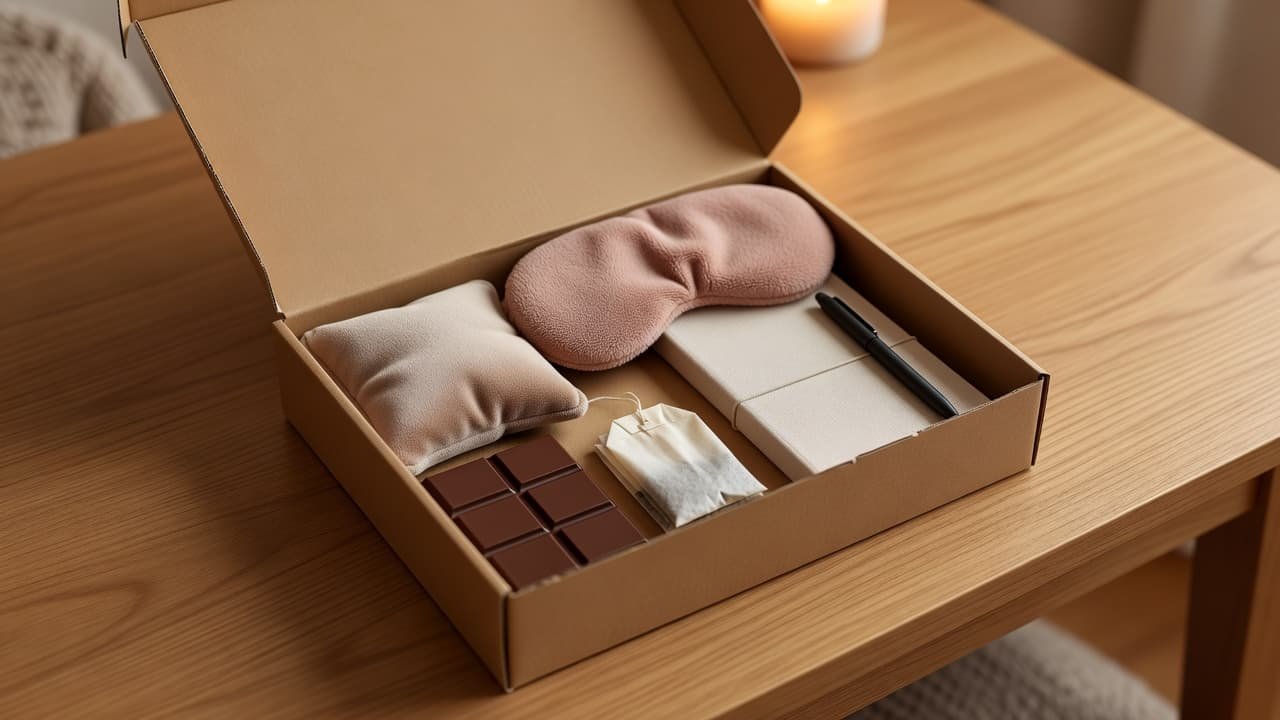
Keep it easy to refill. If you use the same items every cycle, the kit becomes one less thing to manage when your energy is low.
Lower the noise when you feel more irritable
When your patience runs thin, small triggers can feel bigger than they are. That is a good time to lower stimulation instead of forcing yourself to keep up with everything at full speed.
Try turning down screen time for an hour, muting extra notifications, or stepping away from social media if it starts to feel like too much. Even a short break can help your mind settle.
A few low-key options work well at home:
- Take a warm bath or shower and give yourself 15 quiet minutes.
- Rest with a heating pad on your lower belly or back.
- Write down what is bothering you, even if it feels messy.
- Sit in a dim room with tea, a blanket, or soft music.
If your mood feels shaky, reduce the input before you try to push through it. Less noise often helps more than more effort.
Track symptoms so future periods feel easier to plan for
Tracking your cramps, bleeding, mood, and cravings can make your next period easier to handle. Patterns often show up after a few cycles, and once you notice them, you can plan ahead with less guesswork.
You do not need a fancy system. A notes app or a simple period tracker is enough. Jot down the day your period starts, how strong the cramps feel, whether you feel irritable or tired, and any cravings that show up. Over time, that record can help you see what tends to happen before or during your period, which can make relief feel more predictable. Harvard’s guide to tracking your period explains how symptom tracking can help you notice those patterns more clearly.
A simple entry might look like this:
- Day 1, heavy flow, strong cramps
- Low energy, wanted salty snacks
- Better after heat and rest
- Less motivated, needed a quieter evening
That kind of note gives you a head start next time. If your symptoms follow a pattern, you can prepare your kit, meals, and schedule before the hardest part begins.
Pay attention when symptoms feel too severe
Some discomfort is common, but severe pain, very heavy bleeding, fainting, or symptoms that disrupt daily life should be checked by a doctor. You should also speak up if cramps keep getting worse, stop you from working or going to school, or make everyday tasks hard to do.
A calm rule is simple: if your period symptoms keep interfering with your life, they deserve medical attention. Getting help early can make it easier to find the cause and the right treatment.
Conclusion
The best period relief usually starts with the basics, comfort, hydration, gentle movement, and small self-care habits that make your body feel a little less stressed. Heat, steady meals, enough water, and light activity can ease cramps and fatigue without making your day harder.
Every period is different, so you may need to try a few options before you find what works best. Some cycles call for more rest, while others feel better with a short walk, a warm drink, or a simpler routine.
Small changes can make a real difference. It’s okay to rest, ask for help, and give yourself the same care you’d offer anyone else on a rough day.
Save the pin for later

- Healthy Air Fryer Recipes for Beginners - 21/09/2026
- Healthy Snacks for Late Night Cravings - 21/09/2026
- High Protein Meal Prep Ideas for Easy Weekly Meals - 21/09/2026

