Upper-arm tattoos give you room for detailed artwork without making it difficult to keep your ink private. The area is usually easy to cover with sleeves, yet a tank top or short-sleeved shirt can show it whenever you want. For more guidance on placement and visibility, compare these upper arm tattoo placement ideas.
This collection features 25 upper arm tattoo ideas across floral, fine-line, meaningful, geometric, portrait, colorful, and sleeve-inspired styles. The right design depends on what the tattoo means to you, the size you want, your pain tolerance, your budget, and how often you want it visible. Use the ideas below to find an upper-arm tattoo that fits both your personal style and your everyday life.
25 Upper Arm Tattoo Ideas for Women, From Delicate to Bold
The outer upper arm suits small tattoos and larger artwork that follows the curve from shoulder to elbow. These ideas are starting points, so you can combine elements with an artist to create something personal.
Floral and Nature Designs With a Soft, Timeless Look
Floral tattoos can feel feminine without looking overly delicate. Match the detail level to the planned size, since tiny petals and leaves need enough space to stay clear.
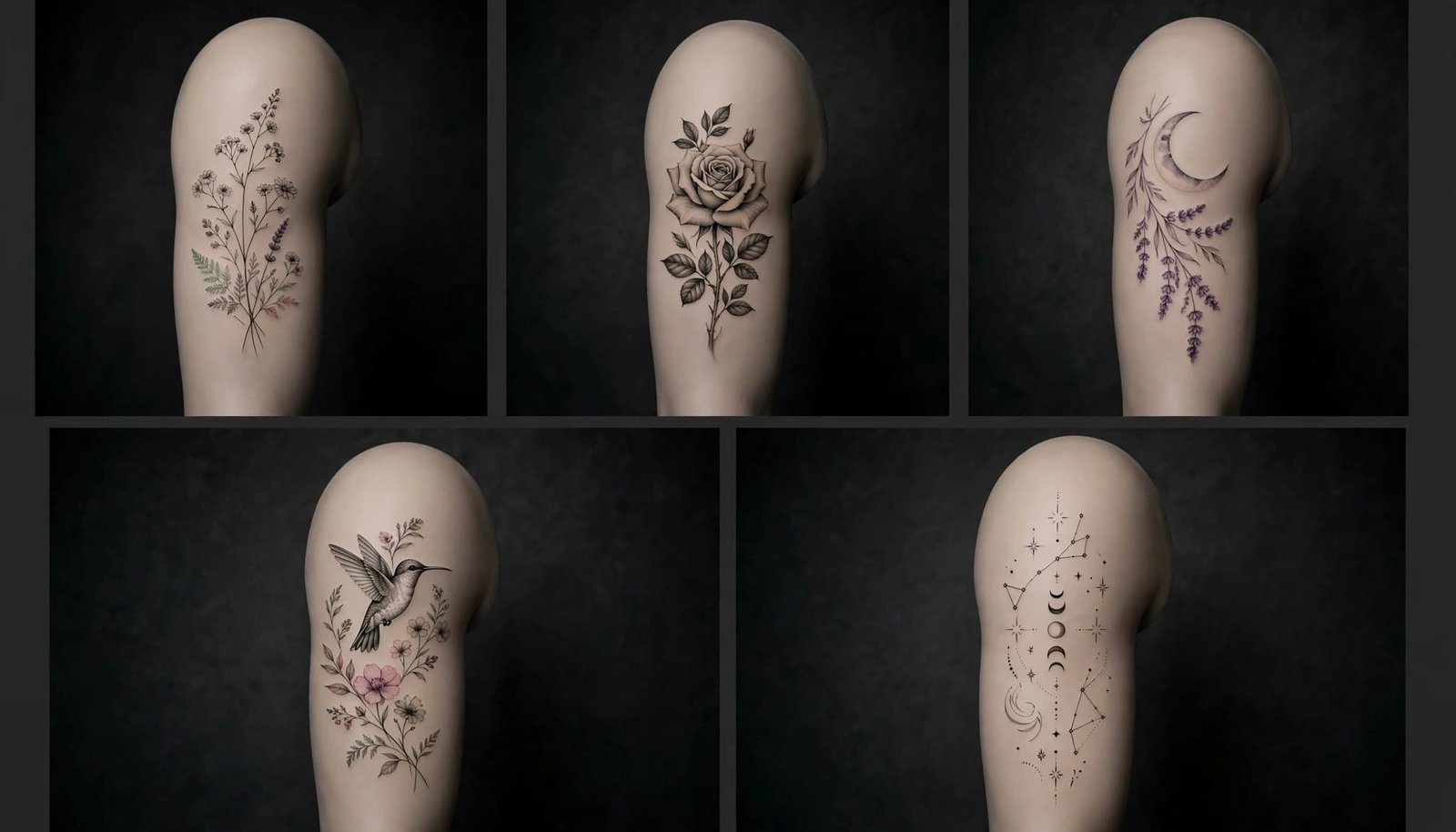
- A fine-line wildflower sprig can run vertically along the outer arm. Use birth flowers or a favorite plant to add personal meaning.
- A realistic rose with leaves works well on the outer bicep or shoulder. Choose black-and-gray shading, muted color, or hidden initials in a leaf.
- A botanical sleeve panel can extend from the shoulder toward the elbow. Combine several leaves with one meaningful flower for a fuller composition.
- A moon-and-lavender design fits near the shoulder or upper back of the arm. Add a birth date, tiny stars, or soft purple accents.
- A hummingbird with flowers creates movement on the outer bicep. Customize the bloom, bird colors, or a small plant connected to a loved one.
Stems naturally guide the eye vertically, while larger blooms can anchor the shoulder or outer bicep. For more meaningful floral tattoo designs, consider choosing a plant tied to a memory.
Fine-Line and Minimal Tattoos for a Clean, Elegant Style
Fine-line tattoos suit people who want subtle artwork that remains easy to cover. Still, very thin lines and close details may soften over time, so review an artist’s healed portfolio before booking.
- A tiny sun and moon pairing looks balanced near the shoulder. Add two small stars to suggest duality, change, or a personal relationship.
- A delicate crescent moon fits neatly on the back of the upper arm. Include a date or one tiny star for a private reminder.
- A single-line mountain range can sit horizontally across the outer bicep. Add a small sun to connect it with travel or an important place.
- A small butterfly trail can curve from the back of the arm toward the shoulder. Vary the butterfly sizes or use one muted accent color.
- A minimalist female profile works near the shoulder or outer arm. Add a simple flower, star, or initial without crowding the face.
Upper-arm skin generally offers a stable setting for fine-line work, but sunlight still affects healed ink. Choose an artist with strong healed examples, not only fresh photographs, and follow reliable fine-line tattoo aftercare guidance.
Meaningful Script, Symbols, and Personal Story Ideas
Lettering becomes more readable when the tattoo has enough size and spacing. A soft handwritten font feels intimate, while a traditional serif or bold typeface creates a stronger impression.
- A short quote along the arm can follow the bicep’s curve. Choose a line with personal meaning instead of a common inspirational phrase.
- A handwritten note from a loved one preserves familiar penmanship. Place it vertically on the back of the upper arm and keep the original spacing.
- A name with a small symbol can sit horizontally on the outer arm. Add a heart, flower, or star that connects to the person.
- A Roman numeral date looks clean near the shoulder or upper bicep. Double-check every number before the appointment.
- A compass with a personal word creates a directional design. Place the word beneath it and choose a date, location, or family phrase.
Curved lettering can follow the bicep, while short text usually reads best horizontally. Check spelling, accents, dates, and translations with more than one reliable source before getting permanent ink.
Geometric, Celestial, and Modern Upper Arm Art
Geometric tattoos look polished alone and can also become the first piece in a larger composition. Symmetry, circles, and repeated lines should follow the arm’s natural curve rather than fight it.
- A geometric mandala can center on the outer bicep. Use dotwork, negative space, or heavier blackwork for different levels of contrast.
- A sunburst fits beautifully near the shoulder cap. Extend the rays downward and leave open skin between them for breathing room.
- A constellation inside a shape combines astronomy with clean geometry. Choose a diamond, oval, or meaningful outline as the frame.
- An abstract linework design can wrap slightly around the upper arm. Add one small accent color or keep the entire piece black.
- A geometric animal silhouette offers a modern alternative to realism. Use an animal linked to your personality, heritage, or favorite place.
Careful placement and steady line work matter because small alignment errors can change the whole pattern. Review healed geometric tattoos before choosing an artist.
Bold Portraits, Colorful Pieces, and Sleeve Starters
Larger tattoos need room, contrast, planning, and a realistic budget. Portraits require an artist who specializes in realism, while colorful work should match the artist’s experience with the chosen style.
- A black-and-gray portrait belongs on the outer upper arm, where facial detail has room to breathe. Choose a loved one, artist, or historical figure.
- A colorful butterfly can spread across the shoulder and upper bicep. Watercolor effects create softness, while stronger outlines give the design clearer structure.
- A neo-traditional snake and flower piece combines bold outlines with rich color. Customize the snake’s pattern and replace the flower with a personal bloom.
- A blackwork ornamental panel creates strong contrast on the back or outer arm. Use repeated shapes, negative space, or lace-inspired details.
- A shoulder-to-elbow half-sleeve can begin with one central design and leave room for future flowers, stars, leaves, or connecting background.
Watercolor, neo-traditional, black-and-gray, and bold blackwork each create a different mood. Larger work usually requires multiple sessions, more planning, and a higher budget, so discuss the complete composition before starting.
How to Choose the Best Upper Arm Tattoo Design for You
Choosing an upper arm tattoo should start with its meaning, not only its appearance. Ask yourself what you want the design to represent: a person, a memory, a personal interest, a life change, or a feeling you want to carry with you. That answer gives your artist a stronger starting point than a saved image alone.
Before choosing a style, decide whether you want the tattoo to feel subtle, decorative, bold, or easy to expand later. Meaningful tattoo inspiration can help you connect the image with a personal story instead of choosing a design only because it looks popular.
Match the Design to Your Lifestyle and Placement
Visibility matters when you work in a formal setting, spend time around family, or prefer keeping personal artwork private. Short sleeves can reveal much of the outer upper arm, while longer sleeves usually cover it. The inner bicep offers more privacy, although that area may feel more sensitive during the tattoo session.
The outer upper arm gives medium and large designs more flexibility. Flowers, portraits, animals, and half-sleeve compositions can follow the arm’s natural shape without looking cramped. Meanwhile, a small symbol or short phrase may fit better on the inner bicep, especially if you want a design that’s mostly for you.
Clothing also affects the best placement. Check whether bra straps, fitted sleeves, or sleeveless tops will rub against or reveal the tattoo. Your body contour matters too, so ask the artist to place a stencil on your arm before committing.
A design that looks balanced on a flat reference image may need adjustments to follow the curve of your upper arm.
Use References Without Copying Another Tattoo
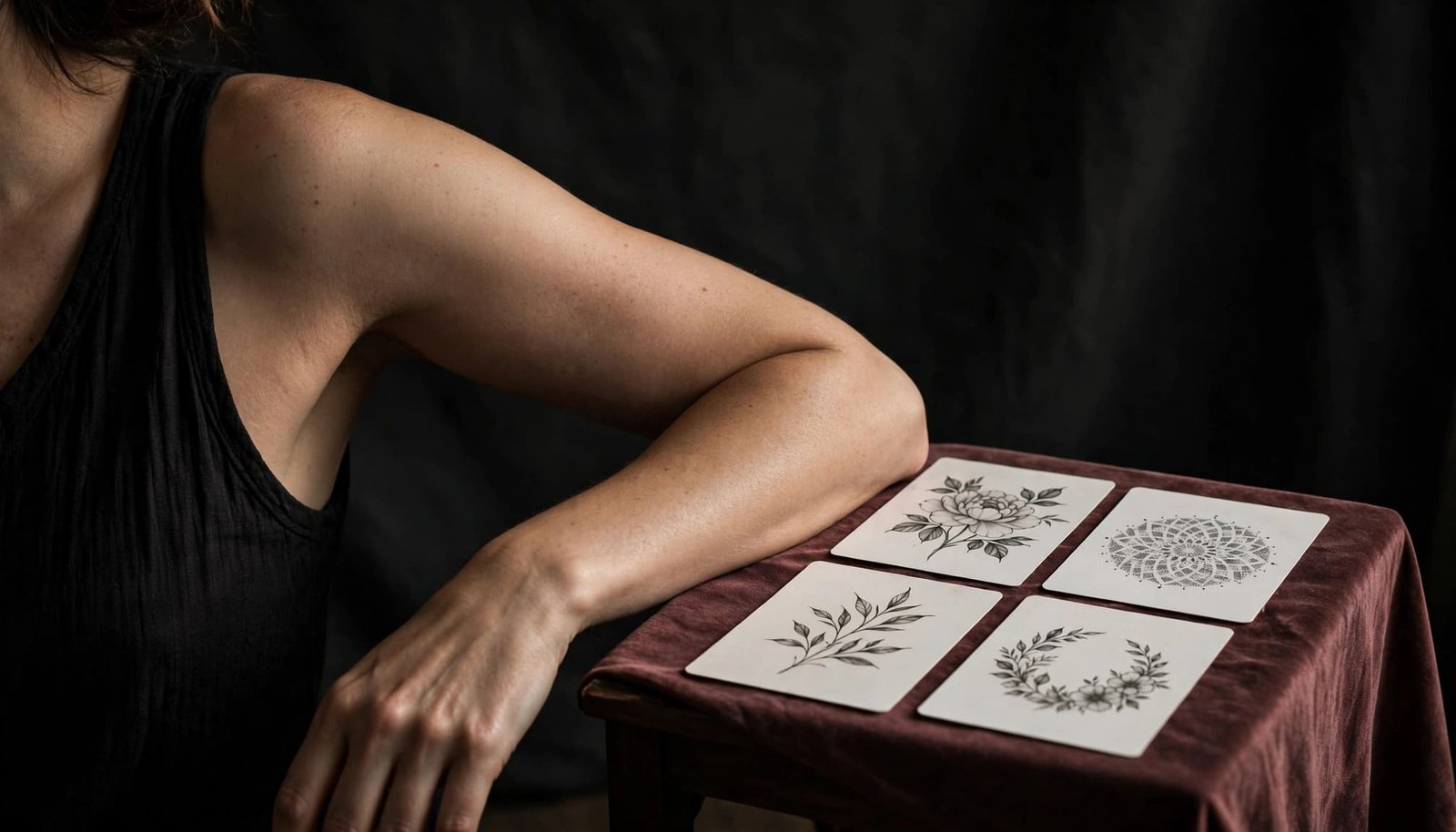
Save several reference images, then write down what attracts you in each one. You may like the thin lines in one tattoo, the placement in another, and the shading or flower choice in a third. This approach helps you identify your preferences without asking for an exact copy.
Next, show the references to your tattoo artist and request an original composition. A skilled artist can combine the details you like into artwork that suits your arm, skin, preferred scale, and future plans.
Also consider whether you want room for additional tattoos. A central flower, moon, or portrait can become the foundation for a larger sleeve. If you prefer a standalone piece, leave enough open space around it so the design remains visually clear.
Finally, review the artist’s healed work, not just fresh tattoos. Clear line quality, balanced proportions, and thoughtful placement will matter long after the appointment.
Upper Arm Tattoo Placement, Size, and Pain: What to Expect
Placement affects more than how visible your tattoo looks. It also changes the pain level, design clarity, healing experience, and amount of space available for future work. Before choosing an upper-arm tattoo, compare each area with your preferred size, lifestyle, and comfort level.
How Each Upper-Arm Placement Feels
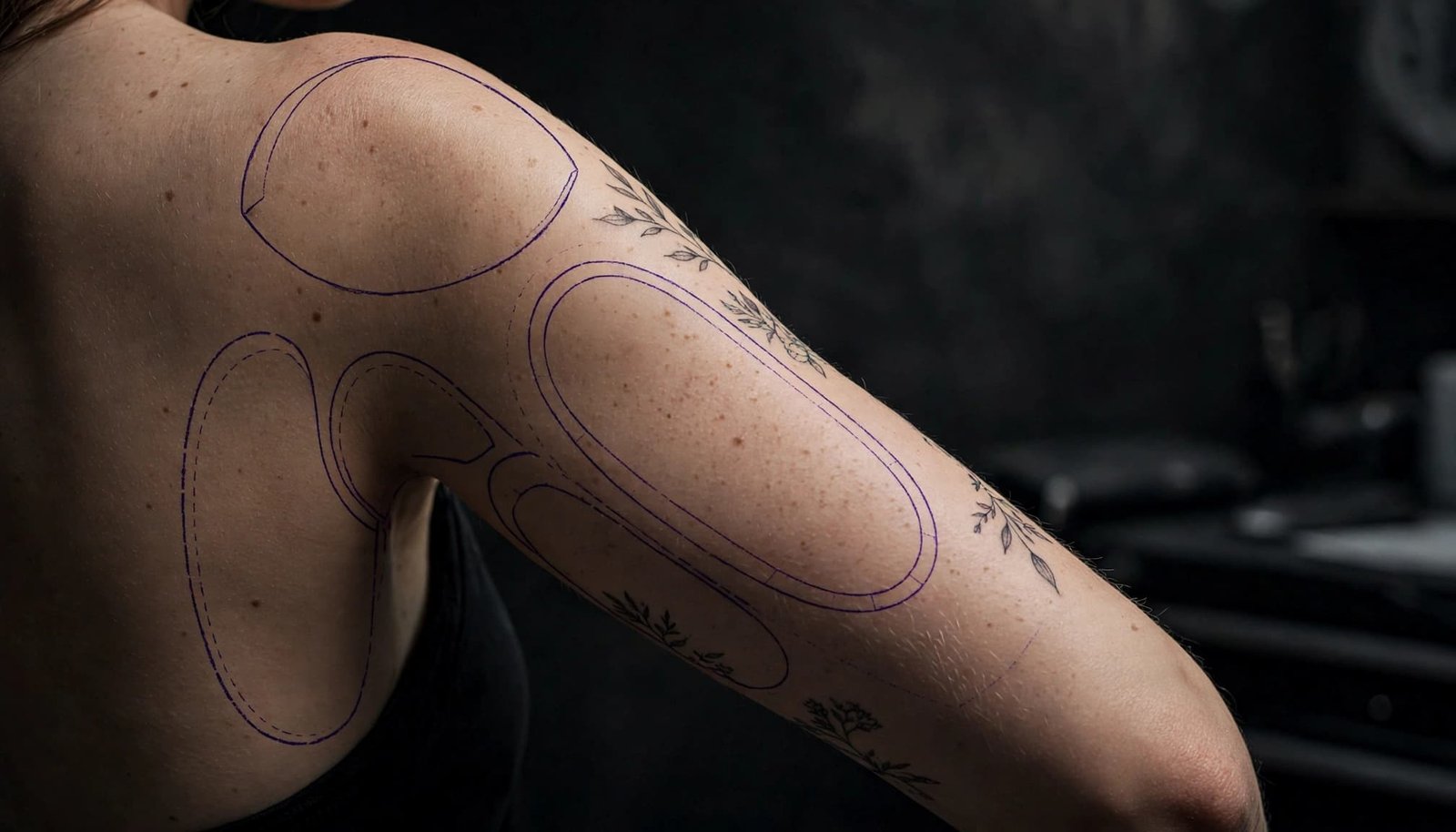
The outer upper arm is usually the easiest choice for a first tattoo. It has more muscle and padding, so pain often falls around 3 to 4 out of 10. This area also gives flowers, portraits, animals, and medium-sized symbols enough room to remain clear.
The shoulder cap is similarly practical. Its rounded shape suits mandalas, sunbursts, circular symbols, and designs that wrap slightly toward the bicep. Pain is usually low to moderate, although the outer edge may feel more sensitive near the sleeve line.
The back of the arm, over the triceps, usually falls between the outer upper arm and inner bicep. It works well for vertical designs, script, and artwork that follows the arm without wrapping too far around it.
The inner bicep offers more privacy, but it can feel much more sensitive. Many people describe this area as roughly 6 to 8 out of 10, especially during longer sessions. Thin skin, movement, and increased sensitivity can also make tiny details harder to maintain over time. For more context, compare these guidelines on what getting an upper arm tattoo feels like.
Areas close to the armpit are often the most uncomfortable. Sweat, shirt seams, skin movement, and repeated friction can affect healing, so avoid placing delicate detail directly in the crease. Leave enough space for your arm to move naturally without rubbing the fresh tattoo.
Pain estimates are general ranges, not promises. Your design, needle type, session length, skin sensitivity, and artist’s technique can all change the experience.
Choosing the Right Tattoo Size
Size affects readability, aging, cost, and future expansion. Use these ranges as practical starting points:
- Small designs, around 2 to 4 inches, suit simple flowers, symbols, butterflies, and short words. Avoid packing fine detail into a very small space.
- Medium pieces, around 4 to 8 inches, give portraits, roses, animals, and script more breathing room. This range often works best on the outer upper arm.
- Large designs can extend from the shoulder toward the elbow. They suit half-sleeves, ornamental panels, and compositions with several connected elements.
A larger tattoo usually costs more because it takes additional time and may require multiple sessions. It also gives your artist room for stronger line weight, cleaner spacing, and shading that stays readable as the ink ages.
Before approving the stencil, move your arm through its normal range. Check where the design sits with your arm relaxed, raised, and beside your body. That simple test can prevent unwanted friction and help the artwork follow your natural shape.
Color, Black and Gray, or Fine Line: Which Style Fits Your Idea?
The tattoo style you choose affects its mood, readability, upkeep, and how it may age. Match the technique to your design idea, skin tone, preferred level of visibility, and willingness to protect the tattoo from sunlight.
Black-and-Gray Tattoos for Contrast and Depth
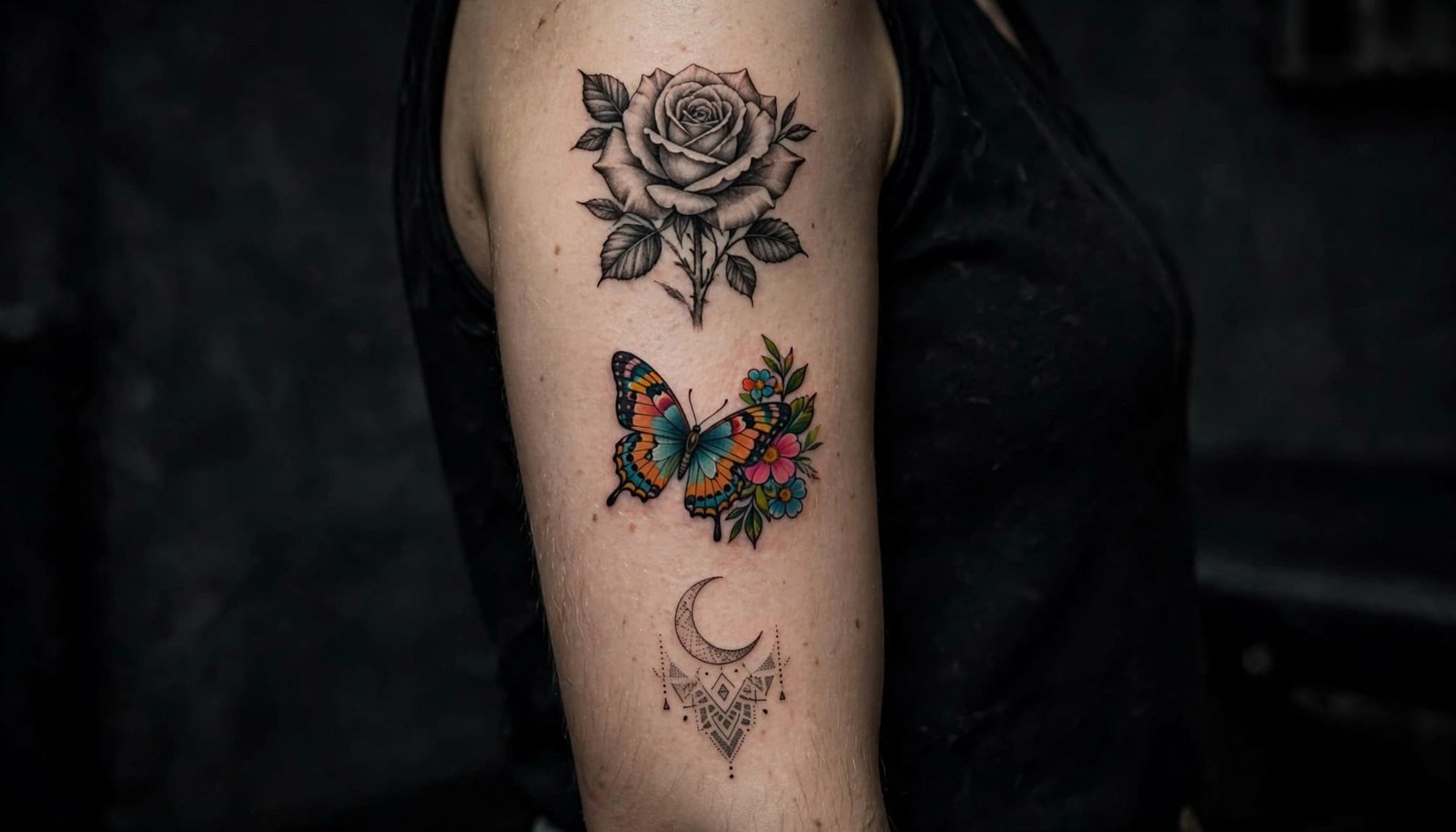
Black-and-gray tattoos use shading, soft gradients, and contrast instead of bright pigment. This approach suits realistic roses, portraits, animals, religious imagery, and dramatic ornamental pieces. It can create a classic look that remains readable across medium and large upper-arm designs.
Because dark ink usually provides strong contrast, black-and-gray work often ages more clearly than very pale designs. However, shading can soften over time, especially with frequent sun exposure. Protect healed tattoos with broad-spectrum, water-resistant SPF 30 or higher, and keep fresh ink covered rather than applying sunscreen before the skin heals. The tattoo aftercare research also recommends keeping a healing tattoo away from direct sunlight.
Color Tattoos for Flowers, Birds, and Bold Art
Color makes certain subjects feel more vivid. Red roses, blue butterflies, colorful birds, and neo-traditional designs can stand out beautifully against the upper arm’s natural shape. Saturated colors create energy, while muted shades give the piece a softer appearance.
Color work may take more time because the artist builds and blends several pigments. Lighter shades and pastels can also show fading sooner, especially when the tattoo receives regular sunlight. After healing, use sunscreen consistently and consider clothing or shade during long outdoor activities. Skin tone also affects how certain colors appear, so ask your artist which pigments will provide enough contrast for your complexion.
Fine Line, Blackwork, and Dotwork
Fine-line tattoos create a light, delicate effect with narrow outlines and limited shading. They suit minimalist flowers, small celestial designs, handwritten details, and graceful botanical pieces. Still, the design needs enough size and spacing. When thin lines sit too close together, they may soften or blur as the tattoo ages.
Blackwork offers the opposite effect. Heavy black shapes, bold outlines, and solid areas create graphic contrast that can look striking on the outer arm. Dotwork uses carefully placed dots for shading, texture, and geometric patterns. Both styles can produce strong visual structure without relying on color.
Skin tone, design size, sun exposure, and aftercare all affect the final result. Before booking, judge an artist by healed tattoos in the exact style you want, not only fresh social media photos. Fresh ink can look sharper and darker than healed work, so ask to see examples several months or years after the appointment.
Cost, Artist Selection, and Smart Booking Tips
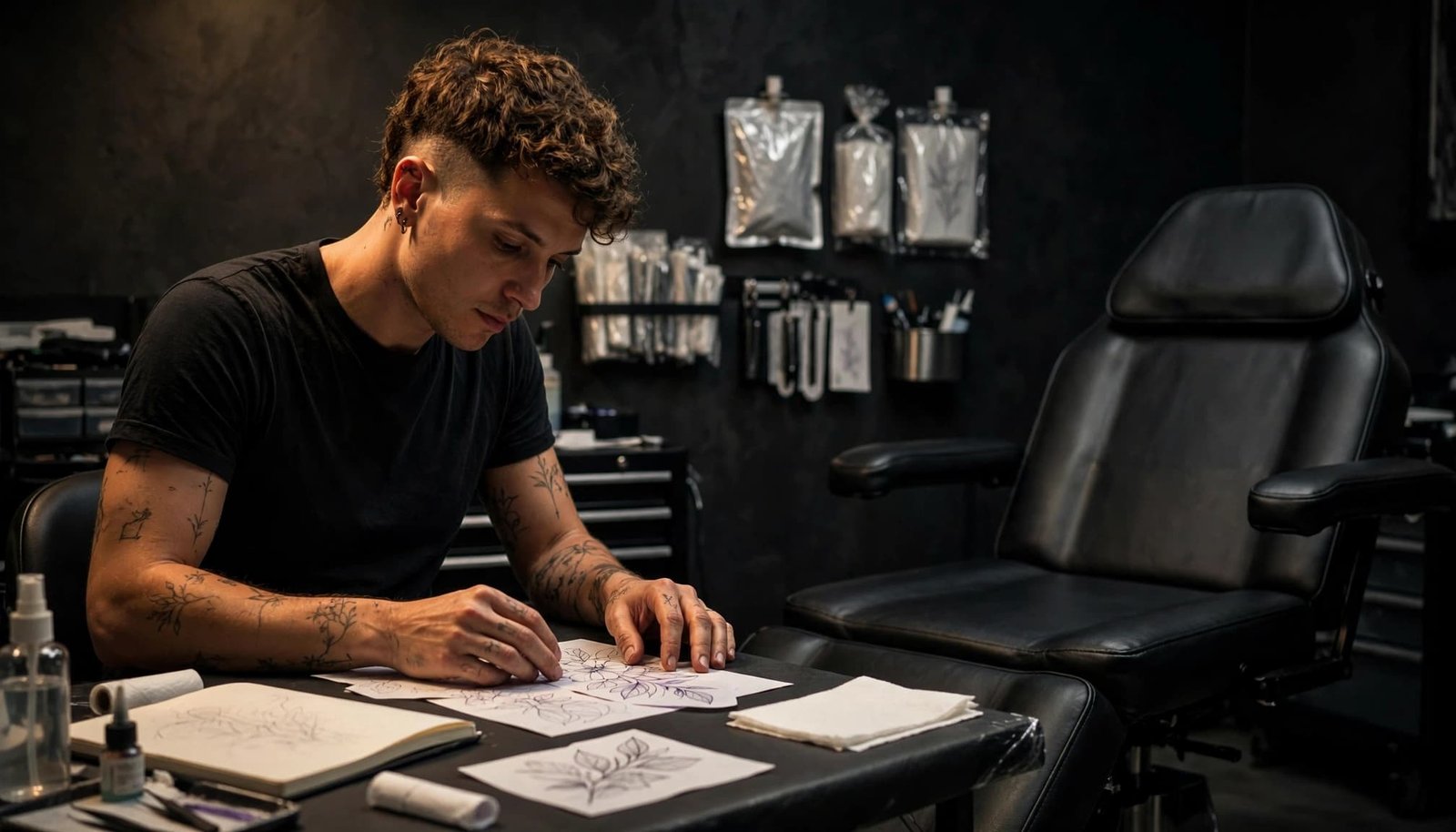
Upper-arm tattoo prices vary widely, so treat online figures as planning estimates rather than guarantees. Your final quote depends on the artist, studio location, design complexity, session time, and whether you request a custom drawing.
What an Upper-Arm Tattoo May Cost
Many established US artists charge roughly $150 to $300 per hour. Highly booked specialists, especially in major cities, may charge $300 to $500 or more per hour. Shops often set minimums around $80 to $150, even when a small tattoo takes less than an hour.
For general planning, expect these broad ranges:
- A small upper-arm tattoo may cost about $150 to $350.
- A medium piece may cost around $300 to $900.
- A large, colorful, realistic, or highly detailed design may cost $700 to $1,800 or more.
Realism and portraits usually cost more because they require careful proportions, shading, and technical control. Fine-line tattoos may look simple, but custom drawing, precise placement, and slow linework can increase the price. Color saturation also adds time, especially when the design includes several shades or dense coverage.
Your city matters as well. Artists in major metropolitan areas often charge more because of rent, demand, and appointment volume. Before booking, ask whether the quote includes custom design time, revisions, multiple sessions, and touch-ups.
How to Choose a Skilled and Safe Artist
Start with the artist’s healed portfolio, not only fresh tattoos posted immediately after a session. Look for healed upper-arm work in the exact style you want, such as fine line, blackwork, realism, color, or ornamental design.
The studio should also follow clear hygiene practices. Ask how the artist sterilizes reusable equipment, disposes of needles, and prevents cross-contamination. Review the FDA’s tattoo safety guidance before your appointment, and check licensing or health department requirements where your state or county requires them.
A good artist should explain how the design will fit your arm when relaxed and when it moves. If the artist rushes the consultation, dismisses your questions, or shows no healed examples, keep looking. Skill and safety are worth more than the cheapest quote.
Questions to Ask Before Booking
Use the consultation to confirm the practical details in writing. Helpful questions to ask before booking include:
- What is the hourly rate or flat project price?
- How much is the deposit, and is it credited toward the tattoo?
- What happens if you cancel or need to reschedule?
- Does the price include custom drawing, revisions, and touch-ups?
- How many sessions might the design require?
- Which aftercare products should you purchase?
Set aside the deposit, which commonly ranges from $50 to $200, plus about $20 to $60 for cleanser, ointment, or other aftercare supplies. A written estimate helps you compare artists fairly and prevents unexpected costs.
Upper Arm Tattoo Aftercare and Long-Term Care
Your tattoo artist’s aftercare instructions should come first because dressing type, ink coverage, and healing methods can vary. In general, treat fresh ink as healing skin that needs cleanliness, protection, and minimal friction.
Caring for a Fresh Upper Arm Tattoo
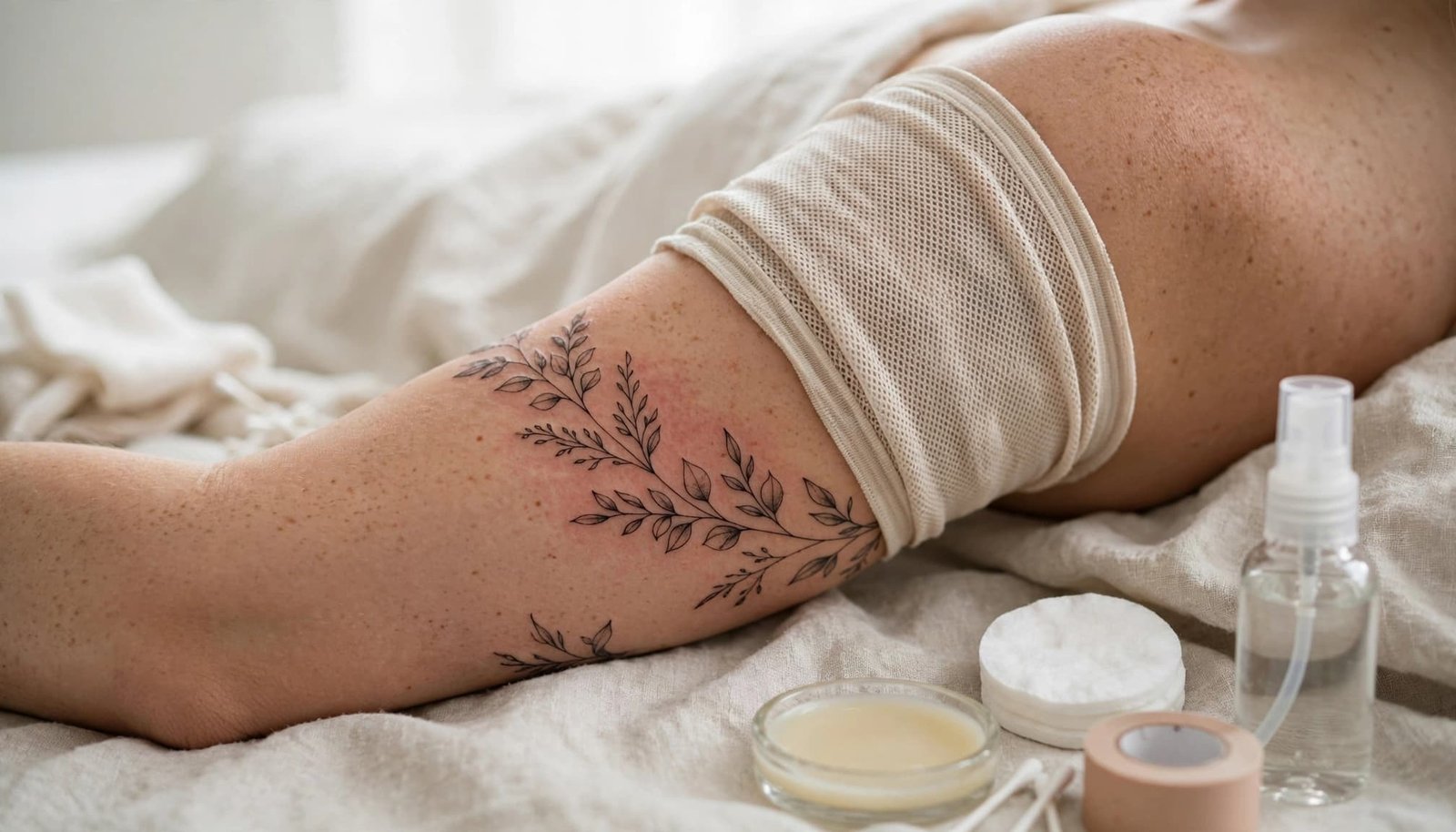
Wash your hands before touching the tattoo. Clean the area gently with lukewarm water and mild, fragrance-free soap, then pat it dry with a clean paper towel or soft towel. Don’t scrub, rub, or use a washcloth over the design. Guidance from the Mayo Clinic’s tattoo care advice also recommends gentle washing and avoiding sun exposure while the tattoo heals.
Apply only a thin layer of the balm, ointment, or fragrance-free lotion recommended by your artist. Too much product can trap moisture and irritate the skin. Wear loose, clean clothing that won’t press against the upper arm, catch on peeling skin, or create repeated friction.
While the tattoo heals, avoid the following:
- Picking peeling skin or scabs, even when itching becomes distracting.
- Soaking the tattoo in a bath, pool, hot tub, or other body of water.
- Swimming until the skin has fully closed and your artist approves.
- Exposing fresh ink to direct sunlight or tanning beds.
- Wearing tight sleeves that trap sweat or rub the design.
Surface healing often takes about two to three weeks. Deeper layers can take six weeks or longer, especially when the tattoo is large, heavily shaded, or saturated with color. Some large upper-arm pieces may take a few months to fully settle, so don’t judge the final appearance too early.
Exercise, Sun Protection, and Long-Term Care
Upper-body workouts may need to pause for about 10 to 14 days if exercise causes heavy sweating, skin stretching, or equipment friction. A short walk may be fine, but avoid activities that press the tattoo against benches, straps, or dirty gym equipment. Resume workouts gradually once the skin looks closed and feels comfortable.
After healing, protect the tattoo with broad-spectrum, water-resistant SPF 30 or higher. Apply it whenever your upper arm will receive sunlight, and reapply during extended outdoor activities. Sun exposure can fade both bright color and delicate fine-line work, so loose clothing offers extra protection during long days outside. The FDA’s tattoo safety guidance advises contacting a health professional if the tattoo develops an unusual reaction or fails to heal normally.
Contact a medical professional if you notice worsening redness, severe swelling, pus, fever, increasing pain, or spreading warmth. Mild tenderness and peeling can be normal, but symptoms that intensify instead of improving need prompt attention. Keep your artist informed as well, especially if your clinician suspects an infection or allergic reaction.
Conclusion
The strongest upper arm tattoo choice balances personal meaning with style, placement, size, budget, and artist skill. This versatile area can hold anything from a small fine-line symbol to a detailed floral design, portrait, colorful piece, or future sleeve. If meaning matters most, these meaningful tattoo ideas for women can help you refine the story behind your design.
Bring your favorite references to a qualified artist, but use them as inspiration rather than requesting an exact copy. Your artist can create a custom composition that follows the shape of your arm, suits your preferred visibility, and leaves the right amount of space for detail or future additions.
Choose two or three favorite concepts, review portfolios with healed work, and schedule a consultation after checking the artist’s safety practices and written aftercare guidance.
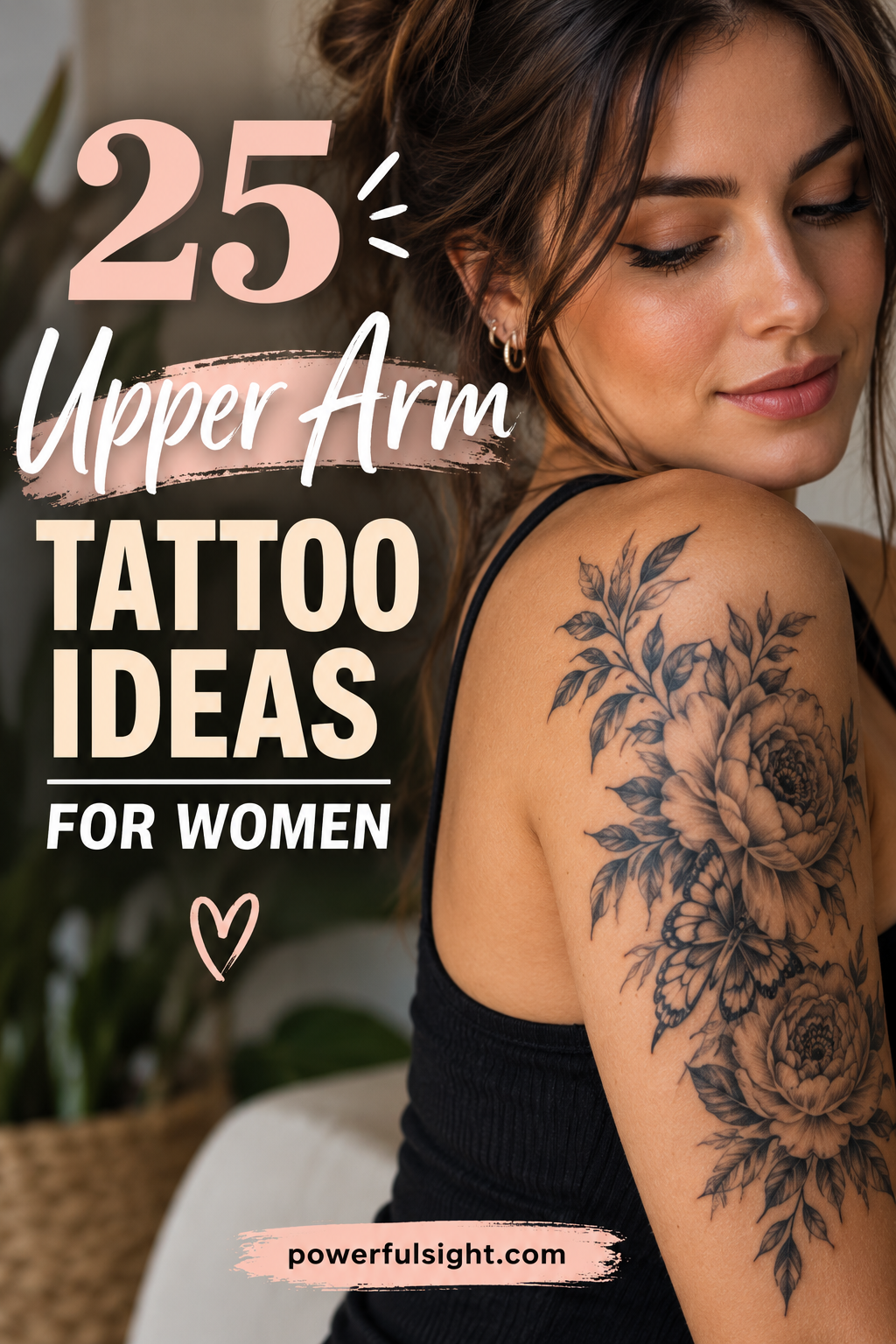
Save the pin for later
- 25 Gothic Tattoo Ideas for a Bold, Dark Look - 21/09/2026
- 34 Black Fine Line Tattoo Ideas for a Delicate Look - 21/09/2026
- 23 Micro Tattoo Ideas for Women With Meaning - 21/09/2026

