After antibiotics, your gut can feel like a garden after a hard storm, with soil stripped bare and a few good shoots left behind. The medicine does its job, but it can also wipe out helpful bacteria along with the harmful ones, and that can leave your digestion feeling off.
That’s why what you eat next matters. The right foods can help gut health recover, feed the bacteria you want to grow, and make meals feel easier on a sensitive stomach. A steady mix of fermented foods, fiber-rich plants, and simple, nourishing meals can help your system settle again.
At the same time, some foods can make the rough patch last longer, especially when your gut is already irritated. Sugary snacks, heavy fried meals, and alcohol can slow the healing process, so it helps to know what to limit while your body resets.
If you’re wondering what to eat after antibiotics for gut health, the answer is simple: start gently, choose foods that feed good bacteria, and give your digestion a little time.
Why your gut may feel off after antibiotics
Antibiotics do their job well, but they can leave your gut a little shaken. Your digestive system holds a busy mix of bacteria, and those microbes help break down food, support regular bowel movements, and keep things balanced. When antibiotics enter the picture, they can disturb that balance, so your stomach may feel different for a while.

How antibiotics affect good and bad bacteria
Antibiotics are designed to target harmful bacteria, but they do not always stop there. They can also reduce the helpful microbes that live in your gut and support digestion. It’s a little like pulling weeds from a garden and taking a few healthy plants with them.
When that happens, the balance shifts. Harmful bacteria may have more room to grow, while the good bacteria need time to rebuild. That change can leave your gut less steady than usual, even if the medicine is working exactly as it should.
This is why some people feel off after treatment. The effect is often temporary, but the gut may need days or even weeks to settle back into its normal rhythm.
Your gut does not stay disrupted forever, but it does need time and care to recover.
Common digestive changes to watch for
After antibiotics, you may notice a few short-term changes in how your body feels:
- Bloating
- Gas
- Loose stools
- Constipation
- Stomach discomfort or cramping
- A more sensitive stomach after meals
These symptoms do not happen to everyone, but they are common enough to expect. For many people, they fade once the course of antibiotics ends and the gut starts to rebalance.
Pay attention to how your body responds to food during this time. Some meals may feel soothing, while others may sit heavily or trigger more gas. That feedback matters, because it helps you choose foods that support recovery instead of adding more stress to your digestion.
Best foods to rebuild healthy gut bacteria
After antibiotics, your gut often needs two kinds of support at once. It needs foods that bring in helpful microbes, and it needs foods that help those microbes settle in and grow. The best choices are simple, steady, and easy on a system that may still feel a little raw.
A good place to start is with small servings of fermented foods, then add fiber-rich plant foods and gentle whole foods as your stomach calms down. That mix gives your gut bacteria a better chance to recover without overwhelming digestion.
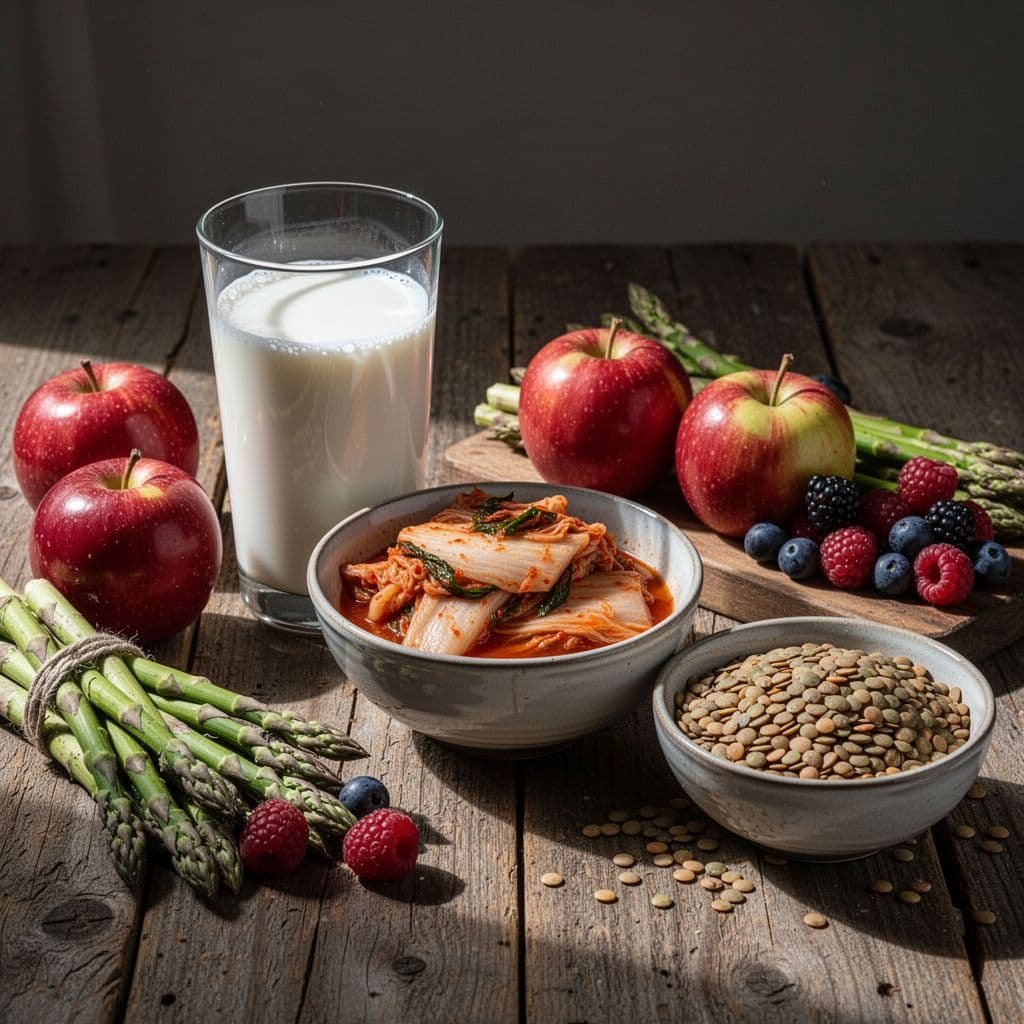
Fermented foods that add helpful bacteria
Fermented foods can help introduce live, helpful bacteria back into your gut. Good options include yogurt with live cultures, kefir, sauerkraut, kimchi, miso, tempeh, and kombucha. A small serving with a meal is often easier to handle than a big portion on an empty stomach.
These foods do not work the same way for everyone. If your gut feels sensitive, large amounts can cause gas, bloating, or cramping at first. That is why it helps to start small and pay attention to how you feel after each serving.
Choose lower-sugar, live-culture options when you can. Plain yogurt, unsweetened kefir, and low-sugar kombucha are usually better picks than sweetened versions. For a simple starter plate, try yogurt with fruit, or a spoonful of sauerkraut beside eggs or rice.
Start with a few bites, not a full bowl. Your gut usually likes gentle steps better than sudden changes.
If you want more food ideas that support digestion, these gut-friendly foods are a helpful next step.
Fiber-rich foods that feed good bacteria
Prebiotics are the food your helpful gut bacteria eat. In plain terms, they help the good microbes already in your gut stay active and grow. Fiber-rich foods are one of the best ways to give them that support.
Good sources include oats, bananas, apples, berries, beans, lentils, whole grains, asparagus, onions, garlic, leeks, artichokes, nuts, seeds, and leafy greens. These foods do more than fill you up. They help create the kind of gut environment good bacteria like.
Because fiber can be rough on a sensitive stomach, increase it slowly. A bowl of oatmeal, a banana, or a slice of whole-grain toast may feel better than a huge bean salad on day one. Cooked vegetables often work better than raw ones early on, especially if you are still bloated.
A steady rhythm helps here. Add one new high-fiber food at a time, drink enough water, and let your body adjust. If you jump too fast, your gut may push back with extra gas or pressure.
Gentle whole foods that are easy to digest
When your stomach feels tender, simple whole foods can be a relief. They give you nutrients without piling on extra grease, spice, or heaviness. Think of meals that feel calm, clean, and easy to settle.
Cucumbers, watermelon, oranges, and other watery fruits can help with hydration while keeping meals light. Salmon adds protein and healthy fats without the heaviness of fried meat. Walnuts, chia seeds, and flaxseeds bring healthy fats and fiber in small amounts that are easy to work into meals.
This is a good time for soft, plain combinations. A bowl of rice with salmon and cooked vegetables feels easier than a rich pasta dish. Fruit with yogurt or oats can also be a gentle breakfast after antibiotics.
If you need more ideas for meals that sit well, high-fiber meal ideas for bloating can help you build a plate that supports digestion without weighing you down.
Some of the most helpful foods after antibiotics are also the simplest. A short list like this can guide your plate:
- Cucumbers and watermelon for hydration
- Salmon for protein and healthy fats
- Walnuts, chia seeds, and flaxseeds for fiber and fat balance
- Oranges and berries for light, fresh fruit
- Cooked vegetables for a softer, easier bite
The best meals right now are usually the ones that feel steady, not rich. When you combine fermented foods, fiber, and gentle whole foods, you give your gut bacteria a better chance to recover without extra strain.
What to limit while your gut is recovering
Your gut is working hard right now, so this is a good time to keep meals simple and steady. Some foods can slow progress because they are heavy to digest, low in fiber, or full of ingredients that feed the wrong kind of gut bacteria.
That does not mean you need a perfect diet. It just means certain choices may make your stomach feel more sensitive while things settle down. The goal is to give your digestion less work, not more.
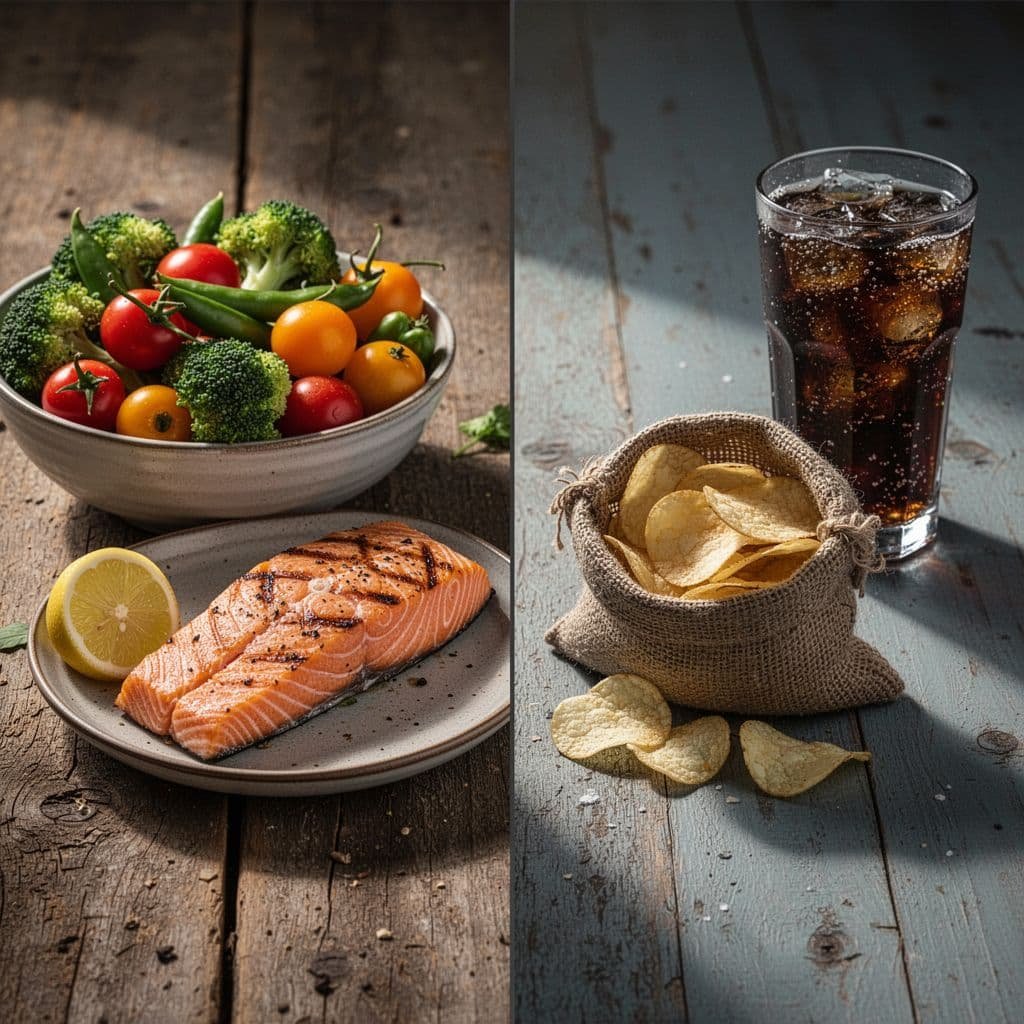
Foods and drinks that can slow progress
Some foods are harder on a recovering gut because they are stripped of fiber, packed with sugar, or loaded with grease. Fast food, chips, packaged snacks, sugary foods, soda, alcohol, greasy fried foods, and artificial sweeteners can all make digestion feel heavier. They may also feed the less helpful microbes in the gut, while your beneficial bacteria are still trying to rebuild.
A few common examples are easy to spot:
- Fast food and fried meals can sit heavily and slow digestion.
- Chips and packaged snacks often lack the fiber your gut bacteria need.
- Candy, pastries, and soda can flood your system with sugar.
- Alcohol can irritate the gut lining and make bloating worse.
- Artificial sweeteners can upset digestion for some people, especially during recovery.
If you’re trying to keep meals gentle, low-sugar gut health juice ideas can be a lighter swap than soda or sweet drinks. For a deeper look at what can help after treatment, the foods to eat and avoid after antibiotics offers a useful overview.
A temporary break from heavy, sugary, or greasy foods can give your gut more room to reset.
How to tell if a food is making symptoms worse
The easiest way to spot a problem food is to watch patterns. Keep a simple note of what you ate and how your stomach felt over the next few hours. If bloating, cramps, gas, or loose stools show up after the same food more than once, that food may be part of the issue.
Pay attention to portions too. Sometimes a small serving feels fine, while a larger one triggers symptoms. That matters because not every gut reacts the same way, and your body may handle one food better than another.
A quick food log can help you make smarter choices without guessing. Write down the meal, the time, and any symptoms. Over a few days, the pattern usually becomes clear, and that makes recovery feel a lot less confusing.
If constipation is part of your recovery, foods that help with constipation relief may help you choose gentler options while your gut steadies itself.
A simple way to eat for gut recovery each day
The easiest way to support gut recovery is to keep meals balanced, soft when needed, and easy to repeat. You do not need a strict plan or a long list of rules. You need a plate that gives your gut a little help each time you eat.
A good pattern is simple: add one fermented food, one fiber-rich food, one protein source, and one gentle fruit or vegetable. That mix gives your body live cultures, fuel for good bacteria, steady energy, and food that feels lighter on a sensitive stomach. If bigger meals feel like too much, small meals often work better for a few days.
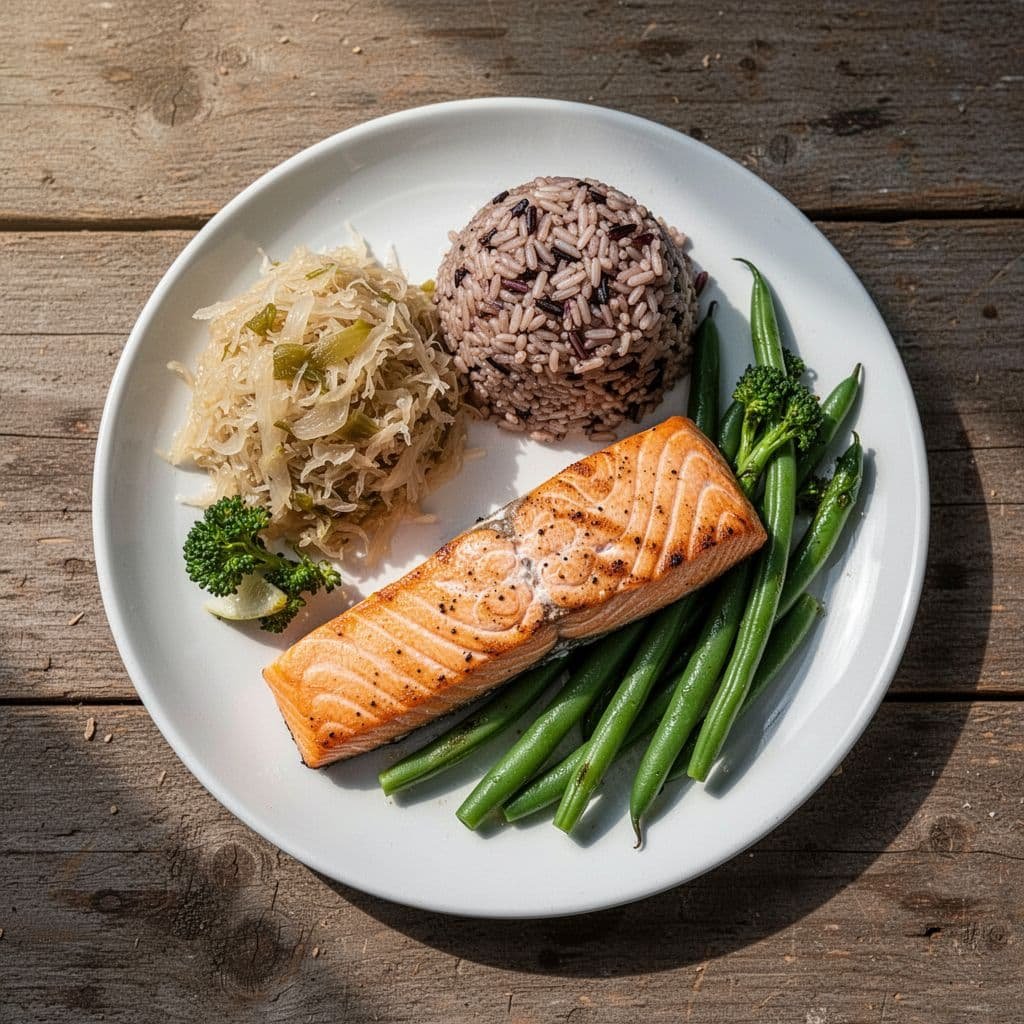
A balanced plate that supports digestion
Build your plate the way you would build a calm, steady meal. Start with a base like brown rice, oats, or whole-grain toast. Add a protein such as eggs, chicken, salmon, tofu, or yogurt, then tuck in a small portion of fermented food like sauerkraut, kefir, or plain yogurt with live cultures.
From there, add a gentle plant food. Cooked carrots, zucchini, spinach, or green beans often sit well. If you want fruit, try banana, berries, oranges, or applesauce. The plate does not need to be perfect, just balanced enough to keep your gut from feeling overwhelmed.
For a practical example, picture this:
- Breakfast: oatmeal with banana, plain yogurt, and chia seeds
- Lunch: rice, salmon, cooked spinach, and a spoonful of sauerkraut
- Dinner: chicken soup with carrots, whole-grain toast, and a few cucumber slices
That kind of meal gives your digestion a clear job without making it work too hard. For more food choices that can help calm pressure and discomfort, see foods that naturally reduce bloating.
Easy snack ideas for sensitive stomachs
Snacks should feel like a bridge, not a burden. When your stomach is touchy, pick combinations that are simple and familiar, then keep portions small.
A few easy options work well on busy days:
- Yogurt with fruit for probiotics and gentle sweetness
- Oats with banana for soft fiber and steady energy
- Apple with nut butter for a mix of fiber, fat, and protein
- Toast with peanut butter when you need something plain and filling
- Kefir and berries if dairy sits well and you want a cooler snack
These snack pairs are easy to assemble and easy to digest. They also help you avoid the sharp swings that come from sugary snacks or empty calories. In one helpful review of post-antibiotic eating, Medical News Today notes that a mix of fiber, probiotics, and whole foods can support the gut while it recovers.
Why water matters during recovery
Water keeps digestion moving, and that matters more when your gut is trying to reset. It helps fiber do its job, supports regular bowel movements, and replaces fluids if antibiotics left you with loose stools or an upset stomach.
Keep a bottle nearby and sip through the day instead of waiting until you feel thirsty. That habit helps more than gulping a lot at once. You can also get extra fluid from foods like cucumbers, oranges, and watermelon, which add water without feeling heavy.
If plain water feels boring, pair it with meals or snacks. A glass with oatmeal, another with lunch, and one in the afternoon can make a real difference. Small, steady hydration gives your gut a better chance to settle and work the way it should.
Conclusion
After antibiotics, gut recovery usually moves in small steps, not one big leap. The best support is simple and steady, with fermented foods, fiber-rich plants, gentle whole foods, plenty of water, and fewer foods that stir up the stomach.
That calm routine gives your gut the fuel it needs to rebuild balance without extra strain. A small bowl of yogurt, a serving of oats, cooked vegetables, or a plain meal can do more than a heavy, rushed plate.
If you want more practical food ideas and wellness tips, follow us on Pinterest. With each meal, you can give your gut a little more room to settle, and that next choice can be the one that feels right.
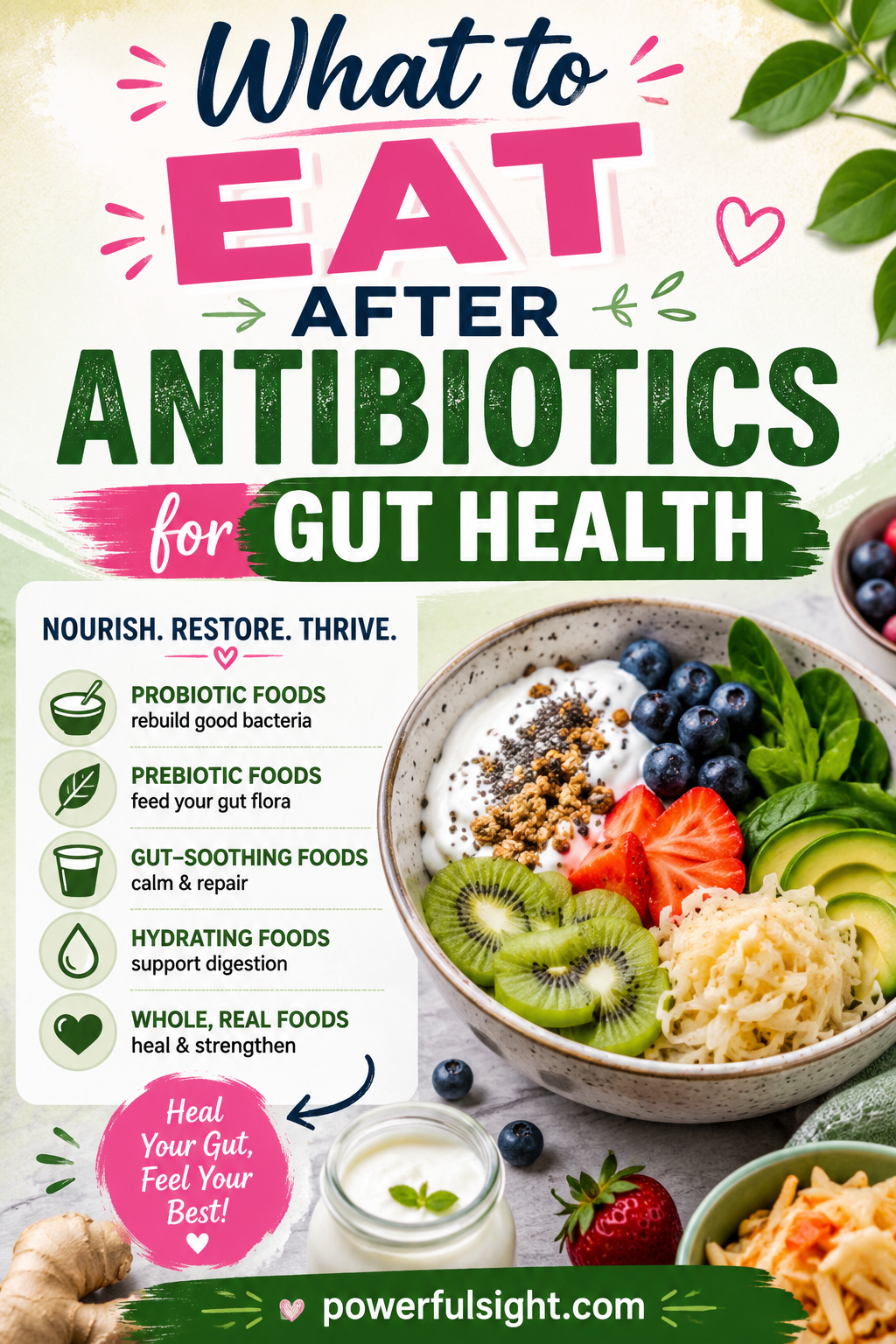
Save the pin for later

- 60 Color Tattoos That Healed Beautifully - 25/09/2026
- 40 Most Painful Tattoo Spots - 24/09/2026
- 20 Tattoo Aftercare Mistakes That Ruin Fresh Ink - 23/09/2026

