Constipation is common, and it can make your whole day feel off. The good news is that certain foods that make you poop can help get things moving, especially when you choose them often and pair them with enough water.
This post breaks down 10 foods that can help support regular bowel movements, along with how they work and easy ways to eat them. Fiber matters here, but fluids matter too, because fiber works best when it has water to do its job. Food can help a lot, yet it usually works best when you use it consistently instead of waiting until you already feel backed up.
If you want simple, natural options that fit into real meals, you’re in the right place. Some picks work fast, while others support better digestion over time, so the best results come from steady habits, not one-off fixes.
Why some foods help your bowel movements
Some foods make bowel movements easier because they change how stool forms, how much water it holds, and how fast it moves through the gut. That matters when you want natural constipation relief, because the best foods that make you poop do more than add roughage. They help stool stay soft, bulky, and easier to pass.
A few foods also bring fluids, plant compounds, or both. That can make a bigger difference than fiber alone, especially if you’ve been low on water or eating a lot of processed food. In plain terms, the right foods help your digestive system do its job with less strain.
The two types of fiber that matter most
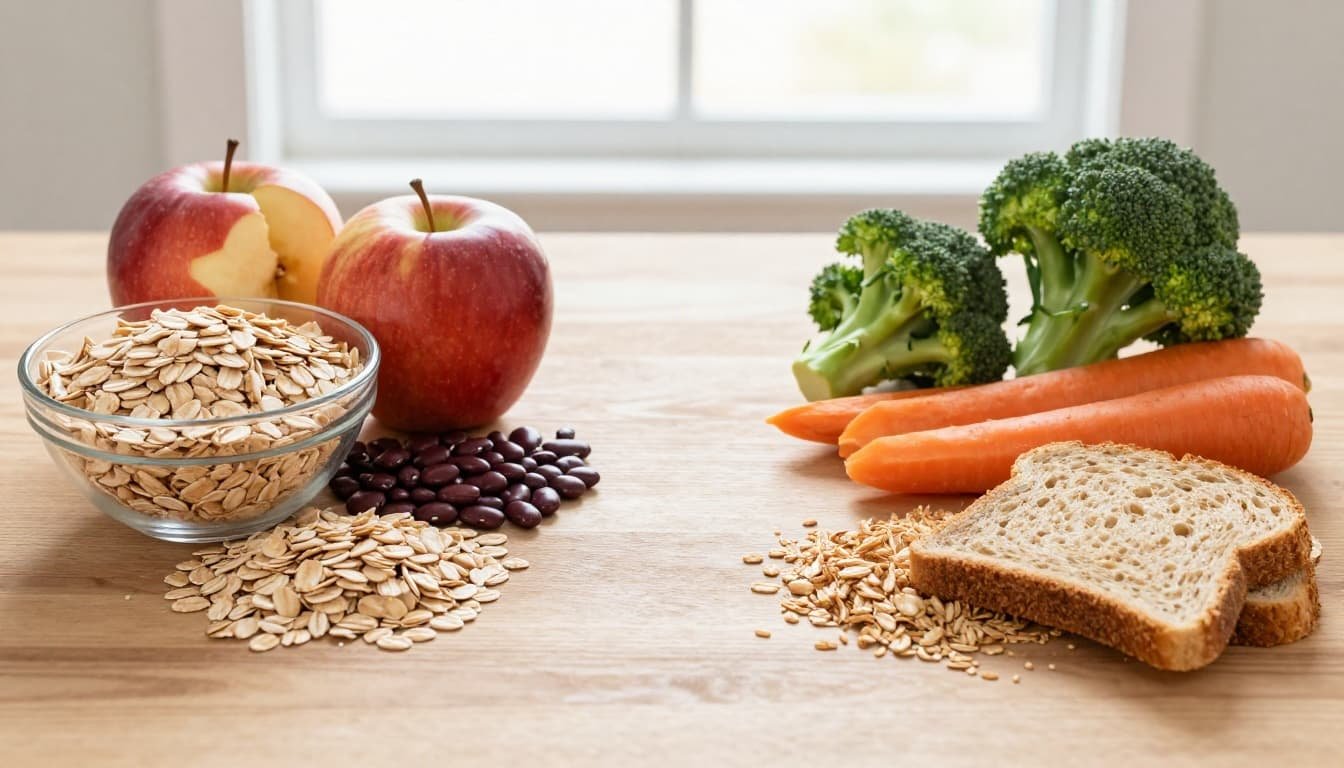
Fiber comes in two main forms, and both can help you stay regular. Soluble fiber dissolves in water and forms a gel-like texture. That gel helps soften stool, which can make it easier to pass.
Insoluble fiber does the opposite job. It adds bulk and helps stool move through the intestines more quickly. Foods like wheat bran, whole grains, and many vegetables are rich in this type.
A mix of both usually works best. Soluble fiber softens, while insoluble fiber pushes things along. If you want a simple way to think about it, one kind adds moisture and the other adds movement.
You can see both types in common foods like oats, beans, apples, broccoli, and whole wheat. For a quick reference on how the two compare, MedlinePlus breaks down soluble and insoluble fiber clearly.
Why water and gut movement go hand in hand
Fiber works better when your body has enough fluid to work with. Without water, fiber can become too dense and make constipation worse. With enough hydration, it helps stool stay softer and easier to move.
That’s why watery foods matter too. Fruits like oranges and melon, soups, and vegetables all add fluid to your day. Some foods also help stool hold onto water, which can improve texture and make bathroom trips less painful.
Fiber without enough water can backfire. Pairing both is what keeps stool soft and moving.
If you want a broader look at how fluids support bowel regularity, Harvard Health explains the link between hydration and colon health.
Prunes are still one of the fastest ways to get things moving
Prunes earn their spot for a reason. They bring fiber, sorbitol, and water-friendly compounds together in one simple food, which makes them one of the most reliable foods that make you poop fast.
They work best when you start small and stay consistent. That matters because too many prunes too soon can cause gas or loose stools, especially if your body is not used to them.
How many prunes to try first
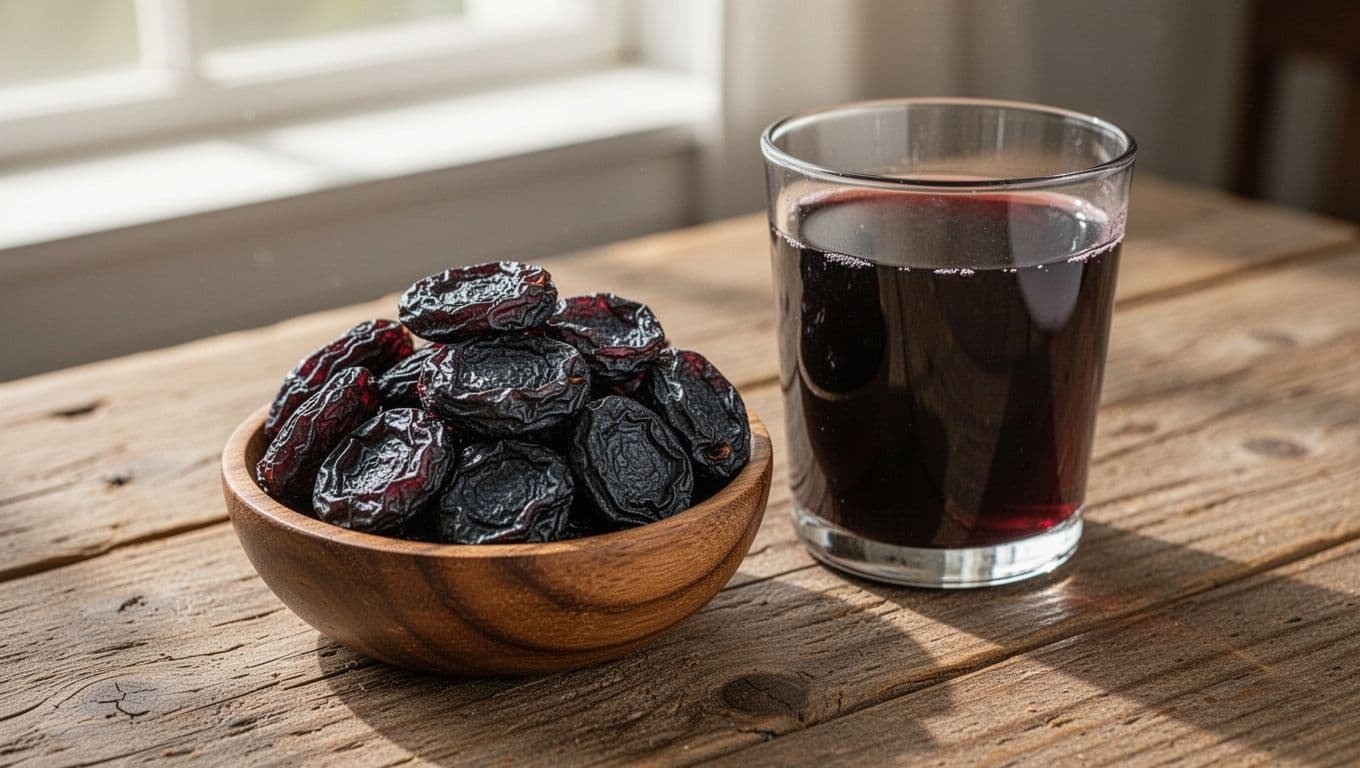
A good starting point is 4 to 5 whole prunes, then wait and see how your body responds. If that feels fine, you can slowly move up to 8 to 10 prunes a day.
Start low if you have a sensitive stomach. Prunes contain sorbitol, which draws water into the bowel, so a bigger serving can work quickly but also feel a little intense at first.
If you want a simple approach, try this:
- Eat 4 or 5 prunes with water.
- Give it a day before adding more.
- Increase slowly only if you still need help.
That slower pace usually works better than loading up all at once. It also gives you a better read on what your body actually tolerates.
Prune juice versus whole prunes
Prune juice can help faster, especially when you want a quick option and chewing a snack sounds unappealing. The juice still contains sorbitol, so it can soften stool and get things moving sooner.
Whole prunes usually give you more fiber, which helps build stool bulk and supports more regular bowel movements over time. Research has found that prunes can improve stool frequency and consistency, and whole fruit tends to have the edge because the fiber stays intact. PubMed’s review on prunes and constipation explains that point well.
Use prune juice when you want quicker relief or a smaller serving. Choose whole prunes when you want more fiber and a better long-term habit. Many people use both, juice first for speed, then whole prunes for steady support.
Kiwis can be a gentle daily fix for constipation
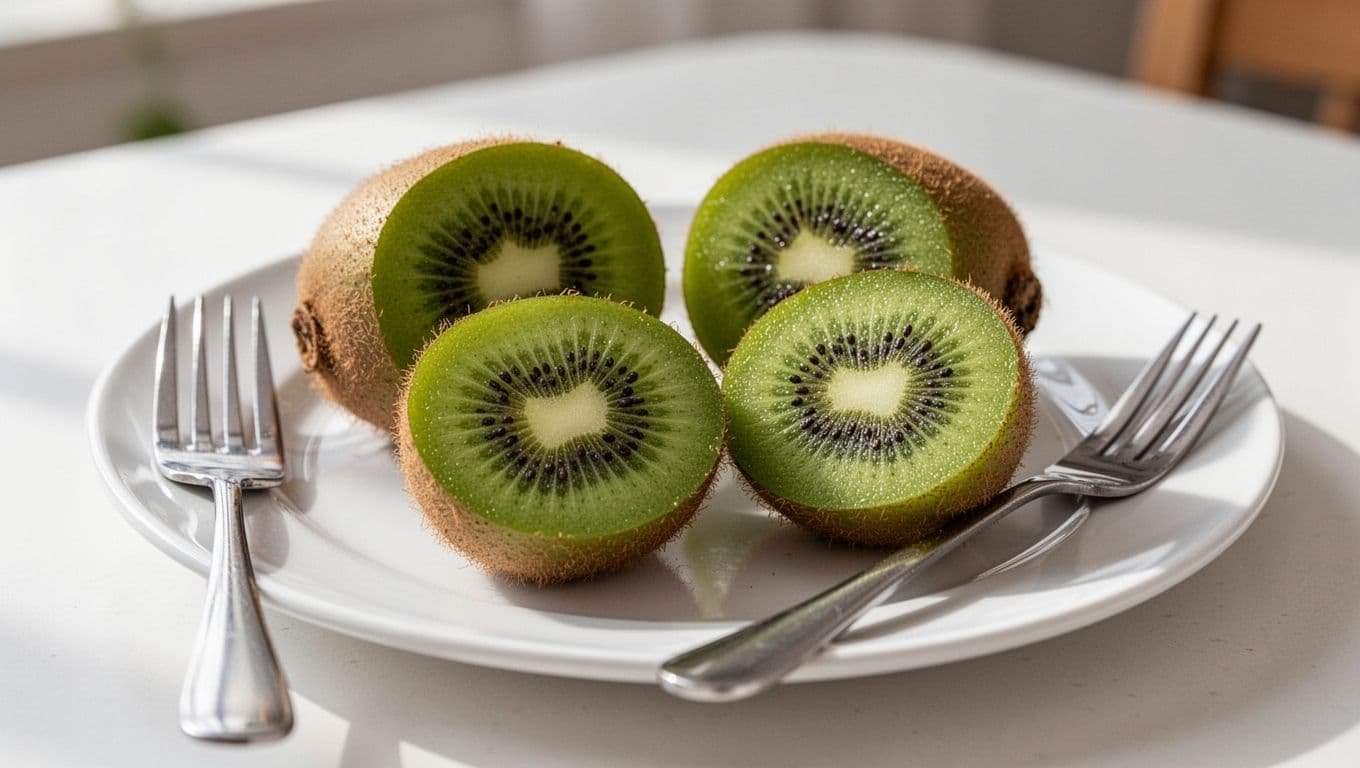
Kiwis are a smart option when you want relief that feels steady, not harsh. They bring fiber, water, and natural fruit enzymes together, so they can help stool stay softer and move more easily.
That makes them a good fit if you want foods that make you poop without jumping straight to a supplement or laxative. Many people also find kiwis easier on the stomach than heavier fiber products, especially when they eat them regularly instead of only when constipation hits.
Why kiwis may work better than some fiber supplements
Kiwis help in a more natural way because they do more than add rough bulk. Their fiber can hold water in the gut, which helps soften stool, while the fruit’s enzyme activity may support digestion too. That mix can make bowel movements feel less stubborn and less dry.
Recent research backs this up. A trial on chronic constipation found that eating kiwifruit improved stool frequency, stool form, and straining for many people. Another review found that 2 green kiwis a day can improve constipation and GI comfort, which makes them a practical option if you want a food-based routine rather than a supplement-heavy one. Michigan Medicine’s summary on kiwifruit and constipation gives a clear rundown of the evidence.
Kiwis often work best when you use them daily, not as a one-time fix.
If your stomach does better with whole foods, kiwis can feel gentler than a fiber powder. They also taste fresh and easy, which helps you stick with them.
Easy ways to add kiwis to breakfast
Breakfast is the easiest place to make kiwis part of your routine. You don’t need a big recipe, either.
Try these simple options:
- Stir sliced kiwi into plain yogurt for a quick bowl with fiber and moisture.
- Add kiwi to oatmeal, then top it with chia or nuts for extra staying power.
- Blend kiwi into a smoothie with spinach, yogurt, or kefir.
- Layer kiwi over overnight oats for a bright, tart finish.
- Pair kiwi with whole-grain toast and nut butter if you want a fuller breakfast.
If you want a more structured routine, two kiwis a day with breakfast is an easy place to start. That habit can be just as important as the fruit itself.
Seeds and grains that add bulk without a lot of effort
If you want foods that make you poop without much planning, seeds and grains are an easy place to start. They add fiber, help stool hold water, and fit into meals you already eat. That means less effort, more consistency, and better odds of staying regular.
Flaxseeds give you fiber and healthy fats
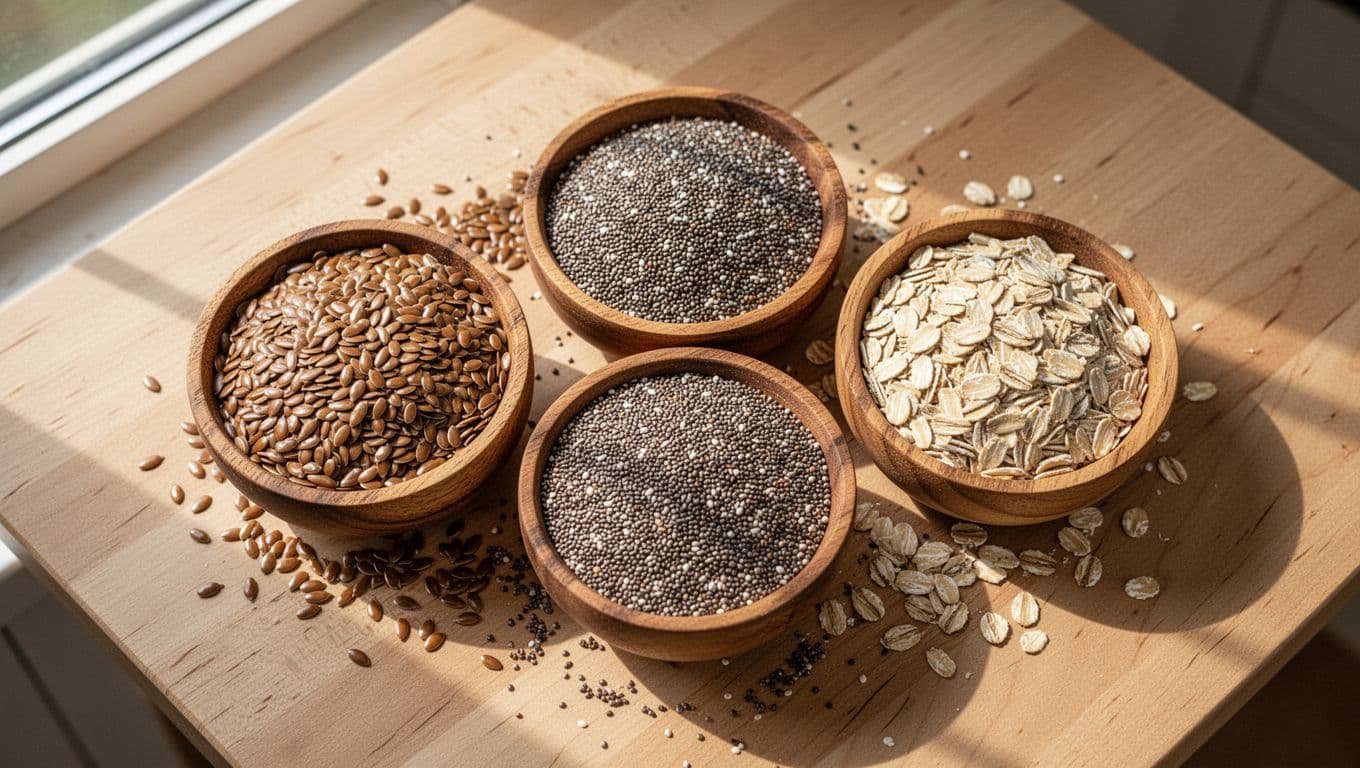
Ground flaxseed is easier to digest than whole flaxseed, so your body can use it better. It brings both fiber and healthy fats, which help stool stay softer and move with less trouble.
The ground form also blends into foods fast. Stir it into smoothies, oatmeal, or yogurt, and you barely notice it’s there. Whole flaxseeds can pass through without giving you the same benefit, so grinding matters.
A simple tablespoon a day is a practical starting point. If you want a food-based option that works quietly in the background, flaxseed is a strong choice.
Chia seeds can soften stool when they soak up water
Chia seeds work best when they have liquid to absorb. Once soaked, they turn gel-like, and that gel helps stool hold water and move more easily.
That’s why dry chia by itself is not the best move. Mix it into moist foods or let it sit in liquid first, such as yogurt, pudding, or overnight oats. Harvard Health explains how chia supports digestive health, including its role in softening stool.
Chia helps most when you give it water first. Dry chia in a dry snack won’t do much for constipation.
Try it in a simple routine, like breakfast bowls or smoothies. That small habit can add bulk without making your meal feel heavy.
Oatmeal is a simple breakfast that supports regularity
Oatmeal is one of the easiest daily foods that make you poop naturally. Its main fiber, beta-glucan, forms a soft gel in the gut, which helps stool stay moist and easier to pass. Harvard’s Nutrition Source notes that oats are a solid source of this soluble fiber.
That makes oats useful when you want something gentle and familiar. They work well on busy mornings, and they pair easily with fruit, seeds, or yogurt for extra fiber.
For the best effect, keep it simple:
- Use plain oats instead of sugary packets.
- Add water-rich toppings like berries or kiwi.
- Mix in flaxseed or chia for more bulk.
Oatmeal does not need much help to work. Eat it often, and it can become one of the easiest habits for better bowel movements.
Fruits with sorbitol and pectin can help relieve constipation
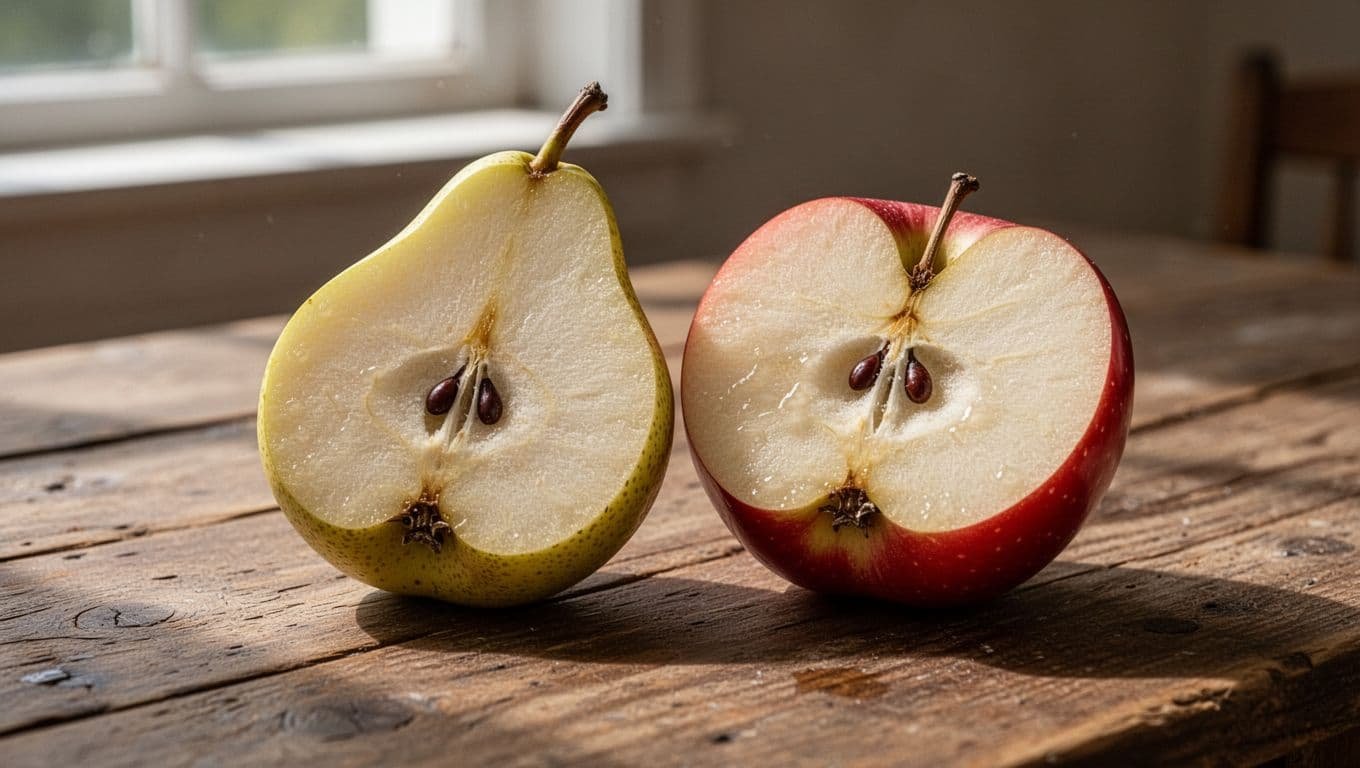
Some fruits work well when your stomach feels slow. Pears and apples are two of the best examples because they bring water, fiber, and natural sugar alcohols together in one package.
That mix matters. Water helps soften stool, fiber adds bulk, and sorbitol can pull extra water into the intestines. As a result, these fruits can make bowel movements easier without feeling heavy or complicated.
Why pears are a smart choice when you feel backed up
Pears are one of the most practical foods that make you poop naturally. They have a lot of water, a decent amount of fiber, and sorbitol, which is a sugar alcohol your body absorbs slowly. That slow absorption helps draw water into the bowel, which can soften stool and make it easier to pass.
They also taste mild, so they fit into the day without much effort. A ripe pear can work as a snack, a breakfast side, or a quick add-on after lunch. If you want a gentle option, pears are a good place to start because they usually feel lighter than richer fiber foods.
You can eat them raw, slice them into oatmeal, or pair them with yogurt. For more fruit-based digestion ideas, these gut-friendly juicing recipes also show how produce can support regularity in simple ways.
Apples work best with the skin on
Apples also help, but the peel makes a big difference. The skin adds extra insoluble fiber, which helps bulk up stool and move it through the gut more smoothly. Inside the flesh, apples contain pectin, a soluble fiber that can help stool hold water and stay softer.
That is why an apple with the skin on usually does more for constipation than peeled slices. It gives you more fiber without needing a big serving.
Apples are easy to use during the day:
- Slice one for a snack with peanut butter.
- Chop one into oatmeal or cereal.
- Eat one with the skin on at breakfast for a steady start.
If you want simple foods that make you poop, apples and pears are hard to beat. They are easy to find, easy to eat, and easy to repeat, which matters more than a one-time fix.
Beans, lentils, and leafy greens add fiber that keeps you regular
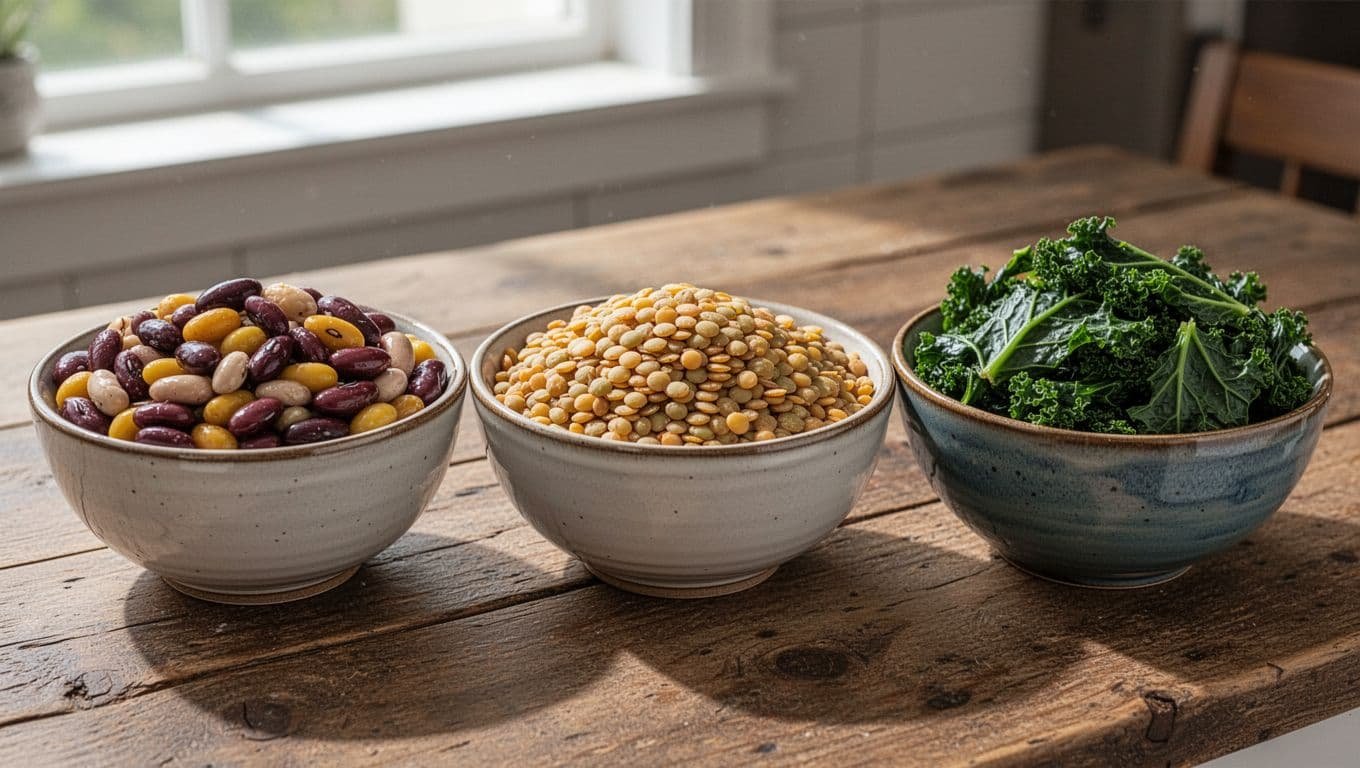
When constipation lingers, these foods can help in a steady, practical way. Beans, lentils, spinach, kale, and similar greens bring fiber that adds bulk, softens stool, and helps waste move through your colon more smoothly.
They also fit into meals without much effort. That matters, because the best foods that make you poop are the ones you can eat often, not just once in a while.
Beans and lentils help build more frequent bowel movements
Beans and lentils are fiber heavy, so they help stools hold more water and move with less strain. They also bring plant protein, which makes them more filling than many other high-fiber foods. That mix helps you stay satisfied while supporting better bowel regularity.
A half-cup of lentils or beans can make a real difference over time. Lentils are easy to cook fast, and beans work well in meals you already eat. If you want more bowel-friendly meal ideas, fiber-packed beans for liver detox also fit the same digestion-friendly pattern.
Try them in simple meals like these:
- Soups and stews for an easy, soft texture
- Chili with beans, tomatoes, and vegetables
- Salads with chickpeas or lentils for an easy lunch
- Grain bowls with rice, greens, and beans
- Wraps or burritos when you want something fast
Start with smaller portions if beans usually make you gassy. A gradual increase gives your gut time to adjust, which makes the benefits easier to keep.
Leafy greens help with both fiber and hydration
Leafy greens such as spinach, kale, and collards support stool health in two ways. First, they add insoluble fiber, which helps food move through the intestines. Second, they carry water, which helps keep stool softer and easier to pass.
That combination matters when you want a healthier stool pattern. A big salad, sautéed greens, or spinach mixed into soup can help without feeling heavy. Greens also pair well with beans and lentils, so you can build one meal that does more than one job.
The best results come from combining fiber with fluids, since dry fiber alone can slow things down.
If you want one simple habit, add greens to at least one meal a day. Spinach in eggs, kale in soup, or mixed greens in a bowl can keep your digestion moving in a more regular rhythm.
Yogurt with live cultures may help when your gut feels sluggish
Yogurt can help when constipation feels mild and your digestion needs a nudge. The best choice is plain yogurt with live active cultures, since those bacteria may support a healthier gut balance and softer stools.
It works best as part of a bigger pattern, not as a one-time fix. If you pair yogurt with fiber and water, you give your body a better shot at moving things along.
What to look for on the label
Choose yogurt that says “live and active cultures” on the container. That phrase matters because those cultures are the part that may help support digestion. Plain yogurt is usually the better pick, since flavored versions often pack in a lot of added sugar.
A shorter ingredient list is a good sign. Look for yogurt with simple ingredients and minimal sweeteners, then add fruit yourself if you want more flavor.
For a better grocery-store choice, keep this in mind:
- Live active cultures should be listed clearly.
- Low added sugar is better for regular use.
- Plain Greek or regular yogurt can both work if they are unsweetened.
If you want a simple place to use yogurt in the morning, try one of these healthy yogurt breakfast ideas. They make it easier to build a gut-friendly habit without much effort.
Yogurt helps most when it stays plain, low in sugar, and part of a fiber-rich meal.
Research also backs this up. A recent randomized trial found that fermented milk with a live culture helped improve stool consistency in U.S. adults with hard stools. PubMed’s trial on fermented milk and stool consistency shows how live cultures can support bowel habits in real people.
How to turn yogurt into a constipation-friendly snack
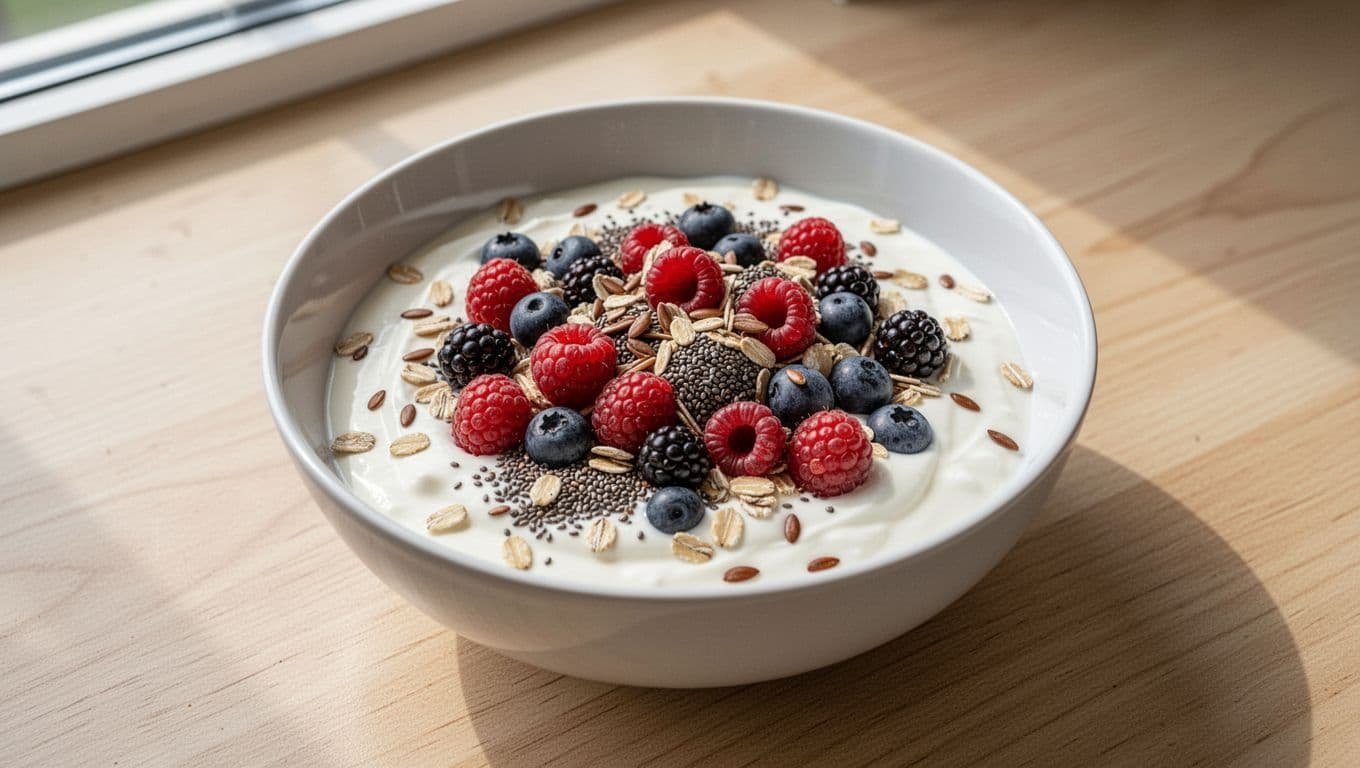
Yogurt on its own is fine, but it works better with fiber-rich add-ins. Berries, oats, chia, and flaxseed all help bulk up the snack and make it more helpful for sluggish digestion.
A simple bowl can go a long way. Mix in berries for water and fiber, oats for staying power, and chia or flaxseed for extra bulk.
Try one of these easy combos:
- Plain yogurt with berries and oats
- Yogurt topped with chia and sliced fruit
- Greek yogurt mixed with ground flaxseed and blueberries
- Yogurt with oats, cinnamon, and strawberries
This kind of snack works because it combines live cultures with stool-friendly fiber. If you want a creamy option that still supports regularity, yogurt is a smart choice for your rotation.
How to use these foods without causing stomach trouble
These foods can help, but your gut still needs a little patience. If you jump in too fast, even the best foods that make you poop can backfire with gas, bloating, or cramps.
The safest move is to start small, add water, and pay attention to how your body reacts. That keeps relief from turning into discomfort.
Start with small portions and build up
A sudden fiber jump is a common reason people feel worse before they feel better. Too much too soon can trap gas, stretch the belly, and cause cramping, especially if you haven’t been eating much fiber lately.
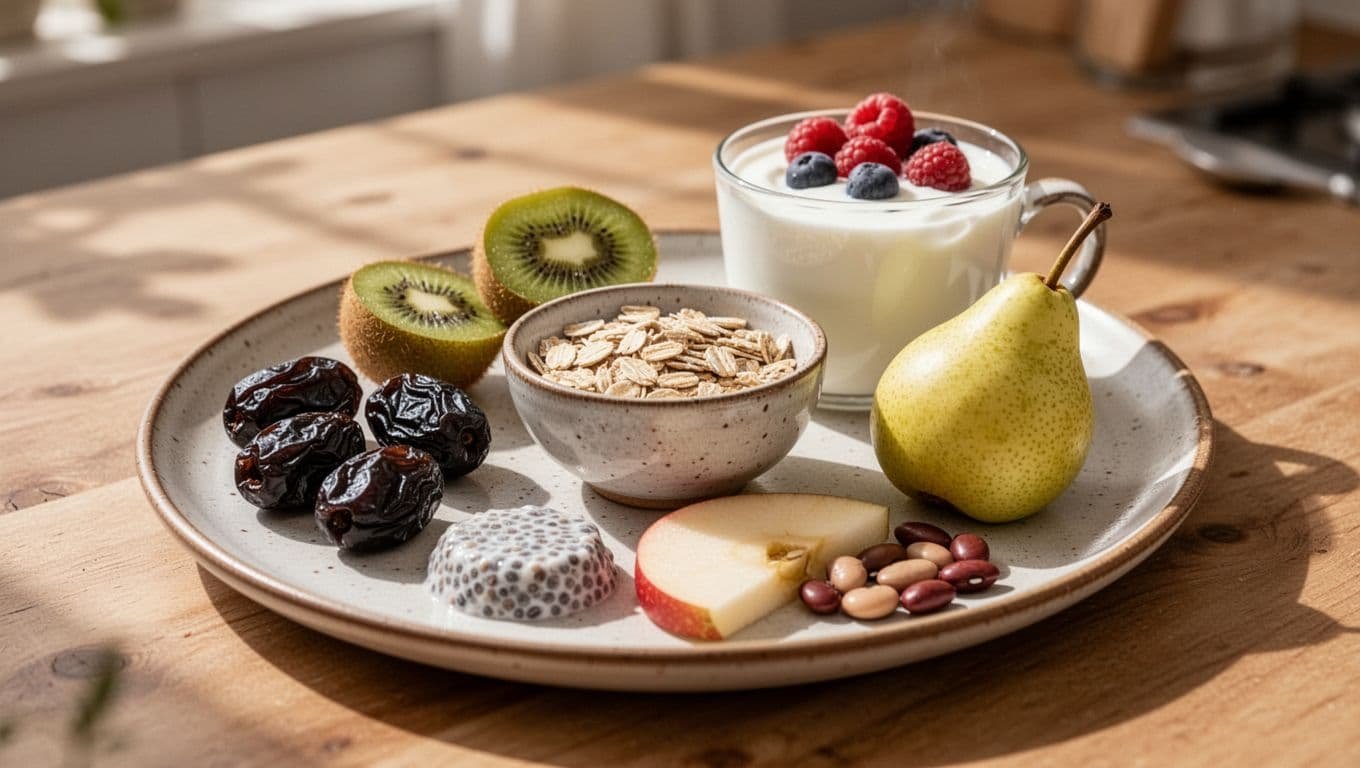
Start with a small serving, then give your body time to adjust. For example, try a few prunes instead of a full bowl, half a kiwi instead of two, or a spoonful of chia instead of a big pudding.
A simple pace helps a lot:
- Pick one new food.
- Eat a small portion for a few days.
- Drink extra water with it.
- Increase only if your stomach feels fine.
That slow build makes the process easier to stick with. It also helps you tell the difference between a helpful food and one that your body wants in smaller amounts.
Fiber works best when your gut has time to adjust. Fast changes often cause the very discomfort you’re trying to avoid.
Gentle movement can also help food move through your system more smoothly. A short daily walk after meals is a smart match for fiber-rich eating, and these walking benefits for digestion explain why it helps.
When constipation might need a doctor
Food can support regular bowel movements, but it should not replace medical advice when symptoms look more serious. If constipation lasts for weeks, keeps coming back, or comes with pain, bleeding, or vomiting, get checked.
Watch for warning signs like these:
- Blood in the stool or on toilet paper
- Severe belly pain or ongoing cramps
- Vomiting, fever, or a swollen belly
- No bowel movement and no gas
- Unexplained weight loss
- Constipation that lasts more than three weeks
A doctor visit is also wise if constipation is new for you, especially if you’re over 50. In that case, don’t keep guessing with food alone.
The NIDDK lists several red flags, including rectal bleeding, vomiting, and strong abdominal pain, as reasons to seek medical care right away. That matters because some causes need treatment beyond fiber, fluids, and fruit.
If your stomach trouble feels unusual or severe, stop experimenting and get medical advice. The right food can help with mild constipation, but it should never cover up something bigger.
Conclusion
The best foods that make you poop are the ones you can eat regularly. Prunes and kiwis can help fast, while seeds, oats, fruits, beans, greens, and yogurt each support digestion in their own way.
The real win is consistency. Start with one or two foods, drink more water, and give your body time to adjust.
Small daily habits usually work better than a big fix eaten once. That steady approach is what keeps your digestion moving.
Save the pin for later


- Healthy Air Fryer Recipes for Beginners - 21/09/2026
- Healthy Snacks for Late Night Cravings - 21/09/2026
- High Protein Meal Prep Ideas for Easy Weekly Meals - 21/09/2026

