Your gut doesn’t need harsh cleanses or extreme detox plans. It needs steady support from foods that help clean your gut naturally, so digestion stays smooth, bowel movements stay regular, and your good bacteria have room to thrive.
The right foods can also ease bloating, constipation, and that heavy, sluggish feeling after meals. In the sections ahead, you’ll find practical everyday foods you can eat with confidence, plus a few simple habits that help them work even better.
Start with fiber-rich foods that help move waste through the gut
Fiber is one of the most important parts of natural gut support. It adds bulk to stool, helps waste move through the colon, and feeds the helpful bacteria that keep digestion on track. That makes fiber a smart first step if you want steadier bathroom habits and less stomach heaviness.
The best part is that fiber shows up in everyday foods you can use in simple meals. You do not need a strict plan. A bowl of oats, a plate of vegetables, or a handful of berries can all help your gut do its job better.
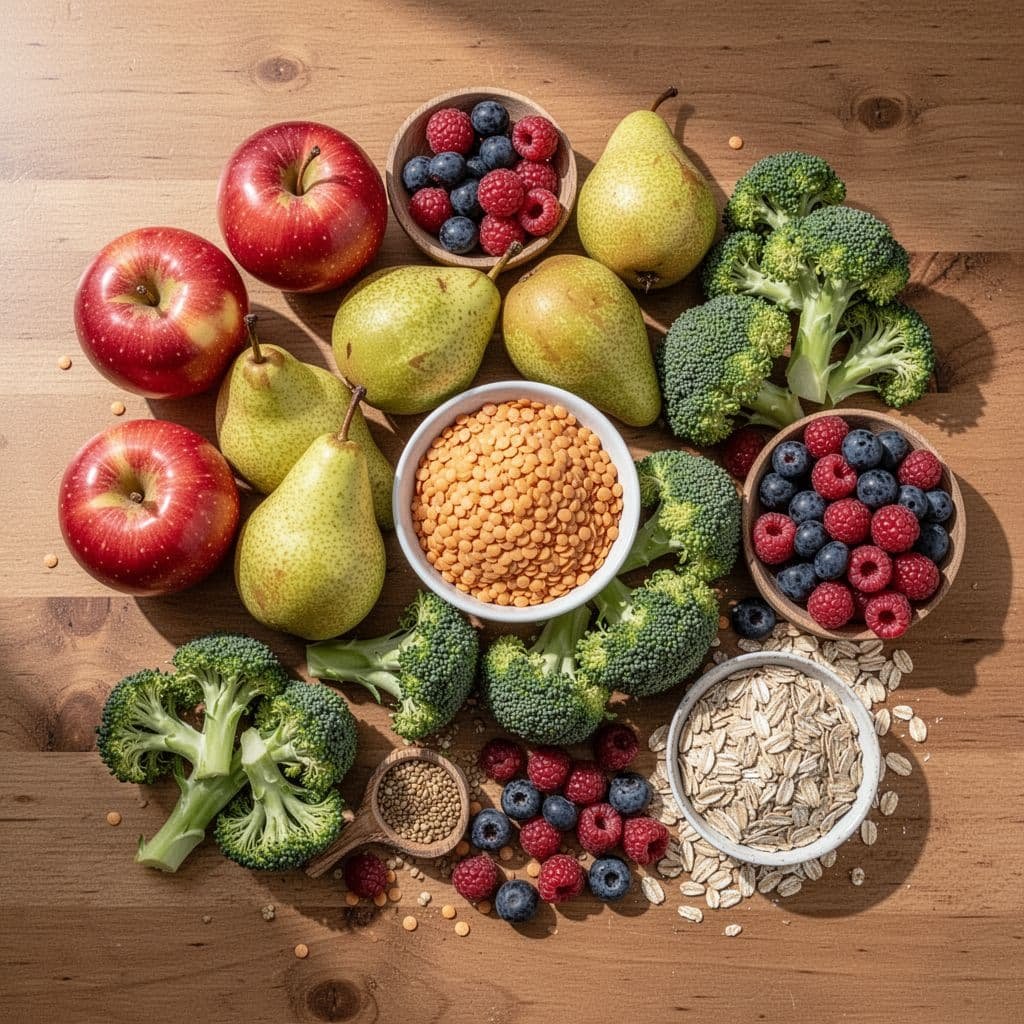
Fruits that support smoother digestion
Fruits are an easy place to start because they bring fiber, water, and plant compounds together in one package. Apples and pears are especially useful, and eating the skin when possible adds even more fiber. Berries, bananas, and kiwi are also gentle choices that fit well into snacks, breakfasts, or smoothies.
These fruits can help when constipation leaves you feeling stuck, and they may also ease bloating by keeping digestion moving at a steady pace. They tend to be easier on the stomach than harsh cleanses or very heavy fiber supplements. For more background on fiber’s role in gut health, see Mayo Clinic Press on fiber and the gut microbiome.
Vegetables that feed good gut bacteria
Leafy greens, broccoli, Brussels sprouts, asparagus, beets, celery, and cucumbers all bring fiber plus key nutrients that support a healthier gut environment. These vegetables help feed the microbes that live in the colon, which matters because those microbes rely on plant food to stay active.
Raw or cooked both work, so use the version that feels best for you. A salad may feel fresh and light, while steamed broccoli or roasted beets may sit better if your stomach is sensitive.
Fiber works best when you eat it often, not just in one big meal.
Whole grains and beans that keep digestion steady
Oats, brown rice, quinoa, lentils, chickpeas, and beans are reliable staples for gut health. They add fiber, help you feel full longer, and support regular bathroom habits. They also give your colon microbes steady fuel, which helps keep the gut environment in better shape.
If high-fiber meals are new for you, start with smaller servings. A half cup of beans or a small bowl of oats is a good way to let your system adjust without extra gas or discomfort.
Add fermented foods to bring in helpful probiotics
Fermented foods add another layer of support because they can bring live helpful bacteria into your diet. That gives your gut microbiome more variety, which matters when you want steady digestion instead of short-term fixes.
They work best as part of a balanced menu with fiber-rich foods, water, and regular meals. A single serving will not solve every gut issue, but it can fit nicely into a routine that already supports digestion. For a broader look at how probiotics fit into bowel regularity, see foods that support healthy stool consistency.
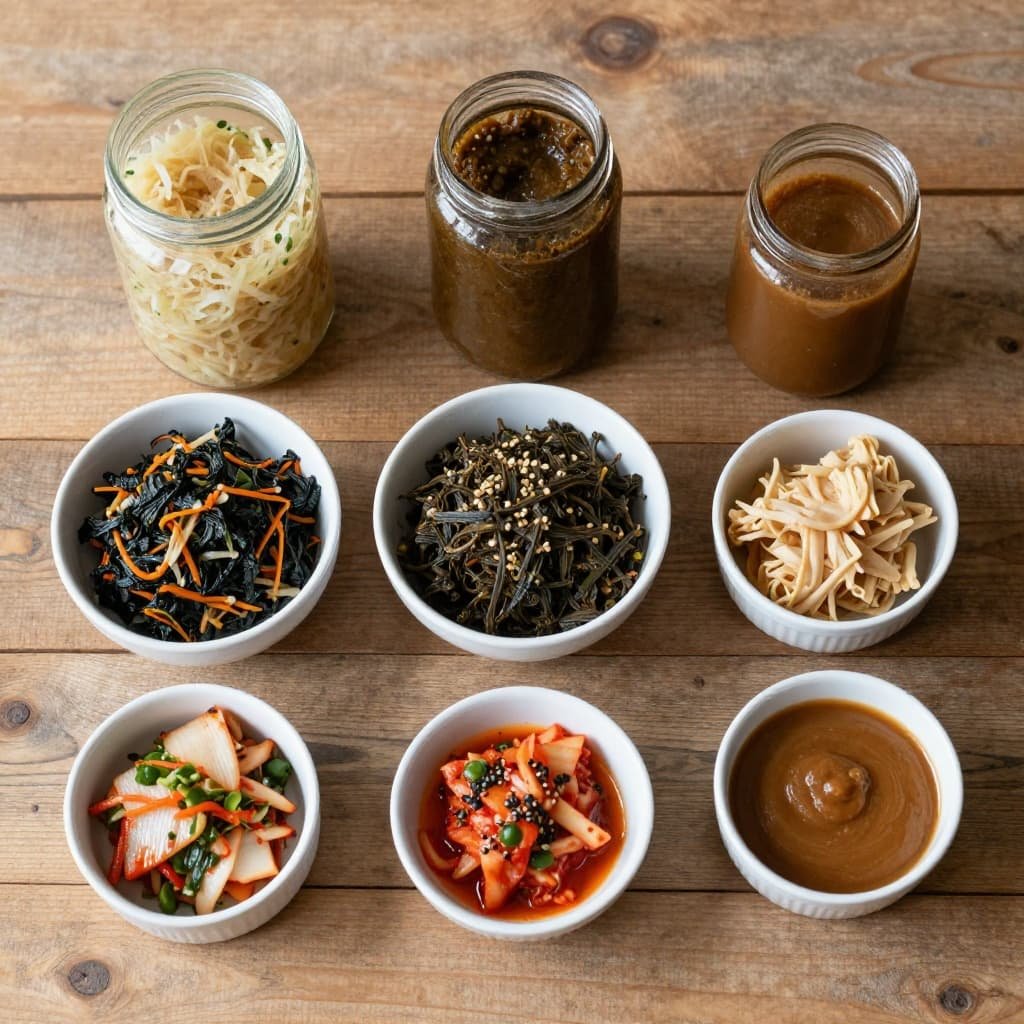
Fermented foods help most when they show up often in small amounts, not as a one-time reset.
Yogurt and kefir for an easy daily option
Plain yogurt with live cultures is one of the simplest ways to add probiotics. Kefir works the same way, but it usually has a thinner texture and a tangier taste, so it feels easy to sip with breakfast or a snack.
Choose low-sugar versions when you can, because flavored yogurt and kefir products often pack in more added sugar than you expect. Pair them with fruit or oats for a more complete gut-friendly meal, and you get probiotics plus fiber in the same bowl. That combination supports a more balanced gut microbiome than either food alone.
If you want a simple habit, keep it this easy:
- Plain yogurt with berries and oats
- Kefir blended with fruit
- Unsweetened yogurt topped with seeds and cinnamon
Sauerkraut, kimchi, and miso for more variety
Sauerkraut, kimchi, and miso bring both flavor and probiotics to the table. They can wake up a plain meal fast, and a small serving is enough for many people.
Sauerkraut and kimchi work well beside eggs, rice bowls, sandwiches, or grain dishes. Miso is often used in soup, which makes it an easy comfort food, but heat can reduce some live cultures. Gentle preparation matters, so stir miso into warm, not boiling, liquid when possible.
A little goes a long way here. These foods can be salty, so labels matter, and some store-bought versions also have added sugar. Look for products with short ingredient lists and modest sodium when possible.
A good external overview of fermented foods and gut health is available in Nature Reviews Gastroenterology & Hepatology, which explains how fermentation can support the gut in more than one way.
Use prebiotic foods to feed the good bacteria already in your gut
Prebiotic foods work a little differently from probiotic foods. Probiotics add live helpful bacteria, while prebiotics feed the bacteria already living in your gut. That matters because your good microbes need fuel to grow, stay active, and help keep digestion moving in the right direction.
You do not need a complicated plan to get them. A few smart foods in regular meals can make a real difference, especially when you pair them with the probiotic foods you already use. Cleveland Clinic has a clear breakdown of how prebiotics differ from probiotics, and the short version is simple, one feeds the gut, the other adds to it.
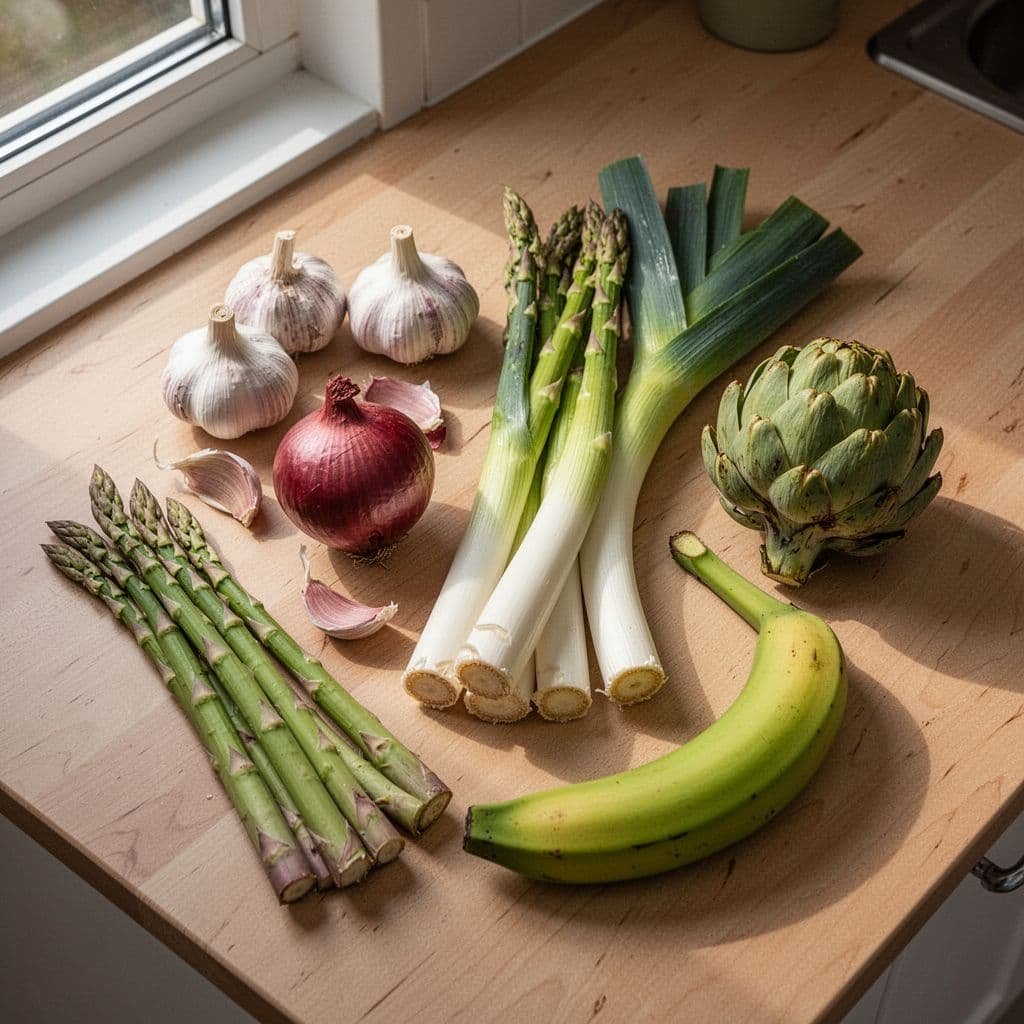
Garlic, onions, and leeks for everyday meals
Garlic, onions, and leeks are easy ways to add prebiotic fiber to savory food without changing your routine. They work well in soups, stir-fries, eggs, and roasted dishes, and they may also help support smoother digestion over time.
These alliums are especially useful because they fit almost anywhere. A little garlic in pasta, onions in a skillet, or leeks in a broth can give your meals more gut-friendly value with very little effort.
If your stomach is sensitive, start slowly. Some people handle these foods well in small amounts, but larger servings can bring gas or discomfort. A gradual approach usually works better than piling them on all at once. For more meal ideas built around fiber, see high-fiber meal ideas for digestion.
Artichokes, asparagus, and green bananas for a stronger prebiotic boost
Artichokes and asparagus are stronger prebiotic picks, so they can give your gut bacteria a bigger food source. They fit easily into meals, too. Steam asparagus, roast artichokes, or toss either one into grain bowls and pasta dishes.
Green bananas are another helpful option. Unlike ripe bananas, they contain more resistant starch, which is a starch your body does not fully digest. That means it reaches the colon and feeds good bacteria there.
Cooked and cooled potatoes or rice can do something similar. When you chill them after cooking, some of the starch changes in a way that makes it act more like a prebiotic. That makes leftovers useful, not boring.
A simple way to think about it:
- Artichokes and asparagus bring prebiotic fiber to meals
- Green bananas give you resistant starch
- Cooked and cooled potatoes or rice can also feed gut bacteria
Prebiotics work best when you use them often. Small servings each day are easier on your gut than one huge dose.
These foods fit well in real life, which is the point. Add them to meals you already eat, and your gut bacteria get steady fuel without extra fuss.
Don’t forget healthy fats, seeds, and soothing extras
Fiber gets most of the attention, but it works even better when you round out meals with healthy fats and a few gentle add-ons. These foods can help stool move more smoothly, make breakfast more satisfying, and take the edge off an irritated stomach.
The goal is simple. Build meals that feel easy on digestion, not heavy or harsh. A spoonful of seeds, a handful of nuts, or a warm mug of broth can do more than you might expect.
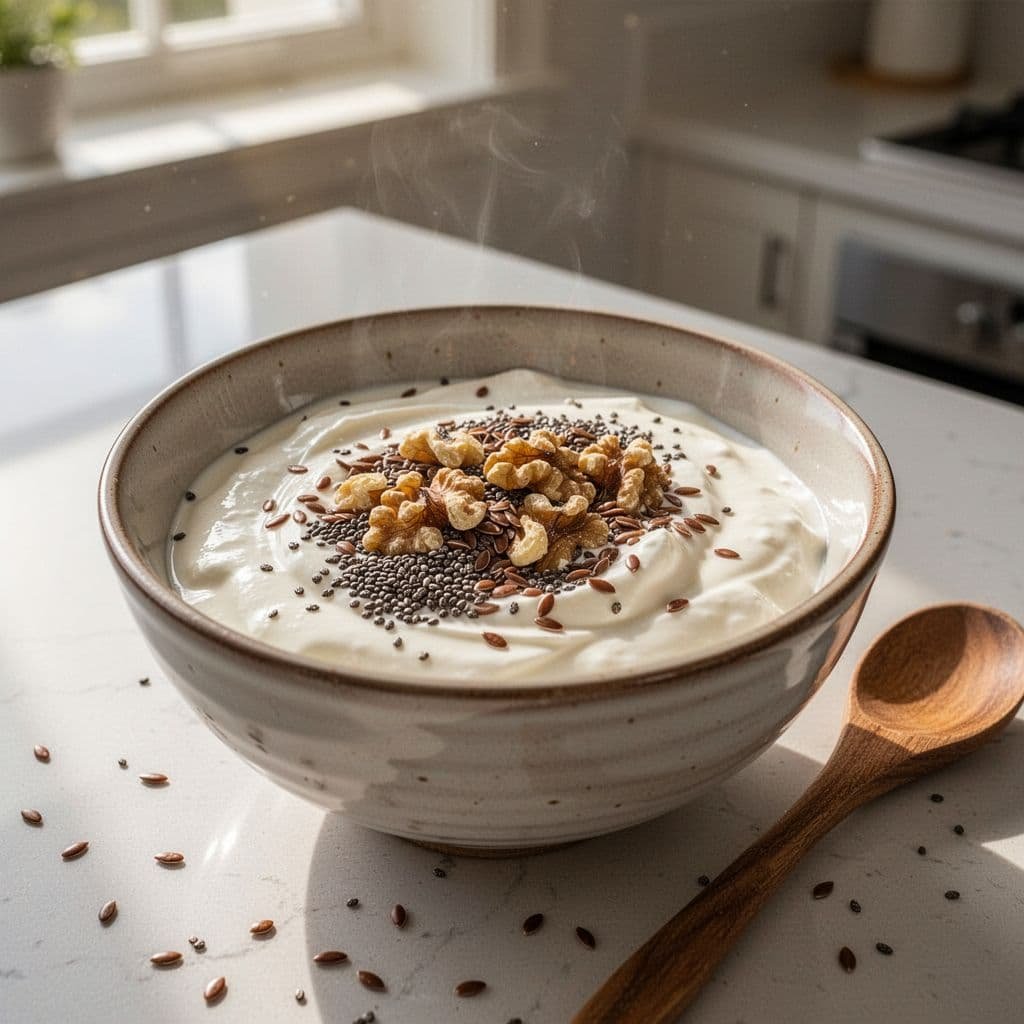
Chia seeds, flaxseeds, and nuts for fiber plus healthy fats
Chia seeds, flaxseeds, and nuts bring a useful mix of fiber and healthy fats. That combination helps stool move more smoothly and keeps meals balanced, so you stay full longer without feeling weighed down. These foods also contain plant compounds that feed gut bacteria, which matters for daily digestion.
Flax and chia are especially handy because they fit into almost anything. Stir them into oatmeal, blend them into smoothies, sprinkle them over yogurt, or toss them onto salads for a little extra texture and gut support. Ground flax works best, since it is easier to digest and mix in.
A small serving is enough to start. If you want more detail on how these seeds compare, this chia and flax seed guide gives a clear side-by-side look.
For easy use, keep a few ideas on repeat:
- Oatmeal with chia, flax, and berries
- Yogurt with walnuts and ground flax
- Smoothies with chia for added thickness
- Salads topped with seeds and nuts
Start slowly if your gut is sensitive. Seeds work best when you also drink enough water.
Ginger, bone broth, and apple cider vinegar, what they may help with
Ginger can be a smart choice when your stomach feels off. It may help with nausea and mild bloating, which makes it useful in tea, smoothies, or grated into simple meals. It is not a cure for gut problems, but it can feel calming in the moment.
Bone broth is another optional extra. Some people find it soothing, especially when they want something warm and easy to sip. If you want a simple breakfast or snack routine that feels gentle, the breakfast ideas for busy mornings page has practical ways to build that kind of meal.
Apple cider vinegar gets a lot of attention, but it is not a cure-all. Diluted in water or used in a dressing, it may help some people feel less heavy after meals, yet it can also bother sensitive stomachs. Keep it optional, use it sparingly, and never treat it like the main fix.
A balanced plate still matters most. These extras can support your routine, but they work best beside fiber-rich foods, water, and regular meals.
Build gut-friendly meals and habits that make the foods work better
The foods that support gut health work best when you use them together. Fiber, probiotics, prebiotics, and water all play a part, and the routine around them matters just as much as the foods themselves. A bowl of beans helps, but it helps even more when you eat it slowly, drink enough water, and keep the rest of the day balanced.
That balance also makes gut-friendly eating easier to stick with. Instead of loading up on one big high-fiber meal, spread it out and keep meals simple. Your digestive system gets a steadier rhythm, and your stomach is less likely to push back.
How to eat more gut-friendly foods without getting gassy
If fiber has made you bloated before, start small. Your gut often needs time to adjust, especially when you add beans, seeds, vegetables, or whole grains all at once. Increase your fiber slowly over several days or weeks, so your digestive system can catch up without extra gas.
Water matters just as much. Fiber pulls in liquid as it moves through your gut, so a low-fluid day can make you feel more backed up and uncomfortable. Sip water through the day, and try to drink with higher-fiber meals too. For a helpful breakdown on this, Harvard Health’s fiber guide gives a simple rule for building up gradually.
A few small habits make a real difference:
- Chew well so your stomach doesn’t have to work as hard.
- Spread fiber across the day instead of packing it into one meal.
- Pair new foods with familiar ones so the change feels easier.
- Keep portions modest at first if you already bloat easily.
A steady approach works better than a big jump. Your gut likes rhythm.
Simple meal ideas that make gut health easier
You don’t need complicated recipes to eat well for digestion. A few plain, repeatable meals can cover a lot of ground, especially when they combine fiber, probiotics, and healthy fats.
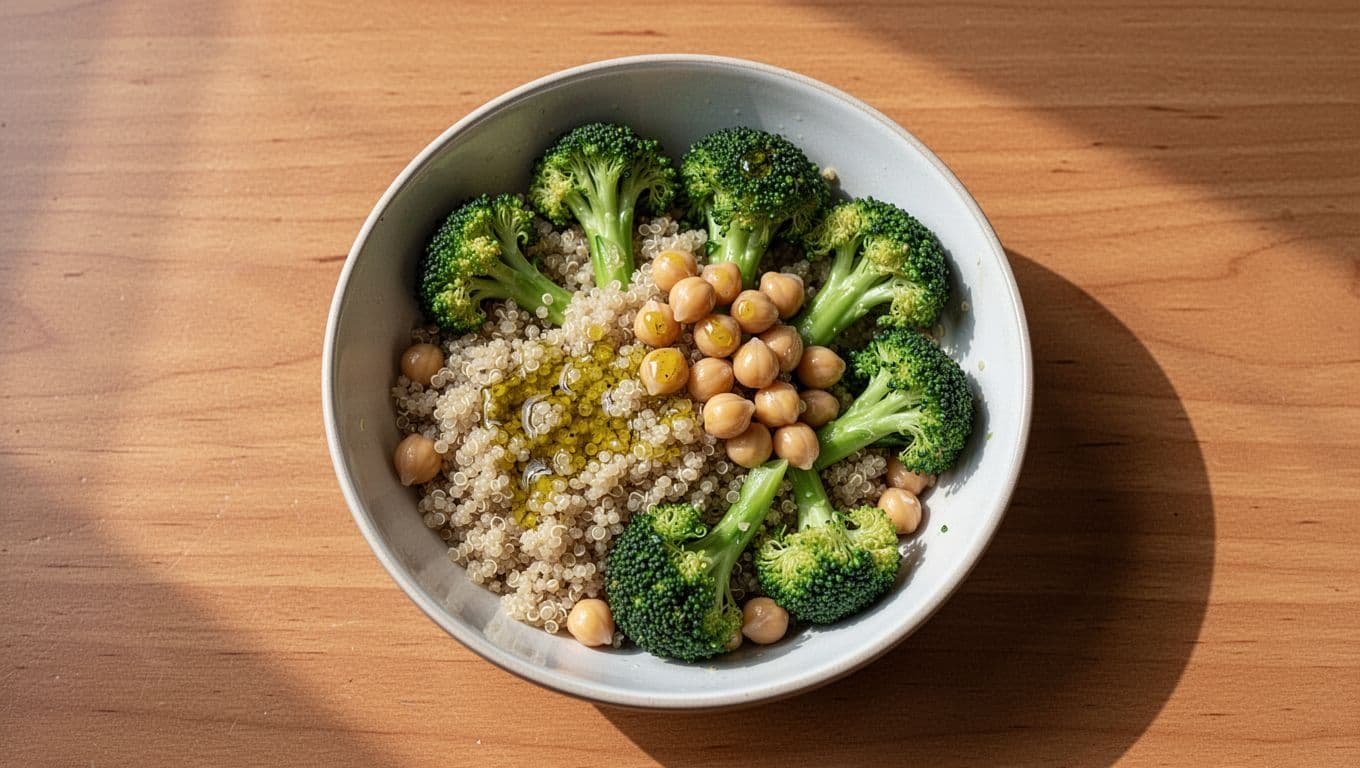
Try these easy combinations on busy days:
- Oatmeal with berries and chia for fiber and gentle bulk
- Yogurt with fruit for probiotics plus a little natural sweetness
- A salad with beans and olive oil for fiber, prebiotics, and healthy fat
- A stir-fry with garlic, broccoli, and brown rice for a balanced, filling meal
These meals work because they do more than one job at a time. The fiber feeds your gut bacteria, the fermented foods add helpful microbes, and the water-rich produce keeps things moving. If you want more meal ideas built around digestion, these anti-inflammatory dinner ideas fit the same pattern and stay easy to make.
The best gut-friendly meals are the ones you can repeat. Keep them simple, keep them balanced, and let consistency do the heavy lifting.
Conclusion
The best answer to what foods help clean your gut naturally is simple, everyday food. Fiber-rich produce, whole grains, beans, fermented foods, prebiotics, and healthy seeds all support digestion without harsh cleanses or quick fixes.
When these foods show up often, your gut gets steady support and your meals feel easier on your system. Consistency matters more than perfection, and a mixed, balanced diet is the strongest long-term choice for a healthier gut.
Keep the focus on real food, regular meals, and small habits you can repeat. That is what gives your gut the support it needs day after day.
Save pin for later

- Healthy Air Fryer Recipes for Beginners - 21/09/2026
- Healthy Snacks for Late Night Cravings - 21/09/2026
- High Protein Meal Prep Ideas for Easy Weekly Meals - 21/09/2026

