Feeling lonely in a relationship is more common than people think, and it doesn’t always mean the relationship is over. Sometimes the loneliness comes from emotional distance, poor communication, unmet needs, stress, or mental health struggles that make closeness hard to sustain.
You can share a home, a bed, or a life plan and still feel unseen. That kind of loneliness can be painful, but it also points to something specific, which means it can be understood and addressed. If this sounds familiar, you’re not alone, and feeling lonely in a relationship usually has clear reasons behind it.
The next step is to look at what’s creating that gap, so you can tell the difference between temporary distance and a deeper pattern.
What loneliness in a relationship really looks like
Loneliness in a relationship often starts in small ways. A couple may still share meals, chores, and a bed, yet the connection feels thin and distant. Over time, the lack of closeness can feel heavier than being alone.

When people ask why you feel lonely in a relationship, the answer is often about connection, not just physical presence. You may be together all the time and still feel unseen, unheard, or unwanted.
Signs you may be emotionally disconnected
Emotional distance shows up in everyday habits. Conversations get shorter, affection fades, and good news or bad news stops feeling worth sharing.
A few common signs are easy to spot:
- Short, surface-level talks that never go past schedules or chores
- Less affection, such as fewer hugs, kisses, or warm touches
- Tension around your partner, even when nothing is being said
- Hesitation to share news, because you expect indifference or criticism
- Feeling alone in the same room, like you are occupying separate lives
- Avoiding real conversations because they seem pointless or draining
You might also notice that you stop turning to your partner first. Instead of sharing a win, a bad day, or a worry, you keep it to yourself. That silence is often a warning sign.
For a deeper look at how this can show up over time, signs of emotional withdrawal in relationships can help you compare what you are feeling with common patterns.
How loneliness is different from needing space
Needing space is normal. Everyone needs privacy, rest, and time to think. Healthy alone time feels calm and temporary, and the relationship still feels secure underneath it.
Loneliness feels different. It comes with chronic sadness, distance, or the sense that your partner is emotionally unavailable. You may have space, but you do not feel respected, remembered, or included.
That difference matters. A healthy pause makes room for better connection later. Harmful disconnection keeps growing, and the gap starts to feel like rejection instead of rest.
If alone time leaves you refreshed, it is usually healthy. If distance leaves you sad, tense, or ignored, the relationship needs attention.
When the pattern is more than a rough patch, feeling emotionally disconnected from a partner often points to a deeper issue that needs an honest conversation.
The most common reasons people feel lonely with a partner
Loneliness in a relationship usually has a clear cause. It often grows when closeness fades, needs go unmet, or life gets so heavy that connection slips into the background.
If you’re asking why you feel lonely in a relationship, the answer is usually not one single thing. It is often a mix of habits, stress, and distance that builds slowly. That can happen even in relationships that still look fine on the outside.
You have stopped feeling emotionally close
Emotional intimacy fades when couples stop sharing the small things and the real things. If you no longer talk about fears, hopes, wins, or the details of your day, the relationship can start to feel thin.
That kind of distance does not always come with a big fight. Sometimes it happens quietly. You still live the same life, but you stop feeling known.

When emotional closeness drops, the relationship can feel empty even if the routines stay in place. You may eat together, plan together, and sleep in the same bed, yet still feel miles apart.
You are not communicating in a way that helps
Surface-level talk keeps a relationship running, but it does not build connection. If most conversations stay on bills, errands, or schedules, both people can feel alone while sitting next to each other.
Unresolved arguments can do the same thing. When problems get repeated but never solved, frustration builds and people start to pull back. Silence can feel safer in the short term, but it also creates distance.
Some couples stop bringing things up because they fear conflict, dismissal, or another round of the same fight. That choice lowers tension for a moment, but it also cuts off repair. A pattern of silence can do real damage, and lack of communication in relationships often sits at the center of that loneliness.
Silence may protect you from one hard conversation, but it can also keep both people stuck in the same lonely pattern.
Your needs are going unmet
Loneliness often shows up when core needs are not being met. That can mean affection, attention, respect, support, sex, quality time, or simple appreciation.
These gaps can feel very concrete. Maybe you ask for help and get ignored. Maybe you want a hug, but your partner barely touches you. Maybe you keep waiting for a date night that never gets planned.
Over time, unmet needs create resentment. They also make a person feel forgettable. If this sounds familiar, common reasons relationships feel empty can help you name what is missing.
Stress, mental health, and life changes are getting in the way
Depression, anxiety, burnout, grief, parenting stress, work pressure, illness, and long-distance living can all make connection harder. When someone is overwhelmed, they often have less energy for warmth, patience, and real conversation.
Research also points to a two-way link between loneliness and mental health. Loneliness can raise stress and deepen depression or anxiety, and those same struggles can make people withdraw even more. In other words, the feeling and the symptoms can feed each other.

A couple may love each other and still struggle to connect during a hard season. Work deadlines, new parent stress, or grief can drain the space that intimacy needs. Recent reporting on loneliness and mental health shows how strongly the two are tied, especially when stress lasts for a long time.
When outside pressure is high, signs your marriage needs help often show up as distance, irritability, or shutdown. The problem is real, but it is also something you can name clearly and work through with the right support.
How relationship patterns can make loneliness worse over time
Loneliness often gets stronger when the same relationship habits repeat. One hurt leads to silence, silence leads to distance, and distance makes the next hurt feel even bigger. Over time, the relationship can start running on autopilot, and both people feel stuck inside it.
That is why Why You Feel Lonely in a Relationship is not always about one bad day or one missed conversation. Sometimes it is about a pattern that keeps feeding itself. Once that pattern settles in, even small problems can feel heavy.
Avoiding hard talks creates more distance
A lot of people pull back when they feel hurt or afraid of conflict. They stay quiet because they do not want rejection, another fight, or a cold response. At first, that can feel safer than speaking up.
The problem is that silence does not fix the hurt. It only hides it for a while. The longer someone avoids honest talk, the more unseen they feel, and the more lonely the relationship becomes.
This is where emotional distance grows. One person stops sharing, the other senses the change, and both begin to protect themselves. For a closer look at how that pattern works, why good marriages break down shows how avoidance can slowly weaken a bond.
What feels like self-protection in the moment can turn into disconnection later.
Resentment builds when problems stay unresolved
Repeated disappointment changes how people feel toward each other. A broken promise, a brushed-off concern, or a familiar “we’ll talk later” can pile up fast. After enough of that, hurt turns into quiet anger.
Resentment is especially damaging because it drains warmth out of the relationship. Patience gets shorter. Affection feels forced. Even small requests start to sound like demands.
When resentment sits too long, people stop giving each other the benefit of the doubt. They remember the last letdown before they remember the good moments. If that sounds familiar, unresolved conflicts breeding resentment is a pattern worth recognizing early.
You may be stuck in a negative loop

This loop is easy to picture. One partner reaches out less because they feel tired, hurt, or unsure. The other feels rejected, so they pull back too or start pushing harder. Then both people feel even more disconnected.
That cycle can keep going without either person meaning to cause it. One avoids, the other pursues, and the relationship gets colder with each round. A useful overview of this kind of pattern is pursuer-distancer dynamics in relationships, which explains why the same dance keeps repeating.
A simple way to spot the loop is to notice this sequence:
- One person feels hurt or ignored.
- They speak up less or back away.
- The other partner feels shut out.
- They withdraw, get defensive, or respond with less care.
- Both people feel lonelier than before.
The hardest part is that the loop can look like indifference from the outside, when it is really pain on both sides. Once that happens, the relationship does not just feel distant, it starts to train both people to expect distance.
When loneliness points to a deeper relationship problem
Loneliness can be a passing feeling, but it can also be a warning sign. When the same distance keeps showing up, it usually means the relationship is missing something important, such as trust, respect, safety, or real care.
At that point, the issue is bigger than a quiet week or a bad mood. You may be staying, but the bond no longer feels mutual or secure. That is often where Why You Feel Lonely in a Relationship starts to make sense in a harder, more serious way.
Signs the relationship may not be meeting your needs
When a relationship is healthy, you can usually speak freely, ask for support, and expect basic respect. If that no longer feels true, loneliness often grows fast. The gap between what you need and what you get starts to feel like a wall.
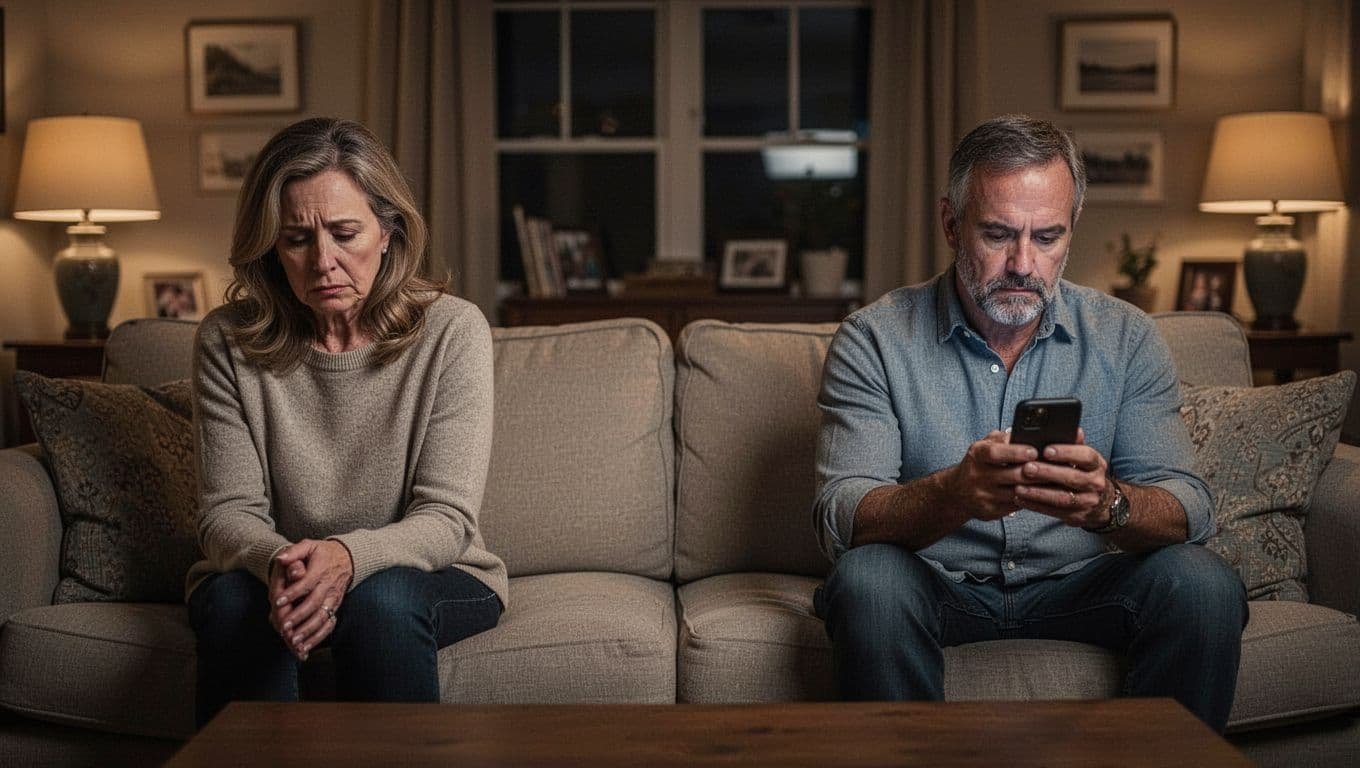
A few signs point to a deeper problem:
- Constant disconnection: You feel distant even when you are together, and repair never seems to last.
- Lack of trust: You hold back because you expect judgment, blame, or betrayal.
- Repeated disrespect: Your boundaries, feelings, or time are treated as if they do not matter.
- Fear of speaking up: You stay quiet because honest talk feels risky.
- Habit, not love: You stay because it is familiar, not because the relationship feels nourishing.
If these patterns sound familiar, loneliness is not just a mood. It is information. It tells you the relationship may no longer be giving you what a close bond should.
A relationship can also look stable on the outside while one person feels invisible inside it. Feeling invisible in marriage often starts with this same mix of silence, distance, and unmet needs.
When abuse or control is part of the picture
Sometimes loneliness comes from more than neglect. Emotional abuse, manipulation, intimidation, and control can make a person feel isolated even while they are in a relationship. The other person may monitor, dismiss, shame, or wear down their confidence until speaking up feels unsafe.
That kind of environment drains connection fast. It also makes a person doubt their own instincts, which can keep them trapped in the relationship longer than they should be. For a clear overview of these patterns, signs of emotional abuse in relationships can help you spot what is happening more clearly.
When control is present, loneliness is often paired with fear. You may walk on eggshells, hide your thoughts, or shrink yourself to avoid conflict. If that sounds familiar, the relationship needs more than better communication. It needs serious attention and support.
The National Domestic Violence Hotline explains that emotional abuse includes behaviors meant to control, isolate, or frighten someone, and those patterns often create lasting loneliness. You can read more about what emotional abuse is if you need a plain explanation of the warning signs.
If you feel safer being silent than being honest, the relationship is already hurting your sense of security.
Loneliness in this situation is not something to brush off. It is often the first clear sign that the relationship is harming your well-being, not supporting it.
What you can do if you feel lonely in your relationship
Feeling lonely in a relationship can make you question everything, but the first step is usually simple. Start with one clear conversation, then follow it with small daily changes that rebuild trust and closeness.
You do not need the perfect words. You need honest ones. If the distance has grown over time, the fix usually starts with patience, consistency, and a willingness to be seen again.

Start with one honest conversation
Say what you feel in plain language. Focus on your own experience, not on what your partner is doing wrong. You might say, “I feel lonely lately, and I miss feeling close to you,” or “I need more time with you, and I want us to talk about what has changed.”
That approach keeps the conversation from turning into a blame session. It also gives your partner something they can actually hear and respond to. If you need help putting your thoughts into words, better relationship communication habits can give you a simple place to start.
A good first talk does not have to solve everything. It just has to open the door.
Use “I” statements, keep your tone calm, and stay with the facts you can feel. That makes it easier for your partner to listen without getting defensive.
If the conversation gets hard, stay focused on what changed, what you miss, and what you need more of now. Simple words often work better than long explanations.
Rebuild connection with small, regular habits
Big gestures are nice, but small habits change the tone of a relationship faster. Connection grows when it shows up often, even in small doses. A shared meal, a short check-in, or a quick hug can matter more than one large, occasional effort.
Try a few low-pressure habits that fit your life:
- Share one meal a day without phones nearby.
- Check in for five minutes before bed.
- Plan one block of time together each week.
- Show affection more often, even in small ways.
- Ask one real question and wait for the answer.
These habits work because they make closeness part of the routine again. They also reduce the pressure to “fix” everything in one night. For more ways to create meaningful moments, questions that build emotional intimacy can help you move past surface talk.
If your relationship has fallen into silence, consistency matters more than intensity. One good week will not erase the gap, but steady effort can start to close it.
Get support when the problem feels too big to fix alone
Sometimes the loneliness is tied to patterns you can’t untangle by yourself. In that case, outside support can help. Couples counseling gives both people a structured place to talk, listen, and sort through old hurts without the same loop repeating.
Individual therapy can also help if you need space to understand your own needs, patterns, or boundaries. Trusted friends can offer perspective too, especially when you feel stuck and need a reality check. If the emotional distance is centered in marriage, rebuilding intimacy in marriage may also give you more context for what support could look like.
You don’t have to wait for a crisis to ask for help. Many people seek support when things are still repairable, and that can make the work easier. If the loneliness is tied to control, fear, or emotional harm, a mental health professional can help you think clearly about next steps.
Seeking support is not a last resort. It is a practical step when your relationship needs more help than you can give it on your own.
Conclusion
Feeling lonely in a relationship does not mean you are weak or broken. It usually means something important in the bond needs attention, such as emotional distance, poor communication, unmet needs, stress, or a pattern that keeps both people apart.
The key takeaway is simple, loneliness is information. When you name it honestly and talk about it clearly, you give the relationship a chance to change. If the distance feels too heavy to handle alone, support can help you sort out what is missing and what needs to happen next, including signs of lack of intimacy in marriage.
Start with the next small step, one honest conversation, one clear boundary, or one request for help. Real closeness usually begins there.
Save the pin for later

- 60 Color Tattoos That Healed Beautifully - 25/09/2026
- 40 Most Painful Tattoo Spots - 24/09/2026
- 20 Tattoo Aftercare Mistakes That Ruin Fresh Ink - 23/09/2026

