You can’t spot-reduce belly fat, but you can shrink your waist faster than most people think by lowering overall body fat. If you want how to reduce belly fat fast, the goal is simple, safe progress, not extreme rules or overnight fixes.
That means focusing on the habits that move the needle most, like what you eat, how you move, how well you sleep, and how you handle stress. With consistency, you can see changes in your midsection within weeks, especially when you keep your plan realistic.
The steps below keep things practical and stick to what works, so you can start making progress without wasting time on shortcuts that fall flat.
Start with the fastest fat-loss basics
If you want how to reduce belly fat fast, start with the habits that matter most. You do not need a harsh reset or a perfect meal plan. You need a small calorie gap, filling meals, and fewer foods that make overeating easy.
That approach works because belly fat drops when overall body fat drops. The more consistent your food choices are, the easier it gets to stay on track without feeling drained or deprived. For a broader look at the same basics, Harvard Health’s belly-fat guide backs up the value of protein, calorie control, and steady habits.
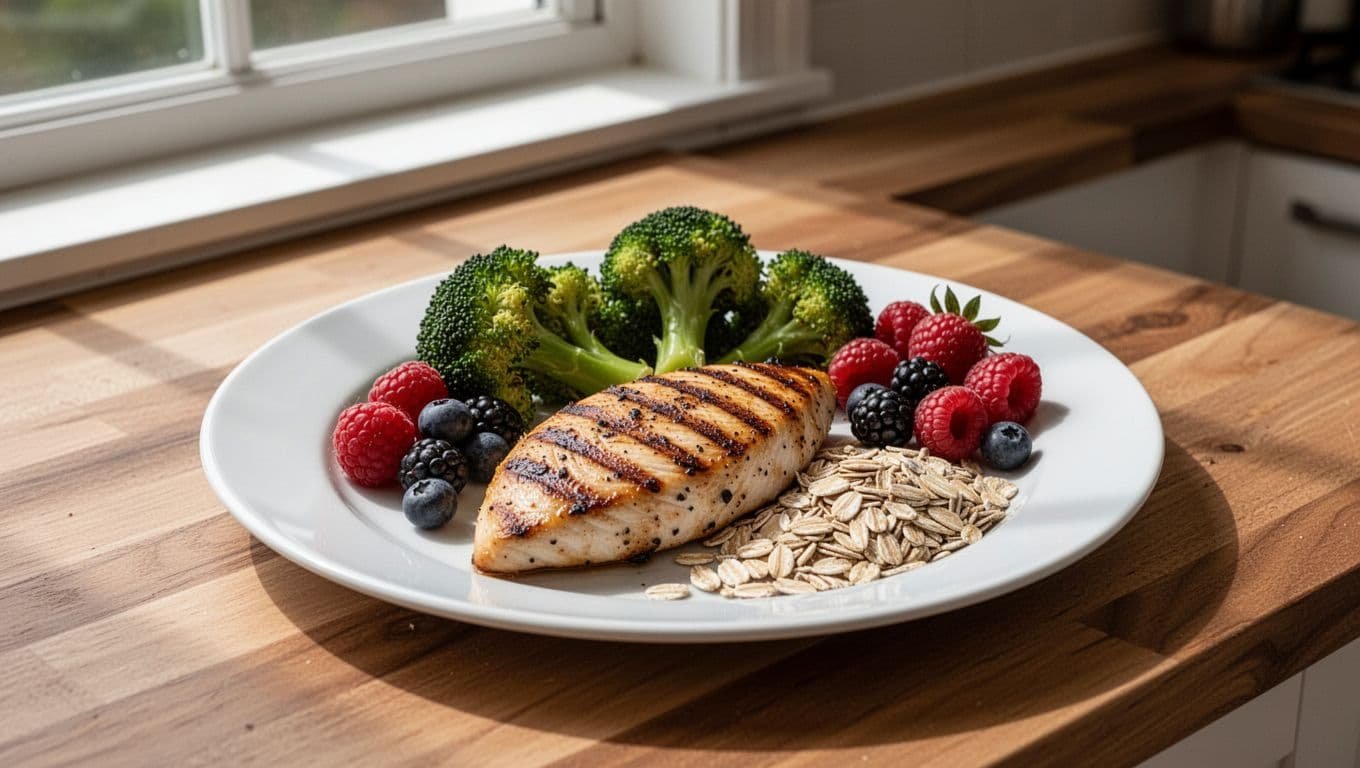
Create a small calorie deficit you can stick with
Fat loss starts when you eat a little less than you burn. That does not mean starving yourself. It means creating a gap you can repeat day after day.
Small changes add up fast. Try these first:
- Serve a little less at dinner.
- Swap sugary drinks for water, sparkling water, or unsweetened tea.
- Skip random bites while cooking or scrolling.
- Stop eating when you feel comfortably full, not stuffed.
Liquid calories are easy to miss, and mindless snacking can erase a day of good choices. A modest deficit works better than extreme restriction because it lasts.
The best fat-loss plan is the one you can follow on a normal Tuesday.
Build meals around protein and fiber
Protein and fiber help you stay full longer, so you naturally eat less. That makes them powerful tools when you are trying to trim belly fat without feeling hungry all day.
Use this simple rule: every meal should have a protein source and a high-fiber food. Good options include:
- Eggs, chicken, Greek yogurt, or beans for protein
- Oats, berries, vegetables, apples, or lentils for fiber
A meal built this way keeps your energy steadier and your appetite calmer. For example, eggs with vegetables, chicken with beans, or Greek yogurt with berries all work well. If you want more meal ideas, the best abs workouts for women guide pairs well with a smart eating plan.
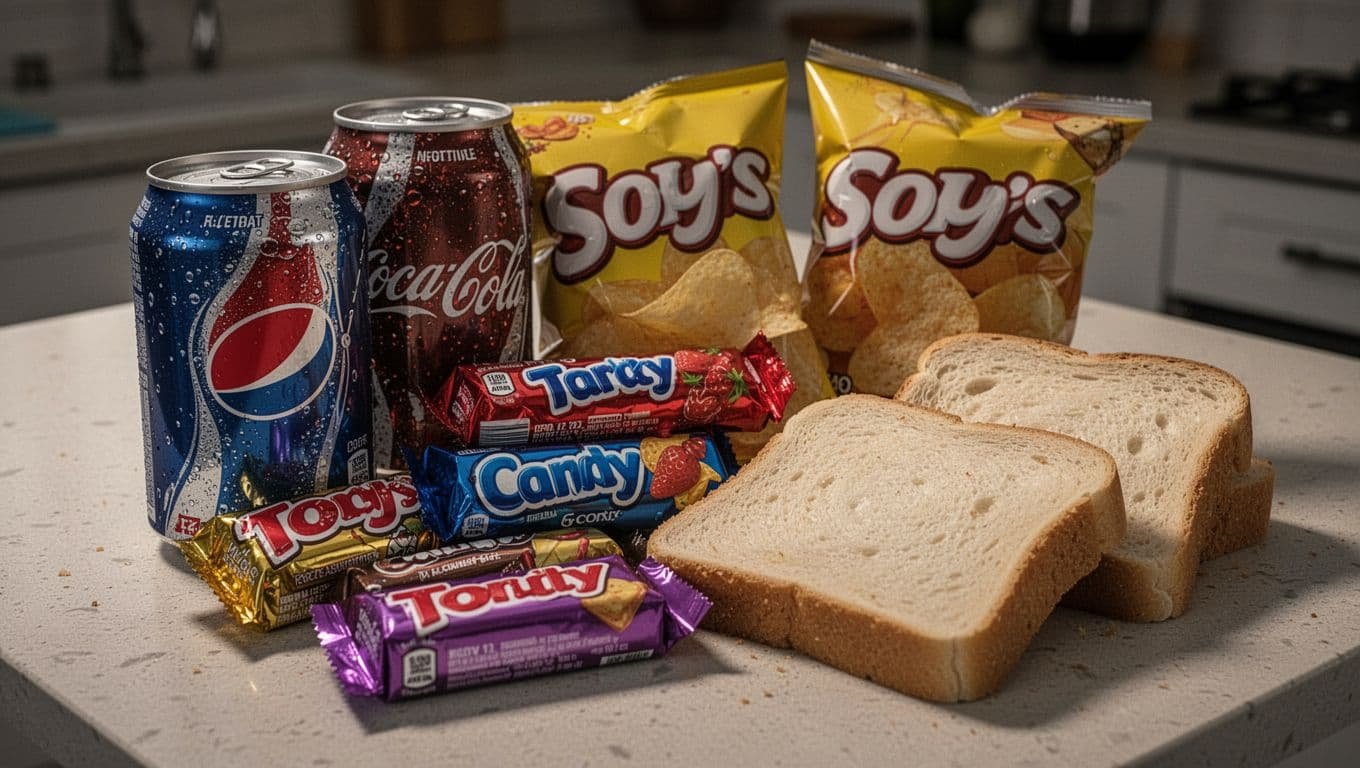
Cut the foods that make belly fat loss harder
Some foods make it much easier to overshoot your calories. Refined carbs, sweets, soda, alcohol, and ultra-processed snacks are the biggest ones to watch. They digest fast, taste easy to keep eating, and rarely leave you satisfied.
You do not have to ban them forever. Still, reducing them helps a lot because they crowd out better choices. That is especially true for white bread, chips, pastries, candy, and sweet drinks.
A simple swap is often enough:
- Choose whole grains instead of refined carbs.
- Pick fruit when you want something sweet.
- Save alcohol for fewer nights each week.
- Keep snack foods out of reach, so they are less automatic.
The goal is not perfection. It is making the foods that support fat loss the easy choice more often.
Move More, Burn More Fat
Exercise helps you lose fat all over your body, including your midsection. The right mix of steady cardio, short bursts of intensity, and strength training burns calories, protects muscle, and keeps your metabolism working for you. That matters if you want how to reduce belly fat fast without relying on endless ab moves that miss the bigger picture.
The best plan is simple. Keep moving often, push harder in short bursts when you’re ready, and lift weights to keep your shape as the scale drops.
Walk, jog, bike, or swim more often
Steady cardio is one of the easiest ways to burn calories and support fat loss. It also fits into real life better than complicated workout plans, which is why it works so well for beginners.
You don’t need long gym sessions to make progress. Brisk walks after meals, taking the stairs, biking to run errands, or adding extra steps during the day all count. If you want a deeper look at why walking helps, these walking benefits for fat loss explain how simple movement supports a trimmer waist over time.

Start with what feels manageable, then build from there. A 20-minute walk after dinner can do more for consistency than a workout you keep skipping.
A few easy ways to move more:
- Walk for 10 to 15 minutes after meals.
- Park a little farther away.
- Take the stairs instead of the elevator.
- Add 1,000 more steps a day, then build up.
Steady cardio won’t flatten your stomach overnight, but it creates the calorie burn that belly fat loss needs. Harvard Health also notes that combining diet and physical activity leads to better reductions in waist size and body fat, which fits the same practical approach you want here.
If you can repeat it most days, it’s the right kind of cardio.
Add short HIIT sessions if your body is ready
HIIT means short bursts of hard effort followed by rest. It works well because you burn a lot of energy in less time, and your body keeps working after the workout ends.
A simple HIIT session might look like sprinting for 20 seconds, resting for 40 seconds, then repeating. You can also do fast cycling, jump squats, mountain climbers, or bodyweight intervals. Harvard’s HIIT guide explains that this style can improve fitness in a shorter time, which is why so many people use it for fat loss.

Beginners should ease in. Good form matters more than speed, because sloppy reps can lead to pain or injury.
A smart starter format looks like this:
- Warm up for 5 minutes.
- Work hard for 20 to 30 seconds.
- Rest for 40 to 60 seconds.
- Repeat for 6 to 10 rounds.
Keep HIIT short at first, especially if you’re not used to intense exercise. Two or three sessions a week is plenty for most people.
Lift weights to keep muscle while losing fat
Strength training helps preserve muscle while you lose weight, and that matters for two reasons. First, muscle helps support your metabolism. Second, it gives your body a firmer shape as the fat comes off.
Focus on full-body moves instead of endless ab work. Squats, lunges, pushups, rows, and planks train more muscles at once, so you get more value from each session. A full-body plan also makes fat loss more practical because it builds strength where your body actually needs it.
If you want structure, a workout routine that actually works can help you organize cardio and strength days without overcomplicating things.
Keep the weights basic at first:
- Squats for legs and glutes
- Lunges for balance and lower-body strength
- Pushups for chest, shoulders, and core
- Rows for back and posture
- Planks for core stability
Lift two to four times a week, and focus on steady progress. You don’t need fancy equipment or perfect programming to see results. You just need enough resistance to challenge your muscles while your calorie intake stays under control.
Use smart eating patterns that make belly fat come off faster
Food timing and food choice can make fat loss feel easier. They do not trigger magic belly-fat burn, but they can help you eat fewer calories without feeling like you are constantly battling hunger.
The key is to pick patterns that fit your routine. If a method helps you stay steady, it can support faster progress. If it makes you overeat later, it works against you.
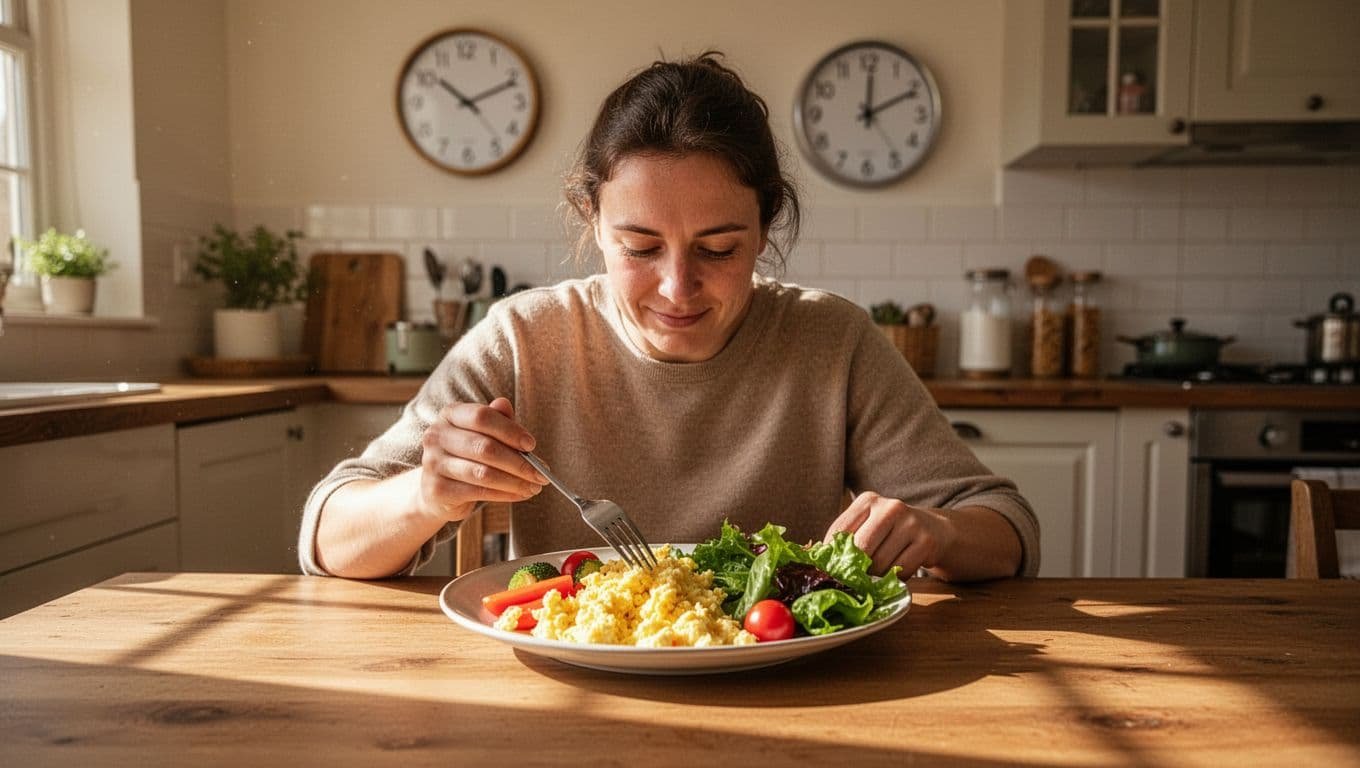
Try time-restricted eating if it helps you control intake
Time-restricted eating means keeping your meals inside a shorter daily window, such as 8 to 10 hours. In simple terms, you spend less time snacking, so it can be easier to avoid extra calories.
That is the main reason it helps. When there are fewer chances to eat, many people naturally cut back without tracking every bite. Research on time-restricted eating and weight loss shows it can work as a practical weight-loss approach for some people, mainly because it helps them eat less overall.
A simple setup might look like this:
- Breakfast at 10 a.m. and dinner by 6 p.m.
- Lunch at noon and a last meal by 8 p.m.
- Two solid meals and one snack window, instead of all-day grazing
Still, it is not the right fit for everyone. If you get so hungry that you overeat later, skip meals, or feel shaky, a shorter eating window may backfire. For a more balanced approach to meal timing, healthy breakfast ideas can help you build a morning meal that keeps you full longer.
Choose lower-carb meals when they help you eat less
Some people lose belly fat faster when they reduce refined carbs and build meals around protein and vegetables. That usually means fewer blood sugar swings, less hunger, and fewer snack attacks later in the day.
You do not need to go strict or cut carbs completely. Instead, trim the foods that do not keep you full. A rice bowl with extra vegetables and grilled chicken is usually a better choice than a giant bowl of rice with little protein. A lettuce wrap can replace a bun. Eggs can replace pastries at breakfast.
A few easy swaps work well:
- Choose eggs instead of muffins or donuts.
- Add more vegetables and less rice to bowl meals.
- Use lettuce wraps for sandwiches or burgers.
- Pick chicken, tuna, tofu, or beans before refined carbs.
If you want a meal style that makes this simple, high-protein low-carb bowls are an easy place to start. Low-carb eating also has research support for reducing visceral fat in some people, especially when it helps them eat fewer calories overall.
Lower-carb meals work best when they feel practical, not strict.
Use simple foods that improve fullness and consistency
The best fat-loss foods are usually plain and boring in the best way. Water helps you avoid mistaking thirst for hunger. Green tea can give you a small boost without adding calories. High-protein snacks can keep you from raiding the kitchen later.
Keep your focus on consistency, not trends. Greek yogurt, cottage cheese, hard-boiled eggs, fruit, nuts, and cut vegetables are simple options that travel well and keep hunger in check. If you want more structure, blood sugar-friendly meal ideas can help you build meals that support steady energy too.
Supplements are optional. They are not required, and they should never replace real food. If you use one, treat it as a small add-on, not the plan itself.
A few smart defaults make the biggest difference:
- Drink water before reaching for snacks.
- Keep protein on hand for busy hours.
- Use green tea instead of sugary drinks.
- Build meals that leave you satisfied, not stuffed.
If your meals keep you full and your schedule stays simple, fat loss gets much easier to maintain.
Fix the daily habits that slow down belly fat loss
The fastest progress often comes from the habits that quietly work against you. If your sleep is short, your stress is high, and you never track progress the right way, belly fat loss can feel stuck even when you are trying hard.
Small daily changes matter here. Better rest, calmer days, and clearer progress checks make it easier to stay consistent, which is what actually moves your waistline.
Sleep enough so hunger and cravings stay under control
Poor sleep can make fat loss harder fast. When you sleep too little, you often wake up hungrier, feel less energetic, and reach for quick snacks more often. Research on sleep disruption, hunger, and weight gain shows that short sleep can affect appetite, satiety, and body weight.
That means one late night can set off a rough next day. You may skip a workout, crave sugar, or eat more just to keep going. Over time, that adds up.
A few simple sleep habits help:
- Keep a consistent bedtime, even on weekends.
- Cut back on late-night screen time.
- Make your room dark, cool, and quiet.
- Stop heavy meals and alcohol close to bedtime.
If sleep is a weak spot, start with one change. A steady bedtime is often the easiest place to begin. You can also build support with priority sleep habits for better balance, which can help your body settle into a better rhythm.
Better sleep does not burn belly fat by itself, but it makes every other fat-loss habit easier to follow.
Lower stress so your eating stays on track
Stress can push you toward emotional eating, skipped workouts, and poor sleep. That is a hard mix to beat because each problem feeds the next one. Stress makes you crave comfort food, then bad food choices make you feel worse.
Keep your stress relief simple and repeatable. You do not need an hour-long routine to calm down. A few minutes can help if you use them often.
Try these during the day:
- Take a short walk after a tense meeting.
- Breathe in slowly for a few counts, then exhale longer.
- Write down what is stressing you out.
- Step away for a quick break before you eat out of stress.
Mayo Clinic notes that emotional eating often shows up when people are stressed or overwhelmed, and that stress management can help bring eating habits back under control. If you want a deeper look at how stress affects the midsection, high cortisol and belly fat gives a clear picture of why calm routines matter.
Track waist size, not just scale weight
The scale can make you think nothing is changing when your body is still moving in the right direction. Water retention, sodium, hormones, and sore muscles can all make weight jump around from day to day.
That is why waist size matters. A tape measure gives you a better view of belly fat loss than the scale alone. Take the measurement at the same spot each time, then compare it every one to two weeks.
You can also watch for other signs of progress:
- Clothes fit more easily around the waist.
- Your energy feels steadier during the day.
- You lift more weight or finish workouts with less strain.
- Progress photos show a smaller midsection.
If you want a simple system, pair waist checks with a few habit notes each week. That way, you can see what is working and what needs adjusting. A tool like daily habit tracking can make that easier without turning it into a chore.
When you track the right things, you stay focused on real progress, not daily noise. That keeps you patient, and patience is what helps belly fat come off for good.
Avoid the belly fat mistakes that waste time
A lot of people work hard and still get nowhere because they focus on the wrong things. Endless crunches, extreme diets, and fat-burning pills can make the process feel busy, but they rarely move belly fat in a real way. If you want results, skip the noise and stick with the basics that actually change body fat.
Do not fall for spot reduction claims
Ab workouts are useful, but they do not burn fat from one spot on your body. Crunches, planks, and leg raises can strengthen your core, yet belly fat comes off when your overall body fat goes down.
That means the real target is full-body fat loss. If your workouts build muscle but your eating keeps you in a calorie surplus, your midsection will stay the same. Research keeps showing that spot reduction does not work, so targeting overall fat loss is the smarter move.
You can keep core work in your routine, just do not expect it to flatten your stomach by itself. Use it to build strength, then back it up with walking, strength training, and better food choices.
Skip crash diets and quick-fix pills
Extreme diets, detox plans, and fat-burning supplements usually fail because they are hard to keep up. You may drop weight fast at first, but the plan often falls apart when hunger, fatigue, or boredom kicks in. A steady calorie deficit with normal meals works better than a short burst of misery.
Supplements can also be misleading. Many promise faster fat loss, but the results are usually small, if they show up at all. Some can even cause side effects, so if you have a health condition or take medication, speak with a doctor before trying any supplement. The Cleveland Clinic’s review of fat burners explains why these products rarely live up to the label.
A better approach is simpler and easier to repeat:
- Eat regular meals that keep you full.
- Build plates around protein and fiber.
- Move every day, even if it’s just a walk.
- Track progress over weeks, not days.
If you want to know how to reduce belly fat fast without wasting time, stop chasing shortcuts that burn out fast. Keep your plan boring, steady, and realistic, because that is what actually lasts.
Conclusion
If your goal is how to reduce belly fat fast, the clearest path is still the simplest one. Eat fewer calories than you burn, keep protein and fiber high, move more, lift weights, and protect your sleep.
That mix works because it helps you lose fat without burning out. Belly fat takes time to come off, but the right habits can show real changes faster than most people expect.
The best plan is the one you can follow every day, even when life gets busy. Keep it steady, keep it realistic, and the results will come.
Save the pin for later

- 60 Color Tattoos That Healed Beautifully - 25/09/2026
- 40 Most Painful Tattoo Spots - 24/09/2026
- 20 Tattoo Aftercare Mistakes That Ruin Fresh Ink - 23/09/2026

