You’re a busy parent shuttling kids to practice, squeezing in work emails, and collapsing at night. But lately, nagging headaches hit weekly, your shoulders ache nonstop, and you drag through the day despite coffee. You chalk it up to age or a packed schedule. What if your body signals too much stress instead?
Chronic stress traps your fight-or-flight response in overdrive. It floods you with cortisol and adrenaline around the clock. Short-term, that saves you from danger. Long-term, it spikes blood pressure, disrupts sleep, and weakens immunity, according to the Mayo Clinic. The American Psychological Association agrees: ignored stress leads to heart trouble and frequent illness.
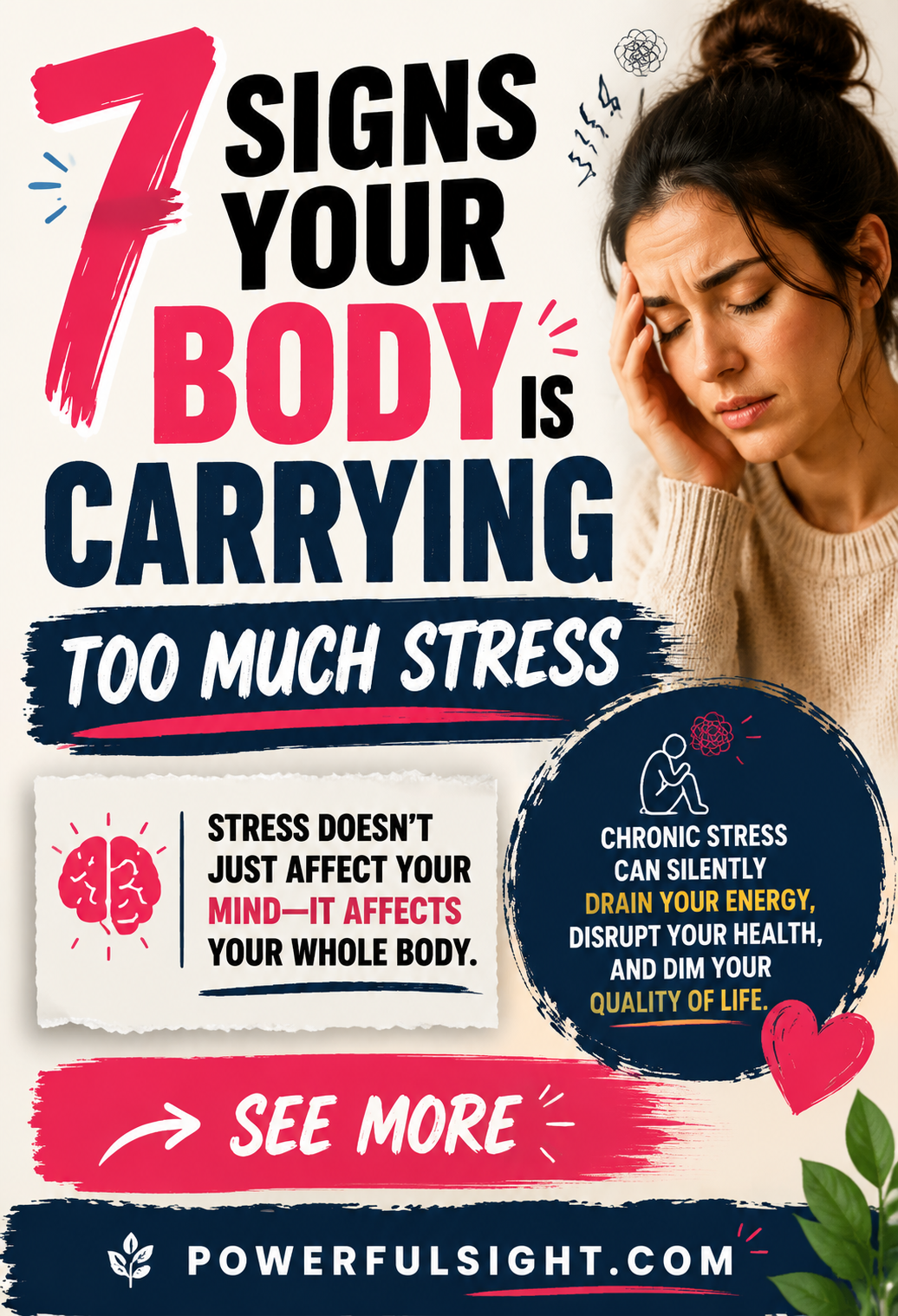
Signs your body is carrying too much stress often show up physically first. Think frequent headaches, constant muscle tension, unrelenting fatigue, sleep troubles, digestive woes, frequent illnesses, and appetite shifts. These physical symptoms of chronic stress warn of bigger risks if you miss them.
Spot them now, and you dodge serious fallout. Each section ahead breaks down one sign with why it happens and quick relief steps, like breathing resets or stretches. For more clues, see 9 signs your stress levels are too high. Check this video from Dr. Tracey Marks on stressed body signals too.
Ready to match your symptoms? Let’s cover the first one.
Frequent Headaches That Linger All Day
Picture this: you sit through back-to-back meetings, jaw tight, pounding starting behind your eyes. By lunch, a dull ache grips your forehead like a vise. Tension headaches from stress feel exactly like that. They stem from knotted neck and shoulder muscles that squeeze your head in a tight band. Stress sparks constant clenching. This cuts blood flow and builds pressure, as the Cleveland Clinic explains. Usual pain meds often fall short. The ache worsens on tough days and lingers all afternoon. If headaches strike most days, see your doctor to rule out other issues.

Why Your Body Reacts This Way to Stress
Your body gears up for threats with stress hormones like cortisol and adrenaline. These signal muscles in your neck, shoulders, and scalp to tighten fast. It’s a protective move, but chronic stress keeps them locked. Pressure radiates upward, forming that band-like squeeze around your head. Reduced blood flow adds to the throb, per the Mayo Clinic. You end up with heightened pain sensitivity too. No wonder headaches drag on.
Quick Checks to Confirm It’s Stress
Wonder if stress fuels your headaches? Run these simple tests. They take minutes and reveal patterns.
- Track timing: Jot when headaches hit. Do they match high-stress moments, like deadlines or arguments? Alignment points to stress.
- Test relaxation: Pause for deep breaths or a quick neck roll. Relief within 10 minutes suggests tension at play.
- Feel for clenching: Press your jaw or shoulders. Tight spots that ease with massage scream stress.
If checks confirm it, try neck stretches: tilt your head side to side, hold five seconds. Or breathe deeply: inhale four counts, exhale six. These cut muscle knots fast. Build on them with daily habits for mental wellness. Persistent pain means check with a pro.
Constant Tension in Your Neck and Shoulders
You hunch over your laptop for hours, deadlines looming. Suddenly, a stiff band grips your upper back. Or you wake with a crick in your neck that won’t quit. Constant tension hits these spots because stress locks your muscles in guard mode. Your body pumps out cortisol, keeping shoulders raised and neck rigid. This isn’t workout soreness. It builds from braced posture all day. The Mayo Clinic lists muscle tension as a top stress sign. Pain flares during tough calls or traffic jams. Desk workers rub shoulders hourly, but relief fades fast.

Common Spots Where Tension Builds Up
Stress targets your neck, shoulders, and lower back most. In your neck, it feels like a tight rope pulls your head forward. You get stiff turns and sharp twinges when you glance sideways. Shoulders turn into rock-hard knots; lifting your arms hurts, and they ache deep after long sits. Lower back screams with a dull throb or burning pull, worse when you stand after hunching.
These spots brace because prolonged stress signals constant threat. Muscles fatigue, posture slumps, and inflammation creeps in. A desk worker example: you shift hourly, but tension rebounds by afternoon. Massage eases it for minutes, then clamps back.
Try heat packs for 15 minutes to loosen knots. Fix posture by rolling shoulders down and back. Take short walks every 30 minutes to reset. If pain sticks around, see a doctor. For more calm, check natural nervous system regulation techniques. These steps cut the cycle quick.
Exhaustion That No Amount of Sleep Cures
You get seven or eight hours of sleep each night, yet mornings feel heavy. You push through the day on autopilot, but by 3 p.m., energy crashes hard. As a parent, you skip hobbies or family games because fatigue wins. This isn’t laziness. Chronic stress keeps your body revved up, burning reserves even during rest. The APA explains how constant cortisol and adrenaline drain you. Afternoon slumps hit because hormone levels drop after staying too high all day.
Other issues like thyroid problems or anemia cause tiredness too. Stress stands out with wired-but-tired feelings and no relief from sleep. Ignore it, and burnout looms: total shutdown where work and joy vanish.

How Stress Drains Your Energy Reserves
Stress hormones wreck your recovery. Adrenaline kicks in first for quick energy bursts. Then cortisol floods your system from overworked adrenal glands. These glands sit atop your kidneys and pump nonstop under pressure.
High cortisol disrupts sleep cycles. It delays deep sleep stages where your body repairs. You toss more and wake unrefreshed. The Cleveland Clinic details how this leads to fatigue. Adrenals fatigue too, so energy dips persist. Your body stays in alert mode, skipping recharge. Result? Dragging days despite bed time. For signs your body needs more rest, check common patterns.
Fight back with 20-minute power naps before 2 p.m. Eat balanced meals with protein and veggies to steady blood sugar. These steps rebuild reserves and cut burnout risk.
Nights of Tossing and Turning Endlessly
You climb into bed exhausted, but your brain refuses to shut off. Worries replay: work deadlines, family squabbles, or that nagging bill. You toss for hours, or wake at 3 a.m. staring at the ceiling. Restless nights like this signal stress overload. High cortisol from stress blocks melatonin, your sleep hormone. Levels stay elevated at night, so you feel wired yet tired. The Sleep Foundation shows this cuts deep sleep and REM, leaving you fragmented. You take longer to nod off, wake often, and drag through mornings. This worsens the fatigue from earlier signs, creating a loop.

Racing thoughts keep adrenaline pumping too. No wonder you lie awake fretting. Poor sleep then amps stress more, as cortisol surges without rest. Break in now, or it steals your days.
Breaking the Stress-Sleep Cycle
Stop the loop with these three steps. Start small for real change.
- Journal your worries: Spend 10 minutes before bed writing fears and to-dos. This clears your mind, so thoughts don’t chase you into sleep.
- Build a wind-down routine: Dim lights an hour early, skip screens, sip herbal tea. Your body cues melatonin naturally.
- Try box breathing: Inhale four counts, hold four, exhale four, hold four. Repeat five times to drop cortisol fast.
These cut racing minds quick. For more, see evening habits for better sleep. You’ll wake sharper, less drained.
Stomach Upsets That Come and Go
Ever feel butterflies in your stomach before a big presentation? Sometimes those flutters turn into real cramps, nausea, or bloating that hits right after stressful days. Your gut twists, bowels shift, and discomfort fades when calm returns. These intermittent stomach upsets scream stress overload. The gut-brain connection makes your belly a stress barometer. Nausea surges, IBS-like symptoms flare with cramps or diarrhea, as the Mayo Clinic notes on stress symptoms. Busy parents or workers often ignore it until pain lingers.

You might cramp up post-argument or bloat during deadlines. Bowel habits change too: loose one day, backed up the next. Stress disrupts your “second brain” in the gut, with 100 million neurons linking straight to your head. Short bursts cause butterflies. Constant pressure builds real pain.
Stress’s Direct Hit on Digestion
Stress slams digestion into slowdown mode. Your fight-or-flight response pulls blood from your gut to muscles and brain. Food sits longer in your stomach, causing bloating and nausea. Cortisol ramps up stomach acid too. That extra acid irritates your lining, sparking heartburn or reflux.
Meanwhile, gut motility flips. Intestines speed up for diarrhea or crawl for constipation. Enzymes drop, so nutrients absorb poorly. The Mayo Clinic ties this to functional dyspepsia, where no clear cause shows but symptoms match stress patterns.
Sip ginger tea to settle nausea fast. Probiotics balance gut bacteria disrupted by stress. Walk after meals to kickstart motility. If upsets persist over weeks, see your doctor to rule out other issues. These steps break the gut-stress loop quick.
Catching Colds and Bugs More Often
You catch every cold going around the office. Kids bring home sniffles, and you get them too. Cuts or scrapes heal slower than before. These frequent bugs point to stress wearing down your defenses. Your body stays in fight mode, so immunity drops. Colds hit harder because white blood cells can’t keep up. WebMD notes that ongoing stress floods you with hormones that suppress those cells. An office worker example fits: deadlines pile up, sleep suffers, and suddenly you’re the one with tissues everywhere.

How Stress Suppresses Your Defenses
Cortisol surges under pressure. Short bursts help fight germs. Constant levels kill off T cells and B cells, your key defenders. These cells attack viruses like those in colds. High cortisol slows their growth and cuts antibody production. Inflammation runs wild too, because cells ignore cortisol’s calm-down signal.
Result? Rhinoviruses spread fast. You sniffle more, cough longer. Studies from Carnegie Mellon back this: stressed people exposed to cold viruses got sick easier. Their immune responses weakened, symptoms lasted weeks. Slower healing shows up in lingering sores or bruises. Stress shifts blood away from repair, so recovery drags.
Spot It and Bounce Back Quick
Notice patterns to confirm stress plays a role. Colds strike during busy weeks. You recover slower from workouts or minor injuries. Check your calendar: bugs cluster after high-pressure months?
Boost back with basics. Rest more to let adrenals recover. Add vitamin C from oranges or peppers; it supports white blood cells. Eat foods that reduce inflammation like berries and fish to ease the load. Walk daily to lower cortisol naturally.
Infections that linger weeks mean see your doctor. Rule out other issues. These steps rebuild strength fast, so bugs skip you next time.
Appetite Swings or Weight Changes
One day you devour a pint of ice cream after a tough meeting. The next, you skip lunch because food turns your stomach. These appetite swings confuse you, and the scale tips up or down without reason. Stress flips your hunger switch erratically. It sparks intense cravings for sweets and fats, or kills your appetite entirely. Weight creeps on around your middle because cortisol tells your body to store fat there. You notice pants tighten during busy weeks, or you drop pounds fast then rebound. Parents juggle this with kid snacks tempting you constantly. These shifts link back to fatigue and gut issues from earlier signs.

After a bad day, emotional eating hits hard. You raid the pantry for chips because they soothe fast. But chronic stress makes this routine. High cortisol changes how your body handles food, leading to yo-yo weights.
Why Stress Messes with Hunger Signals
Cortisol surges under stress and boosts ghrelin, your hunger hormone. It makes you ravenous, especially for sugary or fatty foods. At the same time, stress dulls leptin, the fullness signal, so you eat past comfort. The Cleveland Clinic notes this combo drives overeating and belly fat storage. Your body thinks famine looms, so it packs calories as visceral fat.
Some days, adrenaline kills hunger first. You feel too wired to eat. Then cortisol rebounds appetite stronger. Result? Unpredictable swings and steady gain if unchecked.
Spot it with these checks. Cravings strike evenings after stress peaks. You eat mindlessly while scrolling. Or meals sit untouched amid worries.
Practice mindful eating to reset. Pause before bites; ask if you’re truly hungry. Chew slowly, savor flavors. This cuts emotional raids. Track patterns in a journal to catch triggers.
If swings persist with big weight shifts, see a doctor. Rule out thyroid issues or eating disorders. For effective strategies to beat work stress, build habits that steady your signals. Small changes normalize hunger quick.
Steps to Lighten Your Stress Load Today
You notice headaches, tight shoulders, fatigue, poor sleep, gut issues, more colds, and appetite shifts. Several signs together point to overload. Track them in a notebook for a week. Note when they hit and what triggers them. Patterns emerge fast, like tension after work calls or exhaustion post-family chaos. This awareness cuts denial and guides fixes.

Start with Lifestyle Medicine Pillars
Lifestyle medicine targets stress through six pillars: plant-based eating, exercise, sleep, stress techniques, connections, and no harmful habits. Pick one or two today. A whole-food diet with veggies stabilizes mood because it fights inflammation. Walk 20 minutes daily; it drops cortisol and boosts endorphins. The American College of Lifestyle Medicine details these.
Try These Quick Strategies Now
Ease in with proven moves. Exercise like brisk walks or yoga releases feel-good chemicals. Meditate five minutes: sit quiet, breathe deep, focus on your breath. Talk therapy helps unpack worries; find a counselor online or through work. Fix sleep hygiene by setting bedtimes, ditching screens an hour early, and keeping rooms cool.
These build resilience. Journal three gratitudes nightly to shift focus. Connect with a friend weekly; chats release oxytocin.
Seek Help if Needed
Patterns persist after two weeks? Or signs worsen, like daily headaches or major weight loss? See your doctor. They rule out thyroid issues or check cortisol levels. Therapy or meds pair well with habits. Start tracking today. Small steps snowball into lighter days. You got this.
Conclusion
Frequent headaches, neck and shoulder tension, exhaustion that sleep doesn’t fix, restless nights, stomach upsets, more colds, and appetite swings all signal too much stress. These signs build quietly until they drag you down. You spot them now because your body asks for help.
Small changes reduce stress symptoms and bring big relief. A quick walk lowers cortisol. Deep breaths ease muscle knots. Journaling quiets racing thoughts at night. Start with one today, and patterns shift fast.
Try a tip from this post right now. Share in the comments what works for you. If signs linger, see your doctor to check deeper issues. Your body bounces back strong with steady care.
Save pin for later

- Healthy Air Fryer Recipes for Beginners - 21/09/2026
- Healthy Snacks for Late Night Cravings - 21/09/2026
- High Protein Meal Prep Ideas for Easy Weekly Meals - 21/09/2026

