Miscarriage is common, painful, and often frightening, but it usually isn’t caused by anything you did or failed to do. In early pregnancy, the most common reason is a random chromosome problem that prevents the embryo from developing normally, even when both parents are healthy.
This article covers eight medically recognized causes and risk factors for miscarriage. Some are direct causes, while others can increase risk, such as certain health conditions, infections, age-related factors, or problems affecting the uterus. Still, many miscarriages happen without a clear explanation, so learning about possible causes shouldn’t lead to self-blame.
If you’re experiencing bleeding, cramping, or other concerning symptoms, contact your obstetrician, midwife, or another qualified health professional for personal advice, diagnosis, and treatment. Next, let’s look at the eight causes and risk factors you should know.
Key Takeaways
- Most early miscarriages result from random chromosomal problems that prevent normal embryo development, not from anything you did.
- Risk can increase with age, previous miscarriage, certain health conditions, infections, smoking, alcohol, drug use, or harmful chemical exposure.
- Everyday activities such as working, exercising, having sex, arguing, or experiencing ordinary stress generally don’t cause miscarriage.
- Bleeding, cramping, severe pain, fever, passing tissue, or sudden fluid leakage requires prompt medical advice. See Mayo Clinic’s miscarriage guidance.
- Many losses have no clear explanation, so NHS miscarriage information can provide reassurance without encouraging self-blame.
What causes miscarriage during pregnancy? The most common reasons
A miscarriage can happen for several reasons, but a direct cause is different from a risk factor. A direct cause may stop an embryo or fetus from developing, while a risk factor only raises the chances of loss. Even when a risk factor is present, it doesn’t mean miscarriage will happen.
Most early miscarriages involve a random problem in the embryo’s chromosomes. Everyday activities, including exercise, sex, work, ordinary stress, or an argument, usually don’t cause pregnancy loss. The first four causes below can help explain what may happen, although some losses still have no clear answer.

Chromosome problems that stop the pregnancy from developing normally
An embryo may have an extra chromosome, a missing chromosome, or another chromosome arrangement that prevents normal growth. When this happens, the pregnancy often stops developing on its own.
The American College of Obstetricians and Gynecologists (ACOG) says about half of early miscarriages happen because the embryo doesn’t develop properly, often due to an abnormal number of chromosomes. Read ACOG’s early pregnancy loss guidance for more medical detail.
These chromosome changes usually happen by chance during the formation of the egg, sperm, or embryo. They aren’t caused by a parent’s mistake, exercise routine, sexual activity, or something they ate. Testing after a loss may help identify a specific chromosome problem, especially when miscarriages happen more than once. Still, testing doesn’t always find a clear cause, and an unexplained loss isn’t evidence that you did something wrong.
Age-related changes that can raise miscarriage risk
As a woman gets older, the chance of chromosome problems in an egg increases. That helps explain why miscarriage risk rises after age 35 and becomes more noticeable after age 40. ACOG estimates that about 1 in 3 pregnancies end in miscarriage for women over 40, with many of those losses linked to chromosome abnormalities.
This statistic describes a population-level risk, not an outcome for one person. Many people over 35 or 40 have healthy pregnancies and healthy babies. Age also doesn’t mean someone caused a loss or failed to take proper care of themselves. Your healthcare professional can discuss screening, prenatal testing, and other factors that apply to your pregnancy.
Health conditions such as diabetes and thyroid disease
Some health conditions can raise miscarriage risk when they remain untreated or poorly controlled. Diabetes is one example, especially when blood sugar stays outside the recommended range. Thyroid disorders may also increase risk if thyroid hormone levels aren’t managed during pregnancy.
Good prenatal care can improve your health before conception and throughout pregnancy. A healthcare professional may review your blood tests, symptoms, medical history, and treatment plan to see whether adjustments are needed. If you have diabetes, thyroid disease, high blood pressure, or another chronic condition, schedule care early when possible.
Don’t stop, skip, or change medication on your own. Some medicines need adjustment during pregnancy, but stopping treatment suddenly can also create health risks. Your obstetrician, midwife, endocrinologist, or primary care clinician can help you make safe decisions.
Problems with the uterus or cervix
The uterus may have a shape difference that affects how a pregnancy develops. Fibroids, polyps, or scar tissue can also matter in some cases, depending on their location and size. A cervix with weakened tissue may open too early, which can contribute to a later pregnancy loss.
These conditions aren’t always present, preventable, or responsible for every miscarriage. If you experience repeated losses, a later loss, or symptoms that suggest a concern, your clinician may recommend an ultrasound or another evaluation. A pelvic exam, imaging study, or additional testing can help identify whether the uterus or cervix needs attention.
For general healthy pregnancy guidance, keep regular prenatal appointments and share new symptoms promptly. Evaluation can provide useful answers, but it may not explain every loss.
Other pregnancy loss risk factors doctors may look for
Some pregnancy loss risk factors involve infections, blood-clotting problems, substance exposure, or pregnancy complications. However, a risk factor doesn’t prove what caused a particular miscarriage. Many losses happen even when no risk factor is found.
Infections that may affect pregnancy health
Serious, untreated infections can sometimes affect the uterus, placenta, or the membranes surrounding the pregnancy. Certain infections may also cause fever, inflammation, or illness that puts pregnancy health at risk. Routine prenatal screening helps identify some infections early, while other concerns may require testing based on symptoms, medical history, or possible exposure.
Contact your healthcare professional if you develop a fever, severe illness, unusual vaginal discharge, pelvic pain, painful urination, or symptoms after a possible exposure. Don’t assume an infection caused a loss, and don’t take leftover antibiotics or someone else’s medication. Your clinician can choose the right test and treatment.
Blood-clotting and hormone-related disorders
Some blood-clotting or immune-system conditions, including antiphospholipid syndrome, can increase the risk of pregnancy complications and recurrent pregnancy loss. Hormone-related problems may also matter in selected cases. For example, low progesterone can be part of an evaluation, but a single symptom or blood test doesn’t diagnose the cause.
Doctors may review your medical history, order blood tests, or investigate other explanations after repeated losses or a later loss. Most people don’t need extensive testing after one early miscarriage. Treatment depends on the condition and your pregnancy history.
Don’t start low-dose aspirin, progesterone, blood thinners, or other medicines without medical advice. These treatments can help in specific situations, but they aren’t safe or useful for everyone.
Smoking, alcohol, drugs, and too much caffeine
Smoking, alcohol, illegal drugs, and high caffeine intake can increase pregnancy risks. Nicotine reduces oxygen delivery and may affect the placenta, while alcohol and some drugs can harm pregnancy development. If you smoke, drink, or use drugs, asking for help is a medical step, not a reason for shame.
Mayo Clinic recommends keeping caffeine at no more than 200 milligrams per day, which is roughly the amount in a 12-ounce cup of brewed coffee. Amounts vary, however, so check coffee, tea, energy drinks, soda, chocolate, and supplements together.
If stopping feels difficult, tell your obstetrician, midwife, or primary care professional. They can help you reduce exposure safely and connect you with treatment or support.
Harmful exposures, weight concerns, and certain pregnancy complications
High-dose radiation and workplace chemicals, such as solvents, pesticides, or heavy metals, may create risk in certain situations. Still, everyday work, normal movement, walking, and routine household activities aren’t automatically dangerous. Share details about your job, protective equipment, and possible exposure with your prenatal team before making sudden changes.
Obesity or being significantly underweight can also affect pregnancy health. A clinician may discuss nutrition, weight changes, blood pressure, blood sugar, and safe activity. You can also review pregnancy nutrition by trimester for general food guidance, but personal advice matters if you have severe nausea, diabetes, or another health condition.
Multiple pregnancies, including twins or triplets, carry additional complications. Invasive tests such as chorionic villus sampling and amniocentesis can uncommonly cause miscarriage, although doctors recommend them only when their potential benefits outweigh their risks. Ask why a procedure is recommended, what alternatives exist, and what warning signs require follow-up.
What does not cause miscarriage, despite common fears
Miscarriage can make ordinary moments feel suspicious. You may replay a workout, a stressful conversation, a day at work, or the decision to have sex and wonder whether it caused the loss. In almost every case, miscarriage is not the pregnant person’s fault.
Why everyday stress, movement, and sex are usually not the cause
ACOG and Mayo Clinic state that working, ordinary exercise, sex, arguments, emotional stress, morning sickness, and birth control pills used before pregnancy do not usually cause miscarriage. A random chromosome change often disrupts early development before any daily activity could affect the outcome. You can read more about these common fears in Johns Hopkins’ miscarriage guidance.

A healthy person can usually walk, work, exercise safely, and maintain intimacy during pregnancy. Morning sickness also doesn’t cause miscarriage, and taking birth control pills before becoming pregnant doesn’t damage a later pregnancy. Even a heated argument doesn’t cause the chromosome changes behind most early losses.
That reassurance has limits. A high-impact injury, unsafe exposure to radiation or chemicals, or a health condition can require medical attention. Your clinician may also restrict exercise, lifting, sex, travel, or other activities because of bleeding, placental concerns, cervical problems, or another pregnancy complication. Follow those instructions rather than comparing your situation with general advice.
Emotional distress still deserves care, even when it didn’t cause the loss. Grief, anxiety, depression, sleep problems, and isolation can make recovery harder. Talk with someone you trust, your healthcare professional, or a mental health provider. Simple habits for emotional wellness may offer support, but persistent or severe symptoms need professional care.
Why finding a cause is not always possible
After one miscarriage, medical evaluation may not reveal exactly what happened. The pregnancy may have stopped developing because of a random chromosome problem that routine testing never identifies. Sometimes an ultrasound confirms the loss, but it cannot show why development ended.
That uncertainty can feel like an unfinished sentence. It doesn’t mean you missed a warning sign, ate the wrong food, exercised too much, or failed to protect the pregnancy. Searching for someone to blame cannot create an answer where medicine has none.
After repeated miscarriages, or in special circumstances, a clinician may recommend testing based on your history. Evaluation can include chromosome testing, blood tests, or an assessment of the uterus and other health conditions. The right approach depends on the number and timing of losses, your age, symptoms, and previous results.
Avoid unproven tests, supplements, or treatments promoted as universal answers. Ask what each test can show, how reliable it is, and whether the result would change treatment. Even after a careful evaluation, some losses remain unexplained, and that uncertainty is not proof that you caused them.
Warning signs that need prompt medical attention
Bleeding or pain during pregnancy doesn’t always mean a miscarriage, but you should report either symptom to your obstetrician, midwife, or another healthcare professional. Spotting can happen for several reasons, yet only an evaluation can show whether the pregnancy is developing normally.
Contact your prenatal care team if you notice:
- Spotting or vaginal bleeding, even when it’s light
- Cramping, pelvic pressure, or lower abdominal pain
- Passage of tissue, clots, or material that looks different from normal blood
- A gush or leak of fluid from the vagina
- Unusual vaginal discharge, especially with pelvic pain, fever, or an unpleasant odor
You can review Mayo Clinic’s miscarriage symptoms, but don’t wait for an online article to confirm what is happening. Symptoms can overlap between a healthy pregnancy, miscarriage, infection, and other conditions.
What to do while waiting for medical advice
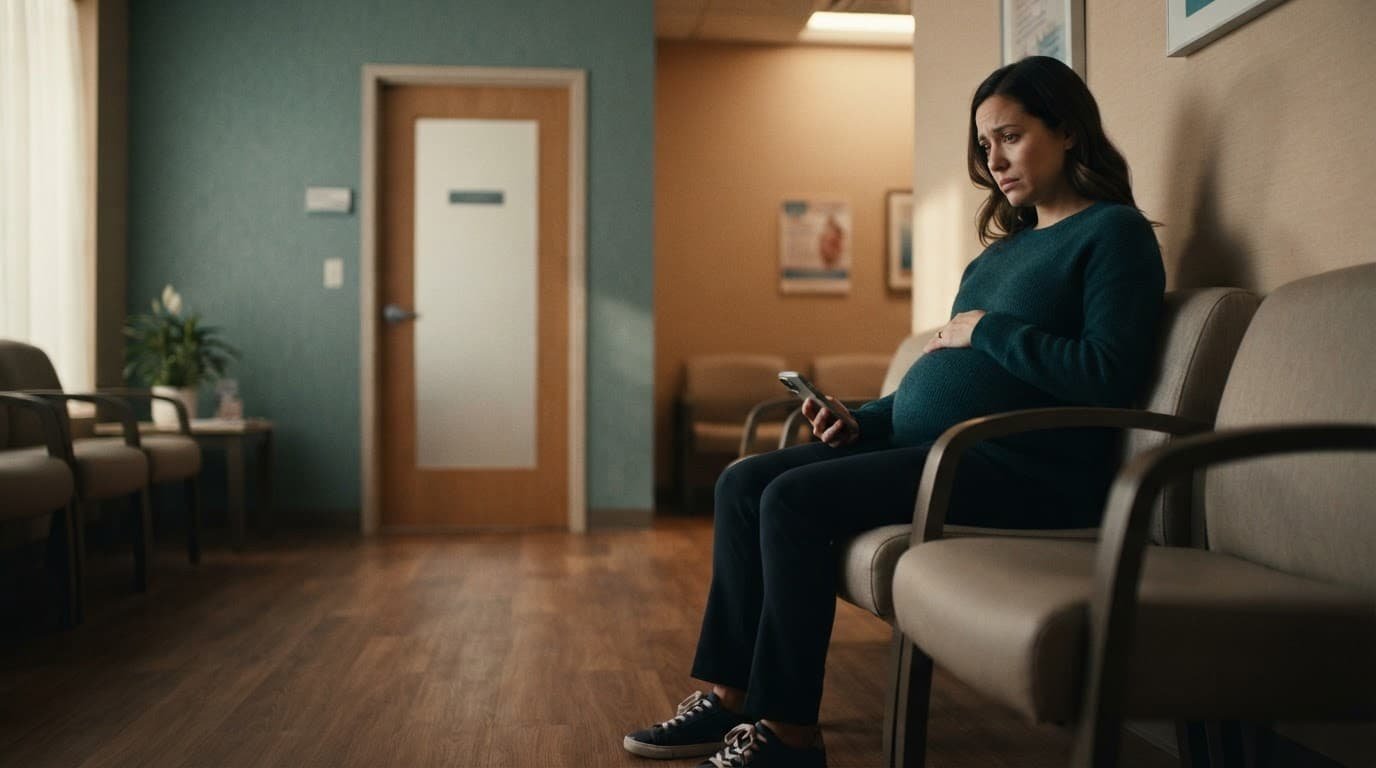
First, call your obstetrician, midwife, or prenatal clinic and describe your symptoms clearly. Tell them when the bleeding or pain began, whether it is getting worse, and how far along you are. Note the color and amount of blood, including how often you change a pad. Avoid using tampons while you wait for guidance.
If you feel faint, severely unwell, or too weak to travel safely, don’t drive yourself. Ask someone to stay with you and call your local emergency number. Heavy bleeding that soaks more than two pads per hour for more than two hours needs urgent attention, although you should follow your local emergency guidance even if the amount is lower.
Call for emergency help immediately if you have:
- Severe or worsening abdominal or pelvic pain
- Shoulder pain, especially with bleeding, dizziness, or weakness
- Fever or chills
- Fainting, severe dizziness, or feeling very weak
- A fast heartbeat, confusion, or trouble staying awake
- Heavy bleeding that quickly soaks through pads
Severe pain, shoulder pain, and faintness can also occur with an ectopic pregnancy, which happens when a pregnancy grows outside the uterus. A ruptured ectopic pregnancy can cause dangerous internal bleeding. Read Mayo Clinic’s ectopic pregnancy warning signs, then seek emergency care for these symptoms rather than waiting for a reply online.
While you wait, sit or lie down if you feel dizzy and keep your phone nearby. Don’t start medicines, supplements, or home treatments as a substitute for medical evaluation. A clinician may use a physical or pelvic exam, ultrasound, blood tests, or other care to understand the cause and decide what you need next.
How to lower risk without blaming yourself
Many miscarriages cannot be prevented because a random chromosome problem stops the embryo from developing normally. Healthy choices can support pregnancy, but they cannot control every biological event. A loss is not proof that you missed something or failed to protect your baby.
You can still lower avoidable risks by starting prenatal care early, managing diabetes or thyroid disease, avoiding smoking, alcohol, marijuana, and illegal drugs, and reviewing workplace exposures with a qualified healthcare professional. Take a prenatal vitamin as advised, usually with at least 400 micrograms of folic acid, and keep caffeine at or below 200 milligrams daily. Prenatal vitamins before pregnancy can also help you prepare before conception.

Questions to bring to a prenatal care visit
A prenatal visit is a conversation, not a test you need to pass. Bring your medication and supplement list, including prescription drugs, over-the-counter products, vitamins, herbal remedies, nicotine, alcohol, and recreational drugs. Describe symptoms honestly, even if they feel embarrassing. Accurate details help your clinician assess your individual risk.
Consider asking:
- Could my diabetes, thyroid disease, high blood pressure, autoimmune condition, or another health problem affect this pregnancy?
- Are all my medicines and supplements safe, or should the dose or treatment change?
- Which symptoms require urgent care, and where should I go after office hours?
- Are chemicals, radiation, heavy lifting, heat, or other exposures at my workplace safe during pregnancy?
- How much caffeine can I have each day, and which drinks should I count?
- Do I need testing after one miscarriage, or would testing make more sense after repeated losses?
- Which prenatal screenings or diagnostic tests do you recommend, and what can each test show?
- What support is available if I feel anxious, depressed, overwhelmed, or unable to cope after a loss?
Low-dose aspirin can help some people with particular medical histories, such as a high risk of preeclampsia. It isn’t a universal way to prevent miscarriage, and you shouldn’t start it without medical advice. Ask whether it fits your history and when you would take it. ACOG’s low-dose aspirin guidance explains that clinicians prescribe it for selected pregnancy risks, not for everyone.
After a miscarriage, give yourself room to grieve. Sadness, anger, numbness, guilt, and relief can all appear, sometimes in the same day. Counseling, a pregnancy-loss support group, or a trusted person can give you somewhere safe to speak. If grief interferes with sleep, work, relationships, or daily care, ask for professional help. You can also read about support for grief and anxiety when emotional pain feels too heavy to carry alone.
Conclusion
Chromosome problems are the most common reason for an early miscarriage, and they often happen without warning or anyone’s fault. Age, health conditions, infections, substance use, harmful exposures, and pregnancy complications can raise the risk in certain situations, but a risk factor is never a certainty.
Most parents did nothing to cause the loss. If you have bleeding, cramping, or another concern, contact your prenatal care provider for guidance and evaluation. Seek emergency care for severe pain, faintness, shoulder pain, fever, or heavy bleeding. You deserve clear medical support and compassion while you care for your health and process what happened.
Save the pin for later

- Healthy Air Fryer Recipes for Beginners - 21/09/2026
- Healthy Snacks for Late Night Cravings - 21/09/2026
- High Protein Meal Prep Ideas for Easy Weekly Meals - 21/09/2026

