A husband’s ego isn’t about fragile pride or acting like his feelings matter more than yours. In a healthy marriage, it means his self-worth, dignity, and sense of being valued, respected, and emotionally safe with you. When those things take repeated hits through criticism, contempt, comparison, or dismissal, his confidence can drop, and research has long linked chronic criticism in marriage with lower self-esteem and more emotional distress in the spouse receiving it.
Many wives do this without bad intent. Stress, resentment, burnout, disappointment, and poor communication can push you into habits that wound the man you love, even when you’re trying to be heard yourself. At the same time, this doesn’t mean protecting a husband’s pride at all costs or excusing selfish, abusive, or irresponsible behavior.
This is a practical, honest guide to help you spot 10 signs that may be weakening your husband’s confidence, understand why they hurt, and start repairing the damage. If you’ve noticed tension, distance, or constant defensiveness in your marriage, building more respect and care can help, and how to show genuine respect in marriage is part of that shift.
What it really means to hurt your husband’s ego in marriage
Before you look at the signs, it helps to define the issue clearly. In marriage, hurting a husband’s ego usually means damaging his sense of worth in the relationship. That can happen through repeated disrespect, contempt, control, or dismissal. Healthy correction is different. A wife can disagree, confront a problem, or ask for change without tearing down her husband’s value as a man and partner.
Ego is not just pride, it is also dignity and self-respect
In this context, ego is the part of a person that wants to feel respected, useful, trusted, and wanted. It is the inner place that says, “I matter here.” When that part keeps getting hit, a husband may start to feel small in his own home.
That need is not only a man’s need. Every spouse wants to feel safe, valued, and taken seriously. Still, many men tie self-worth closely to how they are seen by their wife. So when correction turns into belittling, the wound goes deeper than a simple argument. Research on criticism in marriage also shows it can wear down self-worth and increase distress over time, as seen in work published by Wiley on marital criticism and depressive symptoms.
A helpful line to remember is this: correction deals with behavior, disrespect attacks identity.
Why many husbands hide the hurt instead of talking about it
Many husbands will not say, “My ego is hurt.” Instead, the pain comes out sideways. He may go silent, act cold, avoid hard talks, or get defensive fast. In some homes, he starts spending more time at work, on his phone, or anywhere he feels less exposed.

This pattern is common in marriages under stress. Relationship research often describes it as a demand-withdraw cycle, where one spouse pushes and the other shuts down. A recent summary of newer findings points to criticism and contempt as major triggers for male withdrawal. If that pattern sounds familiar, it helps to understand the most toxic pattern in relationships.
That does not excuse anger, passivity, or low effort. It does help you spot hidden hurt early. In some marriages, repeated disrespect turns a husband into a man who looks present but feels emotionally far away. If criticism has become normal, dealing with a critical husband who nitpicks everything can also help you see how damaging constant fault-finding is from either side.
Signs you may be tearing him down with criticism, control, and disrespect
Some habits hit a husband’s confidence fast because they attack how he sees himself at home. If he feels judged, managed, or shamed more than respected, marriage can start to feel less like a safe place and more like a test he keeps failing.
That damage often builds in ordinary moments, around dishes, bills, parenting choices, or a family dinner. Over time, repeated put-downs can wear down trust, self-respect, and emotional closeness. As broader relationship guidance on holding onto self-worth under constant criticism explains, ongoing fault-finding can slowly chip away at a spouse’s sense of worth.
You correct him so often that nothing he does feels good enough
Healthy feedback has a purpose. It points to one issue, stays respectful, and leaves room for growth. Constant criticism feels different because it follows him everywhere. You correct how he loads the dishwasher, how he talks to the kids, how he spends money, how he drives, and how he handles work stress.
Soon, he stops hearing “help me understand” and starts hearing “you always get it wrong.” That can make even a trying husband feel like a failure in his own home. He may begin to hesitate before doing simple things, not because he’s lazy, but because he expects to be told it wasn’t enough.
A harsh tone makes it worse. Words may be true in part, but the delivery lands like a hammer. If your comments are mostly about what he missed, forgot, or did badly, he won’t feel coached. He’ll feel cut down. If this pattern feels familiar, it may help to look at habits making you a difficult wife and where criticism has replaced respect.
Helpful feedback deals with a problem. Constant criticism makes the person feel like the problem.
You talk down to him, especially in front of other people
Public disrespect leaves a mark because it mixes pain with shame. Maybe you mock his opinion at dinner, correct his story in front of friends, roll your eyes when he speaks, or make a cutting joke so everyone laughs. In that moment, he isn’t just hurt. He feels exposed.
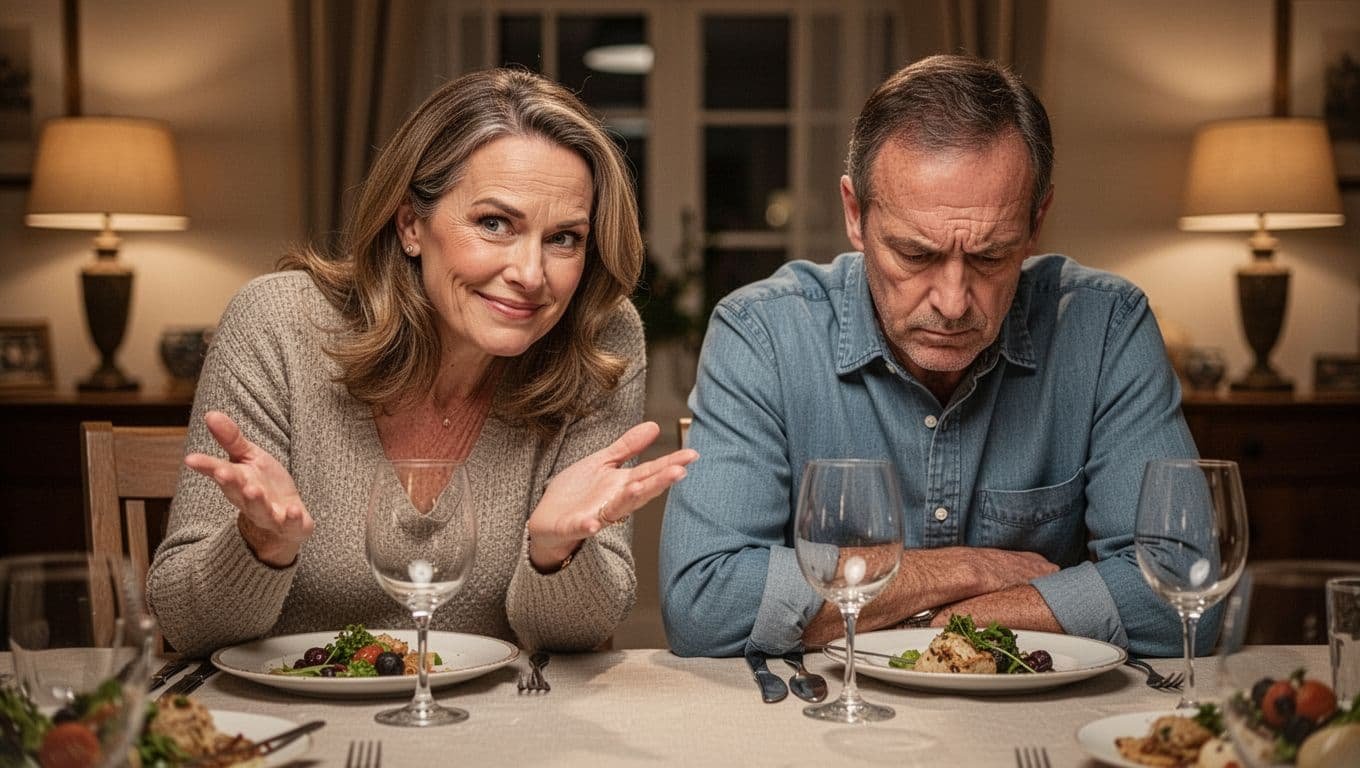
This often shows up in subtle ways. You may interrupt him in front of the kids and say, “That’s not what happened.” You may laugh at how he handled a money issue. You may use sarcasm that sounds playful to others, but he knows it has teeth. According to Psychology Today’s overview of toxic relationship patterns, contempt and repeated criticism often push partners into distance and withdrawal.
After enough of these moments, many men stop opening up in groups, or even at home. He may go quiet, avoid gatherings, or share less because he doesn’t trust that you’ll protect his dignity. That is part of why signs of disrespect in a relationship matter so much. Respect is not only private. It needs to show up in public too.
You micromanage his choices instead of trusting his judgment
Control doesn’t always look loud. Sometimes it looks like redoing every chore, checking every choice, or stepping in before he can finish a task. He folds the laundry, and you redo it. He handles the grocery run, and you criticize every item. He tries to help with the budget or school plans, and you monitor every move.
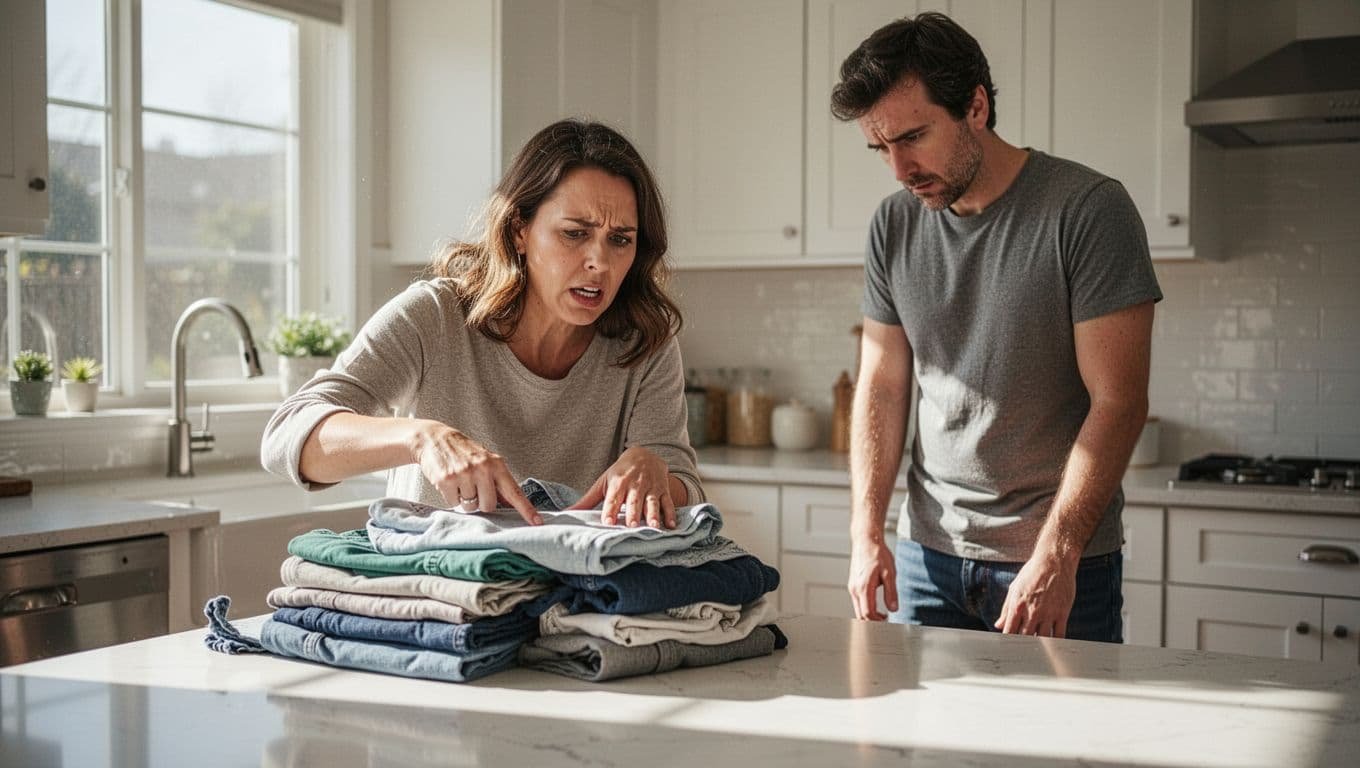
The message is hard to miss: “I don’t trust your judgment.” Even if you never say those words, your behavior says them for you. That can make him feel less like a partner and more like an employee who needs constant supervision. In time, some husbands stop taking initiative because they assume you’ll override them anyway.
There is a real difference between teamwork and control. Teamwork allows two adults to solve problems in different ways. Control insists your way is the only safe way. If you notice that pressure creeping in, signs you’re too demanding in marriage can help you spot where high standards have turned into constant management.
Signs your husband may feel ignored, dismissed, or pushed to the side
A husband’s ego often takes a hit when he starts to feel like his voice carries no weight at home. This isn’t about giving him control or protecting fragile pride. It’s about mutual respect, shared influence, and the basic need to feel heard by the person closest to you.
When emotional invalidation becomes normal, marriage turns into a power struggle instead of a partnership. Recent findings on perceived emotional invalidation and relationship distress show that feeling dismissed can raise distress and lower relationship satisfaction over time. That damage builds slowly, then shows up as distance, resentment, and silence.
You dismiss his opinions and act like your view is the only smart one
If he speaks and you cut him off, brush past his ideas, or decide major things without him, he gets the message fast. His input doesn’t matter here. After enough of that, many husbands stop offering opinions at all, not because they don’t care, but because they expect to be shut down.
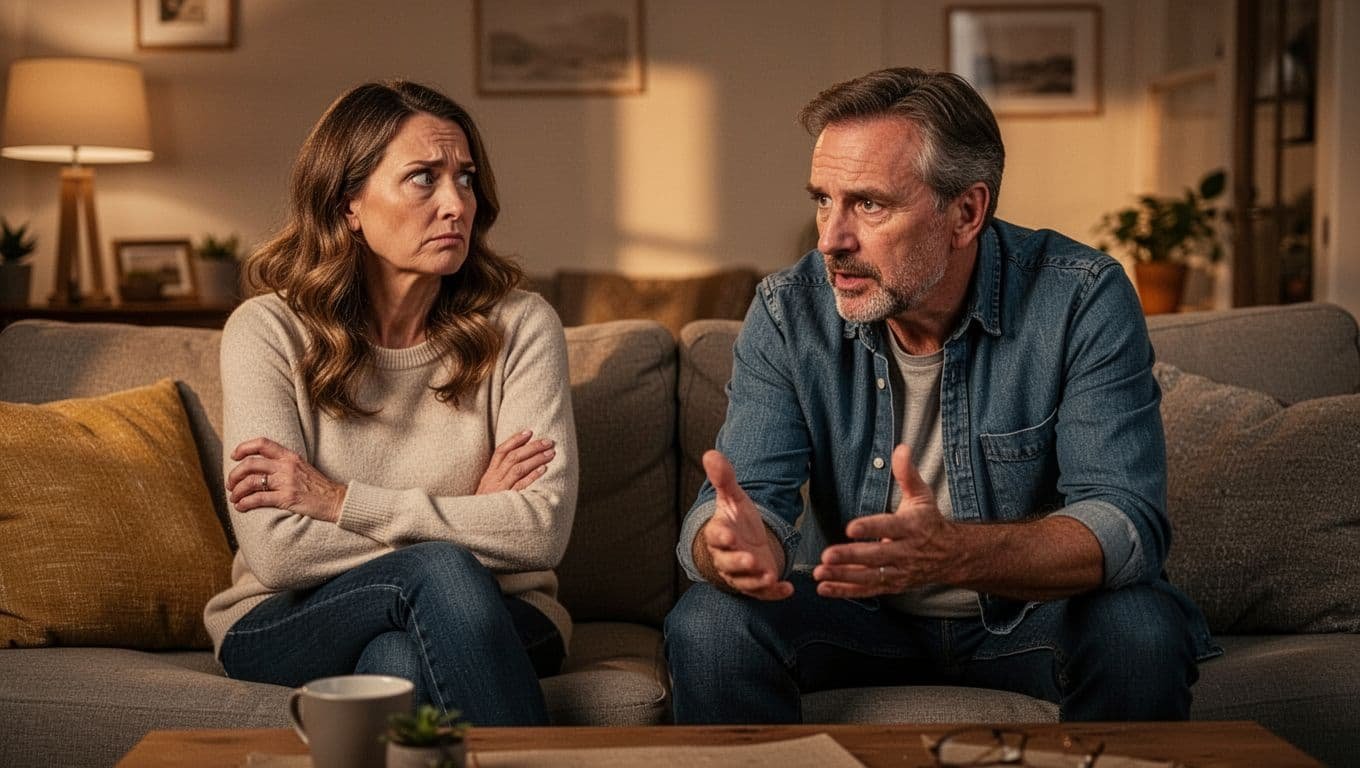
This can happen in everyday moments, around money, parenting, schedules, or family plans. You may think you’re just being efficient. Still, when one spouse always has the final word, the other starts to feel more like a bystander than a partner. That kind of dismissal often grows into emotional abandonment in marriage, where a spouse feels alone even while living under the same roof.
Respect in marriage means both people have a real voice, even when they disagree.
Disagreement is normal. Acting like his view is foolish, uninformed, or beneath yours is what causes damage. A healthy marriage needs room for two minds, two perspectives, and shared decisions.
You use guilt, blame, or emotional pressure to get your way
Guilt can sound soft, but it hits hard. Phrases like “If you loved me, you would…”, “After all I do for you,” or “I guess my needs never matter” don’t invite closeness. They push him into compliance.
When guilt becomes a regular tool, he stops feeling loved and starts feeling managed. He may say yes, but the yes comes from pressure, not trust. Over time, that creates resentment because emotional pressure feels less like connection and more like manipulation. Patterns like this often overlap with signs of controlling wife behavior, especially when love gets tied to obedience.
A husband who feels cornered will often hide his real thoughts to avoid another guilt trip. That means honest conversation starts dying off. According to this overview of how invalidating a partner’s feelings causes harm, repeated dismissal and pressure can weaken emotional safety and trust. He shouldn’t have to choose between peace and honesty in his own marriage.
Every conflict becomes about your pain, and his side gets lost
Some wives don’t just express hurt, they turn every conflict into a courtroom where he is always the villain. If he brings up a concern, the focus instantly flips back to what he did wrong, how much he hurt you, or why his feelings matter less because you’re the one suffering more.
That pattern makes real communication feel risky. If every hard talk ends with him defending himself while his own pain gets ignored, he’ll learn to keep quiet. He may even start feeling guilty for having emotions at all. That’s how emotional invalidation trains a person to withdraw.
Victim-playing can be subtle. It can sound like minimizing his feelings, rewriting the argument, or acting as if his frustration is proof of cruelty. But marriage can’t heal when only one person’s hurt counts. Both sides need room, or resentment fills the space.
You always have to win the argument, even over small things
Some arguments stop being about the issue and become about victory. You keep score, bring up old mistakes, refuse to admit fault, and push until he gives in. Maybe you debate every detail, not to understand him, but to beat him.
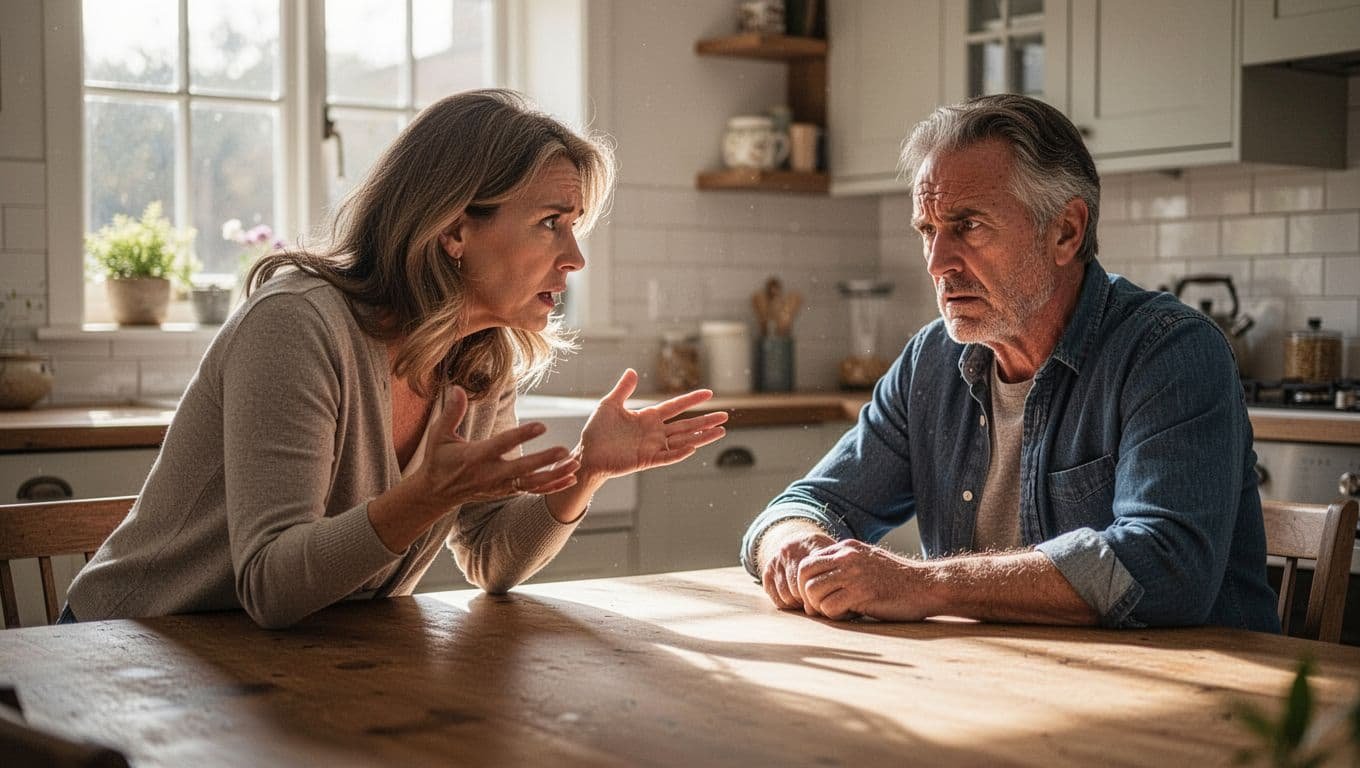
The problem is clear. Marriage is not a contest. If one person must always win, both people lose something. He loses dignity, and the relationship loses warmth. In time, he may stop opening up because every disagreement feels like a trap he can’t escape.
Apologies matter here. So does the ability to say, “You were right,” or “I handled that badly.” Without that humility, closeness dries up. A husband who rarely feels heard, believed, or fairly treated will not feel safe enough to stay open for long.
Signs your distance is making him feel unwanted and unimportant
Distance in marriage does not always look loud. Sometimes it looks like a colder tone, a missed touch, a tired brush-off, or a pattern of putting everything else first. Over time, that kind of neglect can wear down a husband’s sense of place in the relationship. He may stop feeling chosen, desired, or even safe enough to stay open.
This part needs balance. There are real reasons closeness fades, including exhaustion, stress, hurt, hormone changes, and unresolved conflict. Still, when distance becomes a way to punish, unload, or sideline him, the damage is real. If you want a fuller picture of signs your husband feels neglected, this pattern often shows up there too.
You withhold affection, warmth, or intimacy to punish him
After a hard argument, needing space can be healthy. Nobody should fake affection when they feel hurt, overwhelmed, or shut down. Yet there is a big difference between taking time to cool off and using coldness as a weapon.
If hugs disappear for days, touch feels guarded, and every attempt at closeness gets rejected to “teach him a lesson,” he will feel it. The message lands as, “You are only welcome when I am pleased with you.” That can cut into both trust and self-worth.
This is especially painful when affection becomes a reward system. Sex, warmth, cuddling, and tenderness should not become tools for control. As this article on withholding affection or emotion explains, emotional and physical withdrawal often creates rejection, distance, and strain instead of repair.
If hurt is the real issue, say that clearly. Honest words heal more than silent punishment ever will.
Your moods spill onto him, but you rarely take responsibility
Everyone has bad days. Stress spills over sometimes, especially in marriage, because home is where people drop their guard. But if your husband often gets the sharp tone, the snapping, the sighs, and the emotional dump, while you rarely circle back and own it, he starts living under tension.
That kind of atmosphere wears a man down. He may feel like the emotional punching bag for stress he did not cause. After enough of it, he becomes careful around you, guarded with his words, and tired before the conversation even starts.
The issue is not perfection. The issue is repair. A simple “I was wrong to take that out on you” can stop a lot of damage. Without that, “I’m just stressed” starts sounding less like context and more like an excuse. If home feels heavy more often than calm, you may also be dealing with feeling emotionally alone in marriage, even while living under the same roof.
He feels like an afterthought because everything else comes first
Marriage suffers when your husband only gets what’s left after work, kids, chores, family demands, and your phone. He may understand the season you’re in, but being constantly pushed to the bottom of the list still hurts.
At first, he may stay patient. Later, he may stop asking for time, stop reaching for you, or stop expecting much at all. That quiet shift matters because being deprioritized can make him feel less like a partner and more like a background character in his own family.
This does not mean kids should be ignored or work should not matter. It means the marriage needs some protected space too. Even small choices help, like eye contact when he speaks, a warm greeting, ten phone-free minutes, or choosing him on purpose once the house settles. A husband who feels regularly passed over will often start acting like he does not matter, because that is the message he keeps receiving.
How to tell if the damage is already showing up in your marriage
You usually see the damage before anyone says it out loud. The tone changes first. Then the energy in the home shifts. A husband who feels cut down often doesn’t announce it. He shows it in smaller, sadder ways.
The signs start showing up in everyday connection
Conversations get shorter. Eye contact drops. He may answer with one or two words, then turn back to his phone, work, or silence. In many marriages, this looks a lot like signs a husband has emotionally withdrawn.

You may also notice less affection, less initiative, and more defensiveness. He stops offering help before you ask. He shares less about his day. Even when you’re in the same bed, you can feel miles apart emotionally. That pattern lines up with Gottman’s work on criticism, defensiveness, and stonewalling.
Teamwork starts to break down
Marriage feels heavier when one person no longer feels safe, valued, or respected. As a result, teamwork drops. Decisions feel tense, small tasks become loaded, and daily life starts to feel more like co-existing than building something together.
When respect drops, effort often drops with it.
That said, these signs do not prove only one spouse is at fault. Stress, old hurts, burnout, and poor conflict habits can pull both people into a bad cycle. Still, if your marriage now includes shorter talks, less warmth, lower effort, and a growing sense of emotional distance, take it seriously.
The hopeful part is that these signs are not the final chapter. When you spot them early, name them honestly, and start repairing the pattern, closeness can return. If pride and stubbornness are part of the problem, it may help to look at signs of pride damaging your marriage and begin changing the tone at home.
What to do if you recognize these signs in yourself
Noticing yourself in these patterns can sting, but it can also be a turning point. Shame will not fix your marriage, action will. If you’ve been cutting your husband down, dismissing him, or making home feel unsafe, you can change the tone starting now.
Small repairs matter because daily marriage life is built in small moments. A calmer voice, a fair apology, and steady respect can begin to restore what repeated hurt wore down.
Replace disrespect with honesty, respect, and daily appreciation
Start with how you bring up hard things. If there’s a problem, talk in private and speak to the issue, not his worth. That means saying, “I felt hurt when that happened,” instead of “You always fail me.”
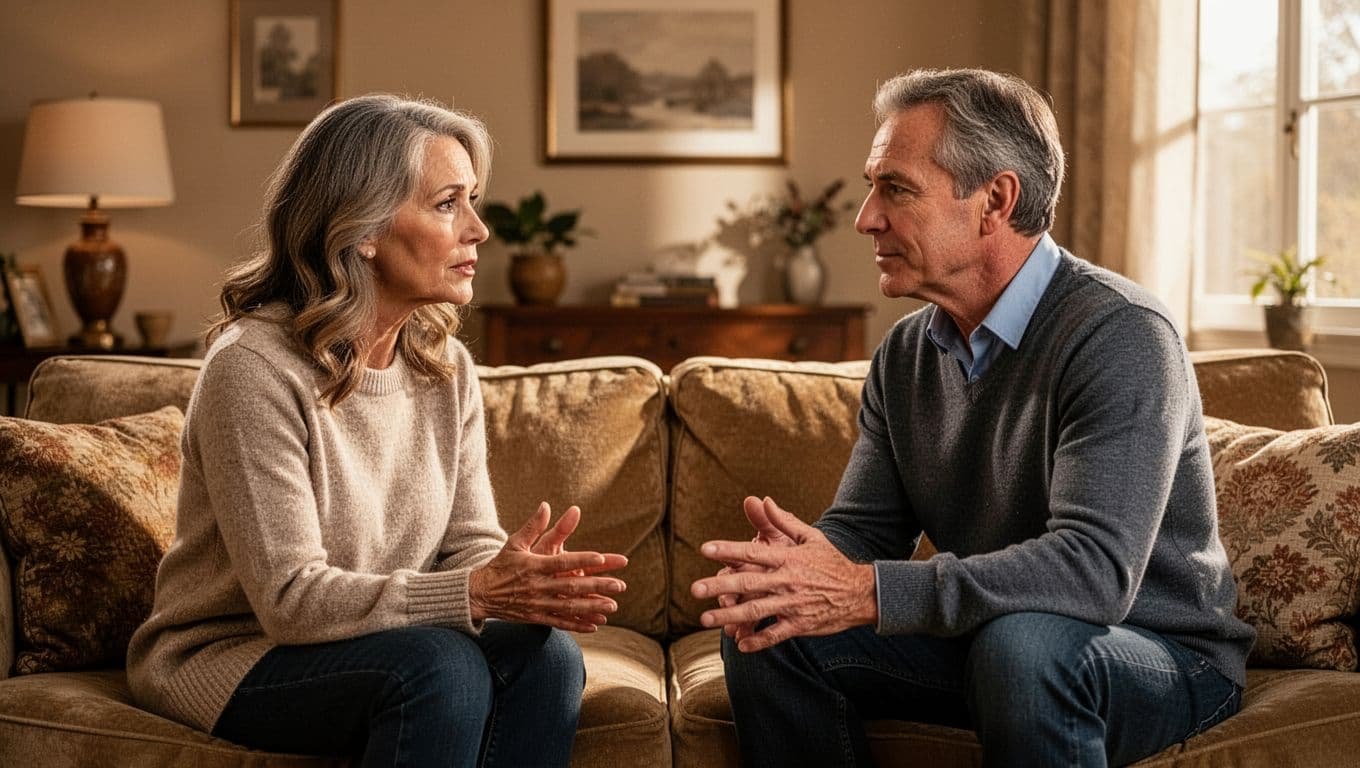
Then make room for his voice again. Ask for his input on real decisions, even if you think you know the answer. When he speaks, listen all the way through instead of loading up your reply while he’s still talking.
Daily appreciation also changes the climate fast. Thank him for effort, not just results. Be specific, because specific praise feels true.
A few examples help:
- “Thank you for handling bedtime, I felt supported.”
- “I noticed you stayed calm with the kids today, that meant a lot.”
- “I appreciate how hard you work for this family.”
Drop shame as a tool, even when you’re upset. Sarcasm, public correction, name-calling, and guilt may get a short-term reaction, but they leave a bruise. If respect has gone missing, how to show genuine respect in marriage can help you rebuild better habits.
Specific appreciation builds trust faster than vague praise ever will.
Rebuild trust by owning your part and changing your patterns
If you’ve hurt him, say it plainly. A real apology names the behavior, admits the impact, and does not defend itself. If you need help with the wording, this guide on how to apologize sincerely to your spouse can help you say it well.
After that, let your habits prove your apology. Speak with more care. Stop the eye rolls. Quit bringing him down in front of others. Keep showing the change, especially on ordinary days when no big talk is happening.
Trust grows slowly, so be patient if he stays guarded for a while. Many counselors note that rebuilding trust takes repeated follow-through, not one emotional moment, and this counseling guide on what actually works to rebuild trust in marriage explains why consistency matters so much.
If the hurt runs deep, couples counseling may help. That is not failure, it is support. The goal is simple: a marriage where both people feel safe, respected, and wanted again.
Conclusion
Many of the habits that hurt a husband’s ego are easy to miss because they can look like stress, frustration, or “just being honest.” Still, repeated criticism, disrespect, control, and emotional distance have a real impact. Over time, they can make him feel small, unwanted, and unsafe in the very place where he should feel most valued.
The good news is that noticing these signs early can change the direction of your marriage. When you choose respect, emotional safety, affection, and humility, trust can start to grow again. A husband’s confidence can heal, and your relationship can become warmer, steadier, and closer than it feels right now.
Save the pin for later

- 60 Color Tattoos That Healed Beautifully - 25/09/2026
- 40 Most Painful Tattoo Spots - 24/09/2026
- 20 Tattoo Aftercare Mistakes That Ruin Fresh Ink - 23/09/2026

