A wolf tattoo can carry far more meaning than strength alone. Its image may speak to loyalty, family, protection, instinct, survival, or the independence to follow your own path. For many people, the wolf also suggests a spiritual connection to nature, personal courage, or a bond with those they consider their pack.
The meaning depends on the wolf’s pose, setting, artistic style, and your personal story. A howling wolf may express communication, while a wolf with its pack can honor family and community. A lone wolf may reflect self-reliance, and a guarded or snarling wolf can symbolize protection and firm boundaries. If you’re considering a larger design, these wolf back tattoo ideas can help you picture how the composition might work.
The 25 ideas ahead will help you choose a design that fits your message, decide on the right size and placement, and approach cultural references with care instead of relying on stereotypes. Start by finding the wolf tattoo meaning that feels closest to your own experience.
25 Wolf Tattoo Ideas With Meaning
Wolf tattoos can express strength, independence, family, spirituality, or personal change. The visual details matter, but your own experience should guide the meaning rather than a fixed symbol list.
Before choosing a design, consider how much detail your placement can hold. These tattoo placement ideas can help you compare visible and discreet locations.
Powerful Wolf Portraits for Strength and Resilience
These wolf tattoo ideas focus on courage, protection, and the strength gained through difficult experiences.
- A realistic wolf portrait with detailed fur can symbolize courage, survival, and emotional strength. It suits someone who has overcome a serious challenge. A forearm, upper arm, shoulder, chest, thigh, or calf offers enough room for realistic detail.
- A roaring wolf shows confidence and fearless self-expression. Choose it if you want your tattoo to reflect a strong voice or refusal to stay silent. The upper arm or chest gives the open mouth and fur enough space.
- A scarred wolf can honor healing after hardship. Visible scars across the face or neck may reflect survival without making pain the whole story. Use a larger placement, such as the thigh or shoulder blade, so the scars remain clear.
- A wolf with bared teeth suggests protection, personal boundaries, and readiness to defend what matters. It may suit someone who has learned to protect their peace. The outer forearm or calf works well for a medium-sized design.
- A minimalist wolf head expresses quiet strength without heavy shading. This choice fits people who prefer a private symbol rather than a dramatic portrait. A simplified outline works better on the wrist, ankle, or behind the ear.
Fine detail needs enough space between lines to remain readable as the tattoo ages. When the placement is small, a clean outline usually communicates more clearly than dense fur, shading, or tiny facial features. For aftercare and long-term skin protection, follow guidance from the American Academy of Dermatology.
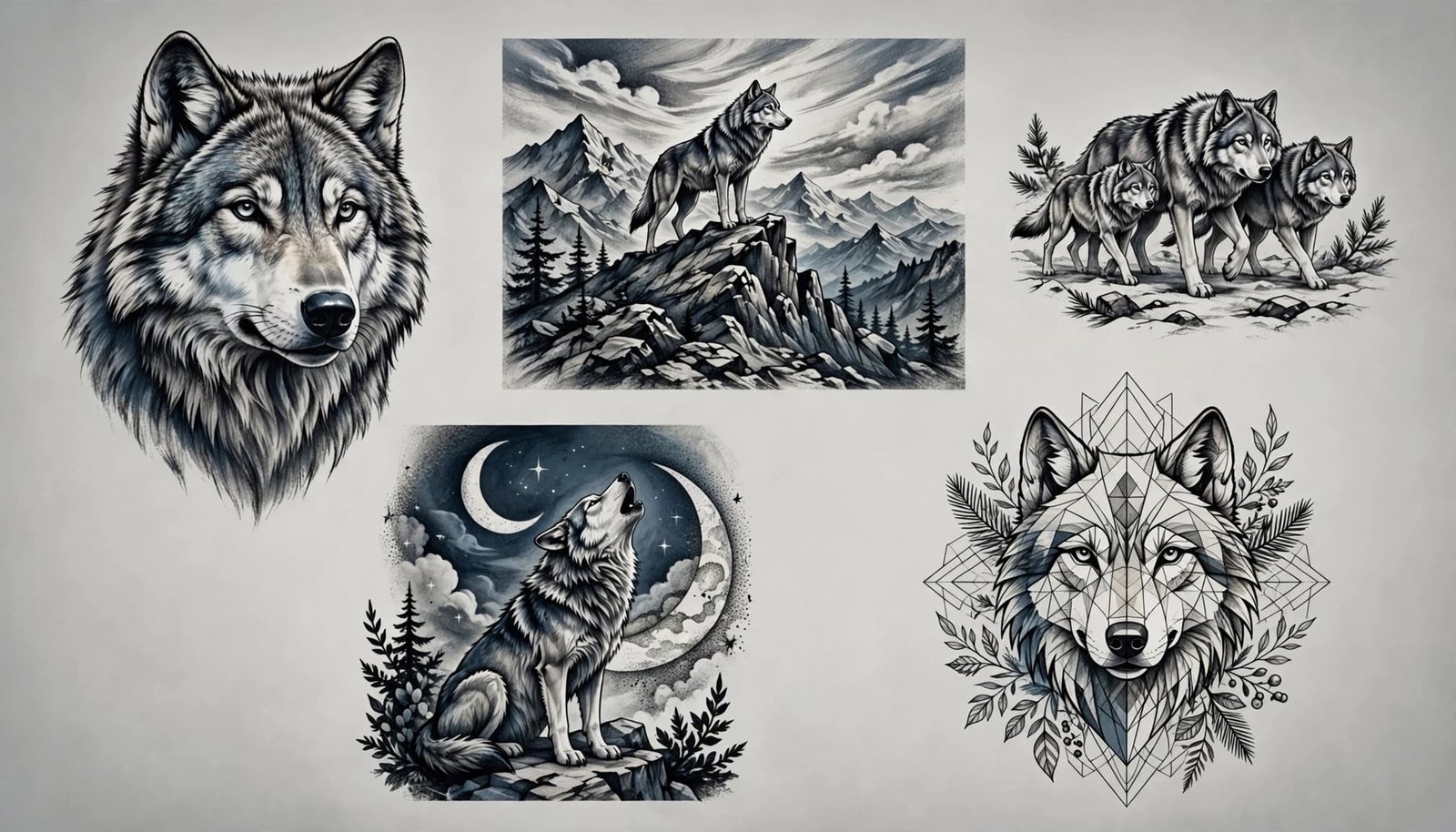
Lone Wolves That Celebrate Independence
A lone wolf doesn’t automatically mean loneliness. It can also express confidence, freedom, self-reliance, or intentional solitude.
- A lone wolf walking through a forest represents self-reliance and the ability to continue without constant guidance. It may connect with someone who built a new path independently. The calf or forearm can hold a vertical forest scene.
- A lone wolf on a mountain symbolizes personal growth and overcoming obstacles. Choose it to honor a goal that required patience and endurance. The thigh, upper arm, or back offers room for the mountain and wolf to remain distinct.
- A side-profile wolf suits someone who values introspection and follows an individual path. The calm profile creates a thoughtful rather than aggressive mood. Place it on the ribs, shoulder, or upper arm for a clean silhouette.
- A wolf looking back can represent reflection, memory, and lessons learned from the past. It may honor a former version of yourself without suggesting that you want to return there. A curved placement, such as the shoulder or hip, supports the turning pose.
- A small lone wolf silhouette communicates independence in a simple way. It works for anyone who wants a personal reminder without a large statement. Keep the shape bold enough for the wrist, ankle, or behind the ear.
Wolf Pack Designs for Family and Loyalty
Pack tattoos often honor family, friendship, or shared strength. Still, the meaning should come from your relationships, since no single interpretation fits every family.
- A wolf pack can represent family and collective strength. Choose different sizes or poses to give each wolf a personal role. The back, chest, shoulder blade, sleeve, or thigh can support several recognizable figures.
- Two wolves side by side suggest partnership, loyalty, and mutual support. This design may suit romantic partners, siblings, or lifelong friends. A medium-sized piece on the forearm, upper arm, or ribs keeps both profiles clear.
- An adult wolf with a pup expresses protection, caregiving, and a bond across generations. It may honor a parent, child, mentor, or younger family member. Use the thigh, chest, or shoulder for enough space around both figures.
- Matching wolf tattoos can connect close friends or family members. Each person might receive the same outline, or two halves of one larger image. Keep the design simple enough to remain consistent across different placements.
- A pack moving beneath a night sky represents shared purpose, belonging, and a journey taken together. The back or thigh works best because the scene needs room for several wolves, ground, and sky.
Howling, Moonlit, and Spiritual Wolf Tattoos
Moon and nature imagery can add mystery, intuition, spiritual guidance, or a connection to the outdoors. Keep every background element clear at the final tattoo size.
- A howling wolf can symbolize finding your voice or calling your people. It may suit someone who values communication, music, leadership, or community. The upper arm or calf gives the neck and muzzle room to read clearly.
- A wolf and full moon create a mysterious image linked with intuition and the night. This design may appeal to someone who feels most focused after dark. The shoulder blade, chest, or thigh can hold the circular moon without crowding the wolf.
- A wolf beneath stars suggests dreams and spiritual guidance. Add only a few intentional stars so the sky doesn’t become visual clutter. The upper back or outer calf gives the composition a defined boundary.
- A wolf with a crescent moon can represent change and new beginnings. It works well for someone marking a fresh chapter, move, recovery, or personal decision. The forearm suits a smaller design, while the thigh allows more shading.
- A wolf blended with mountains or forest expresses a bond with nature. This idea may fit hikers, travelers, or anyone who feels grounded outdoors. Choose the upper arm, chest, back, shoulder blade, thigh, or calf when the scene includes several background elements.
Modern Wolf Styles With a Personal Edge
Art style changes the tattoo’s mood, but it doesn’t replace the personal meaning. Before choosing color or effects, ask whether the design needs a small, simple treatment or a larger canvas.
- A geometric wolf combines natural instinct with order, balance, and structure. It may suit someone who values both freedom and discipline. Fine geometric lines need room, so the forearm, upper arm, or thigh is safer than a tiny placement.
- A watercolor wolf uses loose color and soft edges to suggest creativity and emotional expression. It fits an artistic personality or a story that feels difficult to define. A larger shoulder, thigh, or calf gives the color room to breathe.
- A traditional or neo-traditional wolf uses bold outlines, strong shapes, and lasting visual impact. It suits someone who wants a confident identity with a classic tattoo feel. Choose a size that supports clear linework and saturated color.
- A wolf made from botanical elements combines the animal with flowers, leaves, or branches to suggest growth and the wild. It can personalize the design with meaningful plants. The thigh, shoulder blade, or upper arm offers space for layered details.
- A wolf with abstract lines or a broken-glass effect can express transformation and a complicated inner life. It suits someone whose identity includes change, contrast, or unresolved feelings. Keep the main wolf readable, and reserve the larger placements for dense effects and sharp lines.
What Does a Wolf Tattoo Mean?
A wolf tattoo can express loyalty, family, protection, independence, instinct, strength, survival, courage, spirituality, or freedom. Its meaning depends on the wolf’s pose, surrounding imagery, and the personal story behind the tattoo.
The wolf’s reputation also changes across cultures and traditions. Some view it as a wise guide or protector, while others connect it with danger, conflict, or untamed power. Therefore, avoid treating any wolf symbol as universal. Your tattoo should reflect what the animal means to you.
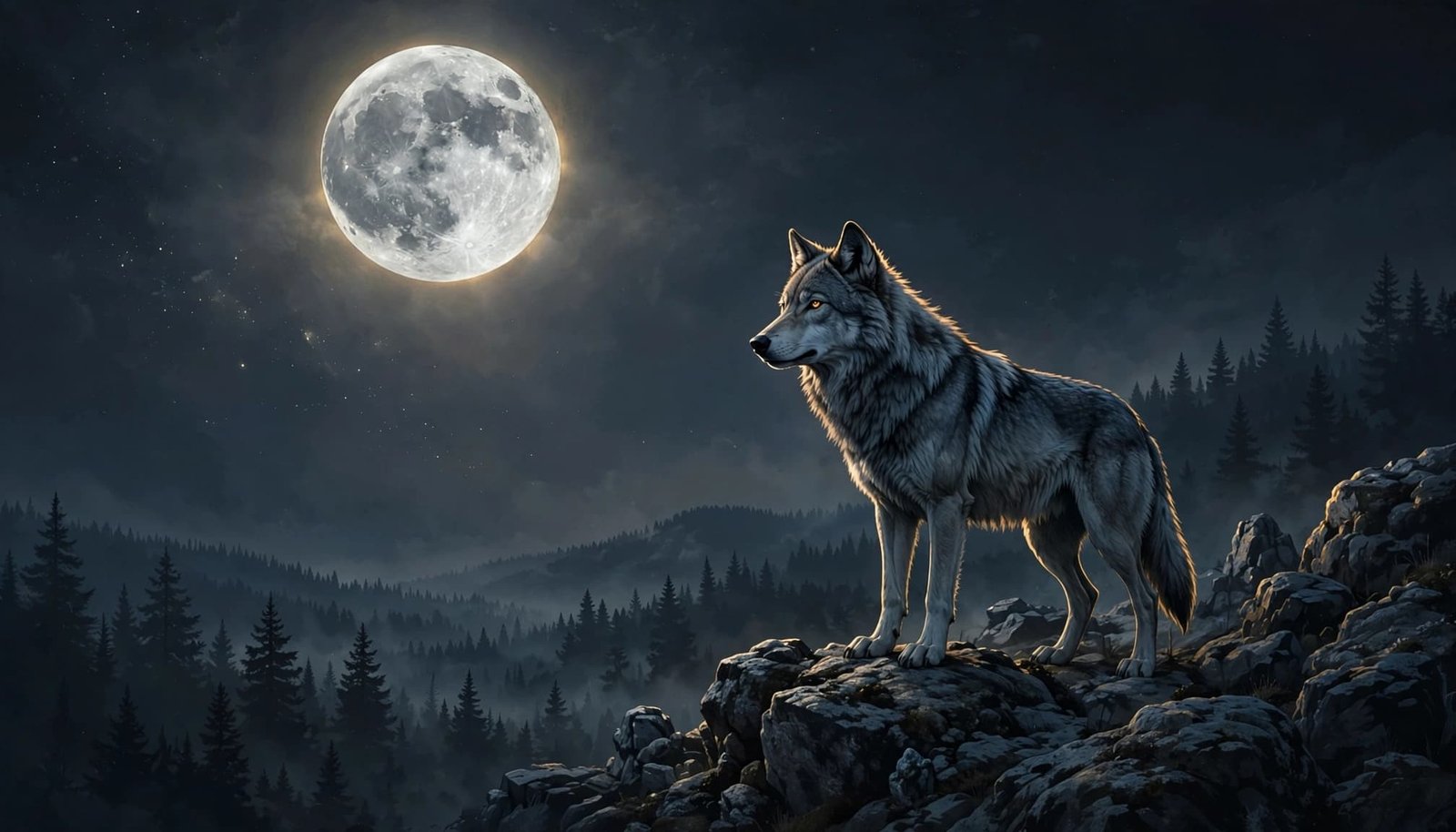
Loyalty, Family, and Protection
Wolves are often associated with loyalty because pack relationships suggest trust, cooperation, and long-term bonds. A wolf tattoo may honor your family, chosen family, partner, or close friends. It can also represent the commitment to protect the people you love.
Pack imagery usually suggests belonging and shared strength. Several wolves together may reflect a family bond, a supportive community, or people who helped you through a difficult period. If your tattoo honors a parent, child, or sibling, these family bond tattoo designs may offer additional inspiration.
Protection is another common meaning. A wolf with an alert posture or guarded expression can symbolize personal boundaries, watchfulness, and the instinct to defend what matters. For one person, that protection may relate to family. For another, it may represent recovery after learning to protect their own peace.
Independence, Strength, and Survival
A lone wolf often suggests self-direction rather than loneliness. It may represent a decision to trust yourself, leave an unhealthy situation, or follow a path that others don’t understand. This meaning fits someone who values freedom, autonomy, and the courage to stand apart.
Strength and survival can also shape the design. Someone who has recovered from illness, grief, trauma, addiction, or another major challenge may choose a wolf as a reminder of endurance. In that case, the tattoo becomes connected to a life event rather than a fixed symbol.
Instinct gives the wolf another layer of meaning. The animal may remind you to trust your judgment, listen to your intuition, or stay alert when circumstances change. A howling wolf can suggest finding your voice, calling for connection, or reaching the people who understand you.
Spiritual meanings vary from person to person. Some people connect wolves with nature, guidance, ancestral stories, or a personal sense of direction. Others simply choose the animal because they love wilderness and feel most at home outdoors. Your design may also combine freedom with spirituality, especially when it includes mountains, trees, stars, or the moon.
A wolf tattoo becomes more meaningful when its pose and setting match the story you want it to tell.
Before choosing a design, write down the experience behind it in one sentence. That may be a family bond, a recovery, a fresh start, or a lasting love of nature. The sentence can guide the wolf’s expression, surroundings, and placement better than a generic list of tattoo meanings.
How to Choose the Right Wolf Tattoo Style and Placement
The best wolf tattoo starts with a clear message, not a reference image. Decide whether your design should express independence, family, protection, survival, spirituality, or a connection with nature. Then build the tattoo around that idea by choosing the wolf’s pose, surrounding elements, art style, size, and detail level.
Write a short tattoo brief before contacting an artist. For example: “I want a calm side-profile wolf to represent independence, with mountain lines behind it, in black-and-gray realism.” A brief like this gives the artist direction while leaving room for professional suggestions.
Match the Style to Your Message
The wolf’s pose should support the meaning you want people to notice. A howling wolf feels expressive, while a resting wolf creates a calmer impression. Two wolves or a full pack can honor family and loyalty, whereas a lone wolf may suit a story about self-reliance.
Supporting elements add context, but each one should earn its place. Mountains can suggest endurance, trees can connect the design to nature, and a moon can create a spiritual or mysterious mood. Avoid adding details simply to fill space because crowded artwork can weaken the main image.
Your chosen style also affects the tattoo’s mood and size:
- Realism needs room for fur texture, facial expression, and gradual shading.
- Geometric designs need enough space for lines and angles to stay clean.
- Moon scenes and pack compositions require a larger canvas because they contain several visual layers.
- Silhouettes and simple linework can fit smaller areas with less risk of losing clarity.
- Traditional and neo-traditional styles usually remain readable because they rely on bold outlines and strong shapes.
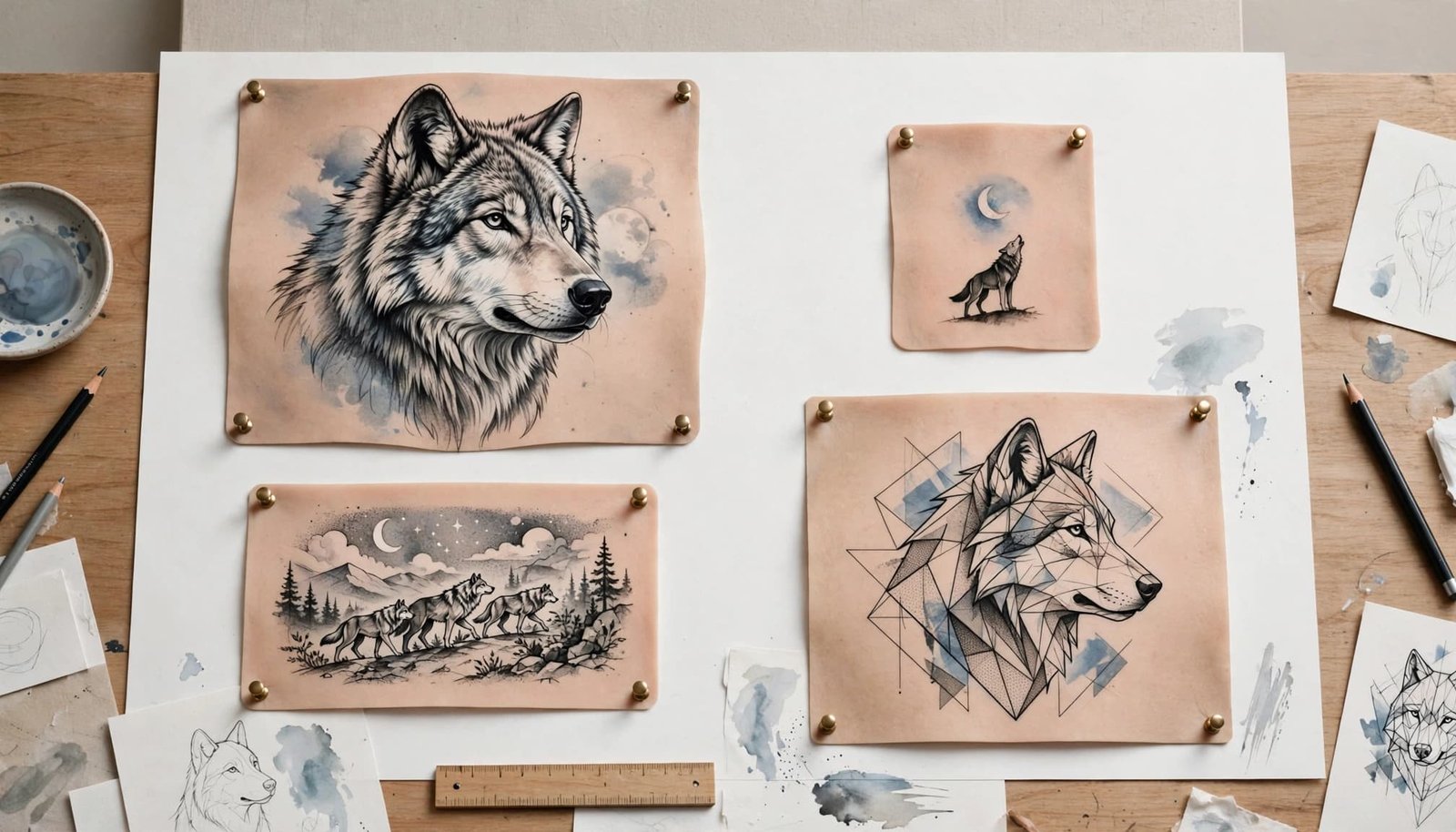
Choose Placement Based on Size and Visibility
Placement changes how your wolf tattoo looks when you move, dress, and age. The forearm offers strong visibility and works especially well for bold silhouettes, side profiles, and vertical wolves. However, it receives regular sun exposure, so healed ink needs consistent protection. The FDA’s tattoo safety guidance also recommends knowing how to respond if unusual irritation or a rash develops.
The upper arm and shoulder provide more room for detail and are easier to conceal at work. These areas suit realistic portraits, geometric wolves, and medium-sized nature scenes. The back and shoulder blade offer the broadest canvas for a pack, mountain landscape, or moonlit composition. They also allow an artist to balance the design across the body’s shape.
A chest placement can support symmetrical or guardian themes, especially when the wolf faces forward. Centered artwork may also extend toward the sternum, so review chest-center tattoo designs before settling on the final shape. Meanwhile, the thigh and calf work well for vertical designs, including a walking wolf, forest scene, or wolf beneath a tall moon.
Think About Comfort, Work, and Aging
The wrist, ankle, and area behind the ear are better for simplified wolves than dense portraits. These locations offer less space, experience movement and friction, and may limit how much detail remains clear over time. Ribs, feet, and areas close to joints can also feel more sensitive, so consider your pain tolerance before choosing them.
Work requirements matter too. A visible forearm or hand-area tattoo may affect workplace expectations, while an upper arm, thigh, shoulder, or back design is easier to cover. Ask the artist to place a stencil on your body before the appointment, then check it while standing, sitting, and moving naturally.
Finally, study the artist’s portfolio for the exact style and placement you want. Look for healed tattoos, not only fresh work, and compare examples on similar body areas. A skilled portrait artist may not specialize in geometric linework, so choose experience that matches your wolf tattoo brief.
Cultural Respect and Design Choices to Consider
Wolf imagery appears in many Indigenous traditions, but those traditions are not interchangeable. Labels such as “tribal wolf” or “Native American-inspired wolf” can flatten distinct histories, symbols, and relationships with wolves into one generic tattoo trend.
Why Generic Labels Can Mislead
Different Indigenous nations have their own languages, teachings, artistic practices, and community rules. A wolf design connected to one nation may carry a meaning that doesn’t apply to another. Some imagery may also relate to ceremony, belonging, family lineage, or knowledge that isn’t meant for general use.
Because of that, avoid assuming that every Indigenous-inspired wolf tattoo symbolizes protection, leadership, or spirituality. Those meanings may sound respectful but still reduce a living tradition to a decorative theme. Discussions of tribal tattoos and cultural appropriation also show why the artist, community, and original context matter.
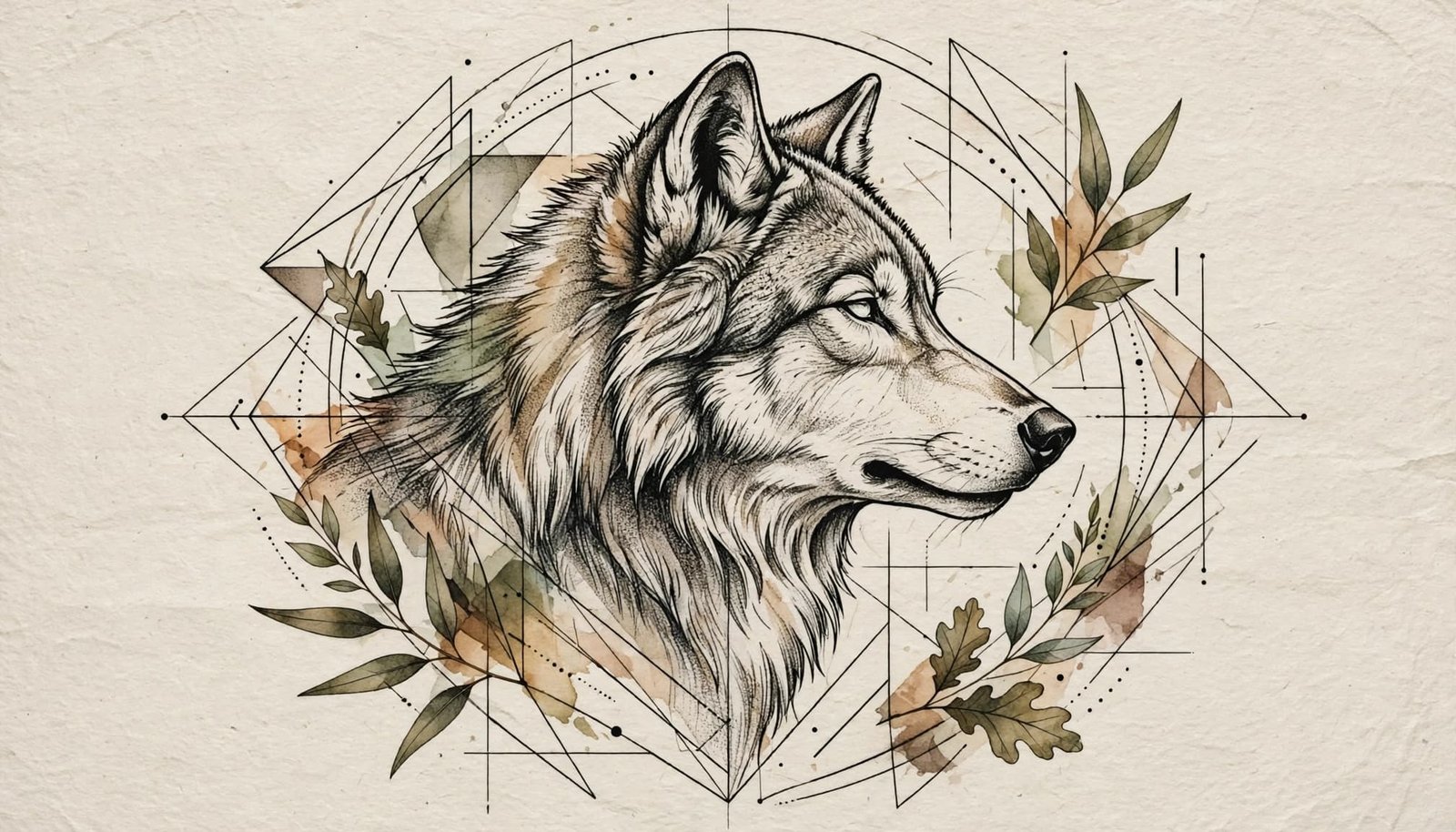
How to Choose a Respectful Design
Research the specific tradition before using cultural symbolism. Look for information from the relevant nation, cultural organization, artist, or Knowledge Keeper rather than relying on a random tattoo image. If the design includes sacred, ceremonial, or community-specific imagery, don’t copy it without clear permission from the appropriate cultural authority.
When cultural meaning is central to your tattoo, speak with a knowledgeable artist who has genuine experience with that tradition. A respectful consultation should address the design’s origin, use, meaning, and whether outsiders may wear it. If those answers aren’t clear, choose another concept.
You can still create a bold wolf tattoo without borrowing protected imagery. Consider:
- Personal mountains, trees, plants, or wildlife connected to your own life.
- Original geometric work designed specifically for your body and story.
- A realistic, traditional, minimalist, or abstract wolf style without culture-specific symbols.
For more ideas, browse these culturally respectful tattoo designs and build meaning from your own experiences.
Final Tips Before You Book Your Wolf Tattoo
Before you book your wolf tattoo, make sure the design fits your story, body, and long-term expectations. A strong concept should remain meaningful after the initial excitement fades.
Use a Clear Wolf Tattoo Checklist
Start by defining the personal meaning in one sentence. Are you honoring family, independence, survival, protection, or a connection with nature? That answer can guide the wolf’s expression, setting, and style. You can also compare these meaningful tattoo ideas for women if you want to connect the design with a broader personal theme.
Before your consultation, save several visual references. Choose examples for the wolf’s pose, linework, shading, background, and placement, but don’t copy another person’s tattoo exactly. Your artist should create an original design that fits your body and reflects your meaning.
Use this short checklist before paying a deposit:
- Choose a size that protects readability, especially if your wolf includes fur, eyes, stars, or geometric lines.
- Confirm the placement by checking how the stencil looks while standing, sitting, and moving.
- Review the artist’s healed-work portfolio, preferably with animal tattoos in your chosen style.
- Ask how color, fine lines, and shading may soften or fade as the tattoo ages.
- Approve a custom stencil before the session begins, and request changes while there is still time.
- Plan future additions if the wolf may become part of a sleeve, back piece, or larger nature scene.
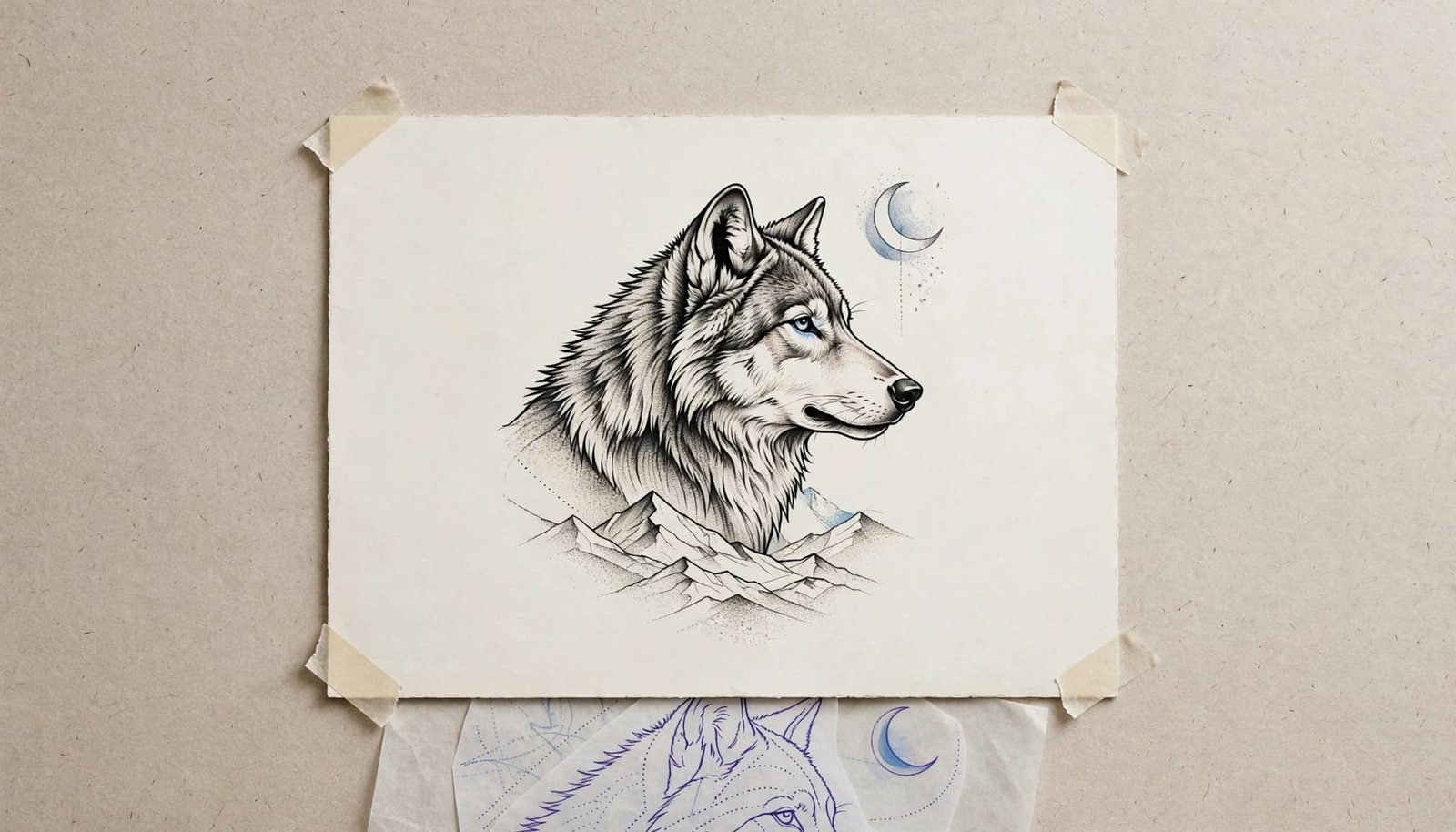
If the design looks crowded at its intended size, ask the artist to simplify fine details rather than forcing everything into a small space. Clear shapes usually age better than tightly packed texture.
Prepare for Healing
After the appointment, follow your artist’s cleaning and moisturizing instructions. Wash gently, avoid picking or soaking the tattoo while it heals, and protect the finished work from unnecessary sun exposure. Your artist’s guidance should match the products and covering method used during your session.
Conclusion
The best wolf tattoo is the one that tells your story through its pose, style, and surrounding symbols. A lone wolf can express independence, while a pack can honor loyalty and family. A howling wolf may capture self-expression, and a moonlit design can suggest mystery and intuition.
Style also shapes the tattoo’s mood. Realistic artwork creates a detailed, lifelike impression, while geometric linework feels more structured and modern. Whichever direction you choose, the design should have enough space for its details to remain clear. Smaller concepts may work well as meaningful ankle tattoos, while larger compositions need a broader placement.
Before booking, choose an experienced tattoo artist whose portfolio matches your preferred style. Give detailed work the room it needs, review the design carefully, and make the symbolism personal. A wolf tattoo carries the most meaning when it reflects your life, not just a symbol that happens to be popular.
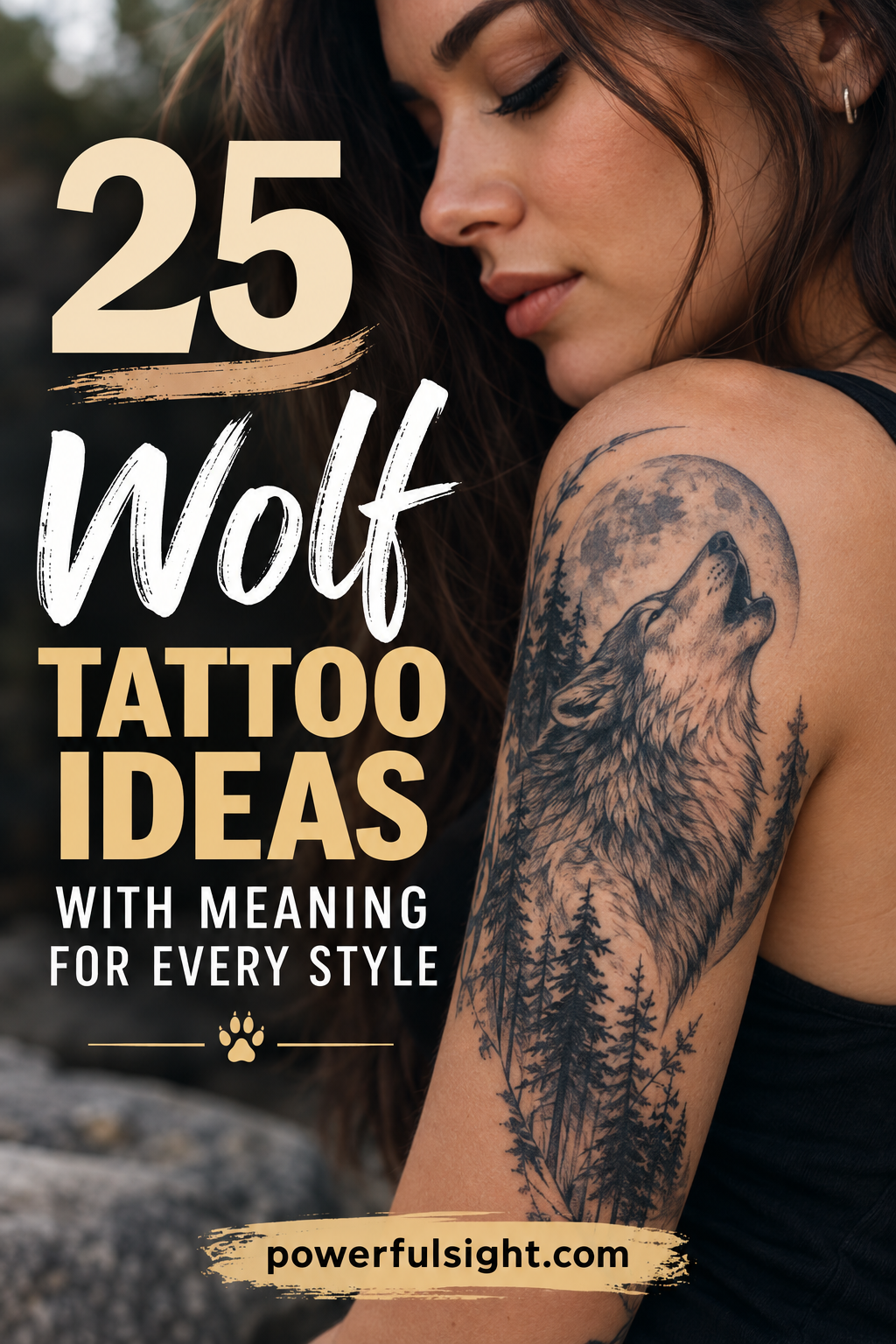
Save the pin for later

- 25 Gothic Tattoo Ideas for a Bold, Dark Look - 21/09/2026
- 34 Black Fine Line Tattoo Ideas for a Delicate Look - 21/09/2026
- 23 Micro Tattoo Ideas for Women With Meaning - 21/09/2026

