Tattoos can be stylish, personal, and meaningful at any age. For women over 50, the right design might be a delicate floral, a nature symbol tied to a favorite memory, a short quote, or an elegant black-and-gray piece with lasting appeal.
This collection of 40 classy tattoo ideas for women over 50 offers inspiration without treating age as a limitation. Your best choice should suit your personal style, skin, lifestyle, preferred visibility, and comfort level.
Mature skin can still heal well with the right artist and careful aftercare, although extremely tiny details may soften or lose sharpness over time. Designs with balanced linework, open spacing, and thoughtful sizing often remain easier to read.
Browse these tattoo ideas for women over 50 to find a design that feels personal rather than trendy, then consider which style and placement fit your life best.
40 Classy Tattoos for Women Over 50 That Feel Elegant and Personal
The best tattoo ideas for women over 50 balance meaning, graceful design, and lasting readability. Choose open spacing, confident lines, and a size that gives each detail room to breathe.
Timeless Floral Tattoos With a Soft, Feminine Feel
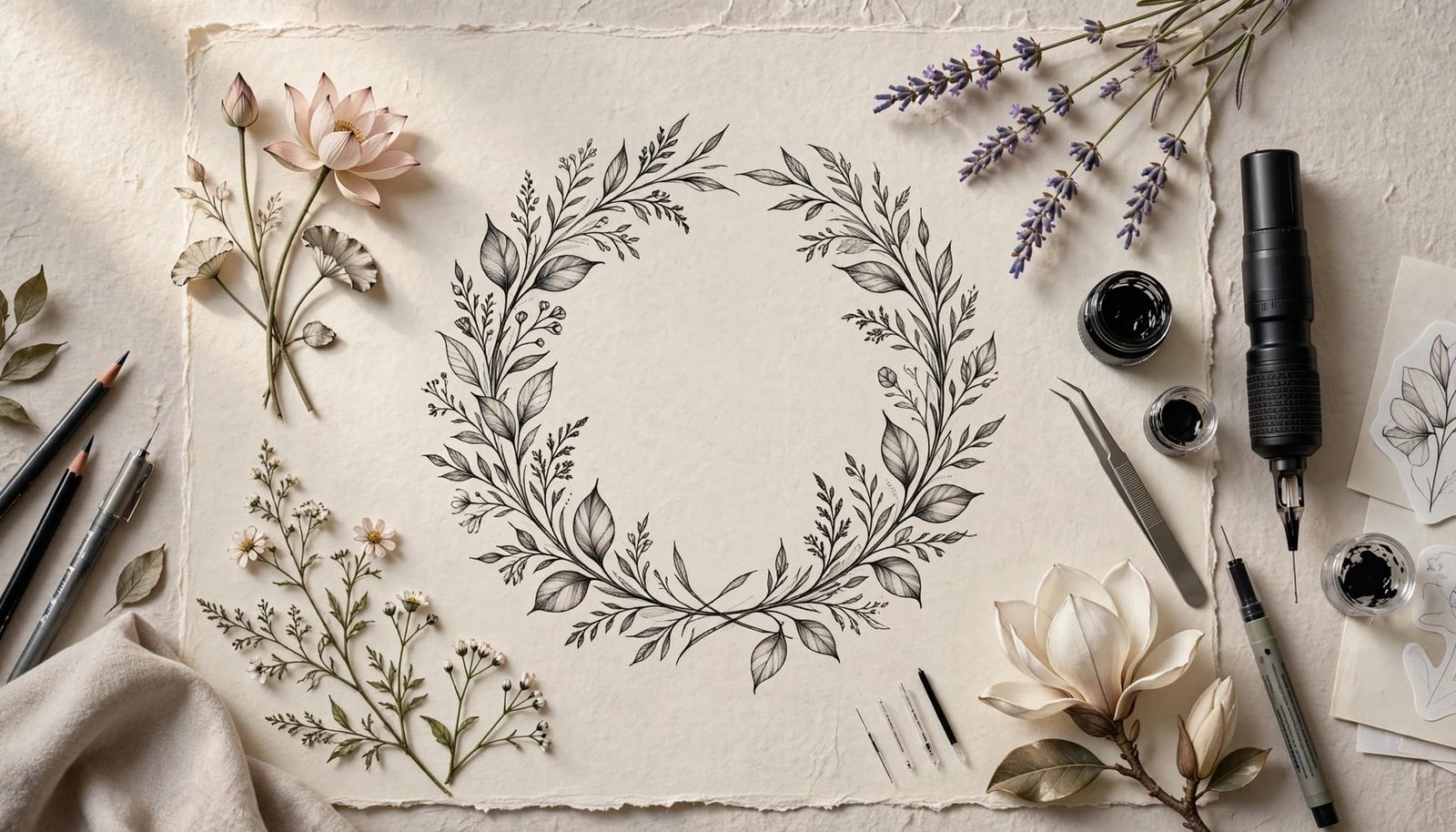
Flowers can honor love, remembrance, peace, growth, or a fresh chapter. For more placement inspiration, browse these botanical thigh tattoo ideas.
- A single rose can symbolize enduring love on the shoulder or forearm.
- A wildflower sprig suggests freedom and suits an ankle or rib.
- A lavender stem expresses peace, with a graceful vertical shape.
- A magnolia can honor strength and feminine beauty across the upper arm.
- A sunflower brings warmth and hope to the shoulder blade.
- A forget-me-not offers a tender remembrance near the wrist or collarbone.
- A lotus represents growth and renewal, especially in black-and-gray ink.
- A botanical wreath suggests wholeness and looks elegant around the upper arm.
Black-and-gray shading creates a classic finish, while restrained color adds personality without overwhelming the design. Slightly larger petals often remain clearer than extremely fine details as skin changes.
Meaningful Nature Tattoos Inspired by Life and New Beginnings
Nature symbols can express freedom, wisdom, adventure, hope, and inner calm without making the tattoo feel busy.
- A butterfly symbolizes transformation and looks lovely on the shoulder.
- A hummingbird suggests joy and resilience near the collarbone.
- A feather can honor wisdom, memory, or personal freedom on the forearm.
- A crescent moon reflects change and suits the inner wrist.
- A simple sun represents hope and fresh energy on the upper arm.
- A mountain outline speaks to strength and adventure along the rib.
- A leafy branch suggests steady growth across the forearm.
- An ocean wave expresses calm and resilience near the ankle.
Simple silhouettes and balanced compositions help each image stay recognizable. Keep surrounding details limited, especially when choosing a small placement.
Small Symbols That Carry a Deep Personal Meaning
Small tattoos can honor family, faith, independence, milestones, or personal strength. However, size should never force the design into cramped lines.
- An infinity symbol can celebrate lasting family love on the wrist.
- A small heart honors affection and fits beside an existing tattoo.
- A compass represents independence and direction on the forearm.
- An anchor suggests stability near the ankle or upper arm.
- A birth flower personalizes a meaningful month on the shoulder.
- A family tree can honor generations across the shoulder blade.
- A tiny crown celebrates self-worth and personal strength.
- A meaningful initial keeps a loved one close near the collarbone.
Leave enough space between lines, and choose adequate line weight for clear healing. Sun and friction can affect exposed areas, so consider placements that are easier to cover.
Elegant Words, Quotes, and Memorial Tattoo Ideas
Short wording usually ages better than long quotes because larger letters stay easier to read.
- A single word such as “Hope” can mark a new beginning.
- A loved one’s handwriting preserves a personal connection on the forearm.
- A short poem line can honor a favorite memory near the ribs.
- A meaningful date records a milestone in readable lettering.
- A faith-based phrase offers comfort along the collarbone.
- A family name celebrates heritage across the shoulder blade.
- A memorial ribbon honors someone special with a simple curved design.
- A semicolon can symbolize continuation and personal strength on the wrist.
Before your appointment, check spelling, translation, punctuation, and letter size. Ask for a stencil first, then view the wording at your chosen distance.
Minimalist Black-and-Gray Designs With Lasting Style
Clean composition and subtle shading create a classy look without relying on crowded detail. Avoid designs packed with tiny lines, which may soften and merge over time.
- A sturdy line-art face offers artistic beauty on the upper arm.
- A graceful bird symbolizes freedom near the shoulder.
- A geometric sun brings order and warmth to the forearm.
- A small constellation can honor a birth sign above the ankle.
- A delicate key suggests opportunity and personal history near the wrist.
- A simple teacup celebrates comfort and familiar rituals on the arm.
- A musical note honors a beloved song behind the ear.
- An abstract line design creates modern elegance along the rib.
Ask your artist to adjust the scale for your skin, placement, and preferred visibility. A little extra space can help minimalist artwork remain polished for years.
The Best Tattoo Placements for Mature Skin and Everyday Comfort
Tattoo placement affects more than visibility. It also influences comfort during the session, healing time, sun exposure, clothing friction, and how clearly the design may look years later. Before choosing a spot, ask your artist to examine your actual skin and adjust the size, orientation, and line weight instead of copying a reference image without changes.
Visible Placements That Balance Beauty and Practicality
The outer forearm offers excellent visibility and a relatively stable surface for flowers, meaningful words, feathers, and simple nature designs. However, bracelets, watches, and long sleeves may rub against the area, especially while the tattoo heals. The outer upper arm and shoulder provide more coverage for larger florals, birds, or memorial artwork. Sleeves can hide these placements at work, while jewelry usually causes less contact than it does around the wrist.
A shoulder tattoo can follow the body’s natural curve, which helps a round floral design or sun symbol look balanced. The calf also gives you a broad, readable area for vertical branches, butterflies, or waves. Pants and socks may create friction during healing, so loose clothing matters during the first several days.
If you want a tattoo that people can see easily, the forearm is the most direct choice. For flexible visibility, choose the upper arm or shoulder. The calf works well when you want to show the design with dresses or cropped pants while keeping it covered at other times. After healing, exposed placements need regular sun protection. A broad-spectrum, water-resistant SPF 30 or higher can help protect the ink from unnecessary fading, as explained in this tattoo aftercare guide.
Discreet Placements for a More Private Tattoo
The shoulder blade and upper back suit designs that need more room, including family trees, memorial flowers, handwriting, and short quotes. These areas stay hidden beneath most work clothing, yet they can feel personal when revealed. They also offer relatively stable skin for artwork with moderate detail. Browse these full-back tattoo ideas for women if you prefer a larger composition.
The inner upper arm offers a private middle ground. A small symbol or meaningful word can remain hidden under short sleeves, while a sleeveless top makes it visible. The rib area and hip suit personal symbols, dates, and memorial designs, but clothing can press against fresh ink. Rib and hip tattoos may also feel more uncomfortable because the skin is thinner and sits close to bone. A loose waistband and careful aftercare can make healing easier.
Areas That May Need Extra Care and Realistic Expectations
Hands, fingers, feet, and ankles face frequent washing, sun exposure, movement, and contact with shoes or household surfaces. Elbows and knees bend constantly, while their thicker or textured skin can make healing and ink retention less predictable. As a result, these placements may fade, blur, or need touch-ups sooner than the upper arm or shoulder blade.
Choose simple, bolder artwork for areas with frequent friction. A clean heart, leaf, star, or short initial usually holds up better than tiny lettering or tightly packed shading. Ask your artist how movement, skin texture, footwear, and your daily routine may affect healing before you commit. The best tattoo placement is the one that fits both your personal meaning and the way you live.
How to Choose a Classy Tattoo Design That Still Feels Like You
Trends fade; a tattoo stays. The smartest starting point is your own story rather than a scroll through social media. Begin with a memory, a value, a person, a hobby, or a symbol that has carried meaning for you. Then work through practical filters: size, color, visibility, placement, and level of detail. Bring several reference images to your consultation, but ask the artist to create an original composition shaped to your body instead of copying someone else’s artwork exactly.
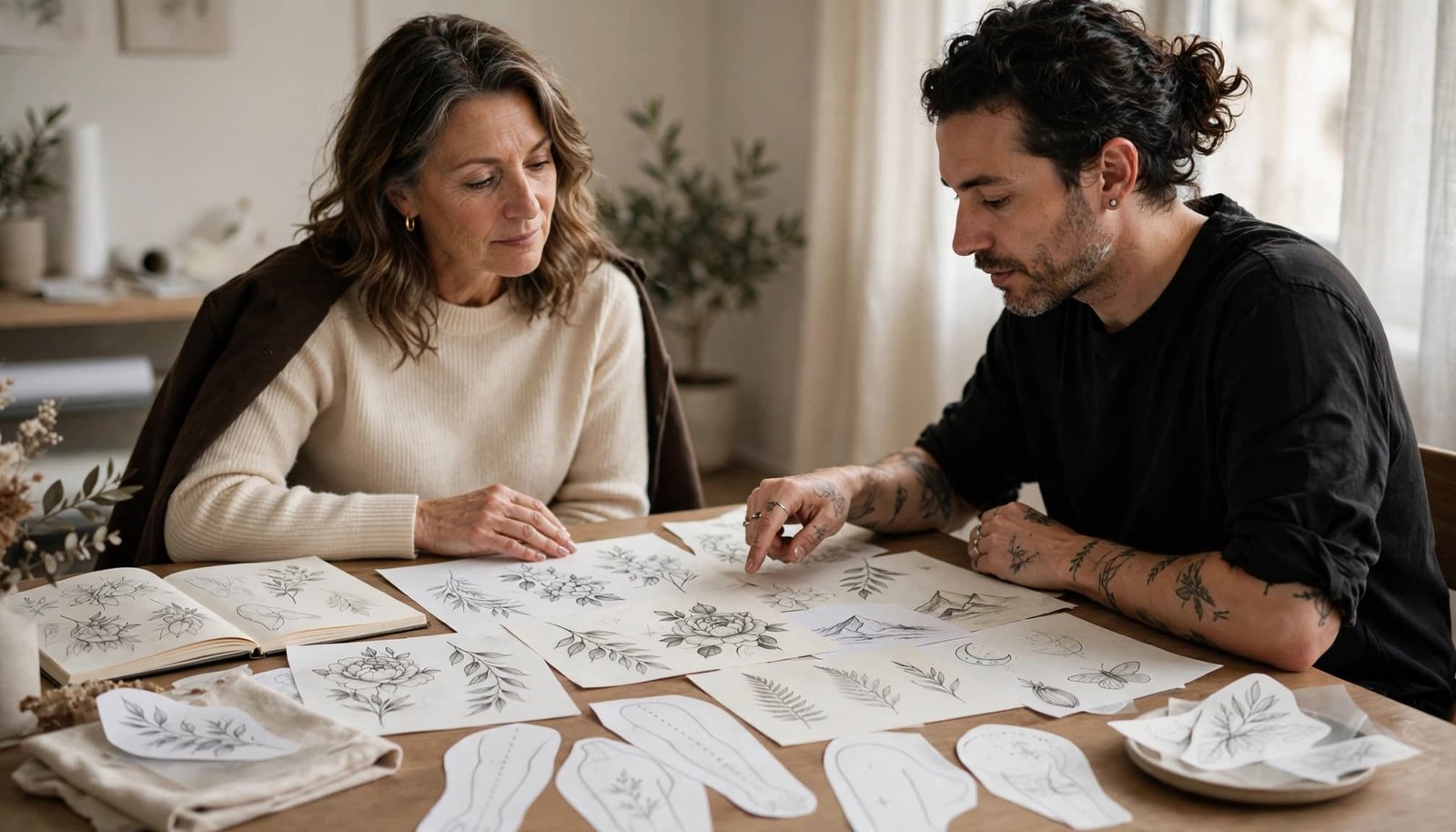
Match the Design to Your Meaning, Style, and Lifestyle
Start by naming your reason. A floral piece can honor love or a fresh chapter, while a nature symbol might mark a favorite trip or a childhood place. Script suits a single word or a loved one’s handwriting, and minimalist line art appeals if you prefer something quiet. Black-and-gray work reads as timeless and ages gracefully on most skin tones.
Next, run the design against your real life. Consider these questions before you commit:
- What do you wear most days, and where would the tattoo sit under that clothing?
- Does your workplace expect visible ink to stay covered?
- How much time do you spend gardening, swimming, or outdoors in the sun?
- Do you travel often, and would healing skin complicate those plans?
- Do you want the tattoo seen daily, or kept mostly private for yourself?
A visible forearm design suits someone who wants a daily reminder, while a shoulder or upper back piece stays personal. For more help matching a spot to your routine, see these best tattoo placements for women.
Choose Size, Line Weight, and Color With Longevity in Mind
Mature skin changes how ink reads over time, so scale matters more than delicacy. A design with generous size, open space, and clear lines usually stays readable longer than ultra-tiny single-needle work, where fine details can soften and merge. Think of a signature written large versus one written small; the larger version keeps its shape.
On color, there’s no single winner. Black-and-gray offers classic depth, a limited palette adds personality with less complexity, and full color brings vibrancy but may need brighter upkeep as it fades. Ask an experienced artist who understands mature skin to make the final call on scale, spacing, and ink for your specific placement.
Find a Skilled, Licensed Artist for Mature-Skin Tattooing
Your artist determines the outcome as much as your design does. Review healed photos, not just fresh work, because healed tattoos show how linework truly holds. Look for strong examples of floral linework, script, black-and-gray shading, and tattoos on shoulders, forearms, and upper backs.
Then verify the fundamentals. Check that the artist holds a current license and the studio meets health requirements, since many states mandate registration and infection-control training, as New York City’s tattoo licensing rules illustrate. Also look for single-use needles, a visible autoclave or sterilizer, clean work surfaces, and fresh gloves.
During the consultation, ask how the artist will adapt your design to your skin and chosen placement. A confident, specific answer is the best sign you’ve found the right hands for the job.
Pain, Healing, and Tattoo Aftercare for Women Over 50
Honest expectations make the whole experience easier. Every tattoo involves some discomfort, and healing asks for a few weeks of gentle care, but neither has to be intimidating. Knowing what’s normal, what helps, and what deserves a phone call to your doctor puts you in control from the first needle touch to the final flake.
What Tattoo Pain May Feel Like in Different Body Areas
Pain varies by person and by placement, so treat any general guide as a rough map rather than a promise. Fleshy areas such as the outer forearm and upper arm usually feel like a persistent scratching or light buzzing, and many people describe the sensation as annoying rather than sharp. Ribs, ankles, feet, hands, knees, and spots that sit close to bone tend to sting more because the skin is thinner and there’s less cushion between needle and bone.
Your own factors matter just as much as the body part. Fatigue, dehydration, and a long session can all lower your tolerance, so book a morning appointment, eat a solid meal beforehand, drink water, and rest well the night before. A skilled artist can also pause, break the design into shorter visits, or adjust technique if you’re struggling, so speak up early instead of white-knuckling through. For a closer look at sensation by placement, see this guide to what getting a tattoo feels like. No placement is truly painless, but most women find the discomfort manageable and brief.
Simple Steps for a Clean, Comfortable Healing Process
Healing mostly comes down to clean hands, gentle washing, and patience. The American Academy of Dermatology’s tattoo care advice follows the same sequence most artists recommend:
- Leave the artist’s bandage in place exactly as instructed, since timing depends on the type used.
- Wash your hands, then clean the tattoo gently with warm water and a mild, fragrance-free soap.
- Pat it dry with a clean paper towel; never rub.
- Apply a thin layer of the recommended moisturizer or ointment.
- Wear loose clothing over the area and avoid scratching, picking, or peeling as it itches and flakes.
If your artist’s instructions differ, follow theirs, because bandage types and products vary. Healing often takes about one to three weeks, though deeper skin layers can keep settling for months. Don’t soak a fresh tattoo in baths, pools, or hot tubs, and skip tight waistbands or sleeves that press on the area.
Protect the Finished Tattoo From Sun and Premature Fading
Ultraviolet exposure fades ink and changes how tattooed skin looks, so sun protection is a lifelong habit, not a one-time step. While the tattoo heals, keep it covered with clothing and stay in the shade. Once it has fully healed, apply a broad-spectrum, water-resistant SPF 30 or higher about 15 minutes before going outside, then reapply at least every two hours when you’re outdoors, swimming, or sweating. Hats, sleeves, and shade help too, and tanning beds and sunlamps are best avoided entirely.
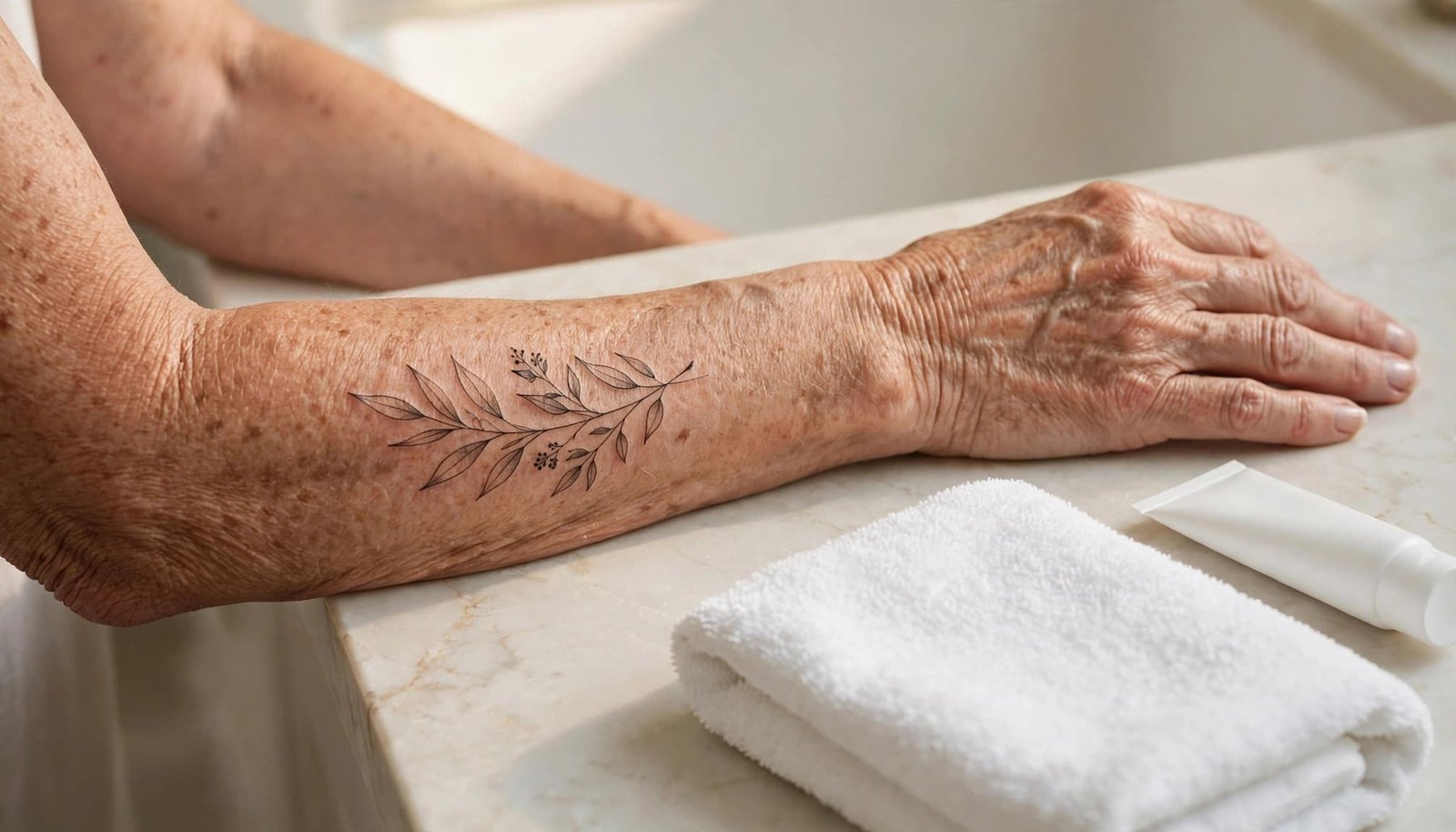
Contact a health professional if redness spreads or darkens, swelling becomes severe, pus appears, you develop a fever, or a rash lasts. Mild redness, itching, and flaking are normal; anything that worsens instead of improving deserves a professional look.
A Calm Pre-Tattoo Checklist for Making the Right Choice
By now you’ve seen the designs, the placements, and the healing basics. The last step is slowing down long enough to confirm the decision is truly yours. A calm, deliberate process protects both your skin and your peace of mind, and it usually takes less effort than people expect.
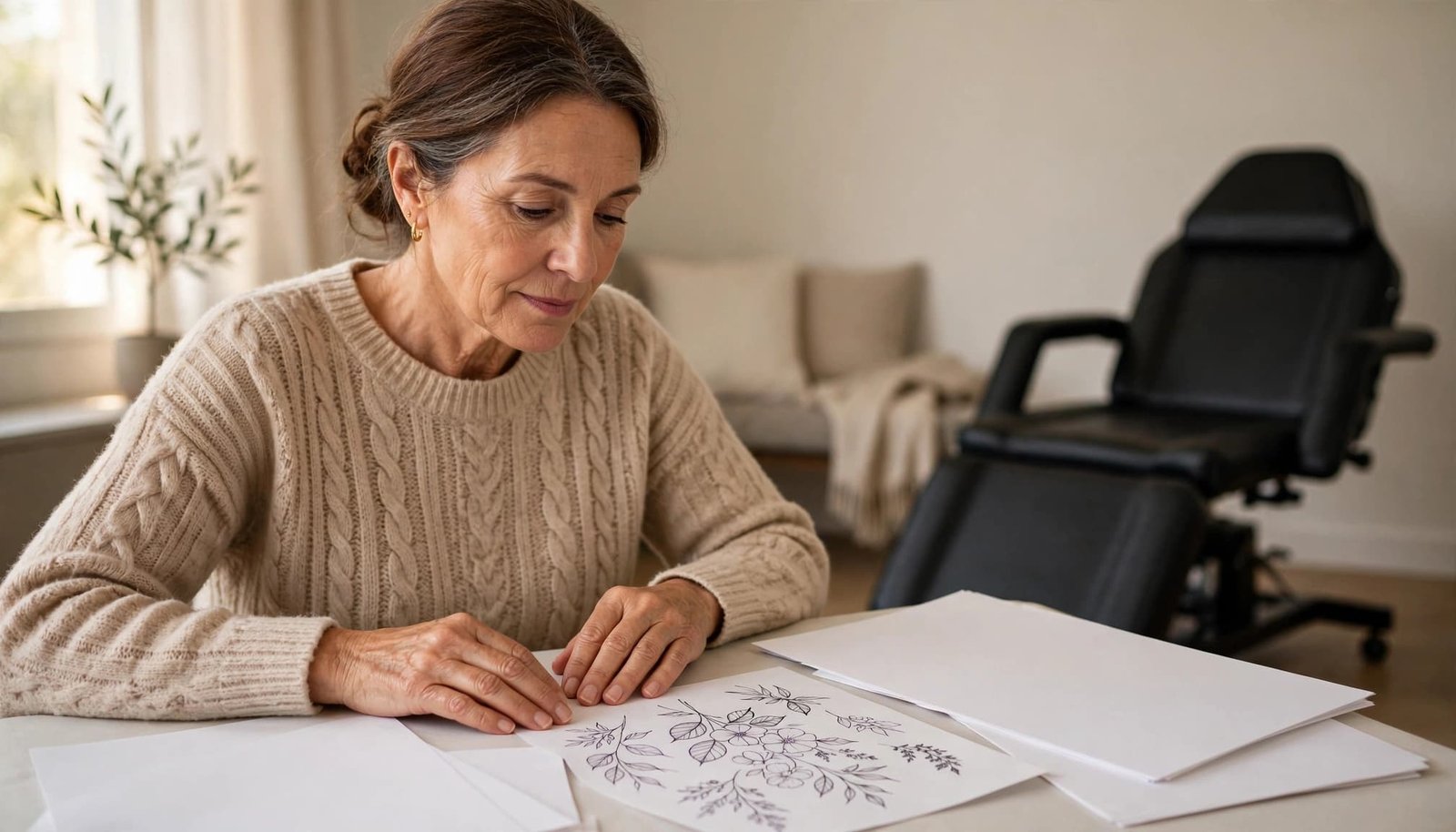
Questions to Settle During the Artist Consultation
A good consultation feels like a conversation, not an interrogation. Still, arrive with your questions written down so nothing slips your mind. The essentials include:
- How much experience do you have tattooing mature skin, and can I see healed examples?
- What line weight and size do you recommend for this design and placement?
- Would you adjust the placement, scale, or orientation for my body?
- How long will the session take, and what is the total price, including the deposit?
- What is your touch-up policy if lines soften during healing?
- Which aftercare products do you recommend, and do you provide written instructions?
- What warning signs after healing should send me to a doctor?
That last question matters more than most people realize. The FDA advises contacting your artist and a health professional if the area isn’t healing properly or a rash appears near the tattoo, especially with fever. Spreading redness, pus, or worsening pain always deserves medical attention rather than a wait-and-see approach.
One more thing: pay attention to how you feel in the studio. If anyone pressures you, dodges hygiene questions, or brushes off your concerns, walk out. No design is worth a bad experience.
How to Know When You Are Ready to Book
Readiness isn’t a flash of excitement; it’s a quiet confidence across five areas: the meaning, the design, the placement, the artist, and your aftercare plan. If any one of those feels shaky, you’re not behind. You’re just not finished yet.
When the choice still feels uncertain, live with it first. Ask the artist for a temporary stencil you can wear home, or tape a printed version of the design where you’ll see it daily for a week. Placement ideas like the hip benefit from this test, since you can check how clothing fits around the spot; these hip tattoo ideas for women show what works well there.
Before you book, run through this final checklist:
- The design’s meaning feels personal, not trendy.
- Spelling, dates, and lettering are triple-checked.
- Placement, size, and visibility suit your daily life.
- Your budget covers the session, tip, and possible touch-up.
- The artist’s healed work and licensing check out.
- You’ve discussed any medications or skin conditions with your doctor when needed.
- You’ve set aside enough healing time before travel, swimming, or big events.
A consultation is also the right moment to ask about expected healing, sun exposure, and how the design may soften over the years. Above all, remember that a tattoo is a personal choice. Waiting a month is always better than booking because a trend or someone else’s enthusiasm pushed you there.
Conclusion
The best tattoo at any age is one that tells your story and fits the life you’re living right now. Graceful florals, meaningful symbols, short words, nature designs, and clean black-and-gray work all offer that combination of elegance and personal meaning.
Whatever direction you choose, remember the practical side: pick a size and placement that suit your skin and daily routine, work with a licensed artist, and follow careful aftercare with steady sun protection once healed. For more symbolic inspiration, these meaningful tattoos for women can help you narrow down a design that feels true to you.
Personal style has no age limit. If a design speaks to you, you’re old enough to wear it and wise enough to choose it well.
Save the pin for later

- 25 Gothic Tattoo Ideas for a Bold, Dark Look - 21/09/2026
- 34 Black Fine Line Tattoo Ideas for a Delicate Look - 21/09/2026
- 23 Micro Tattoo Ideas for Women With Meaning - 21/09/2026

