Cortisol is your body’s main stress hormone, and what you eat can shape how well you handle it. When meals keep blood sugar steady, support gut health, and help calm inflammation, your stress response tends to work more smoothly.
That’s why cortisol diet foods matter. They’re not a quick fix, but they can give your body a better baseline, especially if stress has been pushing you toward cravings, energy crashes, or scattered eating habits. If you want a broader look at managing high cortisol naturally, the right daily habits make a real difference too.
In the list below, you’ll find 18 foods you can actually eat every day, plus the main foods to limit so your meals work with your body instead of against it.
What a cortisol-friendly diet really tries to do
A cortisol-friendly diet is built to keep your body on steadier ground. It aims to avoid the spikes and crashes that make you feel drained, edgy, or constantly hungry, while also giving your brain and hormones the raw materials they need to recover from stress.
That usually means three things: steady blood sugar, less inflammation, and better gut support. When meals are balanced, your energy stays more even, so you’re less likely to get the shaky, irritable, “I need food now” feeling that can follow a sugar rush or a long gap between meals. Some people notice the same pattern after too much caffeine on an empty stomach.
### Why blood sugar swings can trigger more stress
Skipped meals, sweets, and ultra-processed snacks can make your energy wobble. You may feel fine for a short burst, then suddenly hit a wall, get shaky, or feel unusually cranky. That crash matters because the body reads unstable blood sugar as a stress signal.
A sugar-heavy breakfast or an afternoon of coffee and crackers can leave you hungry again fast. Once that drop starts, your body often pushes out more cortisol to help bring blood sugar back up. The loop can feel like this: quick energy, sudden slump, then another round of cravings or caffeine.
Steadier meals usually feel less exciting in the moment, but they keep stress responses from firing all day.
The nutrients your body uses to handle stress better
A cortisol-friendly plate usually includes foods rich in a few key nutrients. Magnesium helps calm the nervous system, so foods like pumpkin seeds, spinach, and beans fit well. Omega-3s from salmon, sardines, chia, and walnuts support a healthier inflammatory response.
Vitamin C from citrus, bell peppers, and berries helps the body manage physical stress. B vitamins from eggs, leafy greens, legumes, and whole grains help with energy and hormone metabolism. Fiber slows digestion, which supports steadier blood sugar and better cortisol control. Probiotics from yogurt, kefir, sauerkraut, and kimchi support the gut-brain connection, which matters more than most people realize. For a simple food-based stress guide, Brown Health’s overview of stress-relief foods breaks down these nutrients in a practical way.
Diet helps, but it works best alongside sleep, movement, and stress habits that give your body room to reset.
The 18 cortisol diet foods to eat more often
The best cortisol diet foods do a few simple jobs well. They calm inflammation, steady blood sugar, support the gut, and give your body nutrients it uses during stress.
Instead of thinking about a strict meal plan, build around foods that keep you fed, steady, and less likely to crash. The list below groups 18 practical foods by the job they do best.
Omega-3 rich foods that help calm inflammation
Omega-3 fats help the body handle stress with less inflammation in the background. That matters because a calmer inflammatory response can make it easier for your system to recover after a hard day.
Start with salmon, sardines, mackerel, walnuts, chia seeds, and flaxseeds. These foods are easy to find, easy to cook, and easy to repeat through the week. If you want the fish side of this list in more detail, these cortisol-reducing foods are a useful place to start.
A simple routine works best:
- Salmon, sardines, or mackerel at dinner with vegetables
- Walnuts as a snack or salad topper
- Chia seeds or flaxseeds stirred into yogurt, oats, or a smoothie
Omega-3s do not erase stress, but they can help your body respond to it more smoothly.
Magnesium-packed foods that may ease a tense body
Magnesium helps muscles relax and supports normal hormone function, which is why it shows up so often in stress-friendly eating plans. When you’re tense, under-slept, or running on caffeine, magnesium-rich foods can help fill a common gap.
The easiest options here are pumpkin seeds, almonds, pistachios, spinach, avocado, and dark chocolate. A handful of nuts can replace chips, spinach can go into eggs or soup, and avocado can make a sandwich or rice bowl feel more satisfying.
A few easy swaps make this list work in real life:
- Use almonds or pistachios instead of salty snack foods
- Add pumpkin seeds to oatmeal, yogurt, or salads
- Build meals with spinach and avocado for extra mineral support
- Keep dark chocolate as a small after-dinner treat, not a main snack
Gut-friendly foods that support mood and stress balance
Your gut and brain talk to each other all day. When your gut bacteria are better fed, your body often handles stress in a steadier way.
That’s why kefir, live yogurt, kimchi, and lentils belong on this list. Fermented foods bring in helpful bacteria, while lentils feed those bacteria with fiber. That one-two combo matters because a healthier gut environment can support a better mood and a calmer stress response. For a broader look at that connection, the gut-brain connection is worth understanding.
Use them in simple ways:
- Have kefir or live yogurt with breakfast or fruit
- Add kimchi to rice bowls, eggs, or wraps
- Make lentils the base of soups, stews, or grain bowls
Smart carb and drink choices that keep energy steadier
Stable energy matters just as much as calm food choices. When you eat carbs that digest more slowly, your blood sugar stays more even, and that helps keep cortisol from bouncing around all day.
For this group, oats and green tea are the standout choices. Oats make an easy breakfast that lasts, and green tea gives you a gentler caffeine lift than another strong coffee. Oats also pair well with chia seeds, walnuts, or yogurt, so they fit neatly into the rest of this list.
A good rule is to keep breakfast and snacks balanced:
- Oats for a steadier morning meal
- Green tea for a lighter afternoon pick-me-up
- Pair either one with protein, fat, or fiber so the energy lasts longer
When you build meals around these foods, you give your body more room to handle stress without constant spikes and crashes.
How to build cortisol-lowering meals without overthinking it
You do not need a complicated plan to eat in a way that supports lower stress. A few repeatable meal formulas do most of the work, especially when they include protein, fiber-rich carbs, healthy fats, and colorful plants. That mix helps keep blood sugar steadier, which can keep your energy and mood from swinging all over the place.
A simple plate formula that works at any meal
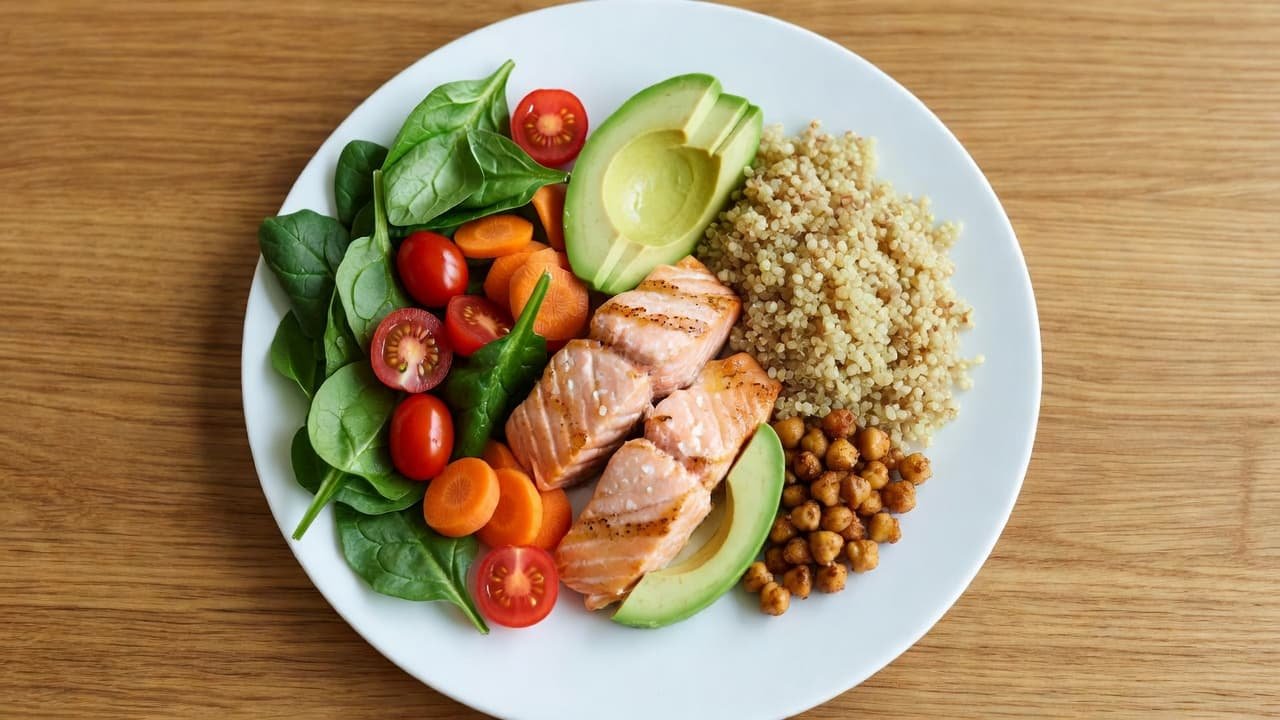
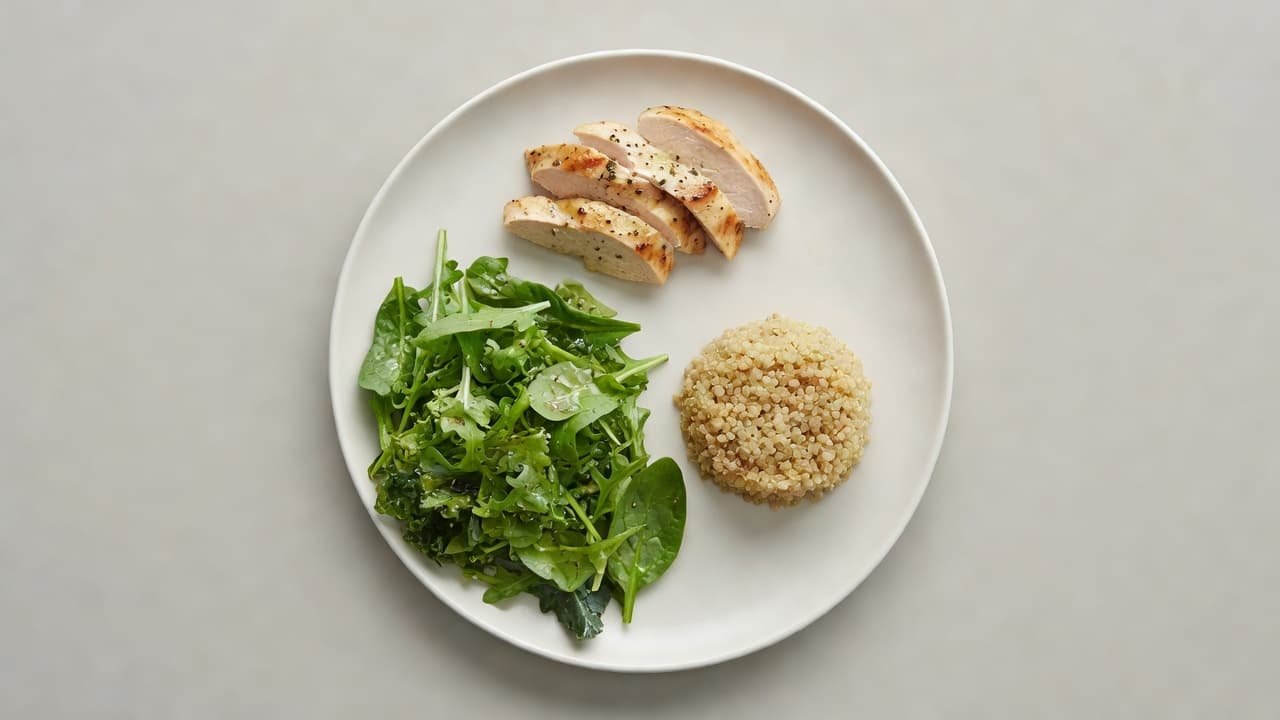
Start with this easy structure: one protein, one fiber-rich carb, one healthy fat, and one or two colorful plants. That might look like eggs with oats and berries, salmon with brown rice and spinach, or lentils with roasted vegetables and olive oil.
The goal is steadier energy, not perfection. When protein and fiber slow digestion, you avoid the quick spike and crash that can leave you jittery, hungry, or tired an hour later. For a clear visual guide, the CDC plate method follows the same basic idea.
If you want a shortcut, use this formula:
- Breakfast: yogurt, chia seeds, berries, and oats
- Lunch: chicken or beans, brown rice, greens, and avocado
- Dinner: salmon, quinoa, broccoli, and olive oil
- Snack: nuts with fruit, or yogurt with seeds
This kind of meal works because it gives your body a slower, steadier release of fuel. If you also want to support your stress response outside meals, natural nervous system regulation techniques can pair well with better eating habits.
Easy meal and snack ideas using the foods in this list
Keep it realistic. You do not need fancy recipes or a full reset of your pantry. A few quick combinations can carry you through the week:
- Yogurt with chia and berries, plus walnuts on top
- Salmon with brown rice and spinach, finished with olive oil
- Lentil soup with olive oil and a side of whole-grain toast
- Oats with flaxseed, banana, and pumpkin seeds for breakfast
- Eggs with avocado and sautéed greens on the side
- Apple slices with almond butter and dark chocolate for a simple snack
These meals are budget-friendly, fast, and easy to repeat. Once you build from the same few foods, cortisol-lowering eating stops feeling like a project and starts feeling like dinner.
Foods and habits that can make cortisol worse
Some foods support steadier energy, and some do the opposite. If you already feel wired, tired, or stuck on a blood sugar roller coaster, the biggest issue is usually a pattern of too much stimulation and too many quick hits of sugar or refined carbs. You do not need to ban every treat, but cutting back on a few repeat offenders can make stress feel less intense.
The goal is simple: fewer spikes, fewer crashes, and less strain on your system. That usually starts with what you drink, how often you snack, and how much ultra-processed food ends up filling the gap.
The biggest diet triggers to cut back on first
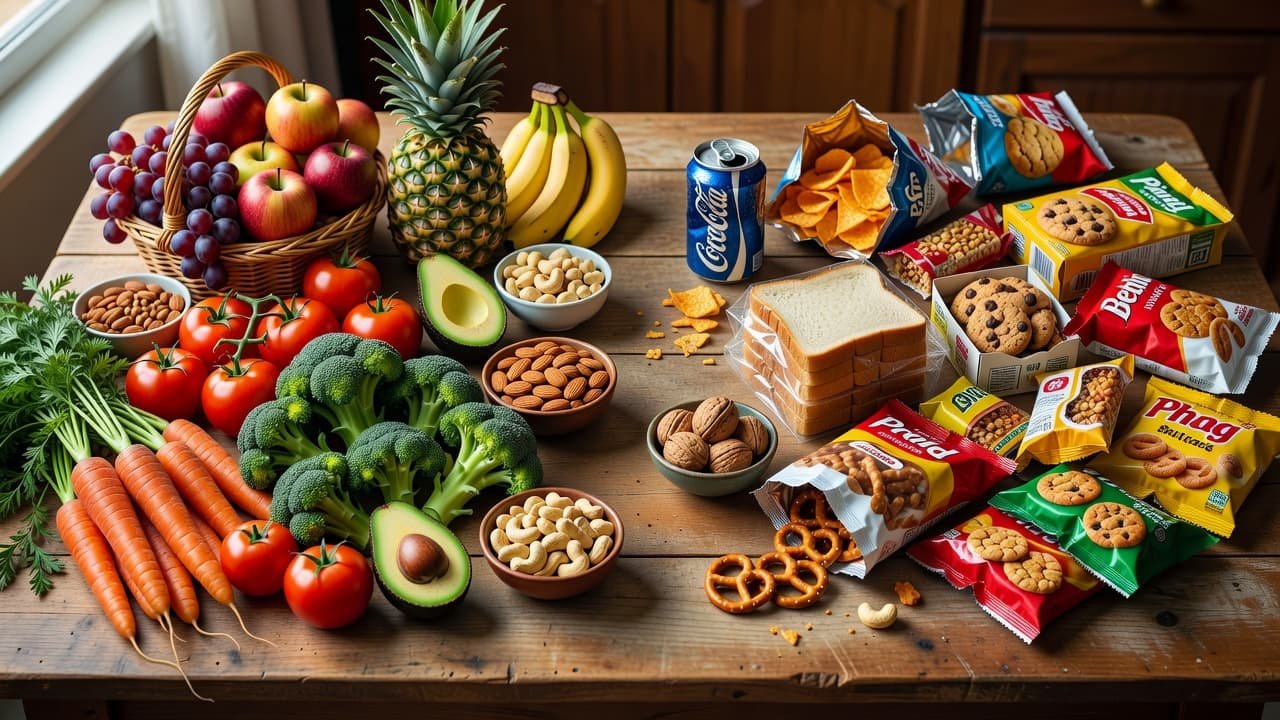
Caffeine overload is a common one. Coffee in moderation can fit into a healthy routine, but a second or third cup, especially on an empty stomach, can make jitters, anxiety, and a racing heart feel worse. Energy drinks can hit even harder because they often combine caffeine with sugar, which can push cortisol and blood sugar around at the same time. Research has shown that caffeine can increase cortisol secretion, especially when the body is already under stress.
Sugar-heavy drinks and snacks do their own damage. Soda, candy, white bread, and packaged snack foods digest fast, so energy rises quickly and drops just as fast. That crash can leave you hungrier, moodier, and more likely to reach for another quick fix. Over time, that loop can make stress feel louder than it needs to be. Caffeine and cortisol research backs up that pattern.
The issue is usually not one food, it’s the repeat cycle of stimulation, crash, and craving.
Small swaps that are easier to stick with
Better choices work best when they feel realistic. You do not need to overhaul everything at once, just make the next choice a little steadier.
- Try green tea instead of a second coffee.
- Choose oats instead of sugary cereal.
- Reach for nuts instead of chips.
- Swap water or sparkling water for soda most days.
- Pair candy or dessert with a real meal instead of eating it alone.
Those small changes matter because they reduce the big blood sugar swings that can keep cortisol running high. If you want a broader food strategy that supports hormones too, foods that balance hormones naturally fits well with this approach.
The point is not perfection. It’s giving your body fewer reasons to feel like it has to stay on alert.
When food helps, but the rest of your routine still matters
Food can calm a stressed system, but it works best when the rest of your day is not fighting against it. If you eat well, then sleep poorly, skip movement, and run on empty, cortisol can still stay elevated.
The daily habits that support your food choices
Sleep is the first piece. Short nights and irregular sleep can flatten your cortisol rhythm, which means you may wake up tired and feel more wired later in the day. A steady bedtime, less late-night screen time, and enough total sleep give your body a better chance to reset.
Movement matters too. Regular activity helps your body use stress hormones more efficiently, and even a brisk walk can ease tension after a meal. The goal is consistency, not punishment, so choose something you can repeat most days.

Meal timing helps keep blood sugar steadier, which can keep cortisol from climbing every time you get overly hungry. Hydration does the same in a quieter way, because even mild dehydration can make stress feel sharper. If your schedule is hectic, smaller gaps between meals and a water bottle nearby can make a real difference.
For more signs that stress is becoming a bigger problem, recognizing signs of chronic stress can help you spot the pattern early.
When symptoms feel severe, constant, or hard to explain, it’s smart to talk with a health professional. Diet can support cortisol, but it should not carry the whole load alone.
Conclusion
The best cortisol diet foods are the ones that keep your blood sugar steady, calm inflammation, and support gut health at the same time. That is what makes them useful for real life stress, not just on paper.
If you want a simple place to start, pick one or two changes you can repeat this week. Add salmon, oats, yogurt, spinach, nuts, or fermented foods to meals you already eat, and build from there.
Small food shifts are easier to keep, and that matters more than chasing a perfect plan. One steady meal at a time can give your body a better base for handling stress.
Save the pin for later

- 8 Healthy Breakfast Ideas for Kids on Busy Mornings - 15/08/2026
- 25 Kids Lunch Box Meals Ideas for Easy School Days - 15/08/2026
- 8 Major Causes of Miscarriage During Pregnancy You Should Know - 14/08/2026

