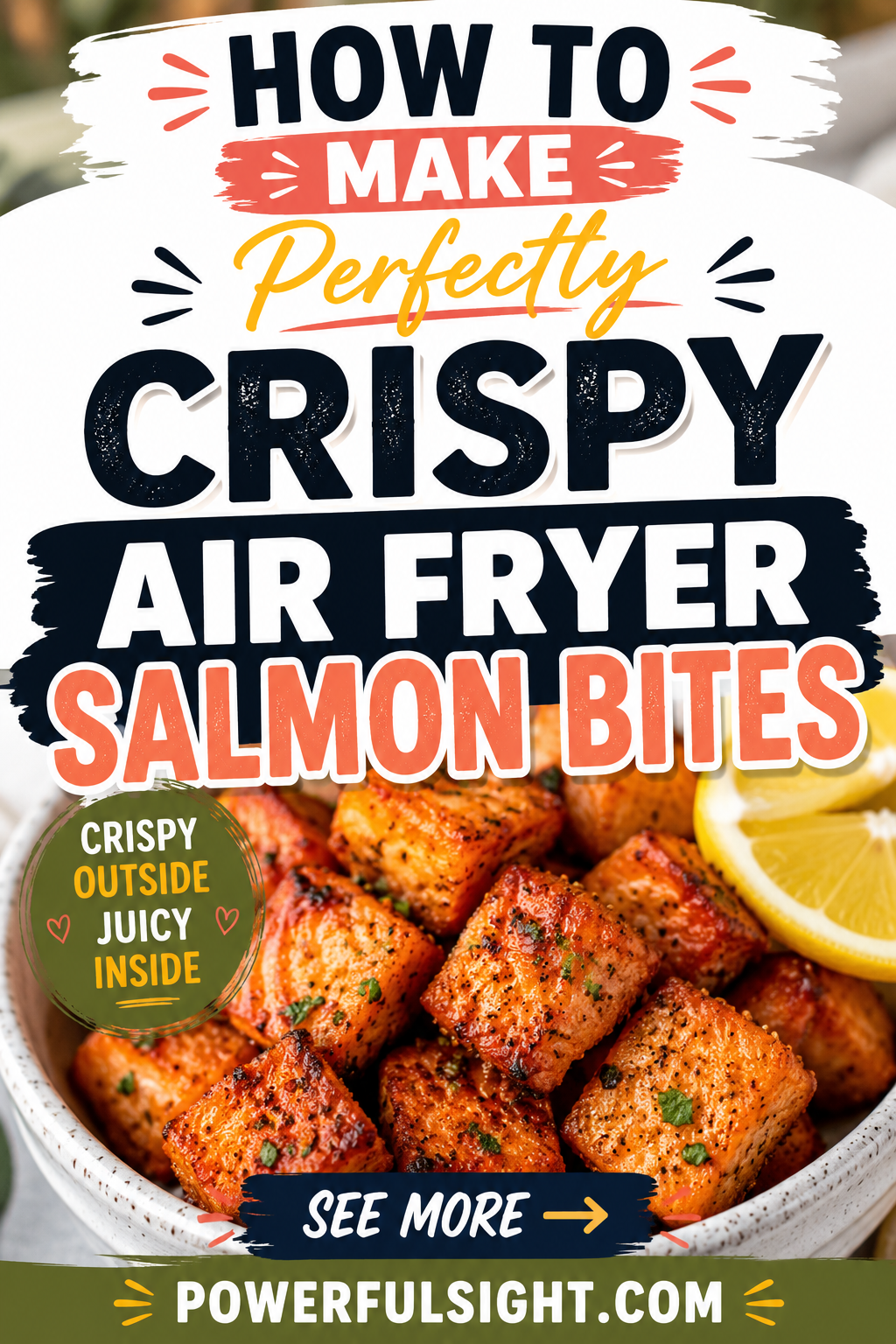
When you need a meal that is ready in minutes but still packs plenty of flavor, air fryer salmon bites are the answer. They solve the common problem of dry fish by using quick, high-heat circulation to create a crispy exterior while keeping the center tender and moist.
This method is perfect for busy weeknights when you don’t have time to watch a pan. You can easily add them to a heart-healthy baked salmon fillet routine or serve them in bowls with fresh vegetables.
See how simple the process is by watching this quick guide on preparing salmon bites to get started on your own crispy batch.
Choosing the Best Salmon for Your Bites
Selecting the right salmon is the foundation of a great meal. While it is tempting to pick up pre-cut pieces to save time, choosing a whole fillet is usually the better move. Fillets allow you to control the size and shape of your portions, which helps ensure everything cooks at the same speed. If you prefer to have a balanced salmon diet for blood sugar, starting with high-quality, fresh fish makes a noticeable difference in both flavor and texture.
When shopping, look for flesh that appears moist and firm. If you can, press the fish lightly with your finger; it should spring back immediately. Avoid fillets that look dull or dry around the edges, as these are signs that the fish has been sitting for too long. If you do not have access to a local fishmonger, flash-frozen salmon is often superior to the “fresh” options sitting in the display case. These pieces are frozen shortly after being caught, which locks in quality until you are ready to thaw them at home.
Preparing Your Salmon for Even Cooking
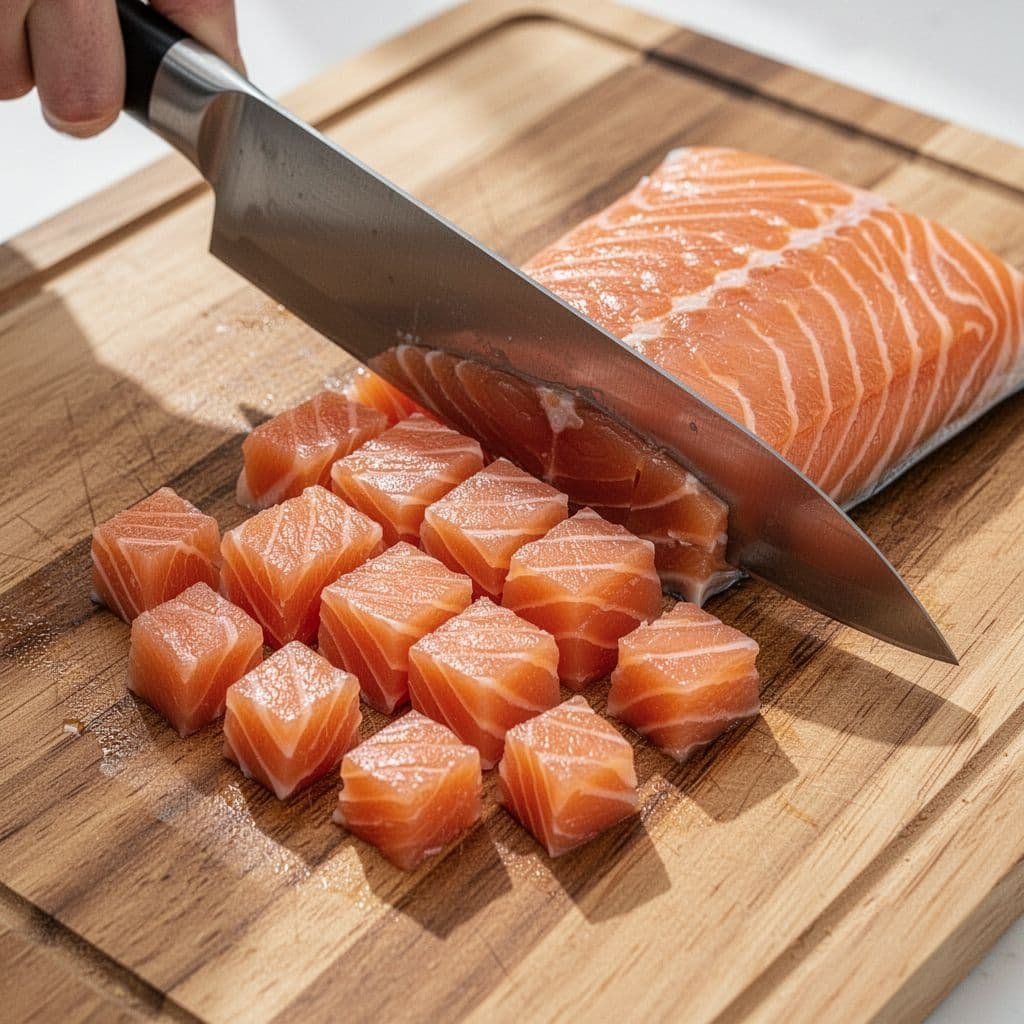
Once you have your fillet, focus on how you break it down. Cutting uniform 1-inch cubes is the secret to success in an air fryer. When your pieces are the same size, they cook at the same rate. This prevents smaller bits from drying out while you wait for the thicker pieces to finish. You want each bite to be perfectly tender, not overcooked on the outside or raw in the center.
Before you start cutting, take a moment to prep the fish properly. Remove the skin and check for any remaining pin bones by running your fingers along the center of the fillet. If you feel a sharp point, use needle-nose pliers or clean tweezers to pull it out. These small steps make a world of difference when you are finally ready to eat.
Patting your cubes dry with paper towels is a non-negotiable step. Moisture is the enemy of a good sear, as it creates steam instead of that golden, crispy crust you want. After you slice the fish into cubes, lay them out on a clean surface or plate and blot them gently with a paper towel. Removing surface moisture helps the seasoning stick better and allows the high heat of the air fryer to work its magic.
The Art of Seasoning for Maximum Flavor
Seasoning is where your salmon bites transform from a simple snack into a memorable meal. Because salmon has a rich, buttery profile, it pairs beautifully with bold spices that cut through its natural oils. A well-chosen blend creates a savory crust that locks in juices while delivering a punch of flavor in every bite. Whether you prefer something smoky, zesty, or herbaceous, the right combination of seasonings is what makes these bites impossible to resist.
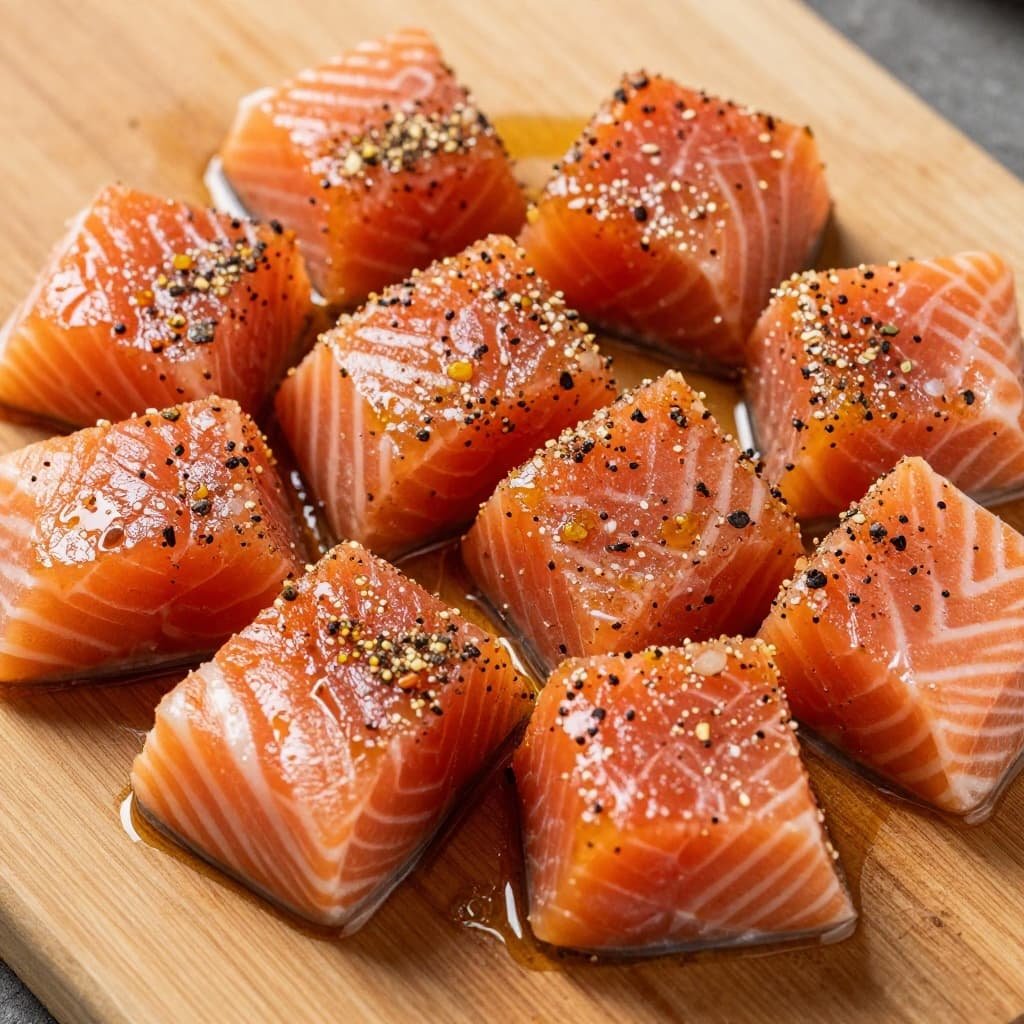
When putting together your spice rack for this dish, keep a few reliable profiles on hand. You can find inspiration in these classic combinations:
- Classic Lemon-Pepper: Use high-quality black pepper mixed with dried lemon zest for a bright, clean finish that highlights the freshness of the fish.
- Smoky Paprika: Combine smoked paprika with a pinch of brown sugar to encourage caramelization, giving your bites a deeper, wood-fired flavor profile.
- Garlic-Herb: Mix garlic powder with dried parsley, dill, or thyme for an earthy, aromatic crust that pairs perfectly with dipping sauces.
For more inspiration on balancing these flavors, you can look at various air fryer salmon recipes to see how different spice ratios impact the finished crust.
Balancing Healthy Fats with Your Spices
You might wonder if you really need to coat your salmon in oil before seasoning. The short answer is yes, because fat is the bridge between your spices and the fish. Without a thin layer of oil, your seasonings will simply slide off the cubes, leaving you with patchy flavor and a dry crust. A high-quality oil like avocado or olive oil ensures the spices cling to every side of the salmon cubes, which guarantees an even, flavorful coating in every single bite.
Using a small amount of oil also serves a practical purpose in the air fryer. It prevents the delicate fish from sticking to the perforated basket. This allows the hot air to circulate freely around each cube, which helps develop that signature crunch you want. You don’t need to drench the salmon. A light toss in a bowl with just one tablespoon of oil is enough to get the job done properly.
When preparing your mixture, combine your chosen spices with the oil in a bowl first. If you try to shake the spices directly onto the dry fish, you will likely end up with an uneven mess. By mixing the oil and spices together into a paste, you create a consistent glaze that coats the salmon uniformly. This simple step is the difference between a homemade meal and something that looks like it came from a professional kitchen. As noted in some easy air fryer techniques, using this method helps you achieve a consistent texture across every single piece. If you prefer a bolder approach, McCormick offers additional tips on layering those spicy, smoky notes for the best result.
Mastering the Air Fryer Technique
Cooking salmon bites in an air fryer is all about precision and airflow. Because the device acts like a powerful convection oven, it works quickly to render fat and crisp the exterior of the fish. Achieving the right balance between a crunchy crust and a buttery, tender interior relies on your ability to manage heat and space inside the basket.
How to Avoid Dry and Overcooked Salmon
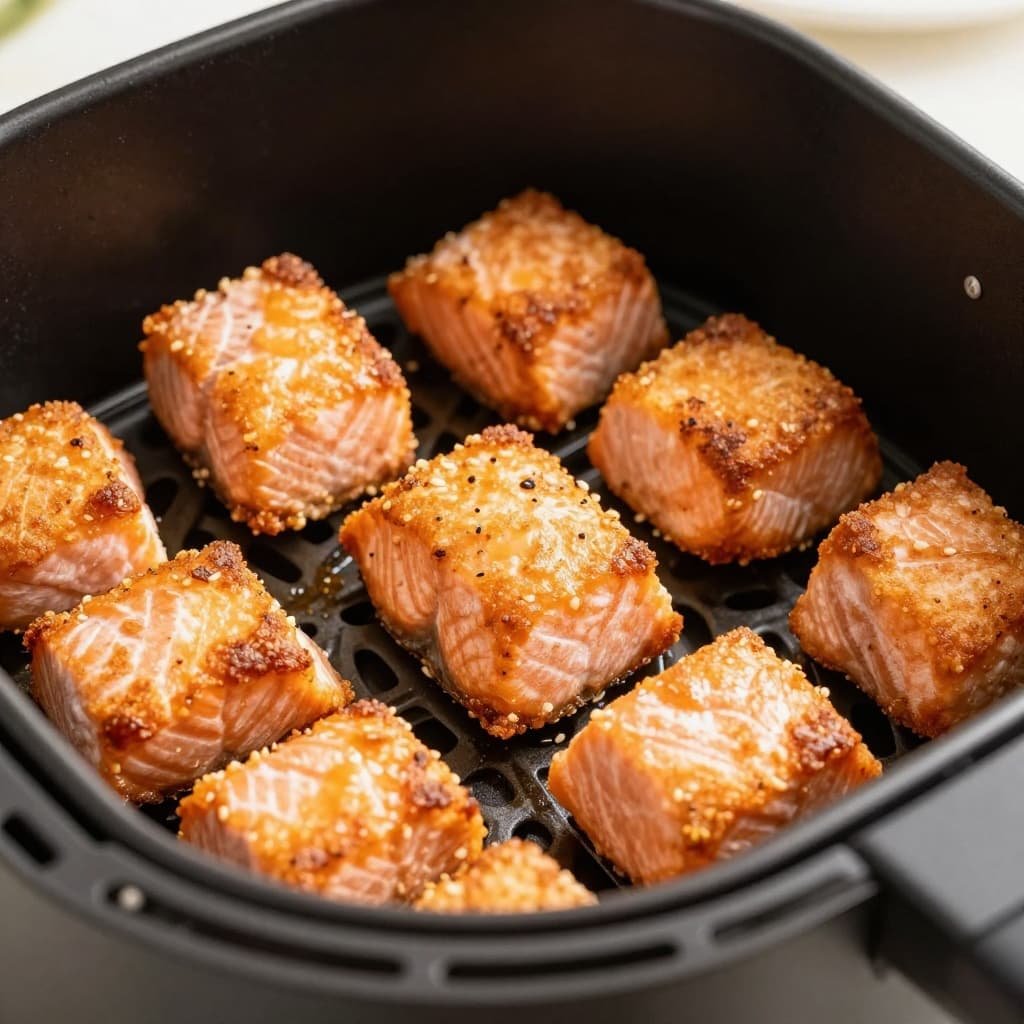
The most common mistake people make is overcooking the fish. Since salmon is high in healthy oils, it doesn’t need much time under intense heat to reach the perfect internal temperature. Plan for a short cook time window, usually between 6 to 8 minutes, depending on the thickness of your cubes. Start checking your bites around the 6-minute mark to see if they are ready.
If you are new to this method, use a meat thermometer for accuracy. You want the internal temperature to hit 145°F for fully cooked fish, though many people prefer pulling them slightly earlier for a softer texture. Visually, the salmon should appear opaque throughout and flake easily when pressed with a fork. If the pieces still look translucent or dark pink in the center, give them one more minute. Learning how to prevent salmon from drying out during these final moments is the difference between a dry meal and a succulent one.
Beyond timing, your setup matters just as much. Always preheat your air fryer to 400°F before adding the fish. A hot start is vital because it sears the surface instantly, which locks in those essential juices. If you skip preheating, the fish essentially steams in its own moisture rather than crisping, which leads to a softer, less appealing bite.
Finally, avoid overcrowding the basket at all costs. Air fryers rely on constant air circulation to cook food evenly. If you pile the salmon cubes on top of each other, the hot air cannot reach the sides of every piece. This causes uneven cooking, where some cubes finish way before others, and the ones buried in the middle turn into mush. For the best results, arrange your seasoned cubes in a single layer with a little breathing room between each one. If you have a large batch, it is much better to cook in two separate rounds than to crowd everything into one go. Taking these extra minutes prevents uneven cooking and ensures every single piece reaches that golden, crispy stage. These small adjustments help you master easy salmon cooking methods that save you time without sacrificing flavor or texture.
Serving Suggestions and Storing Leftovers
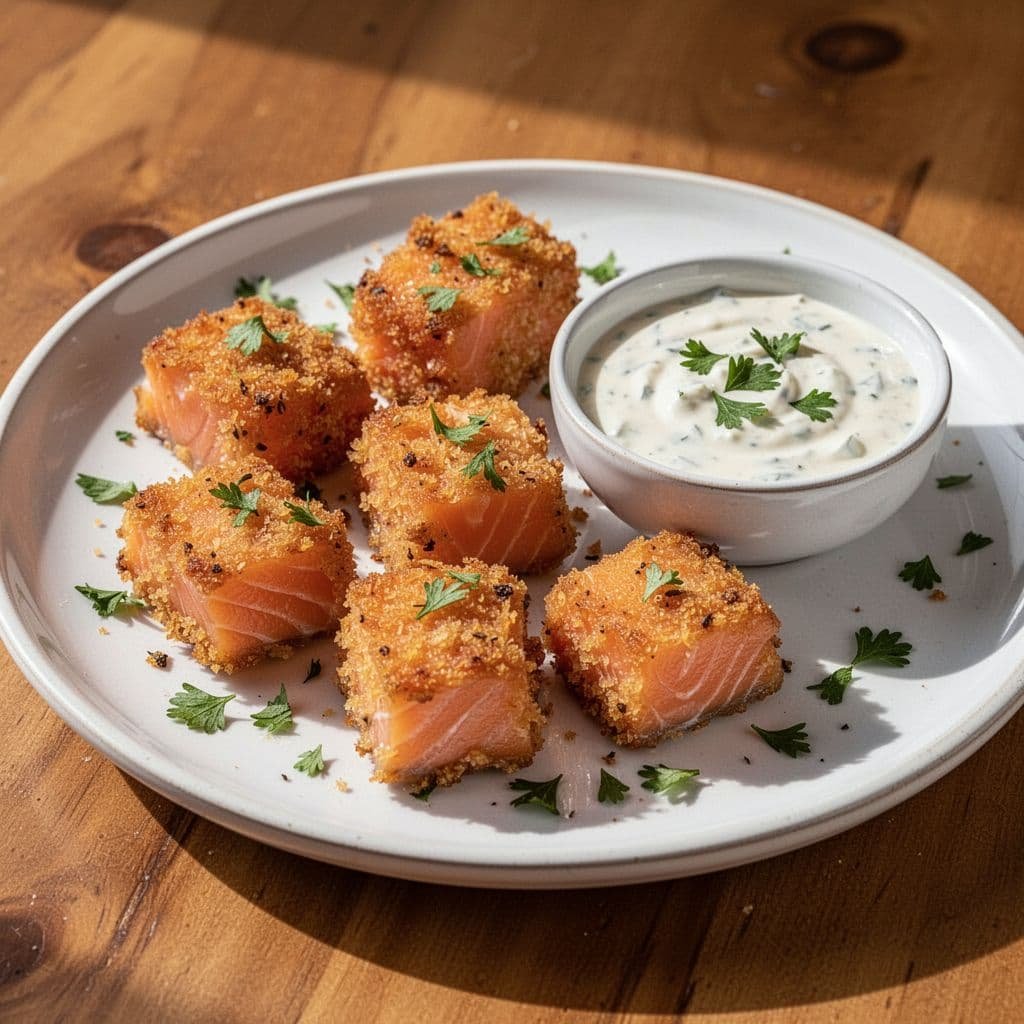
These crispy bites are incredibly versatile once they emerge from the air fryer. Because they have a neutral yet savory profile, they adapt well to various meal formats. Whether you want a light lunch or a hearty dinner, the way you plate them changes the entire dining experience.
Creative Serving Ideas
You can turn these bites into a complete meal with minimal effort. Here are a few ways to serve them:
- Grain bowls: Toss the salmon over a bed of warm quinoa, jasmine rice, or farro. Add sliced cucumber, pickled ginger, and a drizzle of spicy mayo for a poke-style bowl.
- Fresh salads: Place the warm bites atop a crisp Caesar or garden salad. The heat from the fish slightly wilts the greens, which adds a nice texture contrast.
- Quick appetizers: Serve them in a small bowl with toothpicks. Pair them with a dipping sauce like lemon-dill yogurt, honey garlic glaze, or a zesty sriracha aioli.
- Taco night: Swap out traditional meat for salmon bites in warm corn tortillas. Top them with cabbage slaw, lime juice, and avocado slices.
Proper Storage for Quality Results
If you have leftovers, handle them with care so they stay safe and delicious. Always move the salmon to an airtight container once it cools down to room temperature. You can safely store the fish in your refrigerator for up to three or four days, according to FDA seafood safety guidelines. Keep the container on a middle shelf where the temperature stays consistent.
Reheating Without the Rubber Texture
The biggest challenge with leftover fish is avoiding that rubbery, overcooked texture. You want to warm the bites gently rather than blasting them with high heat. Set your air fryer to 350°F and place the bites in the basket with enough space for air to circulate.
A light brush of oil or a tiny pat of butter on top helps lock in moisture during the process. Heat them for three to five minutes, but keep a close eye on them to ensure they do not dry out. If you prefer, wrapping them loosely in parchment paper or foil acts as a barrier against direct heat. Following these gentle reheating methods prevents the proteins from tightening up. Remember that you only want to reheat the portion you intend to eat, as repeated temperature changes diminish the overall quality of the fish.
Conclusion
Air fryer salmon bites turn a simple fish fillet into a restaurant-style meal in just minutes. This method removes the guesswork from cooking seafood, as the high heat creates a crisp exterior while keeping the center tender and moist.
It is easy to make this dish your own by testing different spice rubs or serving them with various grains and fresh vegetables. You might find inspiration in nutrient-dense diet for the second trimester if you want more ways to enjoy healthy fats in your daily routine.
Grab your favorite seasonings and see how quickly you can prepare a healthy dinner tonight. What spice blend will you try on your first batch?
Save pin for later

- Healthy Air Fryer Recipes for Beginners - 21/09/2026
- Healthy Snacks for Late Night Cravings - 21/09/2026
- High Protein Meal Prep Ideas for Easy Weekly Meals - 21/09/2026

