After sitting for hours, your legs may feel stiff, your hands may turn cold, and your whole body can seem sluggish. These sensations can happen after inactivity, but ongoing circulation problems deserve more attention than a quick home remedy.
Improving blood flow usually means supporting your heart and blood vessels with regular movement, aerobic exercise, a heart-healthy diet, quality sleep, and quitting smoking. Staying hydrated can support general wellness, while managing blood pressure, cholesterol, and diabetes helps reduce risks that can affect circulation. Even a daily walk can be a practical starting point, as you can see in these health benefits of walking daily.
This guide offers educational information, not a diagnosis or replacement for medical care. Talk with a healthcare professional if poor circulation keeps returning, causes pain, or concerns you. Seek urgent help for sudden or severe symptoms, including chest pain, serious shortness of breath, one-sided weakness, facial drooping, confusion, or trouble speaking. Start with the everyday habits that support healthier circulation.
Key Takeaways
- Regular movement supports circulation, and brisk walking is an accessible place to start.
- Aim for 150 minutes of moderate activity each week, such as 30-minute walks on five days, as recommended by the CDC’s adult activity guidelines.
- Break up long sitting periods with short walks, gentle stretches, or simple household movement.
- Add muscle-strengthening activity twice weekly to support overall cardiovascular health.
- Consistent, manageable habits matter more than occasional intense workouts. Explore these simple daily movement habits for practical ideas.
How to Increase Your Blood Flow With Daily Movement and Exercise
Learning how to increase your blood flow starts with giving your heart and muscles regular reasons to work. When you move, your heart pumps faster, blood vessels adjust to deliver more oxygen, and contracting muscles help move blood through the limbs. Over time, consistent activity can support cardiovascular fitness and make everyday movement feel easier.
Choose aerobic activities you can repeat consistently
Moderate exercise helps your circulation, but consistency matters more than occasional intense workouts. Brisk walking, cycling, swimming, dancing, and climbing stairs can all raise your heart rate without requiring an extreme routine. Choose an activity that fits your schedule and feels realistic enough to repeat next week.

If you rarely exercise, begin with five to 10 minutes of easy walking. Repeat that short session several days a week, then add a few minutes as your stamina improves. You might progress to 15 minutes, then 20, before working toward the general adult goal of at least 150 minutes of moderate aerobic activity each week. When medically appropriate, add muscle-strengthening exercises on two days each week.
Use the talk test to judge moderate effort. You should breathe faster, yet still be able to speak in complete sentences. If you can only say a few words before stopping for breath, slow down and recover. Warm up with several minutes of gentle movement, and finish at an easier pace.
Pain deserves attention, especially in the legs. Cramping, aching, heaviness, or fatigue that appears while walking and improves after you rest may indicate peripheral artery disease, rather than ordinary deconditioning. The NHLBI’s information on peripheral artery disease symptoms explains why this pattern needs medical evaluation. Don’t push through it or increase your walking plan until a clinician advises you.
Break up sitting to keep your legs moving
Long stretches of sitting can leave your legs stiff and reduce the amount of muscle activity supporting circulation. During desk work, stand during phone calls, walk around the room between tasks, or take a brief hallway trip when you refill your water.
Travel requires the same practical approach. On long car rides, stop when safe to walk and stretch. While seated, try heel raises, ankle circles, ankle pumps, and gentle leg movements that don’t cause pain. During television, stand during part of a commercial break or walk around the room before the next episode starts.
These short breaks support general health, but they don’t replace an evaluation for persistent swelling, numbness, skin color changes, or leg pain. Gentle movement may help with fluid movement too, and these simple lymph drainage exercises offer low-stress ideas. Stop if a movement worsens your symptoms, and ask a healthcare professional about chest pain, severe shortness of breath, known heart disease, or significant leg pain before exercising.
Improve circulation by managing the health risks that affect blood vessels
Poor circulation isn’t always a temporary result of sitting too long. Arterial disease can narrow the vessels that carry blood to your legs and organs, while venous disease can interfere with blood returning to your heart. High blood pressure, high cholesterol, diabetes, excess weight, and smoking can all increase strain on blood vessels over time.
Daily movement helps, but regular health care gives you another way to protect circulation. Checkups can identify problems before symptoms appear, when lifestyle changes and treatment may work best.

Why quitting smoking can help protect blood flow
Tobacco smoke harms the heart and blood vessels in several ways. It damages the vessel lining, encourages plaque buildup, makes blood more likely to clot, and causes arteries to thicken and narrow. As a result, smoking raises the risk of peripheral artery disease, heart attack, and stroke. The CDC’s explanation of smoking and cardiovascular disease describes these effects in more detail.
Quitting gives your circulation a chance to recover. Blood vessels can function better, the risk of heart disease begins to fall, and your heart receives less exposure to chemicals that increase stress on the cardiovascular system. Cutting back may be a useful first step, especially if you smoke heavily, but quitting completely offers the greatest protection.
You don’t have to plan it alone. Ask a health professional about a quit date, counseling, a telephone quitline, nicotine replacement products, or prescription medicines such as varenicline or bupropion. Counseling and medication can work well together. If you slip, treat it as information about what support you need, not as a reason to give up.
Keep blood pressure, cholesterol, and diabetes in range
High blood pressure can strain and injure artery walls. High cholesterol can contribute to plaque, while diabetes can damage blood vessels and nerves that affect sensation in the feet and legs. Excess weight may add to blood pressure, blood sugar, and cholesterol problems. These conditions often cause no obvious symptoms, so you may feel fine while circulation risks are growing.
Routine care helps you stay ahead of those changes. Keep appointments, ask whether you need cholesterol testing, and track your blood pressure or blood sugar at home when your clinician recommends it. Take prescribed medicines consistently, even when you feel well, and never stop or change a medicine without medical advice.
Small habits support your care plan. Choose more fiber-rich foods such as beans, oats, vegetables, berries, and whole grains. Stay active with walking and strength exercises that match your abilities. If kidney, heart, or vascular disease affects you, ask for personalized guidance. Older adults may also need adjustments for balance, joint pain, medication effects, or recovery time. Advice should fit your body, your health history, and your current level of fitness. For related guidance, review these healthy habits that protect your kidneys.
Build a heart-healthy eating pattern for better blood vessel health
Food supports circulation best when your usual meals help manage blood pressure, cholesterol, blood sugar, and body weight. A heart-healthy pattern centers on vegetables, fruits, beans, lentils, whole grains, nuts, seeds, fish, and unsaturated fats instead of relying on one “superfood.”
The American Heart Association’s dietary recommendations also emphasize lower-sodium foods, fewer added sugars, and less highly processed food. These choices support the blood vessels that carry oxygen to your muscles and organs.
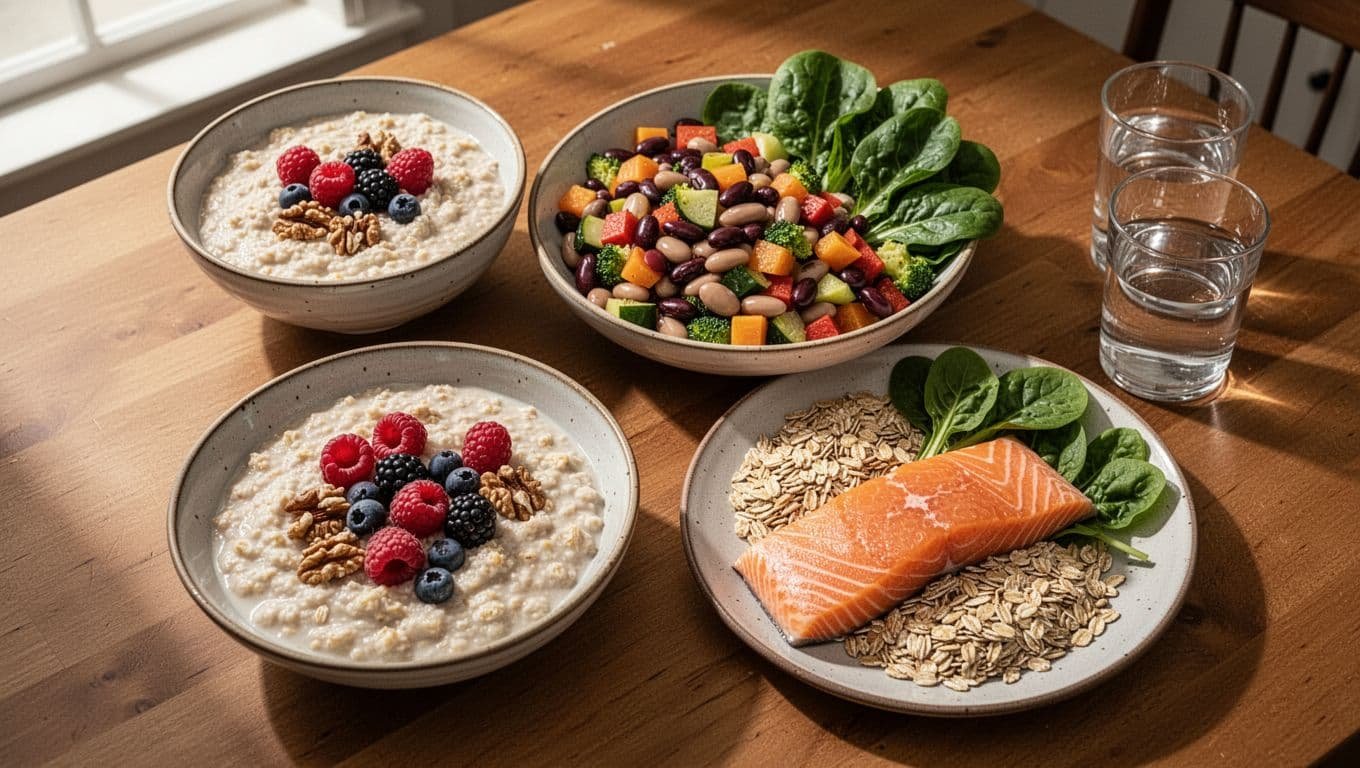
Simple food swaps that support your arteries
Small substitutions can make your meals more supportive without making your grocery bill harder to manage. Try these practical changes:
- Replace some processed meat, such as sausage or deli meat, with beans, lentils, eggs, or canned tuna packed in water.
- Choose fruit, plain yogurt, or oatmeal with berries instead of candy, pastries, or other sugary snacks.
- Keep unsalted nuts or seeds nearby when you want something crunchy instead of chips.
- Use olive or canola oil in place of butter, shortening, or other solid fats when cooking.
- Season vegetables, beans, and grains with garlic, lemon juice, pepper, paprika, or fresh herbs before reaching for the salt shaker.
Sodium can cause the body to retain more fluid, which may raise blood pressure in some people. The general upper limit is 2,300 milligrams of sodium per day, while people with high blood pressure may receive a lower target from their clinician. Check labels on canned soups, sauces, frozen meals, and packaged meats, then choose reduced-sodium options when possible.
Fiber from oats, beans, lentils, vegetables, fruit, nuts, and whole grains can help support cholesterol management. A bowl of oatmeal with berries and walnuts makes an easy breakfast. For lunch, combine beans, brown rice, chopped vegetables, and a little olive oil. At dinner, try salmon with quinoa and leafy greens. You can find more ideas in these everyday foods that support heart health.
Drink enough fluid to support normal body function, but no hydration trick can open a blocked artery or correct serious circulation problems. If you have heart failure, kidney disease, or a prescribed fluid restriction, follow your clinician’s instructions instead of forcing extra water.
One meal won’t determine your circulation. Steady habits matter more than perfection, so make the next reasonable choice and keep building from there.
Use sleep, stress care, and healthy routines to support circulation
Daily movement works best when your body has time to recover. Sleep, stress management, balanced meals, and regular treatment all support the heart and blood vessels, but none of them acts as an instant cure for poor circulation. Instead, these habits create a steadier foundation for walking, exercising, and managing health conditions.
A realistic one-day routine for healthier circulation
This sample routine is a flexible example, not a medical prescription. Adjust it for your schedule, fitness level, symptoms, and advice from your healthcare professional.
Start the morning with your usual fluids and a balanced breakfast, such as oatmeal with berries and nuts. During the workday, place a reminder near your desk to stand, stretch, or walk for five minutes each hour. You can also pair movement with tasks you already do, such as walking while talking on the phone or taking the long route to the restroom.
At lunch, choose vegetables, beans, whole grains, fish, or another source of lean protein. After eating, take a short, comfortable walk if you can. Avoid tobacco, and complete prescribed medicines or other treatments exactly as directed. Never change a treatment plan without speaking with your clinician.
In the evening, try slow breathing, gentle yoga, journaling, time outdoors, or a relaxed conversation with someone you trust. These practices may lower daily tension and make it easier to exercise, eat well, and follow medical advice.
Aim for a regular bedtime and wake-up time. Most adults need at least seven hours of sleep, while the American Heart Association lists seven to fewer than nine hours as an ideal range for cardiovascular health. Individual needs vary, so focus on feeling rested and keeping your schedule consistent. The CDC’s sleep and heart health guidance explains why sleep deserves attention.

Loud snoring, gasping, choking, witnessed pauses in breathing, or severe daytime fatigue may point to sleep apnea. Ask a healthcare professional about these symptoms, since untreated sleep apnea can affect blood pressure and cardiovascular health. For more ideas, explore these stress-relieving bedtime routines.
Choose one or two habits first. Once they feel manageable, add another rather than trying to rebuild your entire day at once.
What About Massage, Compression, Heat, Cold, and Circulation Supplements?
Quick fixes may make your legs feel warmer, lighter, or less sore. However, symptom relief doesn’t always mean blood flow has improved. Massage, compression garments, heat, cold packs, and supplements each have limited uses, and none should replace movement, medical evaluation, or prescribed treatment.

Why popular circulation remedies may not solve the real problem
Massage may relax tight muscles and create a temporary feeling of warmth. Still, massage hasn’t been established as a general treatment for poor circulation or narrowed arteries. Avoid forceful massage if you have unexplained swelling, severe pain, open skin, suspected blood clots, nerve damage, heart problems, or take blood-thinning medicine. Gentle self-massage may feel soothing, but it shouldn’t delay care. You can also explore these massage therapy ideas for stress relief without treating massage as a vascular treatment.
Compression socks may reduce swelling linked to certain vein problems because they help limit fluid buildup in the legs. They aren’t suitable for everyone. Arterial disease can reduce blood entering the limb, and added pressure may worsen tissue damage. Diabetes, neuropathy, or reduced sensation also makes it harder to notice pressure injuries. Ask a clinician to assess your circulation before choosing compression, especially if your feet are numb, unusually cold, discolored, or painful. Guidance may include an ankle-brachial index test.
Heat can relax muscles, while cold can reduce pain or swelling after an injury. Neither method is a proven way to improve whole-body circulation. Protect your skin with a cloth barrier, check the area often, and limit an application to about 20 minutes when following common pain-care guidance. Don’t aggressively warm a numb or severely cold limb, since damaged skin may not give you an early warning.
Supplements marketed for “circulation” deserve the same caution. Ingredients such as herbs, vitamins, or fish oil aren’t a proven general fix for poor blood flow, and some can affect bleeding or interact with medicines. Speak with a clinician or pharmacist before using a supplement, particularly if you take warfarin, apixaban, rivaroxaban, dabigatran, heparin, aspirin, or another antiplatelet drug.
Feeling warmer after a remedy shows that sensation changed. It doesn’t prove that a narrowed artery opened.
Be skeptical of products that promise to cleanse arteries, cure poor circulation, or replace medical care. Judge any remedy by three questions:
- What evidence supports it for your specific symptoms?
- Could it harm you or interact with your treatment?
- Does it address the likely cause, or only mask discomfort?
A clinician can help separate muscle soreness, vein problems, nerve symptoms, and artery disease. That answer is far more useful than a product promising one solution for every circulation complaint.
Recognize Poor Circulation Symptoms and Know When to Seek Care
Poor circulation can look different from person to person. Some symptoms appear during movement, while others develop at rest or affect only one limb. These signs can have many causes, so don’t try to diagnose yourself. Persistent, worsening, one-sided, or activity-limiting symptoms deserve medical evaluation.
Notice changes in your legs, feet, hands, and skin
Leg pain that starts while walking and improves after you rest is a pattern clinicians associate with peripheral artery disease. The discomfort may feel like cramping, aching, heaviness, burning, or fatigue in your calves, thighs, feet, or hips. Read more about these symptoms in the CDC’s PAD guidance.
Other possible signs include:
- Pain in your feet or toes while resting, especially at night.
- Hands or feet that feel unusually cold compared with the other side.
- Numbness, pins and needles, weakness, or reduced sensation.
- Pale, bluish, or darkened skin on a foot, toe, finger, or leg.
- Shiny skin, reduced hair growth, thickened nails, or other changes in skin texture.
- Cuts, blisters, or sores that heal slowly or develop into ulcers.
- Swelling, tenderness, warmth, redness, or bulging veins.
- A new change in walking ability, such as needing to stop sooner or struggling with distances you once managed.
Swelling and bulging veins may relate to problems with blood returning through the veins. Coldness, color changes, rest pain, numbness, and slow-healing wounds can point to reduced arterial flow. Still, nerve problems, injuries, joint conditions, infection, medication effects, and other illnesses can cause similar symptoms.
Know which symptoms require emergency help
Call 911 or your local emergency number for chest pain or pressure, sudden shortness of breath, fainting, sudden vision loss, slurred speech, confusion, or a sudden severe headache. One-sided weakness or numbness can indicate a stroke, especially when it begins suddenly.
Emergency symptoms can also include blue or clammy skin and sudden sharp pain in the chest, arm, shoulder, neck, jaw, back, or abdomen. Don’t drive yourself if these symptoms are severe or rapidly worsening.
A suddenly cold, pale, numb, or extremely painful limb needs immediate care. A blocked artery can threaten the limb when blood flow stops without warning. Likewise, sudden swelling and pain in one leg, especially with breathing trouble, chest pain, fainting, or coughing blood, may signal a blood clot that has traveled to the lungs.
A limb that becomes cold, pale, numb, or severely painful is an emergency, not a symptom to monitor at home.
What a clinician may check for poor blood flow
At an appointment, a clinician may review your symptoms, medical history, smoking status, diabetes, blood pressure, cholesterol, family history, and activity level. They may examine the pulses in your arms and legs, compare skin temperature and color, and look for swelling, wounds, changes in skin texture, or reduced sensation.
They may also check blood pressure in different limbs to compare circulation. If your symptoms or examination suggest a vascular problem, the clinician may order additional tests. The right evaluation depends on your symptoms, health history, and physical findings, so no single test is necessary for every person.
Before your visit, record when symptoms happen, what activity triggers them, how long they last, and whether rest improves them. Note whether symptoms affect one side or both, and bring a list of medicines and health conditions. These details can help your clinician identify useful next steps.
Conclusion
Improving blood flow starts with steady habits, not a quick fix. Move regularly, break up long periods of sitting, choose heart-healthy foods, sleep well, and work with a healthcare professional to manage blood pressure, cholesterol, and diabetes. If you smoke, quitting is one of the strongest steps you can take to protect your blood vessels.
Massage, heat, cold, compression, and circulation supplements may ease certain symptoms, but they aren’t universal solutions. Take a short, comfortable walk today if you can, or schedule a medical visit if circulation symptoms keep returning.
Seek emergency care for sudden chest pain, serious trouble breathing, new neurological symptoms, or a limb that becomes cold, pale, numb, or severely painful. Small actions can support healthier circulation, while persistent symptoms deserve proper medical attention.
Save pin for later

- Healthy Air Fryer Recipes for Beginners - 21/09/2026
- Healthy Snacks for Late Night Cravings - 21/09/2026
- High Protein Meal Prep Ideas for Easy Weekly Meals - 21/09/2026

