Getting matching tattoos with your best friend can turn an unforgettable bond into a small piece of art you carry every day. The best design, however, should feel personal to both of you, even if your styles, routines, or friendship change over time.
These 25 matching tattoo ideas include simple symbols, celestial art, complementary images, meaningful words, important dates, and shared coordinates. You’ll also find inspiration for matching heart tattoos for friends and other designs that can be adjusted with different line styles, sizes, or details. Before choosing, consider what the tattoo means to each of you, where it will fit comfortably, and whether an identical or connected design feels more natural.
The guide also covers how to choose a reputable artist, compare cost factors, prepare for a safe appointment, select the right placement, and care for fresh ink. Start with these thoughtful ideas, then find the design that tells your friendship’s story.
25 Matching Tattoo Ideas for Best Friends That Feel Personal
Matching tattoos don’t need to be identical to feel connected. You can share a symbol, color palette, placement, or theme while giving each tattoo details that suit your personality. Most importantly, each design should look complete and appealing on its own when you’re apart.
Classic symbols that show a lasting friendship
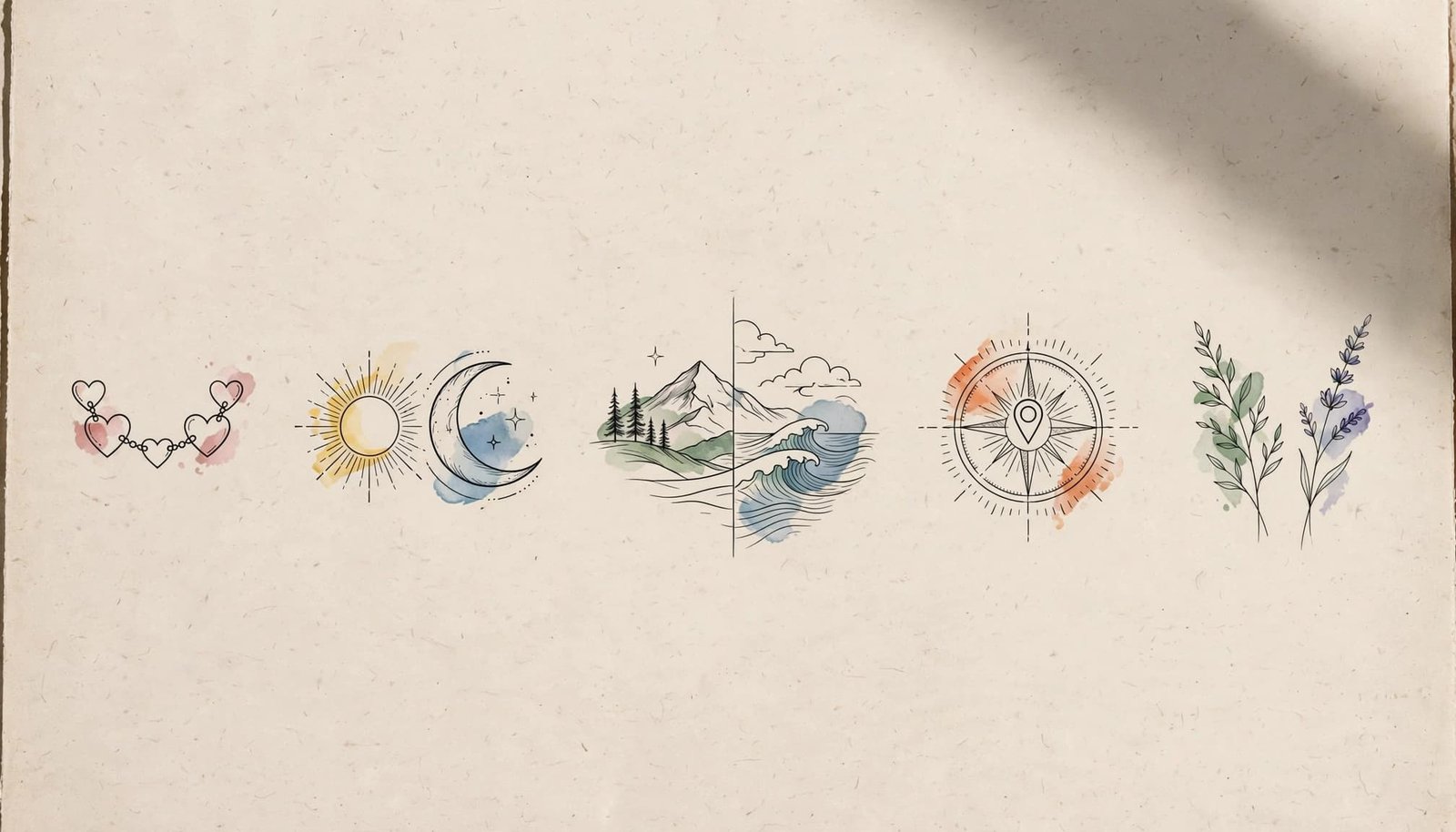
Familiar symbols become more personal when you adjust their scale, line style, or small details. Tiny linked hearts can include each friend’s initial, while matching infinity symbols might hold a small birth flower inside the loop. Puzzle pieces work best when each piece looks balanced by itself, rather than appearing unfinished without its partner.
A lock and key design can express trust, loyalty, and the feeling of being understood. It doesn’t have to suggest romance, especially when you use simple outlines, initials, or a shared color instead of ornate details. Friendship bracelets can become tattoos through two thin bands, small bead shapes, or linked lines around the wrist or ankle.
Keep very small designs simple. Fine-line hearts, initials, or flowers usually stay clearer than dense shading and tiny decorative patterns. For more inspiration, browse these meaningful matching tattoo ideas before discussing the final sketch with your artist.
Sun, moon, stars, and other celestial pairings
Celestial tattoos give you room to show how two different people remain connected. One friend might choose a sun and the other a moon, symbolizing balance between outgoing and reflective personalities. Matching constellations can represent shared dreams, especially when you use each friend’s birth constellation.
A compass paired with a star suggests direction, encouragement, and always helping each other find the way. Split moon phases can show two parts of one cycle, while tiny stars orbiting a shared planet can symbolize separate lives with common goals. You can personalize any of these ideas with a favorite planet, a meaningful color, or one small initial.
Keep paired tattoos close in scale, so one doesn’t overpower the other in photos. Constellation dots and fine connecting lines also need enough spacing to remain clear after healing. A tattoo artist can simplify the pattern without losing its identity.
Complementary tattoos that complete a picture together
A split landscape might place a mountain range on one friend’s arm and a sunrise on the other’s. Two halves of a flower can show one stem divided between you, while matching waves can reflect shared calm, travel memories, or a love of the ocean. Each tattoo should still look intentional alone.
A bird paired with an open cage can suggest freedom, support, or helping one another grow. You could also divide a favorite illustration, such as a book, movie symbol, or small animal, into two coordinated pieces. Test every concept side by side and individually before booking.
Avoid placing a split image where the pieces rarely line up, such as separate wrists that won’t meet naturally. Flexible designs work better because they remain attractive when friends stand apart. If you choose bird imagery, these matching bird tattoo designs offer useful placement ideas.
Words, dates, and coordinates with a private meaning
A shared word in matching fonts can capture an inside joke, family phrase, or value you both live by. Two halves of a short quote create a connection, but each half should still make sense alone. Meaningful dates can use small numerals for a birthday, graduation, first trip, or the day you met.
Coordinates are a subtle choice for a hometown, concert venue, school, or favorite vacation spot. Matching initials or handwritten signatures feel especially personal because they preserve the shape of your actual writing. Choose a simple font and avoid lettering so small that the lines blur together.
Before the appointment, check spelling, number order, coordinate formatting, punctuation, and the exact handwriting. Choose a phrase or location with lasting meaning, rather than a trend you may outgrow. If you prefer discreet placement, explore these small ankle tattoos for friends.
Small minimalist tattoos for a subtle matching look
Minimalist tattoos are a comfortable starting point for friends getting their first ink. Tiny arrows can point in the same direction, botanical stems can use different leaves, and paper airplanes can share a shape while flying at different angles. Simple colored dots or stars let you coordinate without copying the same tattoo exactly.
You might also choose small animal or nature symbols, such as a fox, butterfly, mountain, leaf, or wave. One friend could add a warm accent color while the other uses a cooler shade. The shared concept keeps the tattoos connected, while the details make them individual.
Very fine lines and tiny details may soften over time, so your artist should adjust the size for the chosen body area. Wear temporary versions first if you’re unsure about placement. Even without its matching partner, each tattoo should look attractive, balanced, and meaningful.
How to Choose a Best-Friend Tattoo You Will Still Love Years From Now
A lasting best-friend tattoo starts with a shared memory or value, not a design trend. Talk about the moment, place, phrase, or quality that still matters to both of you. Then test whether the idea works as a complete tattoo for each person, even when you are apart.
Before booking, compare several sketches at the actual size you might wear. A design that looks balanced on a phone screen can feel crowded on a wrist, finger, or ankle. Your artist should adjust the drawing to your body area and create an original sketch instead of copying another person’s tattoo.
Matching or complementary: which style fits your friendship?
Identical tattoos offer the clearest connection. The same symbol, size, placement, and color can feel simple and unified. However, identical designs leave less room for personal expression. If one friend later prefers a different style, placement, or level of visibility, that person may outgrow the choice more quickly.
Coordinated tattoos give you more flexibility. You might share a theme, shape, or color while changing the details to suit each personality. A bold black sun could pair with a delicate moon, or two flowers could use different petals. This matching but not matching approach works well when you want a visible connection without wearing the exact same image.
Designs that connect only when placed together create a stronger shared picture. Two halves of a landscape, a phrase split between friends, or interlocking shapes can feel meaningful during photos or reunions. The drawback is that each tattoo may look incomplete alone. Avoid this style if the design depends on your arms or hands lining up perfectly.
Ask yourselves:
- Would each person still wear the design alone?
- Does it fit both personalities and everyday clothing choices?
- Can the meaning survive changes in the friendship?
- Would either person feel comfortable changing or covering it later?
A tattoo should honor your history without requiring the friendship to stay exactly the same forever.
Choose the right size, style, and level of detail
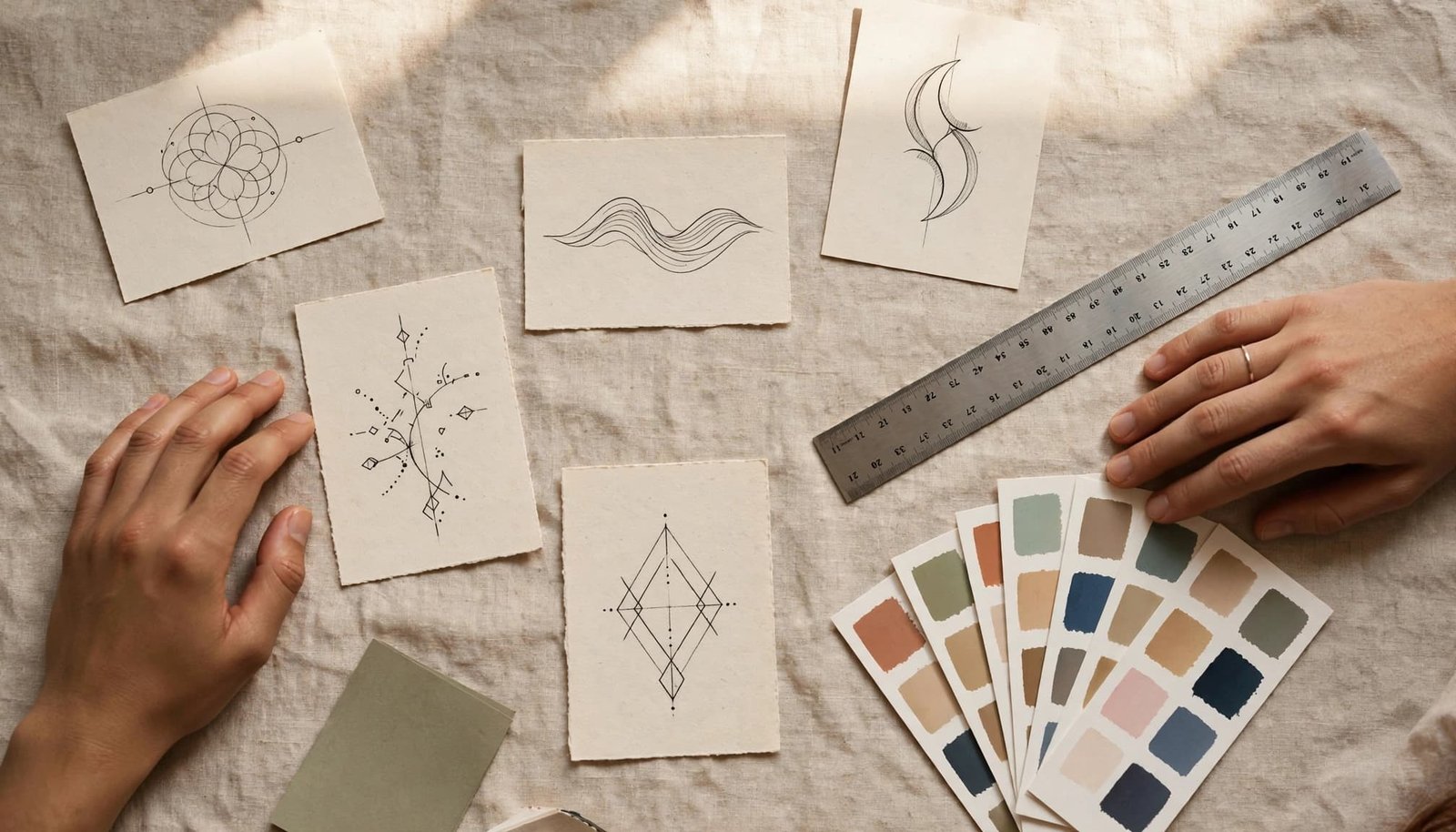
Fine-line tattoos feel light and understated, while blackwork uses solid black areas and stronger contrast. Watercolor-inspired designs can suggest brushstrokes and soft color changes, but they need an artist who understands that style. Traditional tattoos use bold outlines and recognizable shapes, whereas minimalist tattoos reduce an image to its most essential lines.
None of these styles suits every design or body area. Ask the artist to adapt line weight, spacing, and detail to the available skin. Lettering, dots, and small interior shapes need enough room to remain clear, especially on fingers and ankles. A slightly larger design may give both friends a cleaner result than a cramped miniature.
Compare black-and-gray and color versions, then agree on the practical details before the appointment:
- Choose a size that works for both bodies.
- Decide whether the tattoo should stay hidden or remain visible.
- Set the same budget expectations, including possible touch-ups.
- Discuss whether each person wants identical placement.
- Bring reference images, but request an original sketch made for you.
For placement ideas that suit smaller friendship designs, browse these small ankle tattoo ideas before making a final decision. The best choice is the one each friend can appreciate independently, years after the appointment.
Best Placements for Matching Tattoos, From Discreet to Visible
Placement affects more than how easily people see a matching tattoo. It also changes the design’s appearance, pain expectations, fading risk, aftercare routine, and suitability for work or school. Friends don’t have to choose the exact same body area, either. Different anatomy, clothing habits, and career plans may make separate placements the better choice.
Easy-to-see placements for a shared statement
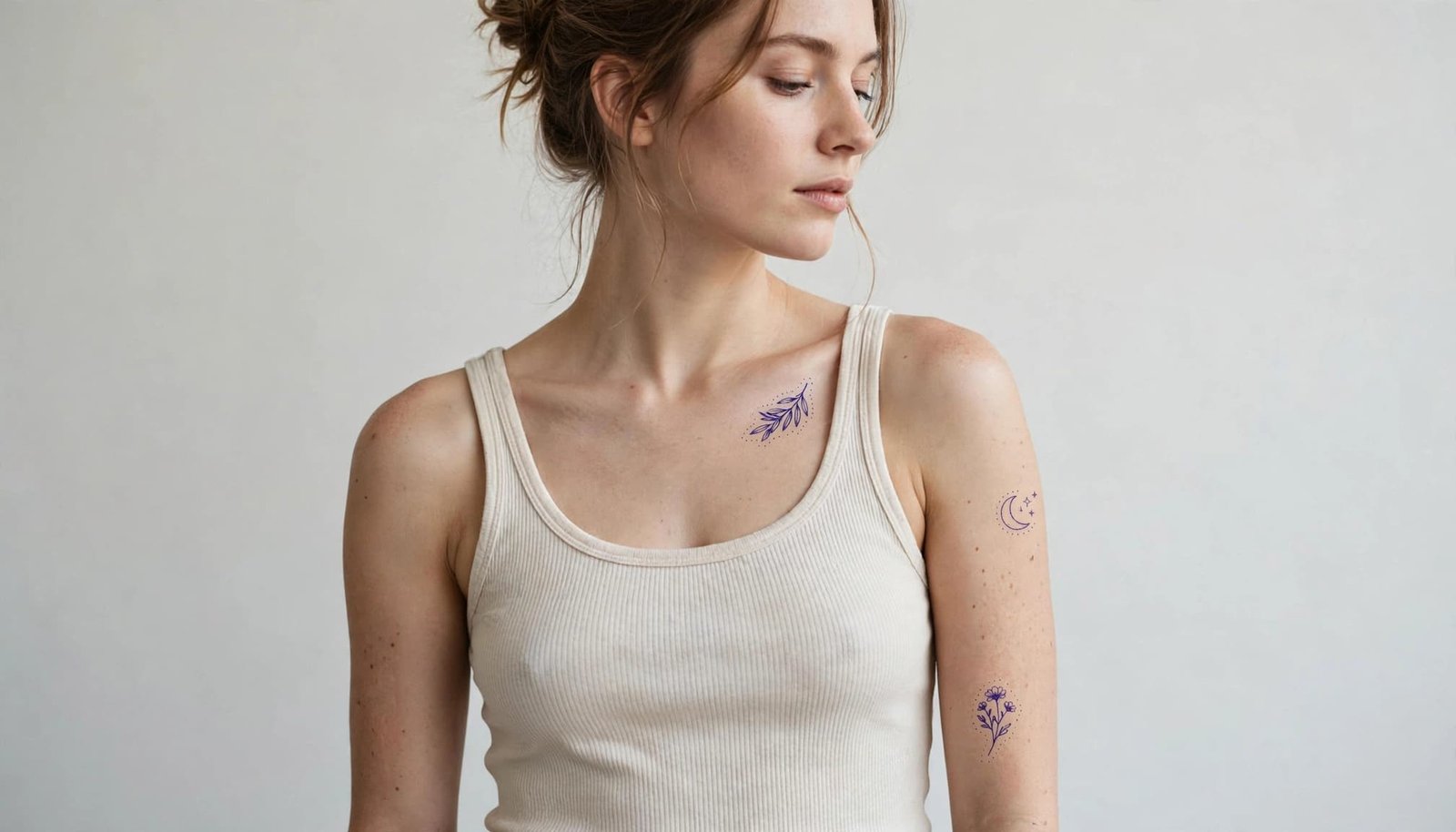
Forearms, inner wrists, upper arms, and collarbones work well when you want the tattoo to remain part of your everyday style. These areas provide enough space for symbols, short words, dates, and medium-sized designs without forcing the artwork into an awkward shape.
The inner wrist suits small hearts, initials, stars, and brief phrases. Forearms offer more room for botanical designs, coordinates, or a matching illustration. Upper arms give you flexibility because a sleeve or short-sleeved shirt can change how visible the tattoo feels. Collarbone tattoos create a delicate, horizontal look, especially with fine-line words or narrow symbols.
However, visibility comes with practical concerns. Wrists and forearms receive regular sun exposure, and ultraviolet light can fade healed ink. The American Academy of Dermatology recommends broad-spectrum, water-resistant SPF 30 or higher on healed tattoos, applied before outdoor exposure and reapplied regularly. Fresh tattoos should stay covered with clothing or shade until they heal. See these tattoo aftercare guidelines for basic healing care.
Visible ink may also conflict with workplace or school dress codes. Check those rules before choosing a prominent location, particularly if you have future plans in fields with conservative appearance standards.
Discreet placements for a more private meaning
Ribs, shoulder blades, hips, upper thighs, and the back of the ankle can keep matching tattoos mostly covered by ordinary clothing. That privacy may suit friends who want a personal reminder without displaying it every day. Clothing also reduces routine sun exposure, which can help preserve the tattoo’s appearance.
These areas vary in comfort and convenience. Ribs can feel more sensitive, while shoulder blades may be difficult to inspect during aftercare. Waistbands, bra straps, socks, and tight workout clothes can rub against healing skin, so loose clothing usually makes the first several days easier.
Hips provide room for small symbols or larger curved designs. Review these hip tattoo placement ideas before deciding where the artwork should sit, especially if jeans or leggings regularly press against the area. Upper thighs offer similar privacy and often make aftercare easier to monitor.
What to know before choosing fingers, hands, or feet
Finger, hand, and foot tattoos face frequent washing, movement, friction, and sun exposure. As a result, fading and touch-ups are more common than with ink placed under less-used, covered skin. These areas can still suit simple symbols, but choose an experienced artist and keep your expectations realistic.
Side-of-finger tattoos may soften quickly because the skin bends and rubs against nearby surfaces. Tiny lettering also needs caution because narrow lines can blur or lose readability over time. Detailed designs often require more space than fingers or feet can provide.
Feet may swell during healing, while shoes and socks can irritate a fresh ankle tattoo. Before booking, compare these ankle tattoo ideas with your daily footwear and activity level. A simple design, careful aftercare, and an artist familiar with small placements will give both friends a better chance of a clean result.
How to Find a Tattoo Artist and Plan the Appointment Together
Choosing the artist is as important as choosing the design. Start by finding someone whose portfolio matches the style, size, and placement you both want. Then plan the appointment together, so neither friend feels rushed or left out of the decision.
Review healed tattoo photos, not only fresh work. Healed images show how the artist’s lines, shading, and color settle after the skin recovers. Check whether they regularly create small tattoos, fine-line work, lettering, color pieces, or whichever style fits your idea. An artist with strong large-scale work may not be the right choice for a tiny matching symbol.
Confirm that the studio follows local health rules and maintains a clean workspace. In the United States, licensing requirements vary by location, so check your local health department’s guidance, such as these New York City tattoo safety requirements. During a visit, look for clean surfaces, fresh gloves, unopened needle packages, covered equipment, and proper sterilization practices.

Questions to ask before booking the tattoo
A reputable artist should welcome questions and explain the process without pressuring either of you to proceed. Schedule a consultation early enough to review sketches, compare sizes, and request changes before the appointment date.
Ask questions such as:
- How often do you create small tattoos in this style and placement?
- Can we see healed examples of similar work?
- What size do you recommend so the details remain clear?
- Will you use new, single-use needles and fresh ink caps?
- How long will each tattoo take, and can both tattoos fit into one session?
- Will we need separate appointments if the designs or placements differ?
- What is the estimated price for each tattoo?
- Is the shop minimum charged per person, per tattoo, or per appointment?
- How much is the deposit, and is it refundable?
- What happens if we cancel, arrive late, or need to reschedule?
- How do design changes affect the price or deposit?
- Are touch-ups included, and how long does the touch-up policy last?
- Which aftercare products and written instructions will you provide?
Both friends should speak up if the stencil looks too small, too detailed, or different from the agreed concept. Never accept a design simply because one person feels uncomfortable asking for a revision. A consultation is the right time to adjust line weight, spacing, color, placement, and scale.
Review each artist’s policies in writing before paying a deposit. Some studios limit rescheduling, charge a new deposit after major design changes, or exclude fingers, hands, and feet from free touch-ups. You can also compare practical booking questions in these matching tattoo planning ideas before finalizing your appointment.
How much matching tattoos may cost
There is no universal price for matching tattoos. Your quote may depend on the artist’s experience, location, shop minimum, design size, placement, color, detail, and session length. Two simple tattoos may fit one appointment, while different placements or longer stencil preparation may require separate bookings.
Request an individual quote for each friend, even when the designs look identical. Ask whether the price includes the consultation, stencil changes, aftercare products, and any scheduled touch-up. Also confirm whether the deposit applies to the final balance and what happens to it if one friend cancels.
A smaller tattoo does not always cost less. Many studios charge a minimum that covers setup, sterilization, supplies, and the artist’s time. Therefore, ask about the minimum before assuming a tiny design will have a tiny price.
Budget for a possible touch-up as well. Healing can affect each friend’s tattoo differently, and exposed or high-friction placements may need extra work. Once you know the full estimate, agree on the budget, appointment timing, design, size, placement, color, and any health concerns before booking. Each friend should also disclose allergies, skin conditions, medications, or medical issues that could affect healing.
Tattoo Safety and Aftercare for Both Friends
Fresh ink needs careful treatment from both friends, even when the tattoos are small. Follow the artist’s written instructions first because bandage types, adhesive films, ointments, and healing methods can vary. If the artist gives different timing for removing a covering or washing the tattoo, use those instructions unless a medical professional advises otherwise.
What to do during the first days of healing
Keep the bandage on for the exact amount of time your artist recommends. Don’t remove an adhesive film early, re-cover the tattoo with household plastic, or leave a dressing in place longer than instructed. When it’s time to uncover the tattoo, wash your hands thoroughly before touching the area.
Clean the tattoo gently with lukewarm water and mild, fragrance-free soap. Use your fingertips rather than a washcloth, loofah, or rough towel. Avoid directing a strong shower spray at the fresh ink. After rinsing, pat the area dry with a clean paper towel or soft, clean towel. Rubbing can irritate the skin and disturb the healing surface.
Apply only a thin layer of the recommended product. Too much ointment or moisturizer can trap moisture against the skin and leave the tattoo feeling overly wet. Use a fragrance-free product if your artist recommends one, and don’t share an open aftercare container between friends. Each person should have clean hands and their own product to reduce contamination.
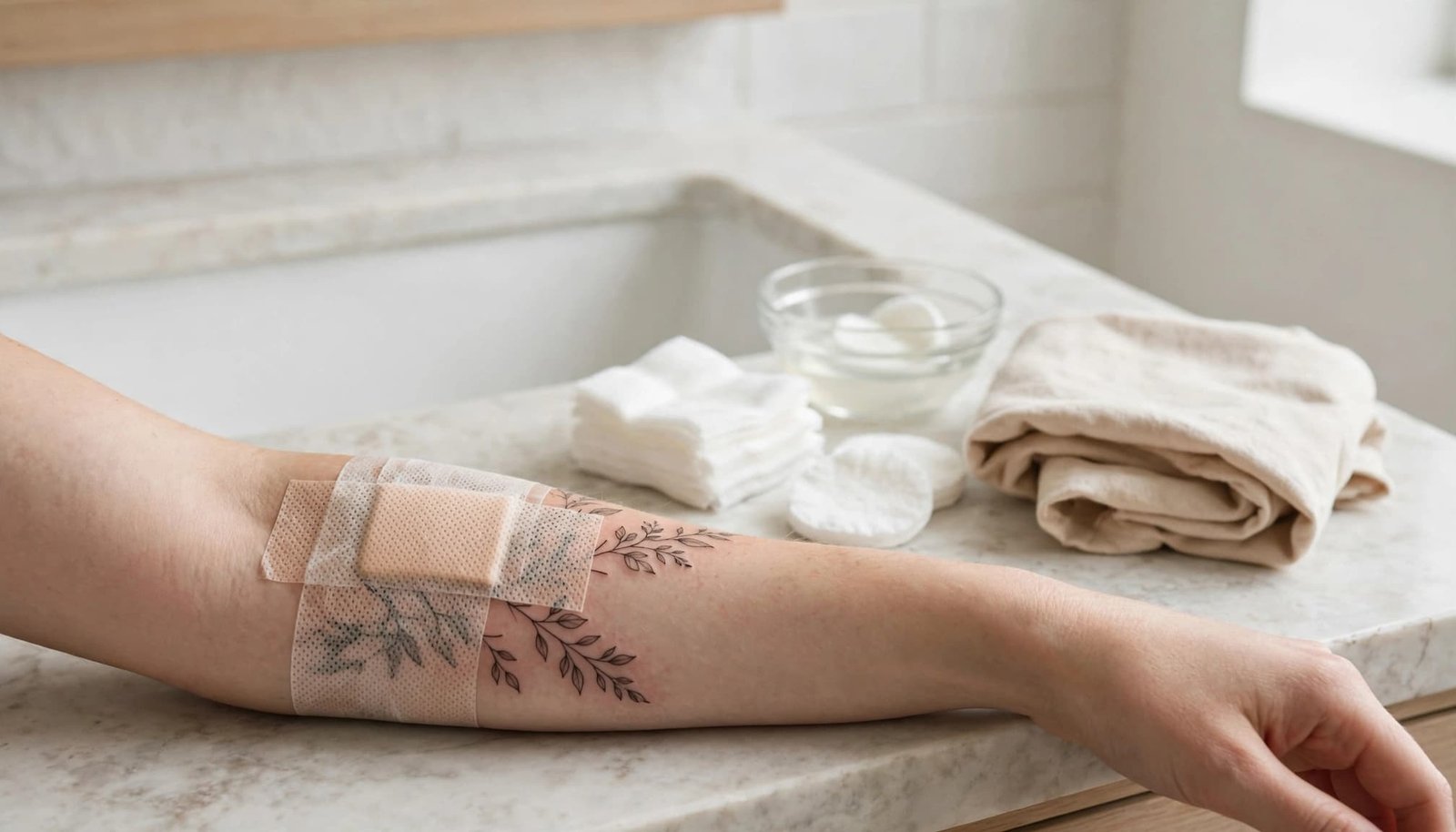
During the first days, choose loose, clean clothing that won’t stick to or rub against the tattoo. Avoid heavy friction from tight sleeves, waistbands, socks, shoes, workout equipment, or bedding. You should also avoid soaking the tattoo in a bath, pool, hot tub, lake, or ocean. Showers are usually easier to manage, but keep them brief and prevent unnecessary water exposure.
Mild redness, tenderness, peeling, itching, and small scabs can occur during normal healing. Don’t scratch, pick flakes, or pull away scabs, even when the skin feels irritating. These actions can remove pigment, slow healing, and increase the chance of irritation or scarring. Normal symptoms should gradually improve, not become more intense each day.
Sun protection, water, and long-term tattoo care
Fresh tattoos should stay out of direct sunlight while they heal. New ink leaves the skin vulnerable, and ultraviolet exposure can irritate the area and contribute to fading. Cover the tattoo with loose clothing or stay in the shade instead of applying sunscreen to skin that is open, peeling, or irritated.
Avoid swimming pools and hot tubs for roughly two to three weeks, or until the tattoo has fully healed. The same rule applies to lakes, rivers, oceans, and other water where soaking or contamination can occur. Healing time differs by tattoo size, placement, and individual skin, so wait if the surface still looks raw or continues to peel.
Once the skin has closed and no longer feels tender or irritated, apply a broad-spectrum, water-resistant SPF 30 or higher before outdoor exposure. Reapply at least every two hours, and sooner after swimming or heavy sweating. Finger, hand, foot, and wrist tattoos may need extra attention because frequent washing, movement, friction, and sunlight can shorten their polished appearance.
Watch for spreading redness, increasing heat, worsening swelling or pain, pus or other discharge, red streaks, or fever. These symptoms can point to infection or another reaction, so contact a medical professional promptly rather than trying to treat the problem with extra ointment.
Conclusion
The best matching tattoos for best friends combine personal meaning with a design each person would enjoy wearing alone. Whether you prefer a tiny minimalist symbol, a meaningful word, a celestial pair, or a split illustration, the strongest choice reflects your friendship without depending on perfect symmetry. You can also find more inspiration in these matching tattoo ideas for best friends before settling on a style.
Take time to compare sketches at the actual size and placement you want. Consider how visible the tattoo should be, whether the design will remain clear as it heals, and whether both friends feel comfortable with the commitment. A qualified artist can adjust the line weight, spacing, and detail to suit each person while keeping the tattoos connected.
Most importantly, plan the appointment and aftercare together. Choose a clean, reputable studio, follow the artist’s written instructions, and wait until both of you fully agree on the design, placement, and timing. A meaningful best-friend tattoo should celebrate your shared history while still feeling right for each of you on your own.
Save the pin for later


- 60 Color Tattoos That Healed Beautifully - 25/09/2026
- 40 Most Painful Tattoo Spots - 24/09/2026
- 20 Tattoo Aftercare Mistakes That Ruin Fresh Ink - 23/09/2026

