Losing someone you love can leave you searching for a way to keep their memory close, and a memorial tattoo can hold that connection in a personal, lasting form. It might preserve their name, handwriting, an important date, a familiar symbol, or a small piece of the story you shared.
The right design should begin with meaning, not a tattoo trend. These 30 ideas include text-based tributes, nature symbols, portraits, pet memorials, faith-inspired designs, and subtle reminders that keep a private memory near you; you may also find inspiration in these meaningful tribute tattoo ideas for women.
Before choosing fine-line script, realism, color, or black ink, decide what you want the tattoo to say and how visible you want it to be. Then consider the style, size, detail, and placement that best protect its meaning and readability. Begin with these memorial tattoo ideas to find a tribute that feels true to your relationship.
30 Meaningful Memorial Tattoo Ideas to Honor Someone You Love
A meaningful memorial tattoo can preserve a name, symbol, sound, or shared memory. Combine two or three elements, such as a name with a flower or handwriting with a date, to create a tribute that feels personal.
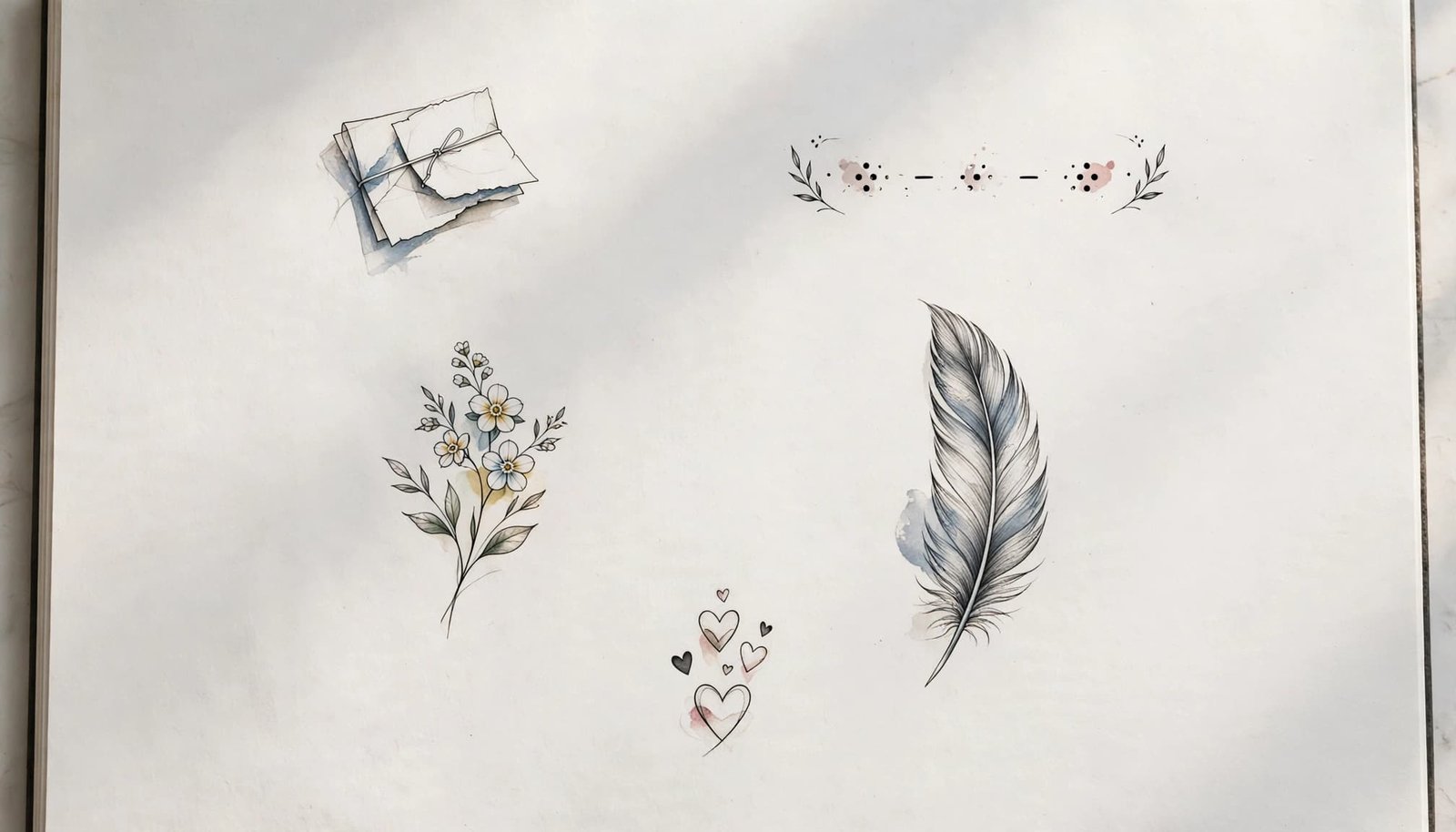
Names, Dates, and Handwriting That Keep Their Story Close
Text tattoos need careful preparation. Confirm every spelling, compare dates with family records, and ask your artist to show the stencil at its final size. Simple fonts, open spacing, and short wording usually remain readable longer than ornate script. For more lettering inspiration, browse these watercolor memorial tattoo designs.
- A loved one’s name in a clean, simple font keeps the tribute direct.
- Initials create a discreet design for wrists, ribs, ankles, or behind the ear.
- Birth and passing dates document a life story in a compact format.
- Roman numeral dates add visual structure while keeping the tribute understated.
- A handwritten signature preserves a familiar detail that feels unmistakably theirs.
- A handwritten note excerpt can use a few words from a card or letter.
- A meaningful quote should stay short enough to age clearly and comfortably.
- A nickname can honor the name used by family or close friends.
- A recorded-message sound wave can preserve the visual pattern of their voice.
- A small memorial plaque or label can resemble a keepsake without copying excessive detail.
Before your appointment, check capitalization, punctuation, handwriting, date order, and Roman numeral accuracy. Place long quotes on the skin temporarily, then view them from arm’s length. Small lettering can blur as ink spreads, so choose readability over elaborate detail.
Flowers, Animals, and Nature Symbols With Personal Meaning
Nature designs can hold meaning without stating it openly. Color, line style, and one small detail can connect a familiar symbol to a specific memory.
- Their favorite flower recalls a preference, garden, bouquet, or shared occasion.
- A birth flower connects the tribute to their birth month.
- A rose with a name or date combines love, remembrance, and personal text.
- A favorite tree or leaf can recall a yard, vacation spot, or family tradition.
- A bird may express freedom or your personal sense of their spirit.
- A feather offers a light, subtle tribute with room for initials or dates.
- A butterfly can honor change, memory, recovery, or a cherished personality.
- A paw print remembers a pet through their actual paw shape or name.
- A favorite animal can capture an interest, nickname, or shared story.
- A meaningful landscape can show a home, shoreline, mountain, or special destination.
Simple shapes often work better than crowded designs, especially on small placements. Use one distinctive color, a recognizable leaf, or a tiny landscape feature instead of adding every possible detail. You can also find more personalized butterfly memorial designs for symbolic inspiration.
Portraits, Religious Symbols, and Quiet Remembrance Designs
The most personal design isn’t universal. Choose imagery that reflects your relationship, faith, and comfort with visibility. Portraits require a tattooer with strong portrait work and a clear, well-lit reference photo.
- A realistic portrait preserves recognizable features, but needs enough space for accurate detail.
- A minimalist profile offers a softer tribute using one clean facial outline.
- Angel wings can symbolize protection, faith, or the person’s peaceful memory.
- A halo adds a small spiritual detail around a name, portrait, or initial.
- A cross or faith symbol can pair naturally with a date, flower, or verse.
- A rosary creates a devotional tribute with beads sized for lasting clarity.
- A clock set to a meaningful time recalls a birth, meeting, or final goodbye.
- An infinity symbol expresses an enduring bond without requiring much text.
- A semicolon can honor suicide loss, mental-health awareness, or personal survival. Project Semicolon popularized it as a symbol of a story that continues, so choose it only if that meaning reflects your experience.
- A small heart over the chest or near a name keeps love at the center of the design.
For faith-focused inspiration, compare these memorial cross tattoo ideas before choosing a symbol, placement, and level of detail.
How to Choose a Memorial Tattoo That Feels Personal
Choosing a memorial tattoo takes more than picking a beautiful design. Start with the relationship itself, then let the imagery, placement, and style grow from that memory. A tribute feels personal when it reminds you of a real person, not just a familiar tattoo symbol.
Turn Personal Memories Into a Clear Design
Write down three things connected to your loved one. These might include a favorite object, a saying, a place, a habit, or a trait you still remember clearly. Then choose one or two that continue to feel meaningful after you set the list aside for a few days.
You can choose a literal design, such as their name, handwriting, portrait, or a date. These options identify the person directly and may feel right when you want the tribute to be immediately recognizable. A symbolic design communicates the connection more quietly. A flower, bird, landscape, or meaningful object can hold a full memory without spelling it out.
For example, a bird may recall someone who loved watching wildlife, while a shoreline may connect to a place you visited together. Browse these memorial bird tattoo ideas if a nature symbol feels more personal than text.
Match the Design to Your Daily Life
Decide whether you want the tattoo to be public, private, or easy to see every day. A forearm or outer upper arm keeps the tribute visible during ordinary routines. Ribs, shoulder blades, thighs, and the upper back offer more privacy, especially if the design includes a personal message.
Size also affects both meaning and longevity. Fine lines and tiny details can look delicate, but they may blur as ink spreads and skin changes. Give portraits, landscapes, long handwriting, and detailed flowers enough room to remain readable. If you have deeper skin, ask your artist how contrast, line weight, and color choices will affect the healed design. A tattooer experienced with your skin tone can recommend the right scale and palette.
Leave room for future additions if you may later add another date, symbol, or family member. A crowded design can become difficult to balance, while thoughtful spacing gives the tribute room to grow. Protect exposed tattoos from the sun, since ultraviolet light can fade ink over time, according to the American Academy of Dermatology’s tattoo care guidance.
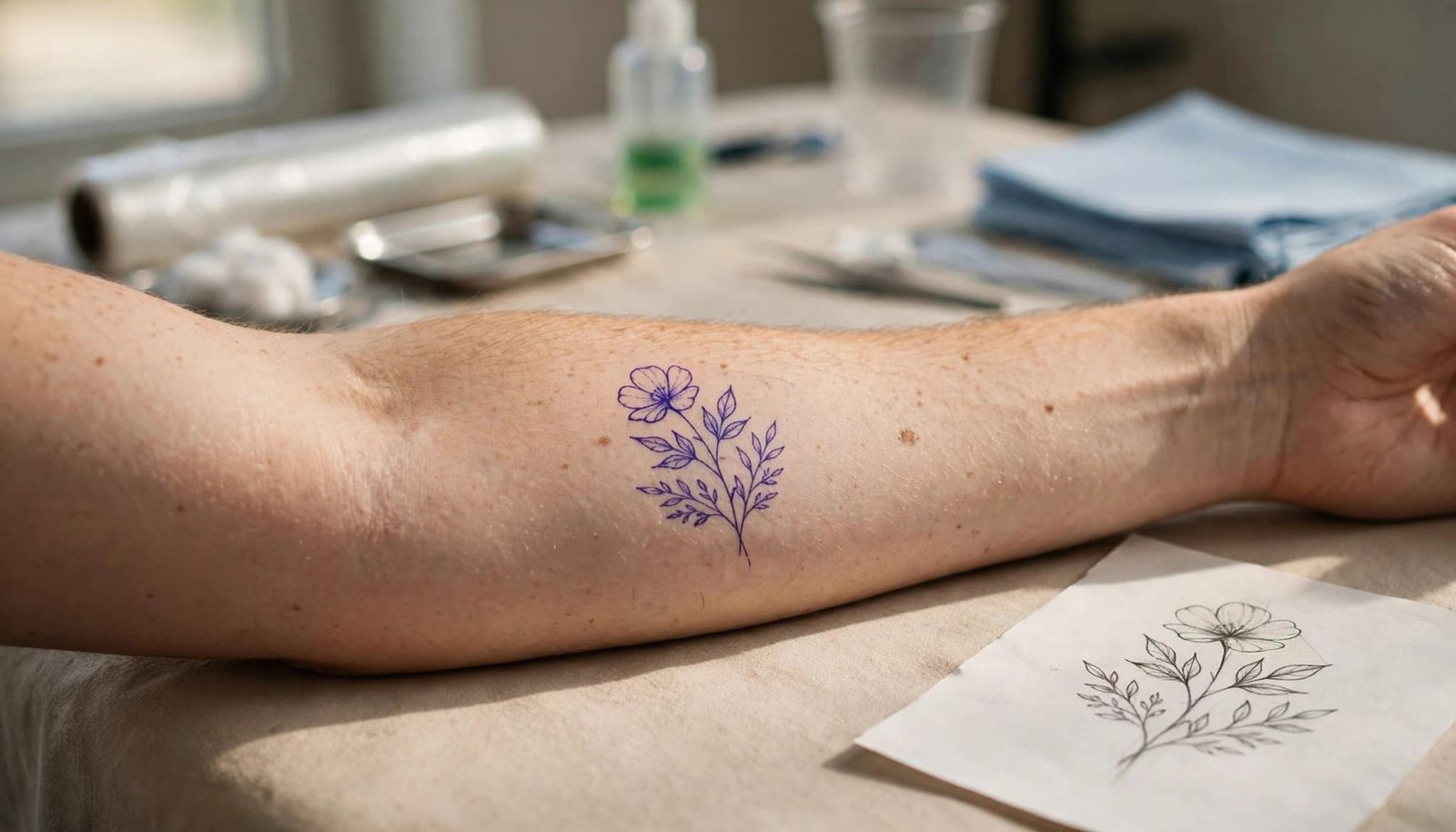
Review the Stencil Before You Commit
Ask your tattoo artist for a stencil or digital mockup before the appointment. Check the spelling, size, orientation, and spacing. Then view the stencil while standing, sitting, and moving the nearby joint. A design that looks balanced on paper may sit differently on a curved arm or shoulder.
Take a photo from the front and side, then live with the design for several days if your artist allows it. That pause gives you time to notice whether the placement feels natural and whether the tribute still feels right. Once the design reflects your memory, your comfort, and your plans for the future, you can move forward with greater confidence.
The Best Memorial Tattoo Placements for Privacy, Visibility, and Comfort
Placement affects how often you see your memorial tattoo, who else can see it, and how comfortably it heals. Consider your workplace, clothing, daily routines, pain tolerance, and how your body may change before you choose a location.
Best Placements for a Visible Daily Reminder
The wrist and inner forearm make meaningful memorial tattoos easy to see throughout the day. Names, initials, dates, small flowers, handwriting, and heartbeat lines fit these areas well. The inner forearm offers slightly more privacy than the wrist and provides a flatter surface for readable lettering.
The upper arm is another practical choice. You can show the tattoo with short sleeves, yet cover it with a shirt or jacket when needed. It also has more room than the wrist, which helps if your design includes a portrait, flower, or several connected details.
The back of the neck keeps a tribute visible with short hair or open collars, while longer hair and high-neck clothing can conceal it. Because the neck receives regular sun exposure, use broad-spectrum, water-resistant SPF 30 or higher after the tattoo heals.
Private Placements for an Intimate Tribute
For a personal message, the chest over the heart offers strong emotional meaning and easy coverage. The collarbone can hold a short name, date, or small symbol, although straps and shirt collars may rub against a fresh tattoo during healing.
The ribs, inner bicep, and upper thigh provide more privacy. These areas work well for handwriting, longer quotes, and symbols you want to keep for yourself. However, ribs can be more painful because the skin sits close to bone and moves as you breathe. Clothing may also cause discomfort while the tattoo heals.
Review how different tattoo placements feel before booking a sensitive area. Your artist can also suggest a position that avoids constant friction from waistbands, bras, or tight sleeves.
Larger Placements for Portraits and Scenes
Portraits, landscapes, wings, and detailed floral scenes need enough space to remain clear. The shoulder blade, back, thigh, and upper arm give your artist more room to build accurate proportions and shading. These locations also allow many designs to stay covered at work.
Hands and fingers may seem ideal for small tributes, but frequent washing, friction, movement, and sun exposure can cause faster fading or blurred details. Choose them only after discussing likely touch-ups with an experienced artist. Finally, check the design while standing and sitting, especially on the chest, upper thigh, and areas that may change with weight, muscle, pregnancy, or age.
How to Find a Tattoo Artist for a Memorial Design
Choosing the right tattoo artist protects both the quality of the design and the meaning behind it. Look for someone whose portfolio matches your tribute, then use the consultation to discuss details, safety, healing, and future touch-ups.

Review the Artist’s Portfolio and Safety Practices
Start with the artist’s portfolio, but don’t stop at their most attractive photos. Look for healed examples in the exact style you want, especially if your design includes a portrait, fine-line text, realism, handwriting, or a small symbolic tattoo. Ask whether the portfolio includes work on different skin tones and similar body placements.
A skilled portrait artist may not specialize in delicate lettering, and someone known for bold traditional work may not be the right choice for a tiny memorial symbol. You can also compare different tattoo artist styles before deciding which portfolio fits your idea.
During your studio visit, ask:
- Whether the artist uses new, sealed, single-use needles for every client.
- Whether they open disposable ink caps and fresh barriers before the appointment.
- How reusable equipment is cleaned and sterilized in an autoclave.
- Whether the studio displays current licenses and follows local inspection rules.
- How the artist disposes of used needles in a puncture-resistant sharps container.
State and local requirements vary, but Florida’s tattoo safety guidance confirms that sterile, single-use needles and written aftercare instructions are basic safety expectations.
Use the Consultation to Check the Details
A consultation gives you time to review reference photos, handwriting samples, font size, placement, color, and the amount of detail the skin can hold. Ask the artist to explain how the design may change during healing, especially if it uses fine lines, pale colors, or small text.
Discuss the estimated price, session length, deposit, and whether the tattoo requires more than one appointment. Ask how touch-ups work, when they can happen after healing, and whether minor corrections are included.
The lowest price should not decide who tattoos a permanent memorial. Take your time, ask for written aftercare instructions, and choose the artist who communicates clearly and shows consistent healed work.
Memorial Tattoo Aftercare and Healing Tips
A new memorial tattoo needs gentle care while the skin repairs itself. Healing often takes about two to four weeks, depending on the tattoo’s size, detail, placement, and your skin. Follow your artist’s written instructions first, since bandages and recommended products can vary.
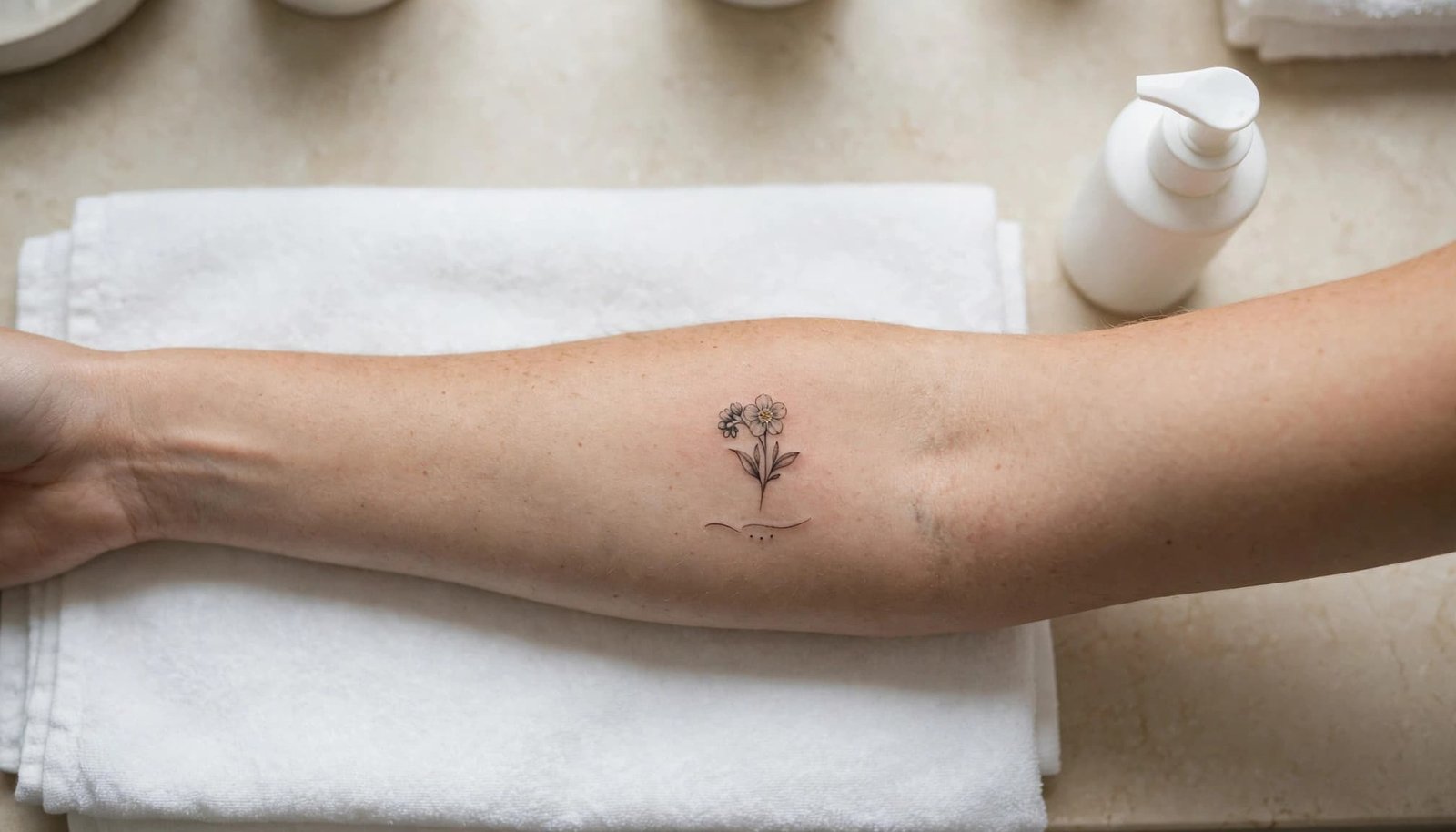
How to Care for a Fresh Tattoo
Before touching the tattoo, wash your hands with soap and water. Gently clean the area with warm water and mild, fragrance-free soap. Avoid scrubbing and don’t aim a strong shower stream directly at the skin.
Pat the tattoo dry with a clean towel or disposable paper towel. Once the area is dry, apply only a thin layer of the simple moisturizer or ointment recommended by your artist. Too much product can keep the skin overly moist and cause irritation. Mild tenderness, itching, peeling, and light scabbing can occur during normal healing.
Never pick, scratch, exfoliate, or pull away flakes or scabs. Let the skin shed naturally, even when itching makes that difficult. Wear loose clothing that won’t rub against the tattoo or trap moisture.
Water and Sun Exposure During Healing
Keep the tattoo out of pools, hot tubs, baths, oceans, lakes, and other standing or unclean water until it has healed. A brief shower is generally safer than soaking, but follow your artist’s specific instructions. The Mayo Clinic’s tattoo safety guidance also advises avoiding swimming while a tattoo heals.
After the skin has fully healed, protect the ink with broad-spectrum, water-resistant SPF 30 or higher. Sunscreen helps reduce fading, especially on exposed areas such as the forearm, wrist, shoulder, and neck. Until healing is complete, use loose clothing and shade instead, unless your artist gives different instructions.
When to Contact a Healthcare Professional
Normal redness and soreness should gradually improve. Contact a healthcare professional if you notice:
- Redness that spreads or becomes darker.
- Severe swelling, increasing pain, or unusual warmth.
- Pus, open sores, or red streaks extending from the tattoo.
- Fever, chills, or swollen glands.
These symptoms can indicate an infection. Review the warning signs of tattoo infection, and don’t try to treat serious symptoms by changing aftercare products alone.
Conclusion
The most meaningful memorial tattoo isn’t always the largest, most detailed, or most visible design. Whether you choose handwriting, a flower, a paw print, a portrait, or memorial heart tattoo ideas, the strongest tribute is one that reflects a real connection and feels right to carry forward.
Choose a personal symbol, keep the design readable, select a suitable placement, and work with a skilled artist. Careful aftercare will also help protect the tattoo as it heals and ages.
Take your time before booking the appointment. Bring meaningful references to your consultation, verify every name and date, and choose a design that honors your own relationship with the person or pet you remember. That personal connection will give the tattoo its lasting meaning.
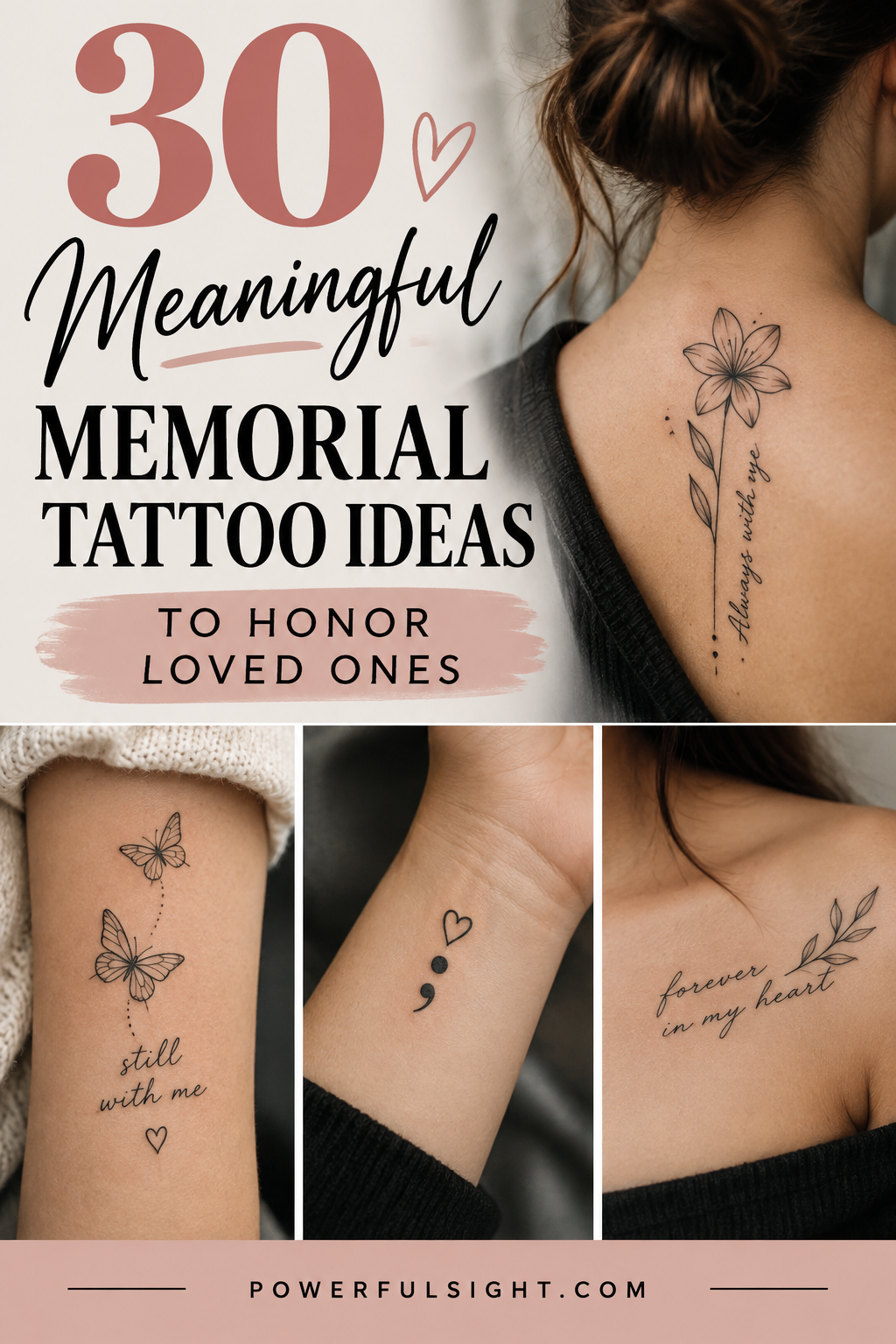
Save the pin for later

- 60 Color Tattoos That Healed Beautifully - 25/09/2026
- 40 Most Painful Tattoo Spots - 24/09/2026
- 20 Tattoo Aftercare Mistakes That Ruin Fresh Ink - 23/09/2026

