You may be looking for steadier energy, easier digestion, a more stable mood, better menstrual health, or support through hormone-related changes. Food can help, but no single ingredient can “balance” your hormones on its own.
A nutrient-rich eating pattern can support blood sugar control, gut health, a healthy inflammatory response, and your overall well-being. That makes everyday choices more useful than chasing one miracle food, especially when meals include enough fiber, protein, and healthy fats. For more ideas, explore these hormone-balancing foods for women.
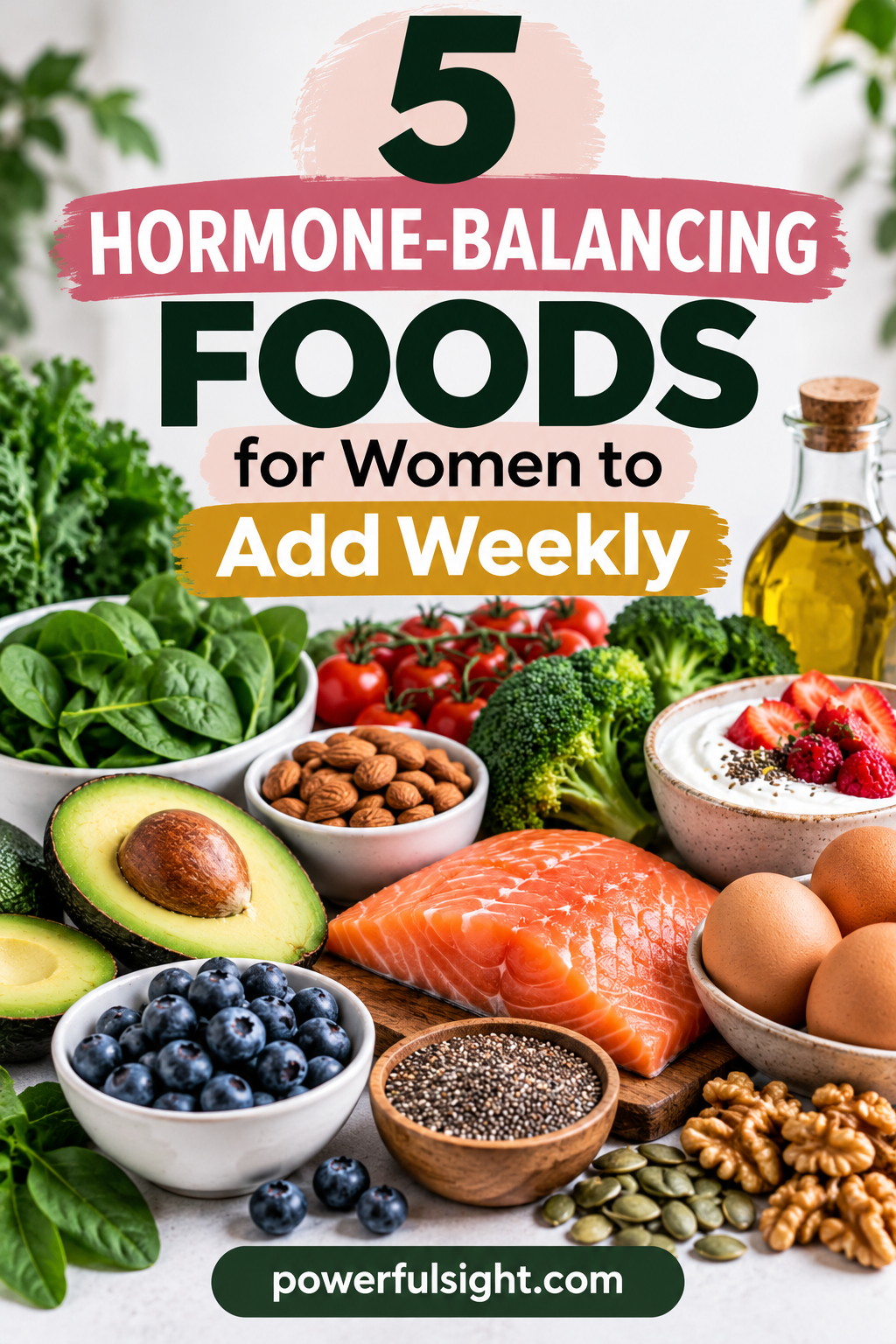
The five food groups in this guide are fatty fish, flax and chia seeds, cruciferous vegetables, high-fiber foods, and healthy fats. Next, you’ll see how to add each one to your week in simple, practical ways.
Key Takeaways
- Add fatty fish, such as salmon or sardines, a couple of times weekly for omega-3 fats.
- Include flax, chia, broccoli, kale, beans, lentils, and whole grains to increase fiber and plant nutrients.
- Choose healthy fats from avocados, walnuts, seeds, and plant oils instead of relying on solid fats.
- Pair fiber-rich carbohydrates with protein and fat to support steadier energy and appetite.
- For more guidance, review these perimenopause foods for hormone balance and research on flaxseed’s nutritional benefits.
What Hormone-Balancing Foods for Women Can Really Do
Hormones respond to much more than food. Sleep, stress, movement, body composition, medications, life stage, and medical conditions can all affect how you feel and how your hormones function.
Food still matters, but its role is more supportive than magical. Protein, fiber, omega-3 fats, vitamins, and minerals help your body maintain steady energy and normal hormone processes. Fiber-rich meals may support digestion and blood sugar control, while protein and healthy fats can improve satiety. Omega-3 fats and plant compounds may also support a healthy inflammatory response.
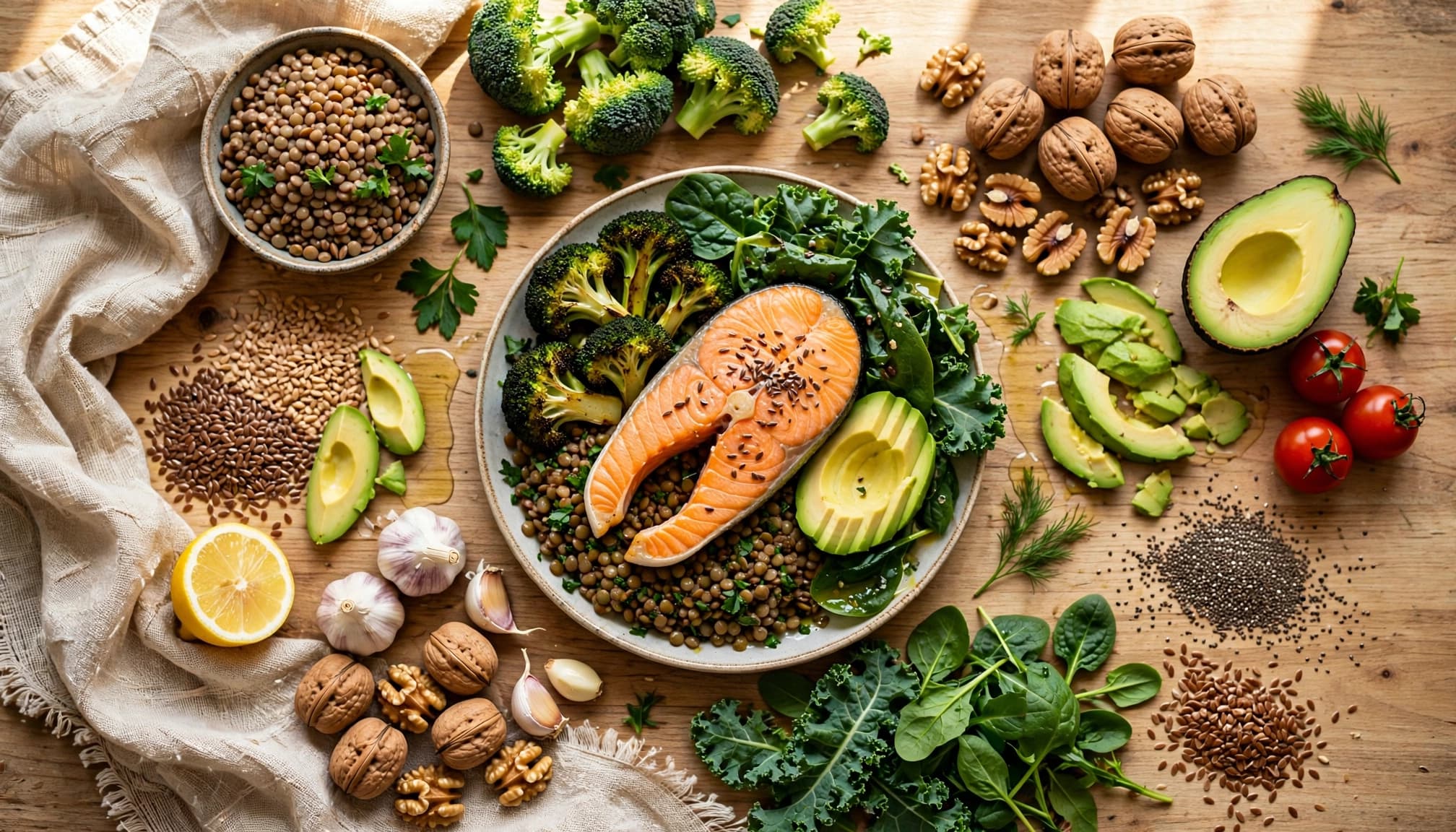
Food supports hormone health indirectly
Insulin is one important connection. When meals contain fiber, protein, and minimally processed carbohydrates, your blood sugar may rise more gradually. Better blood sugar regulation can support insulin sensitivity, which matters for metabolic and reproductive health, especially for women with insulin resistance or PCOS.
Your digestive system also plays a role. Beans, lentils, whole grains, fruits, vegetables, flaxseed, and chia provide fiber that gut bacteria can ferment into short-chain fatty acids. These compounds support the gut lining and may help regulate inflammation.
Regular meals can also make hunger and energy easier to manage. However, food can’t correct every hormonal problem. Persistent symptoms deserve more than dietary experimentation.
Why the overall eating pattern matters
The strongest evidence supports a Mediterranean-style eating pattern, rather than one “magic” food. This approach emphasizes vegetables, fruit, legumes, whole grains, fish, nuts, seeds, olive oil, and other minimally processed foods. Research links this pattern with better metabolic markers and lower inflammation, although direct effects on specific hormones vary.
For practical ideas, compare these foods that may help lower stress hormones with your current meals. Sleep matters, too, particularly when cycle changes or perimenopause affect rest. You can read more about women’s sleep needs and hormones.
Seek medical guidance for persistent irregular periods, severe PMS, fertility concerns, sudden acne or hair changes, hot flashes, very heavy bleeding, or new pelvic pain. A qualified health professional can check for conditions such as PCOS, thyroid disorders, endometriosis, or other causes.
The Best Hormone-Balancing Foods for Women to Add to Everyday Meals
These foods support nutrition, digestion, blood sugar, and inflammation. However, no single ingredient can reset estrogen, raise progesterone, or treat PMS, PCOS, or perimenopause.
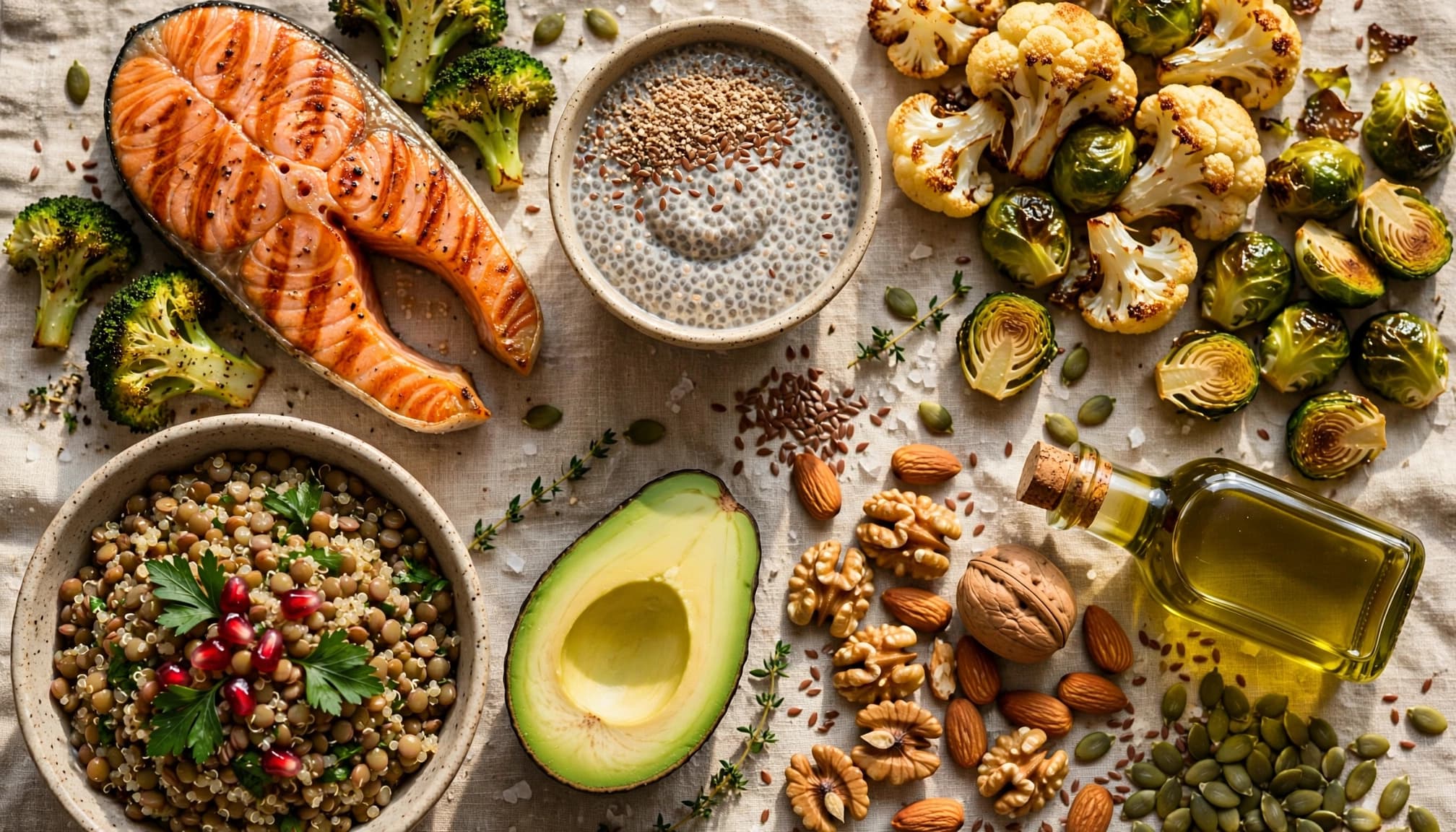
Fatty fish supports omega-3 intake and steady, satisfying meals
Salmon, sardines, trout, and mackerel provide omega-3 fats, protein, vitamin D, and selenium. Omega-3s may support a healthy inflammatory response, while protein helps you feel full and may support steadier blood sugar.
Try salmon with broccoli, sardines on whole-grain toast, or a fish and quinoa bowl. Aim for fish two to three times weekly if it suits your diet. Choose lower-mercury options, and follow the FDA’s fish safety guidance, especially during pregnancy or when trying to conceive. Tuna can fit, but choose recommended types and portions. Fish supports a healthy eating pattern, not guaranteed treatment for hormone conditions.
Flaxseed and chia seeds add fiber, plant omega-3s, and useful minerals
Ground flaxseed and chia both provide fiber and alpha-linolenic acid, a plant-based omega-3. Flax also contains lignans, while chia offers magnesium and manganese. Fiber supports regular bowel movements, fullness, and steadier blood sugar. Researchers are studying flax lignans and estrogen metabolism, but seed cycling has not been proven to balance hormones.
Add one tablespoon of ground flax to oatmeal or yogurt, make chia pudding, or blend either seed into a smoothie. Ground flax is usually easier to digest than whole flax. Increase fiber slowly, drink enough fluid, and ask a clinician about interactions if you take blood thinners or have a digestive condition.
Cruciferous vegetables provide fiber and protective plant compounds
Broccoli, cauliflower, Brussels sprouts, cabbage, and kale provide fiber, folate, vitamins C and K, potassium, and glucosinolate-related compounds. They support overall nutrition and digestion, but broccoli does not directly reset estrogen or “detox” hormones.
Roast cauliflower, steam broccoli with salmon, prepare cabbage slaw, or add vegetables to a stir-fry. Normal portions are generally suitable in a varied diet. If you have thyroid disease, low iodine intake, or concern about eating very large amounts raw, ask a health professional and choose cooked versions more often.
High-fiber foods help support blood sugar and digestive health
Oats, lentils, beans, chickpeas, quinoa, berries, and apples provide soluble and insoluble fiber, plant protein, B vitamins, magnesium, potassium, and polyphenols. Fiber supports fullness, bowel regularity, and blood sugar control, which may support hormone health indirectly. Many adult women need about 25 to 30 grams daily, though needs vary.
Try overnight oats with berries and flax, lentil soup, a chickpea quinoa bowl, or an apple with nut butter. Increase fiber gradually and drink water. IBS, food intolerances, and low-FODMAP diets may require personalized choices.
Healthy fats make meals more satisfying and nutrient-dense
Avocado, extra-virgin olive oil, walnuts, almonds, pumpkin seeds, and other nuts provide monounsaturated fats, plant omega-3s, vitamin E, and magnesium. Dietary fat helps absorb fat-soluble vitamins and makes meals more satisfying when paired with protein and fiber. It does not directly raise or repair hormones.
Use olive oil dressing, add avocado to whole-grain toast, pair walnuts with fruit, or sprinkle seeds over soup. These foods are calorie-dense, so portions should match your needs. Choose minimally processed options, and check added sugar, sodium, and allergens in packaged products.
How to Build a Hormone-Supportive Plate With These Foods
Combining foods makes meals more satisfying than eating one “hormone-balancing” ingredient alone. A simple plate formula can help you include protein, fiber, colorful plants, and healthy fat without turning every meal into a nutrition project.
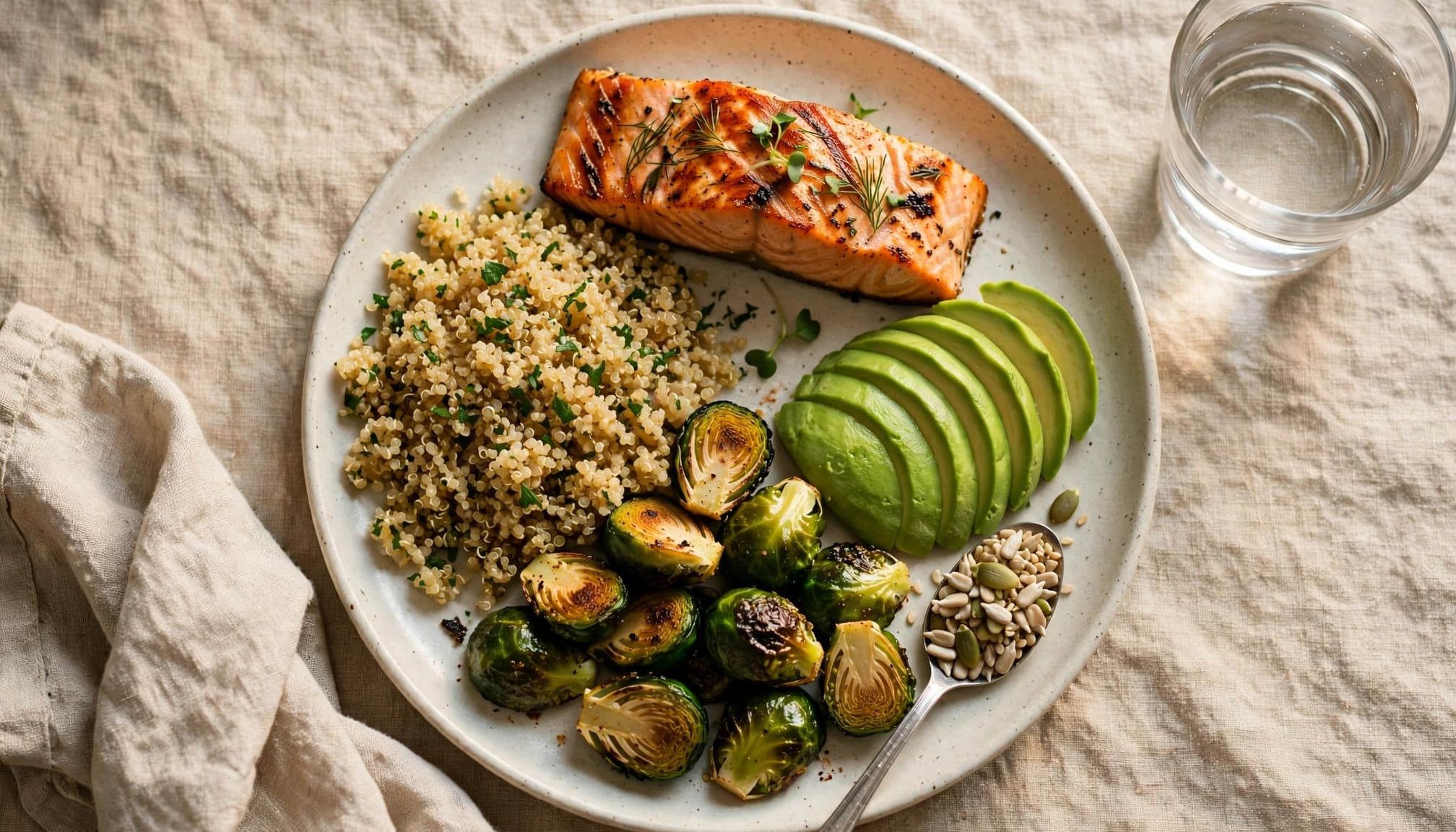
Use a simple four-part formula
Build most meals with these components:
- Protein: Choose salmon, eggs, Greek yogurt, tofu, lentils, beans, chicken, or sardines.
- High-fiber carbohydrate: Add quinoa, oats, brown rice, beans, lentils, potatoes, fruit, or another whole grain.
- Vegetable or fruit: Fill a generous portion with leafy greens, broccoli, Brussels sprouts, berries, apples, or other produce.
- Healthy fat: Add olive oil, avocado, walnuts, chia seeds, ground flaxseed, or pumpkin seeds.
This structure resembles the balanced eating pattern described in the 2025-2030 Dietary Guidelines. It also gives you flexibility. You can adjust portions based on your hunger, activity level, health needs, and preferences.
For example, a balanced dinner could include salmon, roasted Brussels sprouts, quinoa, and avocado. A vegetarian lunch might pair lentils and kale with olive oil dressing and a slice of gluten-free whole-grain toast. For breakfast, try Greek yogurt with berries, chia seeds, and walnuts.
Create routines you can repeat
Routines reduce the need to make a fresh decision at every meal. At breakfast, combine protein and fiber with oats, berries, and Greek yogurt, or choose eggs with whole-grain toast and fruit. For lunch, prepare a lentil and kale salad, a chickpea bowl, or leftover salmon with quinoa and vegetables.
Dinner can follow the same formula with minimal effort. Add frozen vegetables to brown rice and tofu, or serve canned sardines with whole-grain crackers, greens, and avocado. For snacks, pair foods instead of eating carbohydrates alone. An apple with nut butter, carrots with hummus, or berries with yogurt can provide more staying power.
You can find more balanced meals for steady energy when you need additional combinations.
Your meals don’t need to be perfect. Use beans, lentils, tofu, rice, frozen produce, canned fish, and seasonal foods to keep costs manageable. Dairy-free readers can choose fortified soy yogurt, while gluten-free readers can use quinoa, potatoes, certified gluten-free oats, or rice. The goal is a flexible pattern you can repeat most weeks, not a rigid menu.
Foods and Habits to Limit When Supporting Hormone Health
Supporting hormone health doesn’t require a strict “hormone reset” or an all-or-nothing diet. Instead, look for repeated patterns that affect blood sugar, appetite, sleep, or inflammation, then make practical changes you can maintain.
Cut back on foods that make meals less balanced
Frequent ultra-processed foods, sugary drinks, and refined carbohydrates can make blood sugar harder to manage for some people. Foods such as soda, sweetened coffee drinks, candy, pastries, and white-bread meals often provide quick energy with little protein or fiber. That combination may leave you hungry again soon after eating.
Refined carbohydrates aren’t forbidden, and an occasional dessert can fit into a healthy eating pattern. The bigger concern is relying on them throughout the day. Pair carbohydrates with protein, fiber, or healthy fat to make meals more satisfying. You can also use these ways to keep blood sugar steady when planning meals.
Try simple swaps:
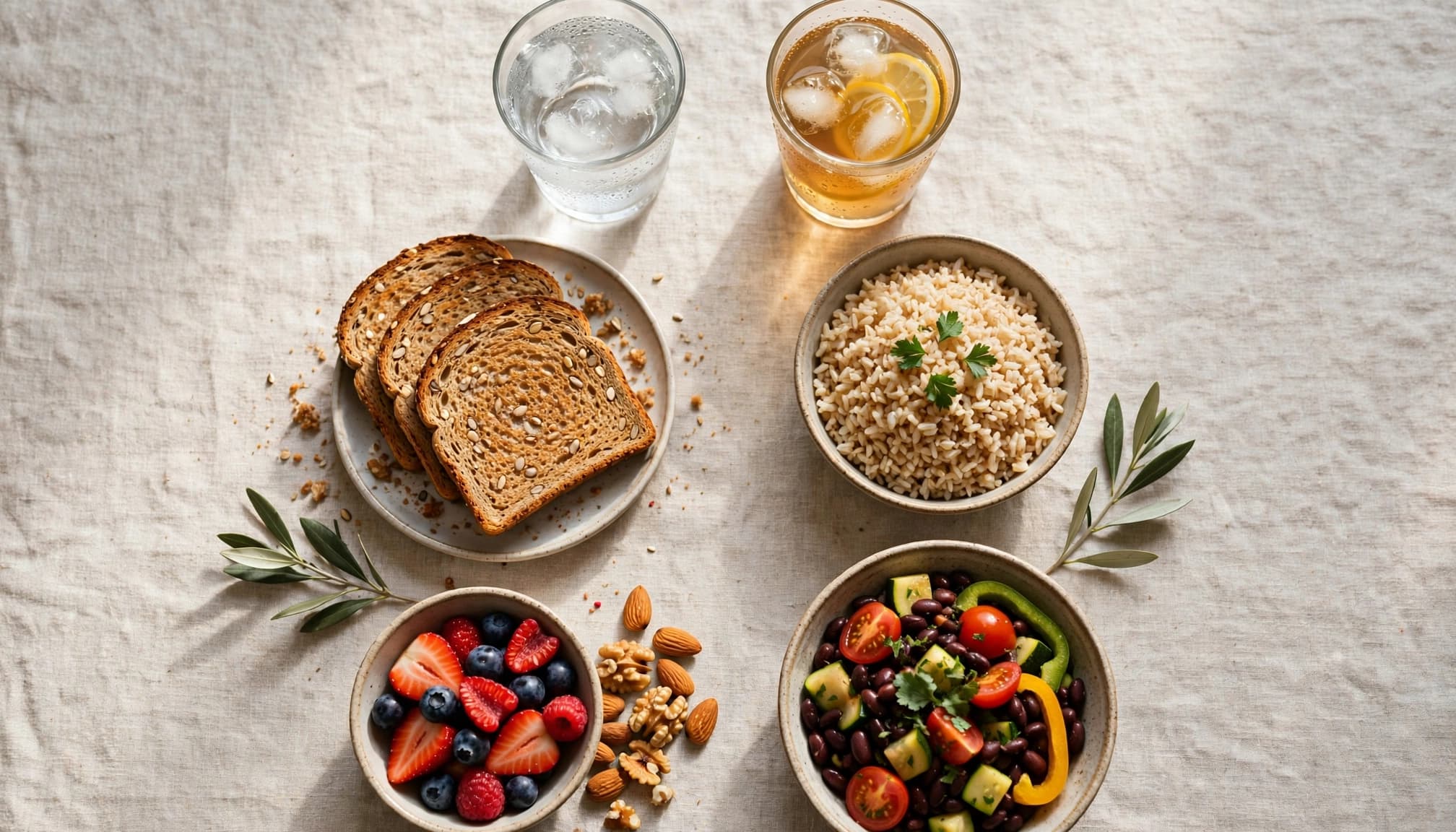
- Choose water, sparkling water, or unsweetened tea instead of sugary drinks.
- Use oats, quinoa, brown rice, or whole-grain bread more often than refined grains.
- Pair fruit with nuts or yogurt instead of choosing highly sweetened snacks.
- Add beans, eggs, tofu, fish, or chicken when a meal contains carbohydrates.
Notice how caffeine and alcohol affect you
Alcohol can disrupt sleep, increase next-day fatigue, and worsen certain symptoms for some women. Caffeine may also cause jitters, anxiety, night waking, or breast tenderness, especially when you drink it later in the day. The effects vary, so pay attention to your own pattern rather than assuming coffee must be removed.
The same applies to dairy, gluten, soy, and other commonly blamed foods. They don’t universally disrupt hormones. Unless you have an allergy, intolerance, or medical reason to avoid them, focus on adding nourishing foods first instead of creating a long list of forbidden choices.
A simple food and symptom log can reveal useful patterns. Track meals, caffeine, alcohol, sleep, appetite, and symptoms for a week or two, then adjust one habit at a time. For broader lifestyle support, review these healthy habits for reducing cortisol.
When Food Is Not Enough for Hormone-Related Symptoms
Food can support steady energy, digestion, blood sugar control, and overall wellness. However, it cannot diagnose or treat PCOS, thyroid disorders, endometriosis, diabetes, infertility, or menopause symptoms on its own.
Know when to seek medical care
Make an appointment with a doctor, OB-GYN, or endocrinologist if symptoms persist, worsen, or interfere with daily life. Seek prompt care for very heavy bleeding, missed periods, severe pelvic pain, sudden hair or skin changes, or major changes in your usual cycle. Persistent fatigue, unexplained weight changes, palpitations, hot flashes, and fertility concerns also deserve evaluation.
For example, PCOS can affect menstrual cycles, fertility, and metabolic health. Learn more about PCOS symptoms and causes, rather than trying to manage ongoing symptoms through food alone. If you notice possible signs of low estrogen, a clinician can interpret your symptoms alongside your age, cycle history, medications, and health background.

Get personalized guidance before changing supplements
A clinician or registered dietitian can tailor nutrition for pregnancy, breastfeeding, medication use, food allergies, digestive disorders, diabetes, or a history of disordered eating. They can also help you increase fiber or adjust foods without triggering digestive symptoms or restrictive habits.
Avoid adding hormone supplements, herbal products, or “menopause support” blends casually. Some products interact with medications, affect the liver, or lack strong evidence for hormone symptoms. Labels also may not tell you everything about product quality or dose. Ask a doctor, pharmacist, or dietitian before starting one, especially if you take prescriptions or have a chronic condition.
Nutrition is one part of care. When symptoms continue, testing and personalized treatment matter more than finding another food to add to your plate.
Conclusion
Fatty fish, flax and chia seeds, cruciferous vegetables, high-fiber foods, and healthy fats can all fit into a balanced eating pattern that supports overall hormone health. They provide important nutrients such as protein, fiber, omega-3 fats, vitamins, and minerals, but they won’t correct a hormonal disorder or create instant results. For more ideas, explore these cortisol-balancing foods as part of a varied eating pattern.
Focus on regular meals that combine enough protein, fiber-rich carbohydrates, colorful plants, and healthy fats. Gradual changes are easier to maintain than restrictive plans or quick hormone fixes.
This week, choose one food from the list, such as salmon, lentils, broccoli, ground flax, or walnuts, and build a balanced meal around it.
Save the pin for later

- Healthy Air Fryer Recipes for Beginners - 21/09/2026
- Healthy Snacks for Late Night Cravings - 21/09/2026
- High Protein Meal Prep Ideas for Easy Weekly Meals - 21/09/2026

