Low energy, heavy periods, pregnancy, or a desire to eat better can all lead you to search for iron-rich foods for women. Iron helps your body make hemoglobin, a protein in red blood cells that carries oxygen throughout your body, but tiredness alone doesn’t prove you have an iron deficiency.
Your needs also change with age and life stage. Women ages 19 to 50 generally need 18 mg of iron daily, while pregnancy raises that amount to 27 mg; menstruation, breastfeeding, and certain health conditions can also affect your needs. This guide covers the best animal and plant sources, practical meal ideas, ways to improve iron absorption, and when food alone may not be enough, including iron-rich foods for early pregnancy. First, let’s look at the foods that provide the most iron.
Iron-Rich Foods for Women: The Best Sources to Add to Your Plate
Iron-rich foods come in two forms: heme iron from animal foods and nonheme iron from plants and fortified products. Both can support your needs, but the body handles them differently. Building meals around a mix of sources gives you more flexibility, whether you eat meat, follow a vegetarian diet, or avoid certain foods.
Heme Iron Foods Are Easier for the Body to Absorb
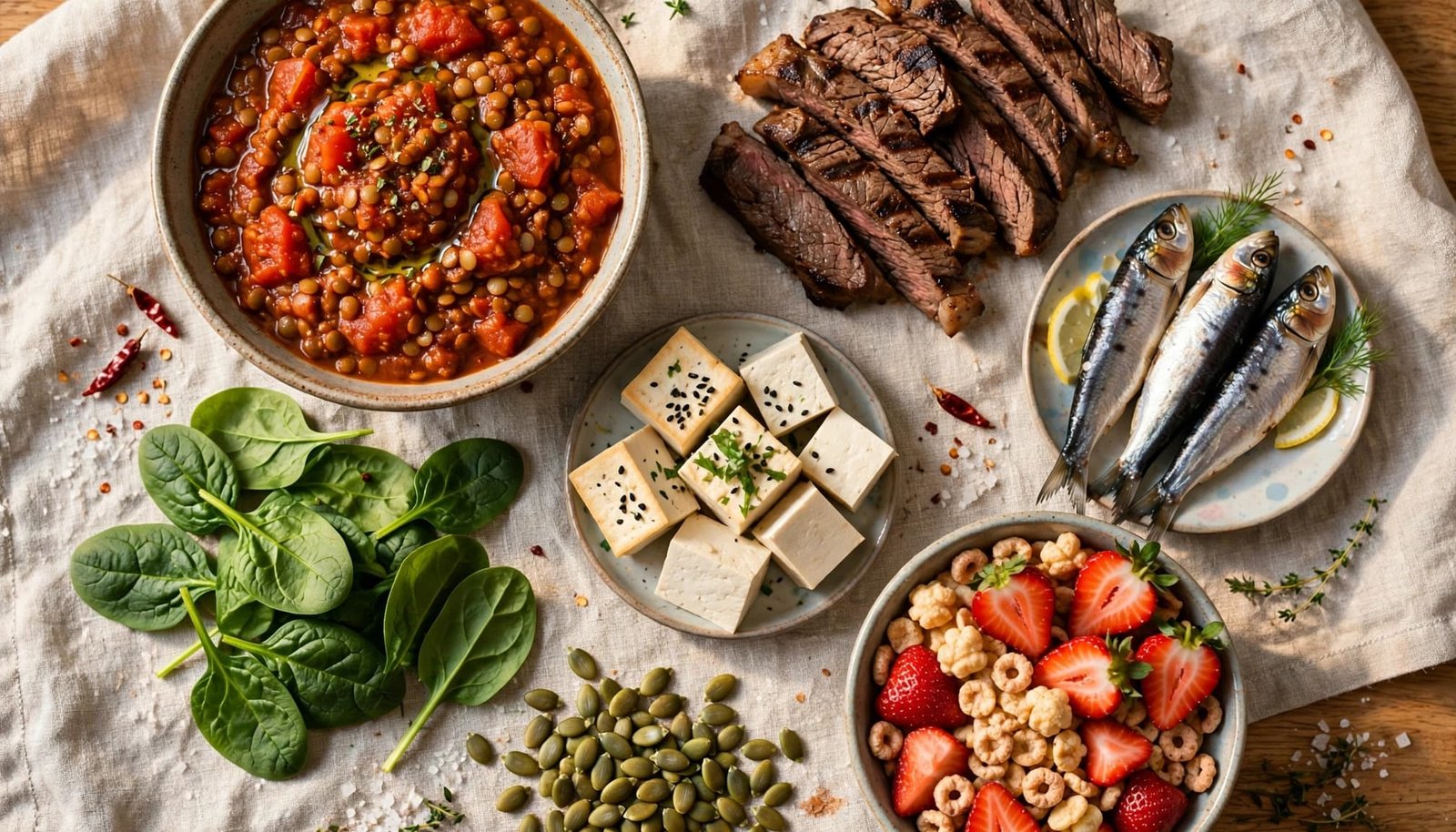
Heme iron is the form found in meat, poultry, and seafood. Your body usually absorbs it more efficiently than nonheme iron, and its absorption is less affected by other foods served in the same meal. The NIH overview of dietary iron lists lean meat and seafood among the richest heme iron sources.
You don’t need red meat at every meal to support good iron status. Lean beef can fit into a balanced eating pattern, but poultry, sardines, and anchovies also add variety. Fatty fish, such as sardines, provides iron alongside healthy fats, while chicken and turkey offer lighter options for salads, grain bowls, and sandwiches.
Organ meats contain a lot of iron, but they shouldn’t become an everyday food. Liver also contains high amounts of preformed vitamin A, so pregnant women should limit it and discuss safe choices with their healthcare professional. During pregnancy, you can choose beans, lean meats, seafood low in mercury, and iron-fortified foods instead.
Plant-Based Iron Sources Can Meet Your Needs With Planning
Nonheme iron comes from plants and fortified foods. Useful choices include beans, lentils, tofu, tempeh, spinach, collard greens, pumpkin seeds, nuts, whole grains, and iron-fortified breakfast cereals. The body absorbs a smaller share of nonheme iron from some meals, but these foods still provide meaningful iron and many other nutrients.
If you follow a vegetarian or vegan diet, include several sources across the day rather than relying on one food. For example, you might have fortified cereal with strawberries at breakfast, a lentil chili with tomatoes at lunch, and a tofu or bean bowl with bell peppers at dinner. Vitamin C-rich produce can also help your body absorb nonheme iron.
Check fortified food labels because iron levels vary by brand and serving size. A cereal may provide a substantial amount of your daily value, while another contains little or none. Reading the label helps you choose foods that fit your needs without treating plant-based eating as a problem. Consistent variety is the practical foundation.
How Much Iron Women Need at Every Life Stage
Iron needs change with age and major life stages. The recommended amount is a daily average, so you don’t need to hit the exact number at every meal. Instead, aim to include iron-rich foods regularly and consider your overall eating pattern across the week.
Why Menstruation, Pregnancy, and Growth Raise Iron Needs
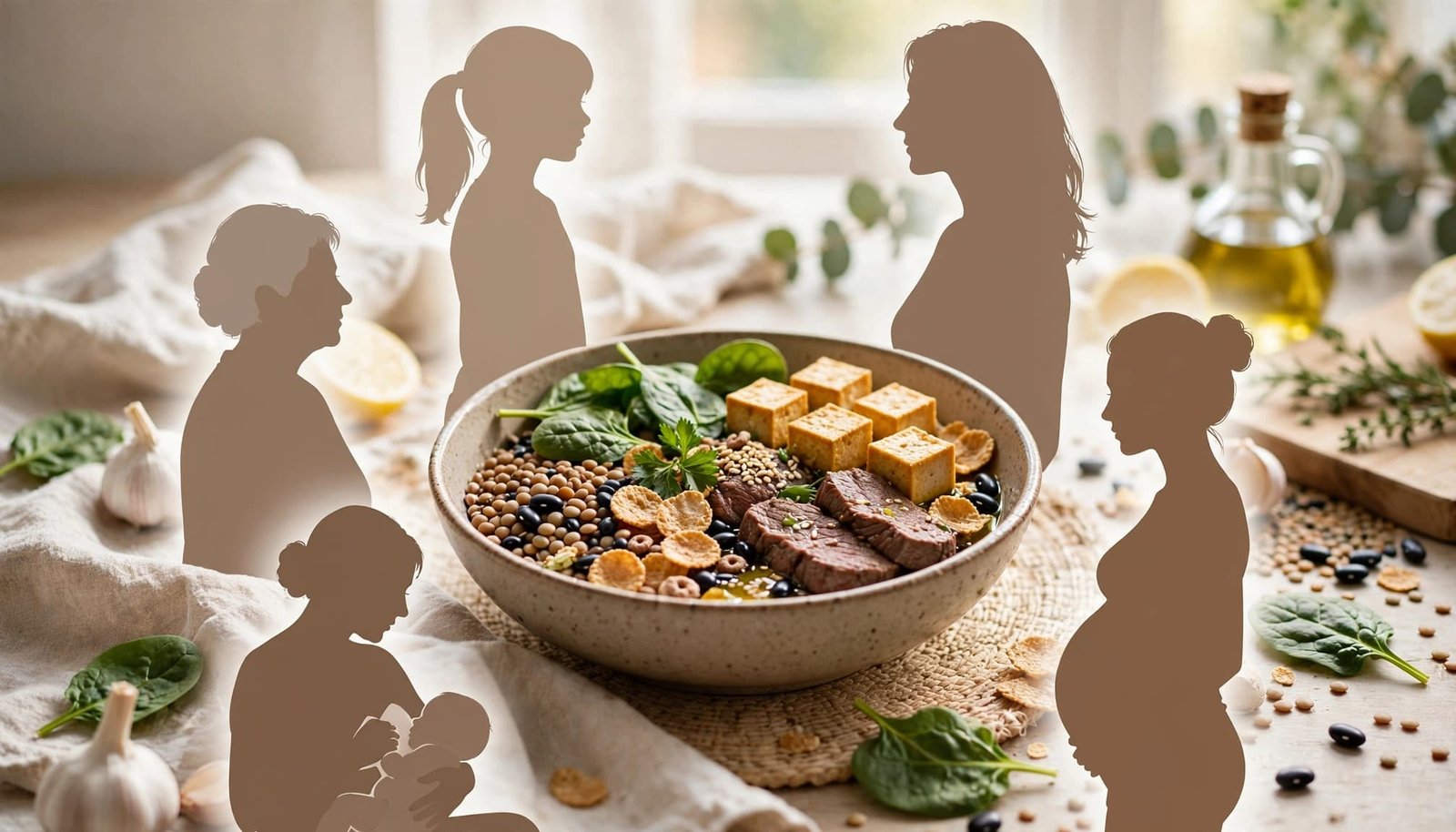
The body uses iron to make hemoglobin, which carries oxygen in the blood. During adolescence, girls need more iron because their bodies are growing and blood volume is increasing. Once menstruation begins, monthly blood loss creates an additional need to replace lost iron. That is why the recommendation rises to 15 mg daily for girls ages 14 to 18 and 18 mg for women ages 19 to 50.
Pregnancy raises iron needs even further. Your blood volume expands, and your body needs iron to support the placenta and your growing baby. Pregnancy requires 27 mg per day, although your healthcare professional may recommend a prenatal vitamin to help fill nutritional gaps. You can also review these pregnancy foods by trimester for meal-planning ideas.
After age 50, the recommendation drops to 8 mg daily for most women because menstruation usually ends and monthly blood loss is no longer a regular factor. Breastfeeding needs are 9 mg daily for adults and 10 mg for teens.
The main US recommendations are easy to scan:
| Life stage | Recommended iron per day |
|---|---|
| Girls ages 9 to 13 | 8 mg |
| Girls ages 14 to 18 | 15 mg |
| Women ages 19 to 50 | 18 mg |
| Women age 51 and older | 8 mg |
| Pregnancy | 27 mg |
| Breastfeeding teens | 10 mg |
| Breastfeeding adults | 9 mg |
These values come from the NIH iron recommendations, but your personal needs may differ. Heavy periods, recent surgery or blood loss, gastrointestinal conditions, frequent blood donation, and a history of iron deficiency can all change the amount you need. Ask a clinician for individual guidance before taking an iron supplement.
Signs That Your Diet May Not Be Providing Enough Iron
Low iron can cause unusual tiredness, weakness, headaches, dizziness, pale skin, feeling cold, brittle or spoon-shaped nails, and shortness of breath during activity. Some people also develop unusual cravings, especially pica, such as wanting to chew ice.
However, these symptoms have many possible causes, including poor sleep, stress, thyroid conditions, and other nutrient deficiencies. They cannot confirm an iron deficiency on their own. A clinician may order a complete blood count, hemoglobin test, and ferritin test to assess anemia and stored iron.
Seek medical advice if symptoms persist, menstrual bleeding is heavy, you’re pregnant, or you regularly crave ice or other nonfood substances. Avoid starting high-dose iron without testing, since excess iron can also cause harm.
Pair Iron-Rich Foods With Vitamin C to Improve Absorption
Eating iron and absorbing iron are different steps. Your body absorbs heme iron from meat and seafood relatively well, while nonheme iron from beans, lentils, tofu, leafy greens, grains, and fortified foods is more affected by the rest of the meal. Vitamin C helps your body absorb nonheme iron, especially when you eat both nutrients together.
Simple Meal Pairings That Make Plant Iron Work Harder
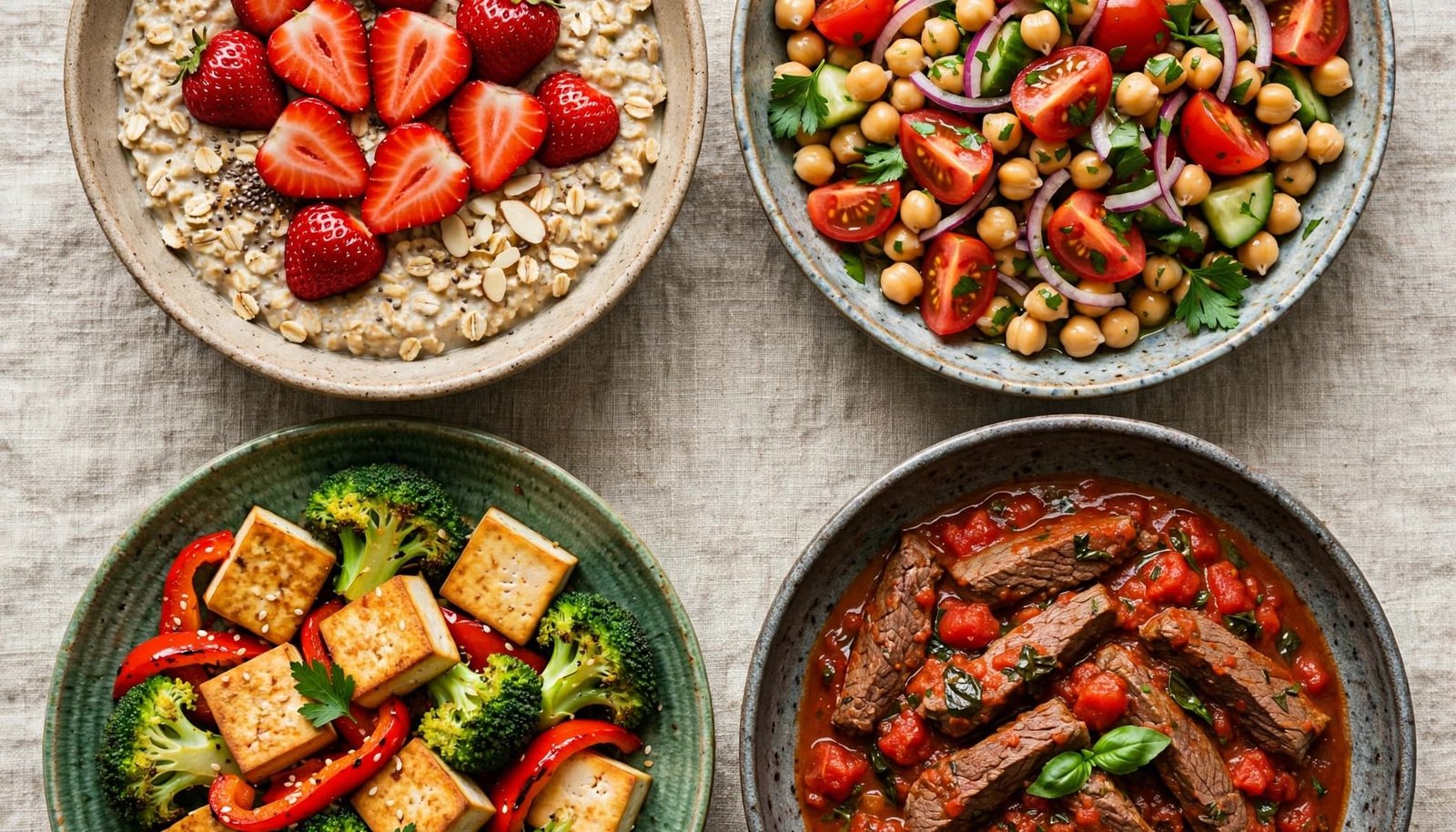
Add a vitamin C food to the same plate instead of eating it hours later. Tomatoes, bell peppers, broccoli, strawberries, oranges, kiwi, and citrus juice all make practical companions for plant-based iron sources. Acidic foods, such as tomatoes and citrus, may also help keep nonheme iron easier to absorb.
Try these affordable combinations:
- Start breakfast with fortified oatmeal or cereal topped with strawberries, or add a small orange on the side.
- Make a chickpea salad with tomatoes, cucumber, greens, and lemon juice. For more ideas, see these foods rich in iron and vitamin C.
- Serve lentils with roasted red bell peppers, salsa, or a tomato-based sauce.
- Add spinach to an omelet and pair it with sliced tomatoes or citrus fruit. Eggs provide some iron, while the produce adds vitamin C.
- Stir-fry tofu with broccoli and red bell peppers, then serve it over rice.
- Prepare lean beef with tomato sauce and whole-grain pasta for an omnivore-friendly dinner.
- Snack on pumpkin seeds with strawberries, kiwi, or a clementine.
These pairings work for omnivores, vegetarians, and vegans. They also make meal planning easier because you can use frozen vegetables, canned beans, jarred tomatoes, and seasonal fruit. Vitamin C may improve absorption, but it won’t correct an established deficiency by itself. Absorption still depends on the full meal, your health, and your iron status.
Foods and Drinks That Can Reduce Iron Absorption
Some foods and drinks can lower nonheme iron absorption when you consume them with an iron-focused meal. Tea and coffee contain polyphenols that interfere with absorption, while calcium and phytates in some grains and legumes can also reduce how much iron your body takes in. The NIH iron fact sheet explains these factors in more detail.
You don’t need to remove nutritious foods from your diet. Instead, drink coffee or tea between meals when you’re trying to improve low iron levels. If a clinician recommends both iron and calcium supplements, ask how far apart to take them.
These effects matter most when you have iron deficiency, heavy menstrual bleeding, pregnancy-related needs, or another risk factor. For most people, the goal is better meal timing, not strict food avoidance.
Iron Needs for Vegetarian, Vegan, and Busy Eating Styles
You don’t need one “perfect” diet to get enough iron. Vegetarian and vegan eating patterns can provide iron through beans, lentils, tofu, fortified cereals, seeds, nuts, and whole grains. Because plant foods contain nonheme iron, which your body absorbs less readily, consistency and smart meal pairings matter.
A Practical One-Day Iron-Focused Meal Plan
Use this sample as a flexible framework, not a prescription. Adjust the foods, portions, and meal timing to match your appetite, budget, culture, and health needs.
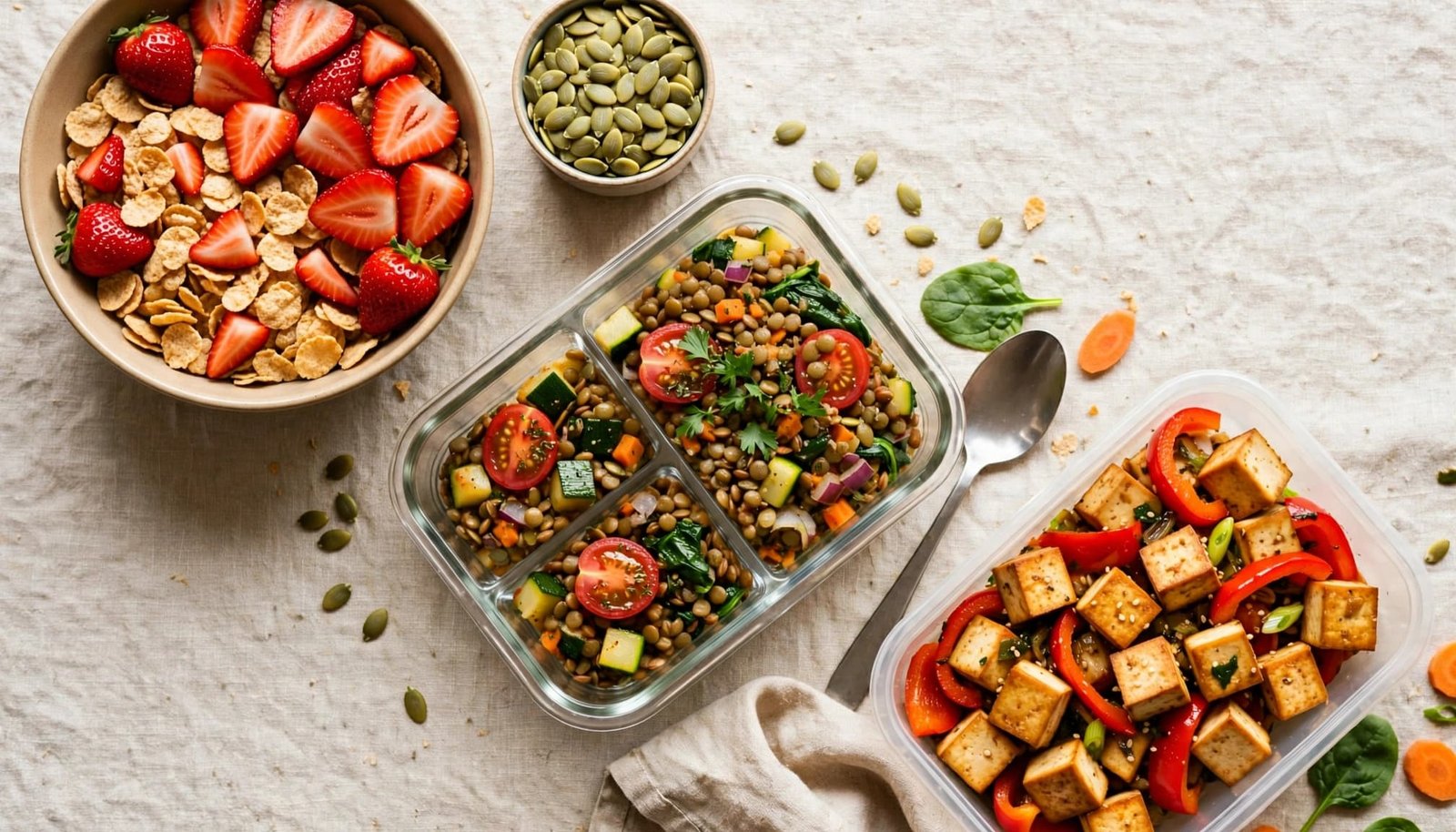
- Breakfast: Choose iron-fortified cereal with strawberries or sliced kiwi. The cereal provides added iron, while the fruit supplies vitamin C to support nonheme iron absorption.
- Lunch: Serve lentils or black beans with tomatoes, bell peppers, and leafy greens. The legumes and greens contribute plant-based iron, while the vegetables add vitamin C.
- Snack: Have pumpkin seeds with an orange, clementine, or a few strawberries. Seeds provide iron, and the fruit makes the snack more absorption-friendly.
- Dinner: Try tofu with broccoli and red bell peppers over brown rice. You can also use canned sardines, poultry, or lean beef if those foods fit your eating pattern. The protein supplies iron, while the peppers or broccoli add vitamin C.
For busy weeks, keep batch-cooked beans, frozen greens, canned sardines, fortified cereal, nuts, and fruit within easy reach. A microwave grain bowl or bean-and-salsa wrap can provide a more dependable meal than skipping lunch and trying to catch up later.
Serving size, brand, preparation method, and personal needs all affect the final iron total. One sample day doesn’t guarantee that you’ll meet your recommended intake, especially during pregnancy, heavy menstrual bleeding, or a diagnosed deficiency. If you follow a vegan diet, also plan for reliable vitamin B12 sources, since iron is only one part of a balanced eating pattern.
How to Read Food Labels for Fortified Iron Sources
Start with the Nutrition Facts label, then check the serving size, iron amount in milligrams, and percent Daily Value. In the United States, the current Daily Value for iron is 18 mg for adults and children age 4 and older. A product with 3.2 mg of iron lists 20% Daily Value.
Use percent Daily Value as a quick comparison tool, but compare similar serving amounts. A cereal serving, a slice of bread, a cup of plant milk, and one meat substitute patty are different portions.
When comparing products, check:
- The iron amount in milligrams per serving.
- The percent Daily Value listed beside it.
- How much you normally eat compared with the stated serving.
- Whether iron appears naturally or comes from enrichment or fortification.
Fortified cereals may provide much more iron than breads, plant milks, or meat substitutes, but products vary widely. Don’t assume every oat milk, veggie burger, or whole-grain bread contains the same amount. The label gives you the clearest answer.
When Iron Supplements May Be Needed, and When to Get Help
Food is the safest starting point for many people who want to improve their iron intake. However, meals may not provide enough iron when your needs are higher, absorption is limited, or blood loss continues. A clinician can determine whether you need a supplement and which dose fits your situation.
Who Should Ask a Clinician About Iron Testing
Ask about iron testing if you have heavy or prolonged periods, especially if you regularly soak through pads or tampons, pass large clots, or feel exhausted during your cycle. Pregnant people also need medical guidance because iron needs rise to 27 mg per day, and a prenatal vitamin may not provide enough treatment for an existing deficiency. These pregnancy nutrition tips can support meal planning, but they don’t replace prenatal care.
Frequent blood donors, people with celiac disease or inflammatory bowel disease, and anyone who has had gastrointestinal surgery may also need evaluation. These conditions can increase iron loss or make it harder for the body to absorb iron. A restrictive diet, including a poorly planned vegan diet, can raise the risk when iron-rich and fortified foods are limited.
Ongoing fatigue, weakness, dizziness, headaches, pale skin, shortness of breath, brittle nails, or ice cravings deserve attention, especially when symptoms persist. Anemia can develop because of low dietary iron, but it can also result from menstrual or internal blood loss, chronic disease, inflammation, or another nutrient deficiency. Blood tests, such as a complete blood count and ferritin test, can help identify the cause.
Ask about testing before taking long-term iron supplements. Feeling tired alone doesn’t prove that iron deficiency is responsible, and high-dose iron may delay proper care for another condition.
How to Avoid Too Much Iron
More iron isn’t always better. For adolescents age 14 and older and adults, including pregnant and breastfeeding adults, the tolerable upper intake level is 45 mg per day from all sources. That total includes food, drinks, multivitamins, prenatal vitamins, and separate iron supplements. The NIH iron fact sheet explains this limit and its health considerations.
A clinician may prescribe more than 45 mg for a short period to treat confirmed deficiency or significant blood loss. That treatment should include professional instructions and follow-up testing. Don’t start a high-dose product simply because you feel tired.
Check every label before combining a multivitamin, prenatal vitamin, and separate iron tablet. Supplemental iron commonly causes constipation, nausea, stomach pain, vomiting, or dark stools. Taking it with food may reduce stomach upset, although your clinician or pharmacist should explain how to balance tolerability with absorption.
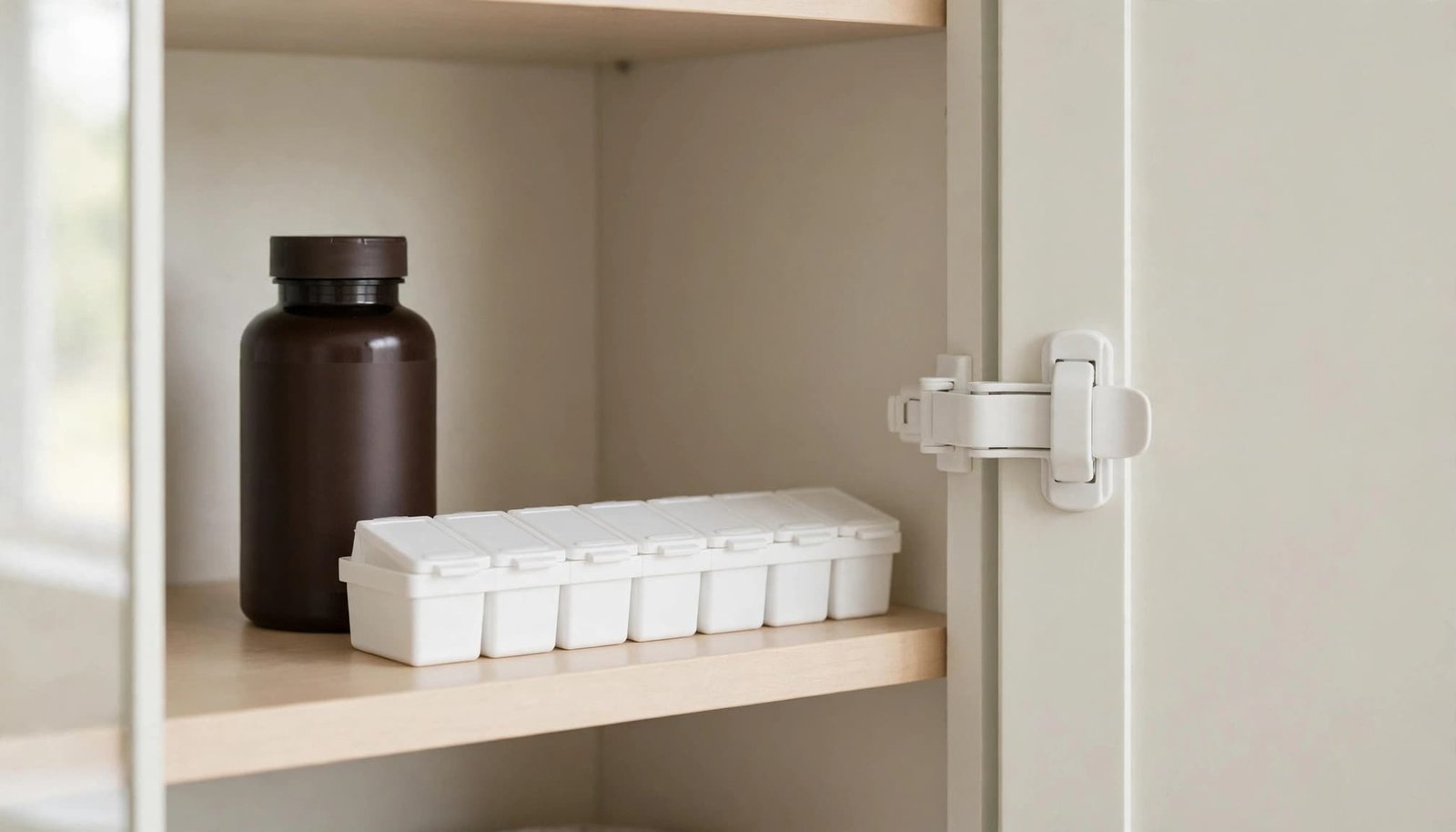
People with hemochromatosis, liver disease, or a family history of iron overload should seek advice before supplementing. Store all iron products securely and out of children’s reach. Accidental iron overdose can cause severe poisoning, particularly in young children, even when the product is a multivitamin or prenatal vitamin.
Conclusion
Building iron-rich foods into regular meals can help women meet daily needs, especially when meals include reliable sources and fortified options. Plant-based choices work best when paired with vitamin C, while tea, coffee, and calcium may need to be separated from iron-focused meals when improving absorption matters. These iron-rich foods for natural energy can also add variety to a balanced eating pattern.
Your needs depend on your life stage. Pregnancy, heavy periods, persistent symptoms, or suspected iron deficiency call for testing and personalized medical advice rather than supplements based on symptoms alone.
A few dependable habits, such as including an iron source regularly and pairing plant foods with vitamin C, can make meeting your iron needs simpler and more consistent.
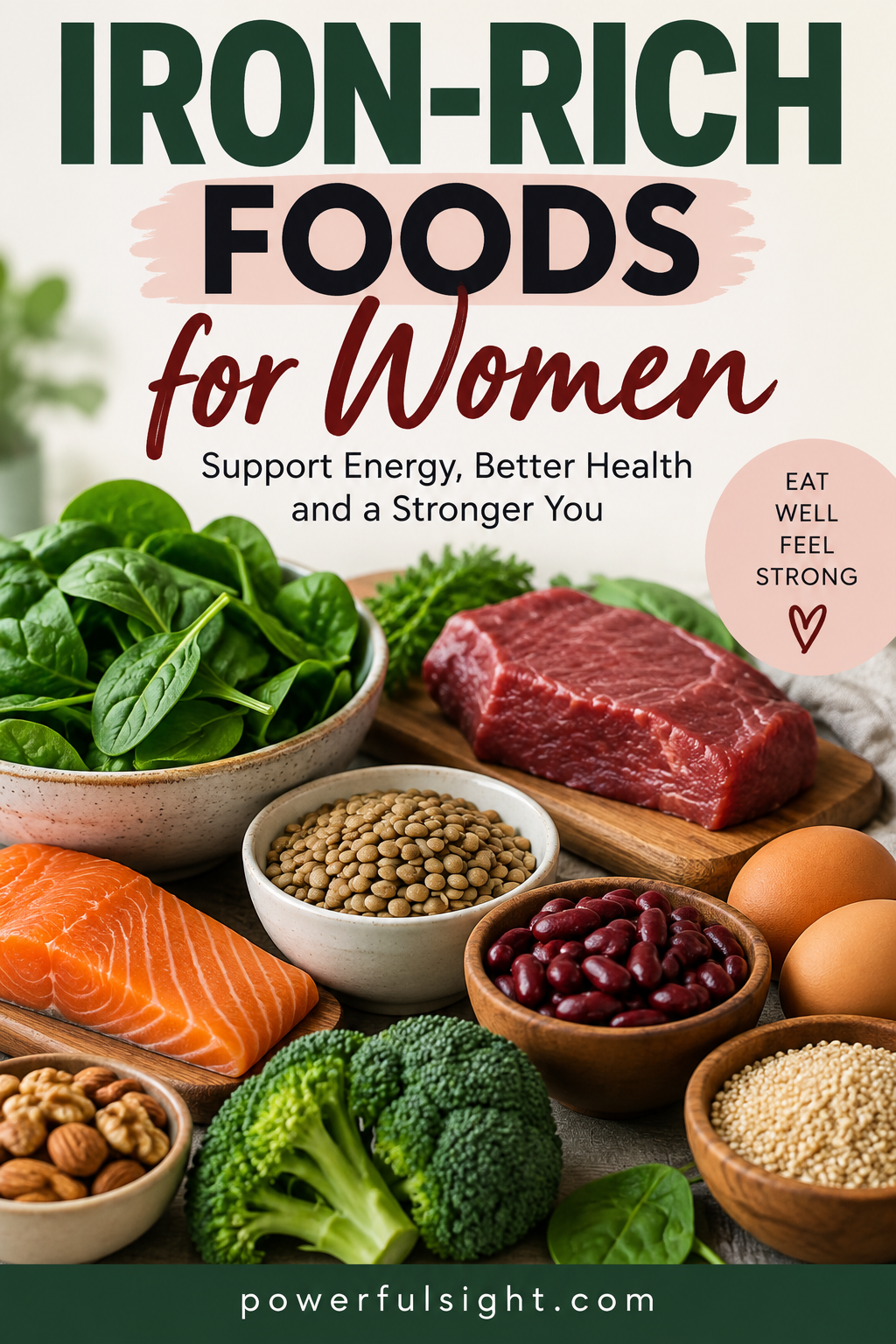
Save the pin for later

- Healthy Air Fryer Recipes for Beginners - 21/09/2026
- Healthy Snacks for Late Night Cravings - 21/09/2026
- High Protein Meal Prep Ideas for Easy Weekly Meals - 21/09/2026

