Stress can show up as a racing mind, tight muscles, poor sleep, or a constant sense that you can’t switch off. Natural remedies for anxiety and stress may help ease these symptoms, but they aren’t a cure for an anxiety disorder or a substitute for professional treatment.
This guide covers practical options you can try safely, including slow breathing, mindfulness, regular movement, better sleep, yoga, relaxation exercises, time outdoors, reducing caffeine, limiting alcohol, and using supplements with care.
These approaches work best as supportive habits, so start with one small change and notice how your body and mood respond. You can also read about when stress may require help if you’re unsure whether your symptoms have become serious.
If anxiety feels severe, persists for two weeks or longer, disrupts daily life, or affects your sleep, work, relationships, or ability to cope, contact a qualified mental health professional. First, let’s look at a simple breathing practice you can use when stress starts to rise.
Key Takeaways
- Natural remedies for anxiety and stress can support your well-being, but they don’t replace professional care for persistent or severe symptoms.
- Slow breathing, mindfulness, gentle movement, yoga, and time outdoors may help calm an overactive nervous system.
- Regular sleep, balanced meals, hydration, and less caffeine or alcohol can make stress easier to manage.
- Start with one small habit, then track how your mood, sleep, and physical symptoms respond.
- For more ideas, explore simple nervous system calming practices and NIMH’s mental health self-care guidance.
Natural Remedies for Anxiety and Stress: What Can Really Help?
Natural remedies can support your mental health, but they work best as regular habits, not emergency fixes. A few slow breaths may settle your body during a tense moment, while consistent sleep, movement, and mindfulness can improve how you handle stress over time.
The evidence also varies. Exercise, sleep routines, mindfulness, breathing exercises, and relaxation techniques have practical support. Yoga may help some people, but research quality remains limited. Herbal supplements have mixed evidence and can interact with medications, so they need more caution than a daily walk or breathing practice.
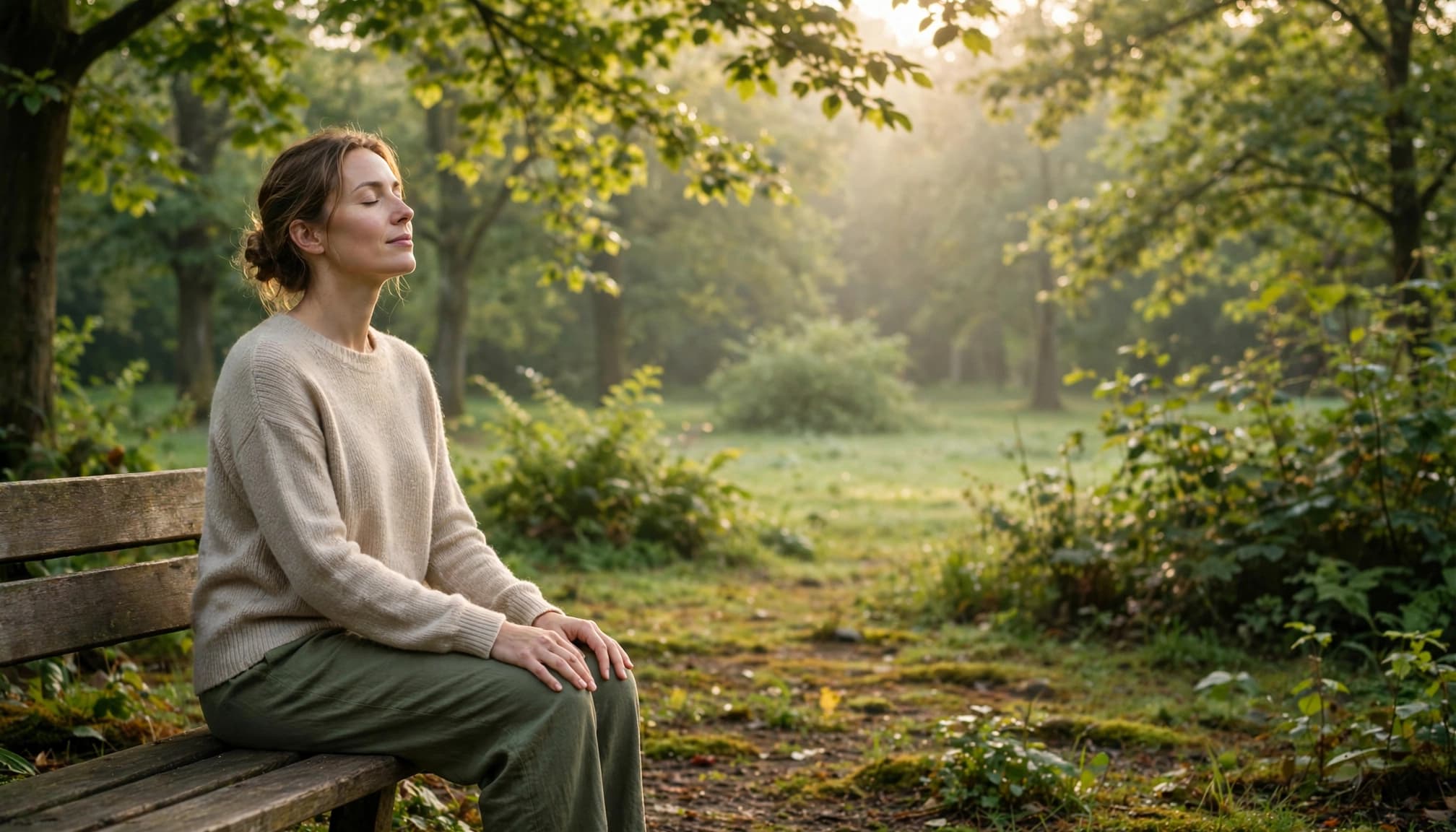
Stress and anxiety are not the same
Short-term stress usually connects to a clear trigger, such as a work deadline, family conflict, financial problem, or major change. Your heart rate may rise, your muscles may tense, and your thoughts may speed up. When the situation improves, these feelings often ease.
Anxiety can continue even when no immediate threat exists. It may involve persistent worry, dread, restlessness, muscle tension, trouble concentrating, or sleep problems. According to the National Institute of Mental Health’s anxiety guidance, anxiety may need clinical care when it persists, feels difficult to control, or interferes with work, relationships, sleep, or daily tasks.
Talk with a qualified professional if symptoms are severe, distressing, or last two weeks or longer. Also seek help when you can’t complete normal activities or when worry remains hard to control for months. Natural approaches can support treatment, but they shouldn’t delay it.
What the 10 remedies include
This article focuses on simple options that fit into everyday life:
- Slow breathing can help reduce physical tension when stress rises.
- Mindfulness trains you to notice thoughts and sensations without automatically reacting to them.
- Regular exercise, including walking, can improve mood and help your body release built-up tension.
- Better sleep habits give your brain and body more time to recover.
- Yoga combines gentle movement with breathing, although the evidence is less certain than many claims suggest.
- Relaxation exercises, such as progressive muscle relaxation, can ease tightness and agitation.
- Time outdoors may provide a useful break from crowded thoughts and constant stimulation.
- Less caffeine can help if coffee, energy drinks, or soda worsen jitters or poor sleep.
- Limiting alcohol supports steadier sleep and mood, since alcohol isn’t an anxiety treatment.
- Careful supplement use requires advice from a doctor or pharmacist, especially if you take medication.
For additional sleep support, these natural ways to improve sleep can complement the habits discussed here. Start with one manageable change, practice it consistently, and track whether your sleep, mood, and physical symptoms improve.
Simple Mind and Body Practices to Calm Stress
Small, repeatable habits can help your body settle when stress starts to build. The following practices cost little, fit into busy days, and work best when you use them consistently rather than waiting for anxiety to peak.
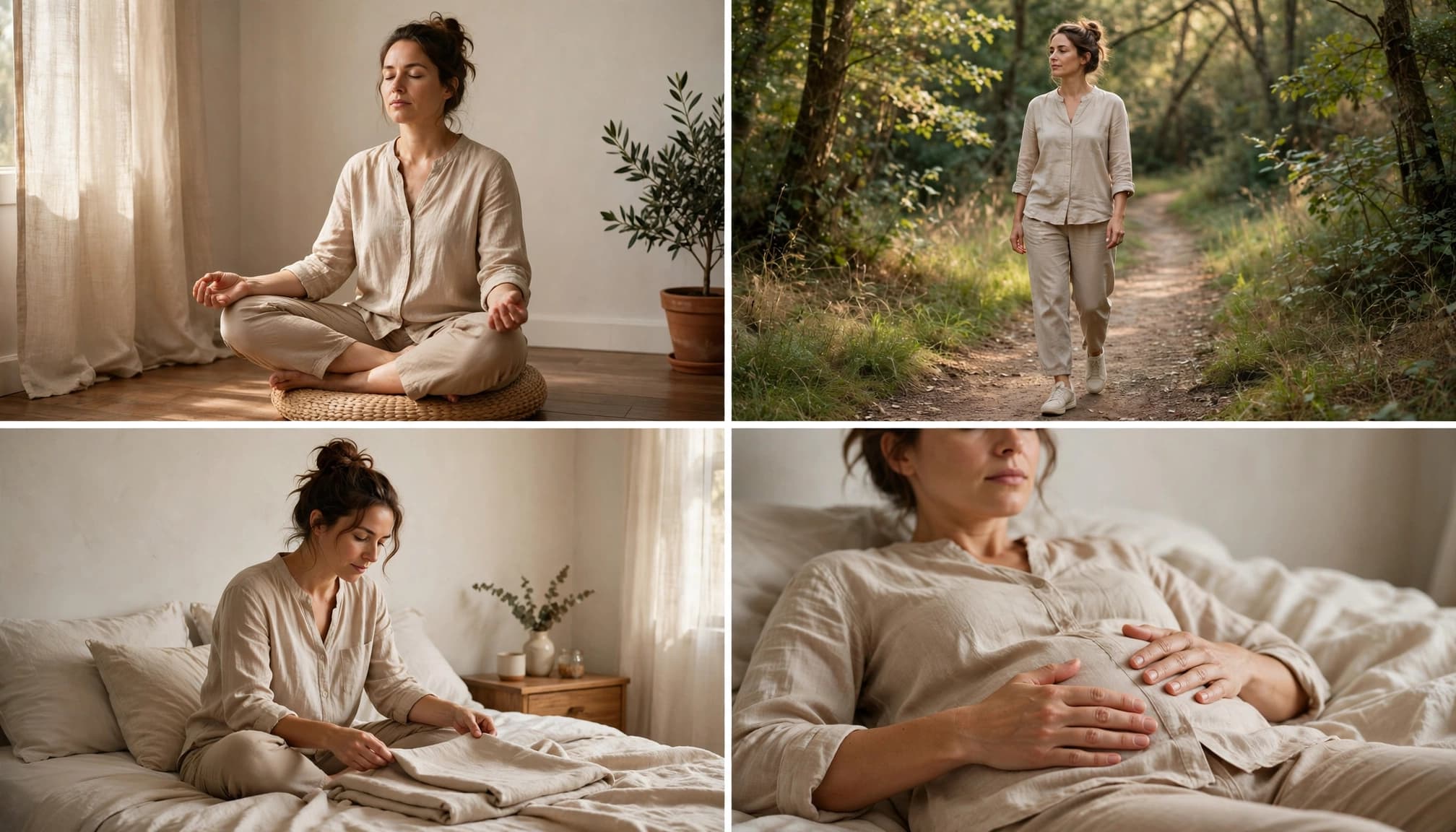
Practice Mindfulness or Meditation for a Few Minutes
Mindfulness means paying attention to the present moment without judging your thoughts. You might notice your breathing, the feeling of your feet on the floor, or sounds around you. When your mind wanders, gently return your attention instead of criticizing yourself.
Start with five minutes in a quiet space. Sit comfortably, breathe at an easy pace, and notice each inhale and exhale. You can also use a guided meditation or take a mindful walk, focusing on your steps and surroundings. If five minutes feels manageable after a week, add a few minutes gradually. These practices may lower stress and support better sleep, although results vary from person to person. You can find more ideas in these simple mindfulness exercises.
A beginner routine can be simple:
- Set a timer for five minutes.
- Relax your shoulders and notice your natural breathing.
- When thoughts appear, label them gently as “thinking.”
- Bring your attention back to your breath or surroundings.
Meditation can feel uncomfortable, especially when quiet makes anxious thoughts more noticeable. Stop if you feel overwhelmed, or choose mindful walking and another calming method instead.
Move Your Body With Walking, Exercise, or Dancing
Physical activity can loosen tense muscles, interrupt repetitive worrying, and support emotional well-being. You don’t need an intense workout to begin. A 10-minute walk, gentle stretching, a few songs of dancing, or a favorite sport can give your mind a useful change of focus.
As your energy allows, build toward 150 minutes of moderate activity each week, which equals about 20 to 30 minutes on most days. Smaller amounts still count, so avoid treating the weekly target as an all-or-nothing rule. The CDC’s physical activity guidance also encourages adults to include muscle-strengthening activities during the week.
Choose movement you can repeat without dreading it. For example, walk after lunch, stretch while watching television, or dance for one song before dinner. If you have a health condition, severe symptoms, or plans to make major changes, check with a health professional first.
Improve Sleep With a Consistent Nighttime Routine
Poor sleep can leave you more irritable, tense, and vulnerable to anxious feelings the next day. Most adults need at least seven hours of sleep, and a regular routine helps your body recognize when it’s time to rest.
Try going to bed and waking up at similar times each day. During the last hour, lower bright lights and choose quiet activities such as reading, gentle stretching, or a warm shower. Keep your bedroom cool, quiet, and comfortable. Also avoid caffeine, nicotine, alcohol, large meals, and strenuous exercise close to bedtime.
If insomnia continues or regularly affects your daytime functioning, discuss it with a medical professional. These evening habits for better sleep may help you create a steadier routine.
Use Slow, Deep Breathing to Ease Physical Tension
Slow breathing may calm the body’s stress response and reduce the tight, shallow breathing that often accompanies anxiety. Practice it during calm moments so the technique feels familiar when pressure rises.
Sit or lie comfortably. Place one hand on your chest and the other on your belly. Breathe in slowly through your nose, allowing your belly to rise more than your chest. Then breathe out gently without forcing the air.
Continue for two to five minutes. Keep the rhythm slow and even, but return to normal breathing if you feel dizzy, strained, or uncomfortable. The goal is a comfortable signal of safety, not a perfect breathing pattern.
Mind Body Remedies You Can Add to Your Daily Routine
Mind-body practices can help you manage stress by calming physical tension and giving your attention a clear focus. Choose based on your energy, schedule, and comfort level. A gentle practice you can repeat regularly is often more useful than an intense routine you avoid.
Try Gentle Yoga to Release Stress and Tight Muscles
Yoga combines movement, breathing, and focused attention. That combination can help you notice body tension while slowing the rapid thoughts that often accompany stress.
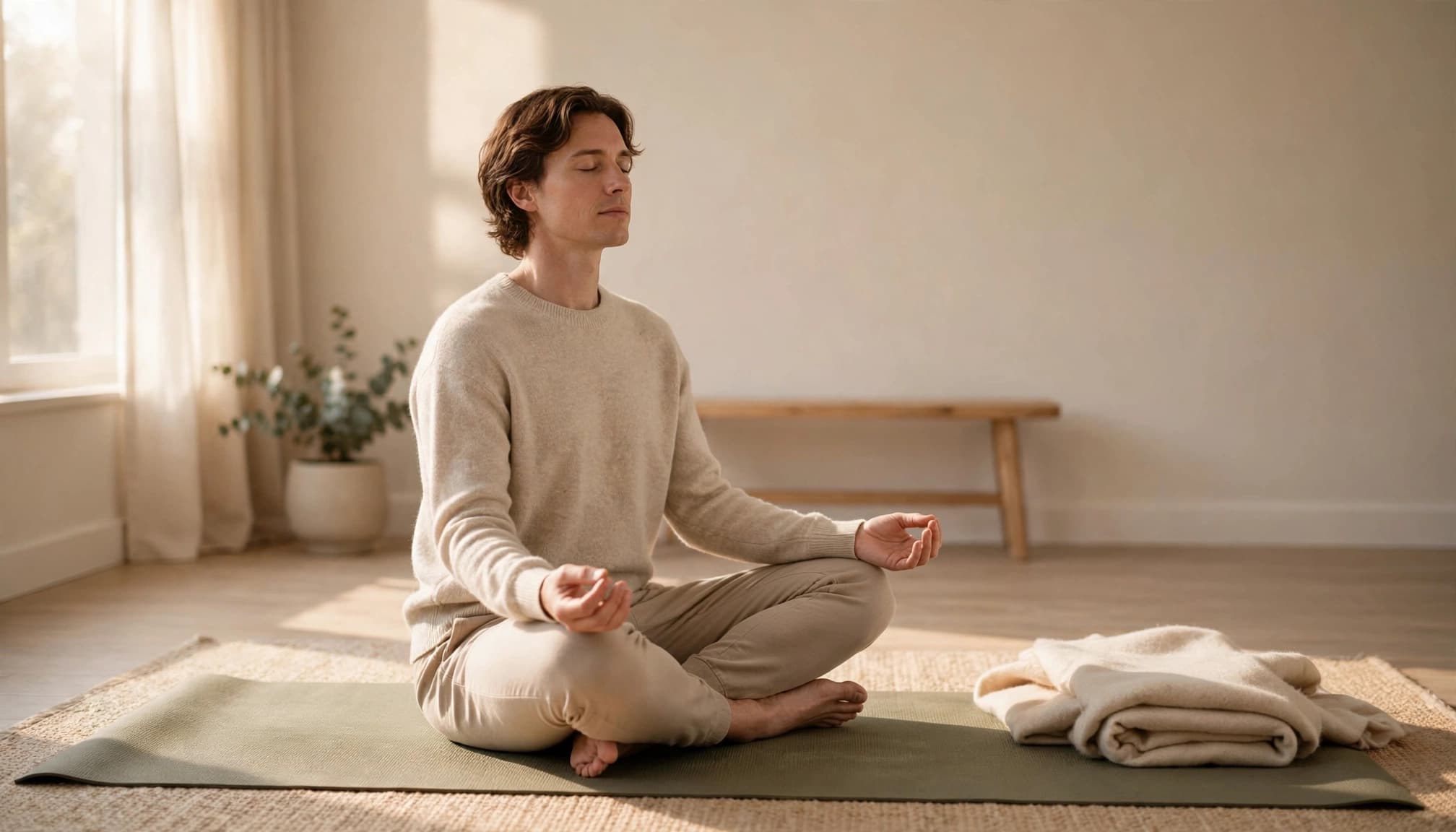
If you feel overwhelmed, choose beginner, restorative, or gentle yoga instead of a demanding class. Start with 10 to 15 minutes of easy stretches and slow poses, such as seated forward folds, cat-cow movements, or legs-up-the-wall. You can also follow a beginner video at home when your schedule feels crowded.
Research suggests that yoga may reduce anxiety symptoms, but the evidence remains inconclusive for diagnosed anxiety disorders. The National Center for Complementary and Integrative Health’s yoga guidance also makes clear that yoga shouldn’t replace therapy or other recommended care.
Modify poses to suit your body, and use a chair, wall, or folded blanket for support. Stop if you feel pain, dizziness, or increased distress.
Relax With Progressive Muscle Relaxation or Guided Imagery
Progressive muscle relaxation helps you recognize and release tension. While sitting or lying comfortably, gently tense one muscle group for a few seconds, then let it soften. Begin with your feet and move upward through your legs, abdomen, hands, shoulders, neck, and face.
Try this five- to 10-minute routine in the evening or during a midday break:
- Take two comfortable breaths and relax your jaw.
- Tense your feet gently, then release them while noticing the difference.
- Continue upward, using less effort in each muscle group.
- Finish by breathing slowly and noticing areas that still feel tight.
If focusing on muscle tension feels uncomfortable, try guided imagery instead. Picture a calming place, such as a quiet beach or familiar garden, and notice its colors, sounds, temperature, and textures. Autogenic training, biofeedback, and calming audio offer related options. These techniques can reduce physical tension and may help with stress, some chronic health problems, or anxiety before a medical procedure.
Spend Time Outdoors and Take Real Breaks
Outdoor time can interrupt rumination and move you away from screens, noise, or a stressful task. A short walk around the block, 10 minutes in a park, light gardening, or lunch on a porch can create useful space in your day.
During the break, notice what you can see and hear. Feel your feet as you walk, observe the air on your skin, and return your attention to steady breathing when your thoughts race. If leaving home isn’t practical, journal for five minutes, stretch beside a window, or call someone supportive.
Nature exposure may support mood and stress management, but it isn’t a replacement for therapy or medical care. If anxiety keeps disrupting your sleep, relationships, work, or daily responsibilities, seek professional help alongside these daily self-care habits for better mental health.
Reduce Common Anxiety Triggers With Everyday Choices
Adding calming habits can help, but reducing substances that worsen jitters, poor sleep, or mood may matter just as much. Pay attention to your own patterns, then make one change at a time so you can tell what actually helps.
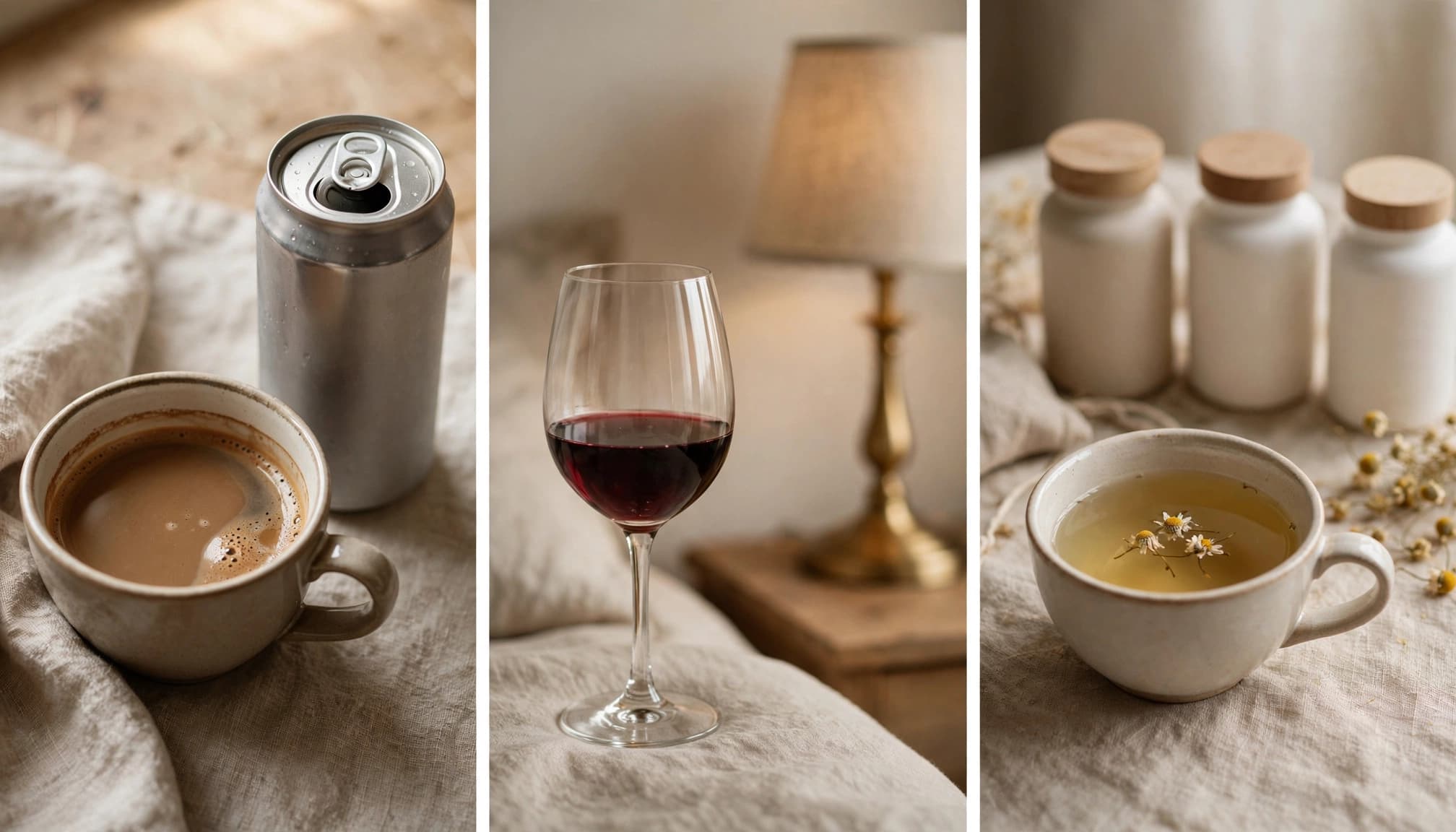
Cut Back on Caffeine if It Makes You Jittery
Caffeine appears in more than coffee. Energy drinks, black and green tea, soda, pre-workout products, weight-loss supplements, and some pain or cold medicines may also contain it. If you’re sensitive, caffeine can increase shakiness, a racing heart, restlessness, or trouble falling asleep.
Start by tracking every source for several days. Note the amount, time, and symptoms that follow. Then reduce gradually instead of stopping suddenly, since a sharp change can cause headaches, fatigue, and irritability. You might switch one regular coffee to decaf, choose a smaller serving, or dilute an energy drink before removing it.
Avoid caffeine later in the day, especially after lunch or near bedtime. The CDC’s sleep guidance recommends avoiding caffeine in the afternoon or evening, and these habits to avoid before bed can help you protect your sleep.
You don’t necessarily have to quit completely. If one morning cup doesn’t affect your anxiety or rest, keep observing your response rather than following a one-size-fits-all rule.
Limit Alcohol Instead of Using It to Cope
Alcohol may make you feel calmer at first, but that effect doesn’t last. As your body processes it, sleep can become lighter and more interrupted. You may wake up tired, irritable, or more anxious the next day, especially after drinking heavily or using alcohol to handle difficult emotions.
Try not to make alcohol your main stress strategy. A walk, phone call, shower, meal, or relaxation exercise gives you another response when pressure builds. Avoid alcohol close to bedtime, and don’t mix it with anxiety or sleep medicines unless a clinician specifically says it’s safe.
For adults who choose to drink, CDC moderate drinking guidance defines moderation as no more than two drinks per day for men and no more than one drink per day for women. Some people should avoid alcohol completely, including those who are pregnant, under the legal drinking age, taking certain medications, recovering from alcohol use disorder, or unable to control how much they drink.
If cutting back feels difficult, treat that as a reason to seek support, not a personal failure. A doctor, therapist, or support program can help you make a safer plan.
Approach Chamomile and Other Supplements With Care
“Natural” doesn’t automatically mean safe, effective, or suitable for you. Chamomile is a useful example. Preliminary research suggests chamomile extract may ease some anxiety symptoms, but the evidence isn’t conclusive. Research supporting chamomile for sleep is also limited.
Melatonin may help in certain sleep-related situations, and research supports some use around surgery-related anxiety. However, it isn’t a general cure for anxiety, and long-term safety information remains limited.
Before taking chamomile, melatonin, or another herbal supplement, ask a doctor or pharmacist to review it. This matters especially if you take prescription medicines, are pregnant or breastfeeding, have allergies, liver concerns, or manage another health condition. Chamomile may trigger reactions in people allergic to ragweed, daisies, chrysanthemums, or marigolds, and it can interact with medicines such as warfarin and cyclosporine.
A professional can also check the product’s ingredients and possible interactions. Don’t replace prescribed anxiety treatment with a supplement without medical guidance.
How to Choose the Right Remedy and Build a Safe Plan
The best natural remedy depends on the symptom you want to change. Choose one low-risk practice that matches your main concern, use it consistently, and watch how your body responds before adding anything else.
Match the practice to your main symptom
Start with the problem that disrupts your day most. A targeted choice is easier to follow than trying all 10 remedies at once.
- Sudden tension or a racing heartbeat: Practice slow breathing for two to five minutes. Relaxation exercises can also help release tight muscles.
- Restlessness or mental overload: Take a short walk, stretch, dance, or complete another form of gentle movement.
- Nighttime worry: Keep a regular sleep schedule, reduce evening stimulation, and avoid caffeine later in the day.
- Jitters or shakiness: Track your caffeine intake and gradually reduce coffee, energy drinks, tea, soda, or pre-workout products.
- Scattered attention: Try five minutes of mindfulness, a quiet outdoor break, or a guided relaxation exercise.
These options differ in how quickly they may help and how much support they require.
| Option | Best use | Safety level |
|---|---|---|
| Quick tools | Breathing, grounding, or muscle relaxation during stress | Generally low risk when comfortable |
| Daily habits | Walking, mindfulness, sleep changes, or less caffeine | Usually low risk, but adjust for health conditions |
| Professional guidance | Therapy, medication review, or supplement advice | Needed when symptoms persist, worsen, or impair daily life |
For a broader routine, these calming habits to manage stress can help you build consistency without overloading your schedule.
Track your response for two weeks
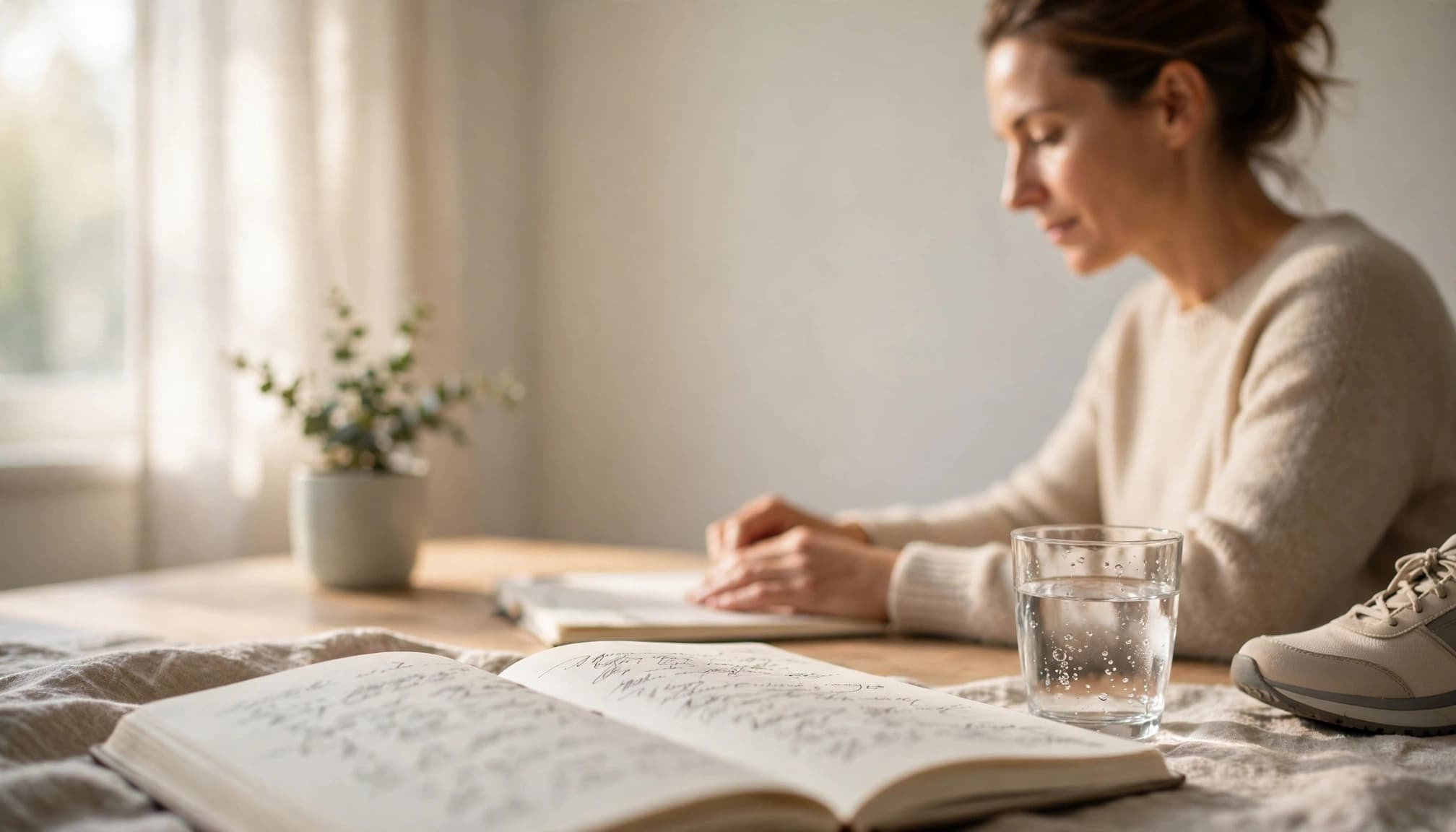
Use a notebook or phone note to record your symptoms for 14 days. You don’t need a complicated scoring system. A few details each day can reveal patterns that are easy to miss.
Write down:
- Your anxiety or stress level, using a simple scale from 1 to 10.
- Your sleep duration and how rested you felt the next morning.
- Major triggers, such as conflict, deadlines, pain, or poor meals.
- Caffeine, alcohol, supplements, exercise, and the remedy you tried.
- Physical symptoms, including muscle tension, nausea, rapid breathing, or headaches.
Change one major variable at a time, such as replacing one afternoon coffee or walking for 10 minutes daily. Otherwise, you won’t know which habit helped or caused an unwanted effect. Once a practice feels manageable, you can combine compatible habits, such as a morning walk with regular sleep and brief breathing exercises.
Know when self-care isn’t enough
Natural approaches should support care, not delay it. Contact a health professional if anxiety continues, becomes difficult to control, worsens, or interferes with sleep, work, relationships, or daily tasks. The National Institute of Mental Health’s anxiety resources explain common symptoms and treatment options.
Be especially cautious with herbs and supplements. Ask a doctor or pharmacist to check interactions before starting one, and never stop prescribed medication without medical advice. Some people may benefit from therapy or medication, and NIMH medication guidance explains why treatment choices should be personalized.
If you might hurt yourself or have thoughts of suicide, call or text 988 in the United States for immediate crisis support.
When Natural Remedies Are Not Enough
Natural remedies can support your mental health, but self-care shouldn’t be your only plan when anxiety becomes severe or starts controlling your life. Breathing exercises, mindfulness, movement, and better sleep may ease symptoms, yet an anxiety disorder often needs structured treatment and a professional assessment.
Signs you should seek professional help
Contact a counselor, doctor, psychologist, or other qualified mental health professional if anxiety:
- Feels severe, persistent, or increasingly difficult to control.
- Causes panic attacks, intense fear, or physical symptoms that disrupt your day.
- Interferes with work, school, relationships, sleep, or basic responsibilities.
- Leads to ongoing insomnia, frequent nightmares, or exhaustion.
- Makes you avoid normal activities, places, conversations, or people.
- Causes you to rely on alcohol, cannabis, prescription medication, or other drugs to feel calm or get through the day.
You don’t need to wait until symptoms become unbearable. A primary care provider can review your symptoms, medications, sleep, physical health, and substance use. Some medical conditions or medicines can cause symptoms that resemble anxiety, so a health care provider can assess other possible causes and refer you to the right specialist.
If stress has left you emotionally exhausted or unable to manage daily tasks, these signs you may need therapy may help you decide when to ask for support.
Why therapy may help more than relaxation alone
Relaxation techniques can lower physical tension for a short time. However, they may not address the thought patterns, fears, avoidance, or past experiences that keep an anxiety disorder going.
Cognitive behavioral therapy (CBT) is often more helpful than relaxation techniques alone for an anxiety disorder because it addresses both thoughts and behavior. With a trained therapist, you can identify automatic anxious thoughts, test whether they are accurate, change unhelpful behavior patterns, and gradually face situations you have been avoiding. The National Institute of Mental Health describes CBT as a well-supported treatment for generalized anxiety disorder.
Medication may also help some people, either alone or alongside therapy. A doctor can explain the options based on your symptoms, health history, and preferences. Don’t stop prescribed medication or replace it with an herbal supplement without medical guidance.
Get immediate help during a crisis
If you’re in the United States and thinking about suicide or feel in immediate danger, call or text 988 for the Suicide & Crisis Lifeline. You can also use NIMH mental health resources to find trustworthy information and treatment guidance.
When there is immediate physical danger, call 911 or your local emergency services. You can also go to the nearest emergency department or ask someone you trust to stay with you while help arrives.
Conclusion
Small, steady habits can make daily stress easier to manage. Walking, better sleep, slow breathing, mindfulness, time outdoors, and less caffeine may help your body and mind settle, especially when you practice them consistently. These sleep and breathing tips for lower cortisol can also support the routine you build.
Results differ from person to person. Yoga may help some people, while research on supplements remains limited, and natural does not always mean risk-free. Ask a doctor or pharmacist before taking supplements, particularly if you use medication or manage another health condition.
Choose one remedy that fits your main concern, practice it regularly, and track how your mood, sleep, and physical symptoms respond. If anxiety persists, worsens, or interferes with daily life, reach out to a qualified mental health professional. Self-care can support recovery, but you deserve additional care when stress becomes too difficult to manage alone.
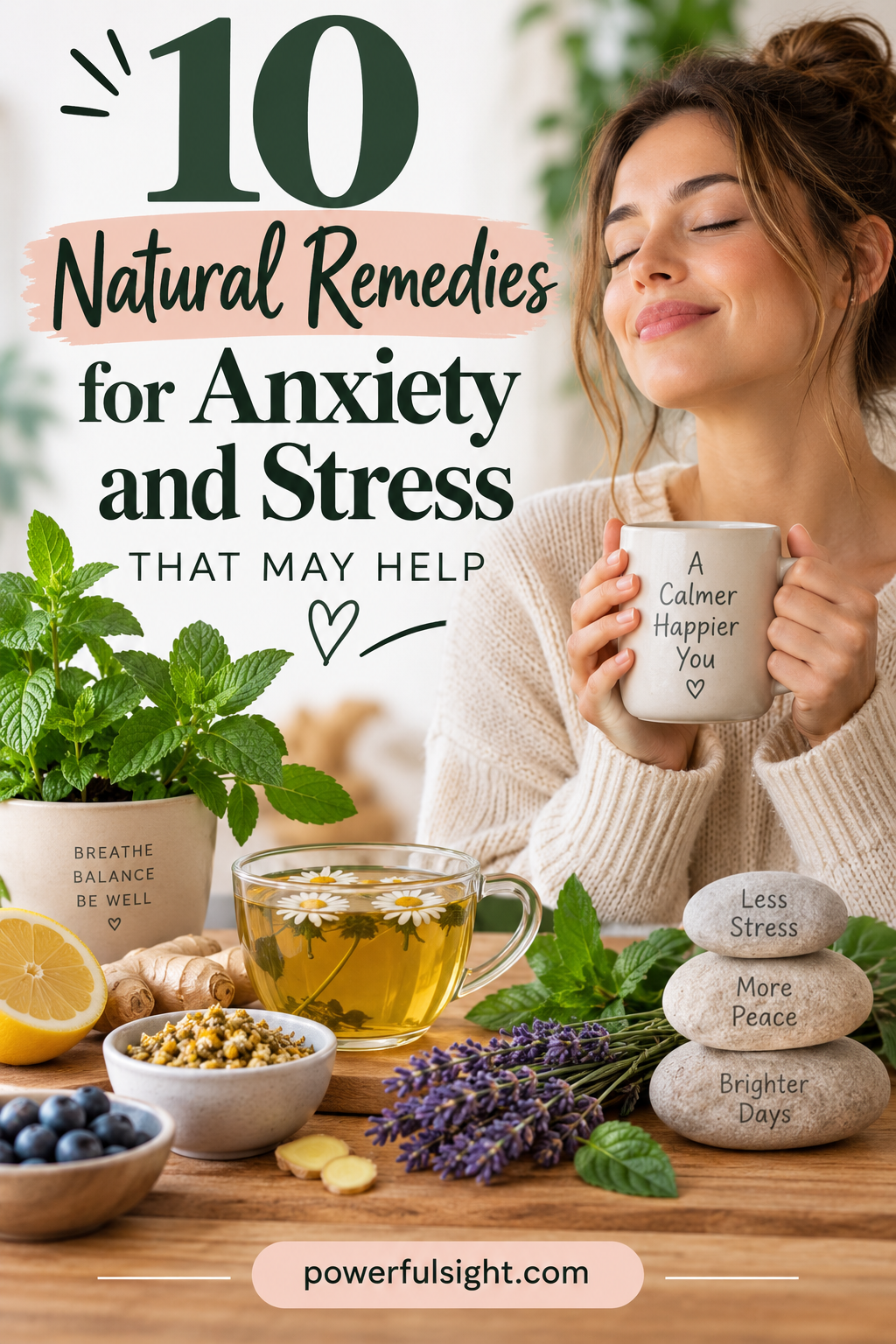
Save the pin for later

- Healthy Air Fryer Recipes for Beginners - 21/09/2026
- Healthy Snacks for Late Night Cravings - 21/09/2026
- High Protein Meal Prep Ideas for Easy Weekly Meals - 21/09/2026

