Losing weight with PCOS can feel difficult when insulin resistance, frequent hunger, and irregular routines make consistent eating hard. A practical PCOS weight loss meal plan focuses on balanced, satisfying meals rather than strict rules or extreme restriction.
There’s no single best PCOS diet, so the most effective plan is realistic, flexible, and tailored to your needs, with protein, fiber-rich carbohydrates, vegetables, and healthy fats. If you have diabetes, are pregnant, have a history of an eating disorder, or take medication that affects blood sugar, speak with a qualified health professional before making major changes. Start with these simple meal ideas and balanced eating for insulin resistance.
PCOS Weight Loss Meal Plan: What Actually Works
A practical PCOS weight loss meal plan should support steady habits, adequate nutrition, and realistic progress. The 2023 International Evidence-based Guideline for PCOS recommends healthy eating and regular activity for weight management and metabolic health, but it does not identify one diet as best for everyone.
Your plan should fit your preferences, schedule, culture, budget, and health needs. Sustainable choices matter more than following strict rules for a short period.
Set a realistic goal instead of chasing rapid weight loss
Weight loss isn’t the only meaningful goal with PCOS. Maintaining your current weight, preventing gradual weight gain, or improving your eating pattern can support your health even when the scale changes slowly.
For people who need to lose weight, a reduction of about 5% of starting body weight may improve some metabolic and reproductive measures. However, this isn’t a requirement, and it doesn’t guarantee the same results for everyone. Your symptoms, medications, activity level, sleep, and other health conditions also affect progress.
Gradual weight loss is usually more realistic than crash dieting. A general safety target is around 0.5 to 1 kilogram per week at most, although slower progress can still be worthwhile. Very restrictive plans may increase hunger, reduce energy, and make it harder to meet your nutritional needs.
Instead of judging your plan by daily scale changes, track habits that you can repeat:
- Include a source of protein at meals.
- Add fiber-rich carbohydrates and vegetables.
- Eat enough to stay satisfied between meals.
- Choose activity you can maintain consistently.
- Review progress over several weeks, not from one morning to the next.
The guideline also supports sustainable eating tailored to individual goals. For more ideas, see these foods that may support insulin sensitivity.
Why balanced meals may help with insulin resistance
Insulin helps move glucose from your bloodstream into your cells for energy. With insulin resistance, the body may need to produce more insulin to manage the same amount of glucose. This can affect hunger, energy, and PCOS-related metabolic health.
Pairing high-fiber carbohydrates with protein, vegetables, and healthy fats can slow digestion and help meals keep you full longer. For example, lentils with salmon and roasted vegetables may provide a steadier combination than a meal built mostly around refined carbohydrates.
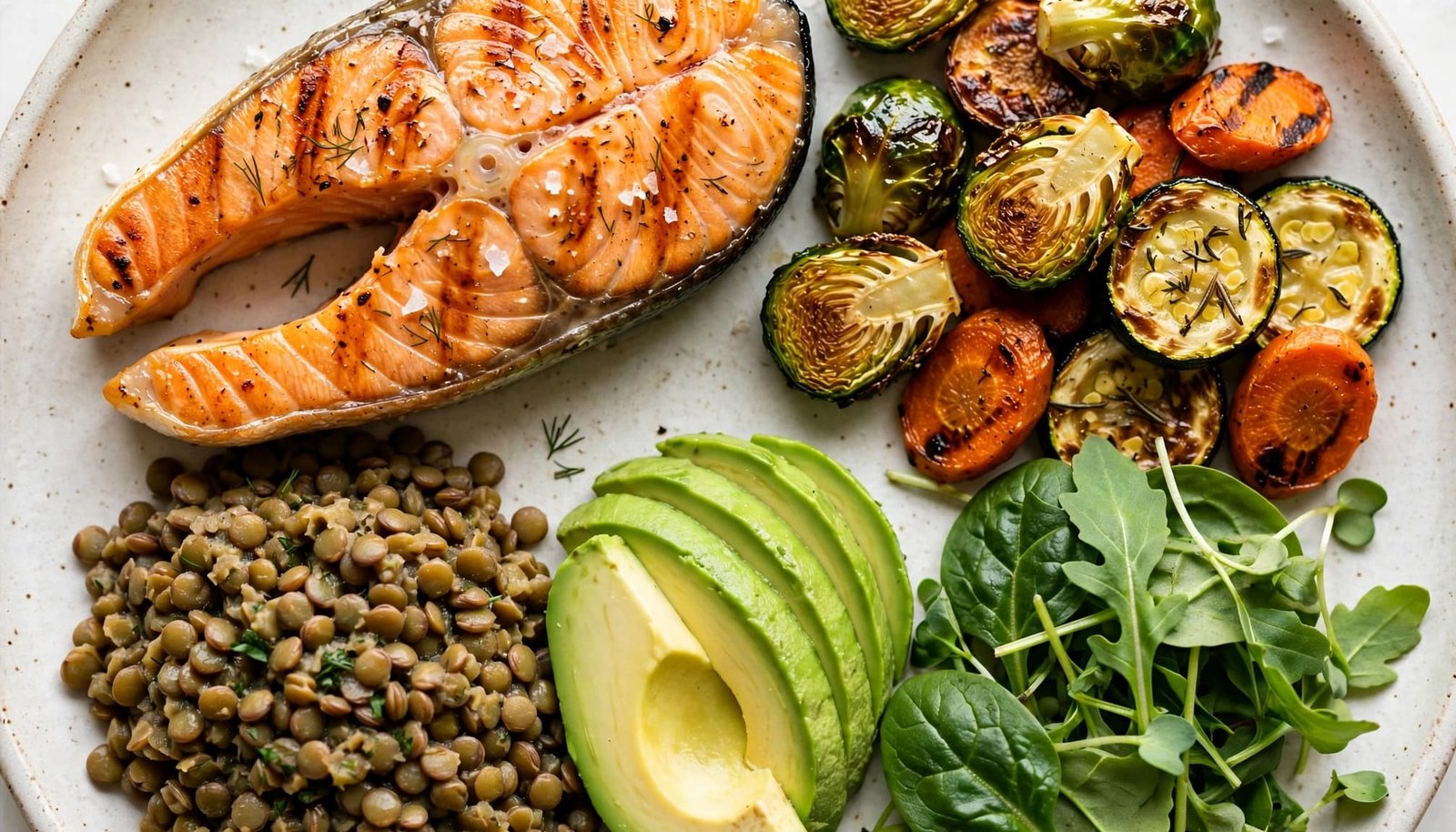
This approach may support steadier blood sugar, but it doesn’t mean a low-carb or low-GI diet is the only effective option. The 2023 PCOS guideline recommendations state that no single diet composition has proven superior for everyone. Choose balanced meals you can maintain without unnecessary restriction or nutritional gaps.
How to Build a PCOS Meal Plan That Keeps You Full
A filling PCOS meal plan doesn’t require calorie counting or rigid food rules. Build most meals around protein, fiber-rich carbohydrates, colorful produce, and a small serving of healthy fat. This combination gives your plate structure while leaving room for your preferences, budget, and schedule.
Use the protein, fiber, and healthy fat plate formula
At breakfast, lunch, and dinner, start with one palm-sized portion of protein, one fist-sized serving of a high-fiber carbohydrate, one or two servings of vegetables or fruit, and a small amount of healthy fat. You can adjust portions based on your hunger, activity, and health goals.
For example, breakfast could include two eggs with whole-grain toast and berries. At lunch, try salmon with quinoa, roasted vegetables, and avocado. Lentils with brown rice and a side salad also make an affordable, fiber-rich dinner.
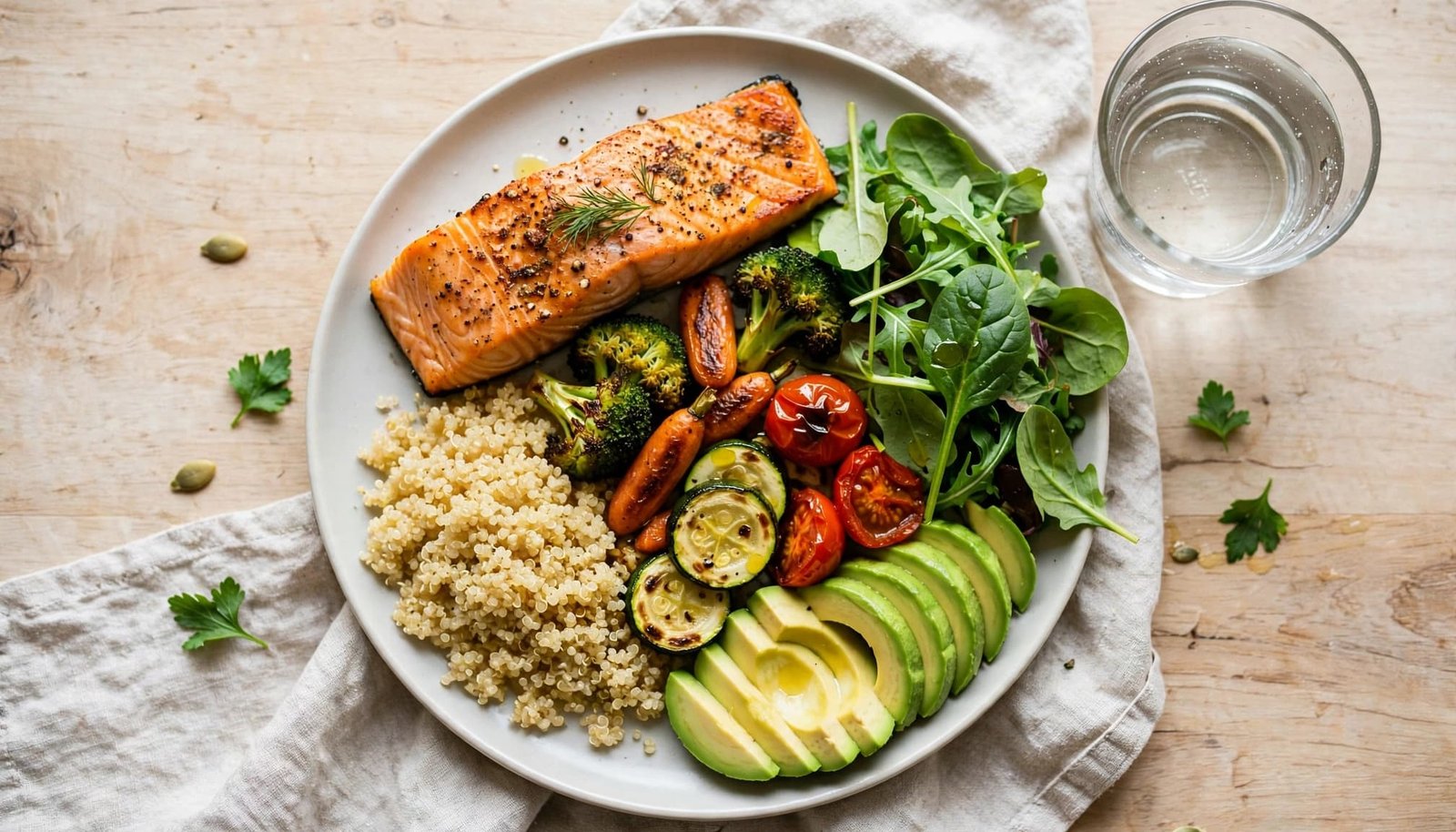
Use your hand or plate as a simple guide:
- Protein should cover about one-quarter of the plate.
- High-fiber carbohydrates can fill another quarter.
- Vegetables or fruit should take up about half the plate when practical.
- Healthy fats usually need only a small serving, such as a spoonful of seeds, a few nuts, or several avocado slices.
This structure helps you create satisfying meals without weighing every ingredient. For more ideas, try these protein- and fiber-rich foods for balanced meals.
Choose high-fiber carbohydrates more often
Fiber supports fullness and healthy digestion, so it can help your meals last longer between bites. Good choices include oats, quinoa, brown rice, bulgur, beans, lentils, whole-grain bread, whole-wheat pasta, and potatoes with the skin.
You don’t need to remove white rice, regular pasta, or other favorite foods forever. Instead, combine them with protein and vegetables, then choose higher-fiber options more often. For example, whole-wheat pasta with chicken and vegetables will usually feel more complete than pasta eaten alone.
Increase fiber slowly if your current diet is low in it. Adding large amounts too quickly may cause bloating or gas. Drink enough fluids throughout the day as you increase beans, lentils, whole grains, fruits, and vegetables.
Plan meal timing that fits your hunger and schedule
Many people do well with three balanced meals and one or two planned snacks. Still, your ideal schedule depends on your workday, sleep pattern, medication, activity, and hunger signals.
Skipping meals can backfire if it leaves you intensely hungry later. A planned snack can prevent that swing without turning into constant grazing. Pair a carbohydrate with protein or fat, such as Greek yogurt with berries, an apple with peanut butter, or vegetables with hummus.
Keep practical options available when your schedule changes. A snack should support your next meal, not replace adequate meals throughout the day. For additional ideas, see these high-fiber snacks for controlling cravings.
Foods to Include More Often and Foods to Limit
A PCOS weight loss meal plan works best when you focus on what to add, not only what to remove. No food needs a permanent “good” or “bad” label. Your overall eating pattern matters more than one meal, dessert, or restaurant visit.
PCOS-friendly foods for a balanced grocery list
Build your grocery list around foods that provide protein, fiber, vitamins, and satisfying fats. The USDA-backed Nutrition.gov guidance can also help you compare everyday food choices and plan balanced meals.
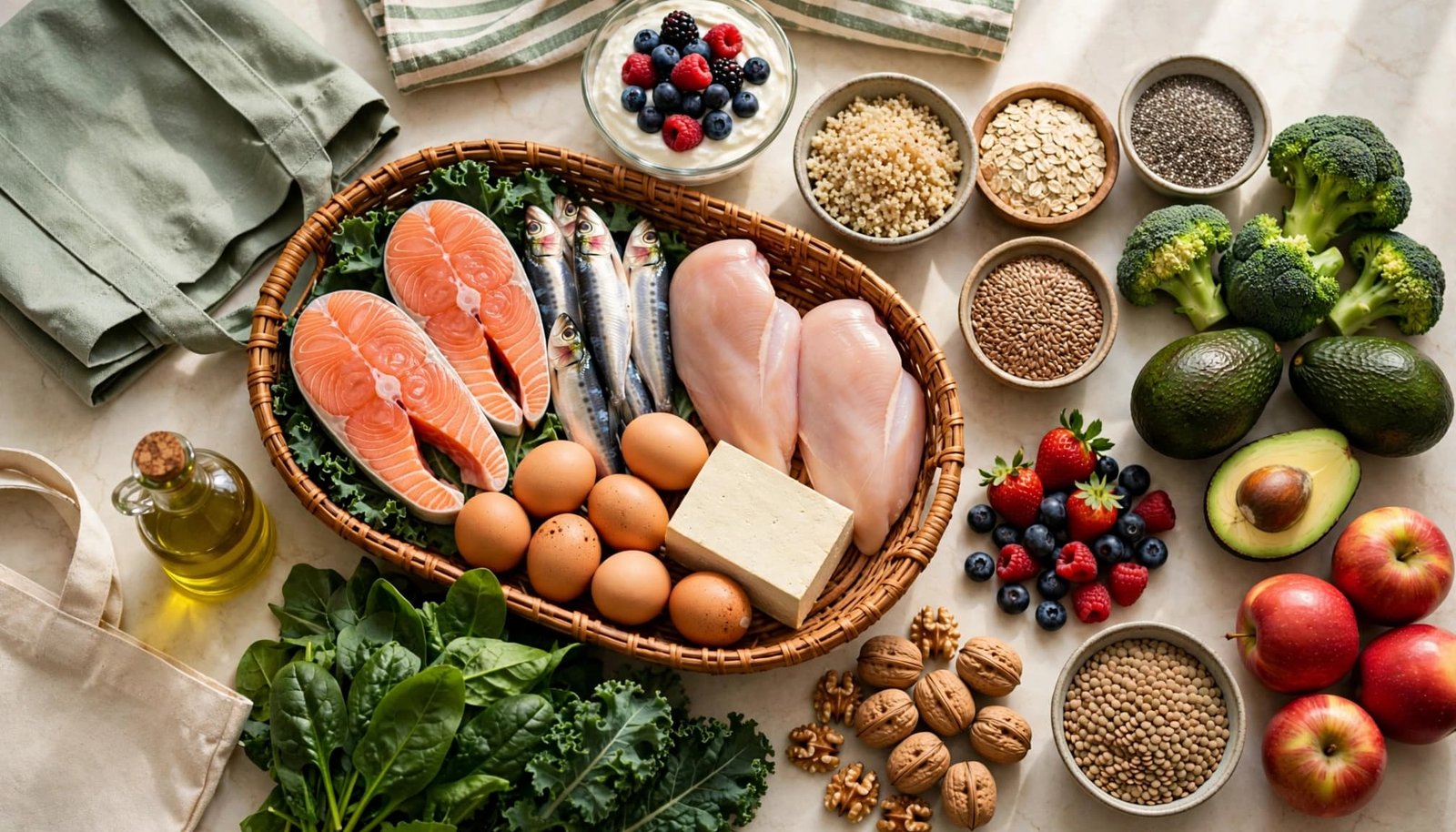
Choose lean proteins that make meals more filling, such as chicken, fish, eggs, tofu, Greek yogurt, beans, and lentils. Oily fish, including salmon, sardines, and mackerel, are useful options because they provide protein and omega-3 fats.
For carbohydrates, place fiber-rich choices in your cart more often. Oats, quinoa, brown rice, barley, potatoes with the skin, whole-grain bread, whole-wheat pasta, beans, and lentils can support fullness when paired with protein and vegetables.
Add leafy greens and other vegetables to most meals. Spinach, kale, broccoli, peppers, tomatoes, carrots, green beans, and frozen vegetables make it easier to build a balanced plate without relying on large portions of refined starches.
Whole fruit also fits a PCOS-friendly eating pattern. Berries, apples, oranges, pears, and kiwi provide fiber along with natural sweetness. Choose whole fruit more often than juice because chewing the fruit slows the eating pace and keeps the fiber intact.
Healthy fats add flavor and help meals feel satisfying. Keep olive oil, avocado, walnuts, chia seeds, and flaxseeds available for salads, yogurt bowls, oatmeal, and cooked meals. If you enjoy gut-friendly meals with protein and fiber, many of the same ingredients can support both goals.
Limit foods that make weight loss harder
Some foods are easy to overconsume because they provide plenty of calories without much fullness. Sugary drinks, frequent sweets, highly processed snacks, and large servings of white bread, white rice, or regular pasta can crowd out more nutritious choices.
You don’t need to avoid these foods forever. Instead, replace them more often with higher-fiber options. Try sparkling water with lemon instead of soda, whole-grain bread instead of white bread, or brown rice and vegetables alongside a smaller serving of regular pasta.
Choose water, unsweetened tea, coffee without added sugar, or other no-added-sugar drinks most of the time. Alcohol can add calories and may make mindful eating harder, so keep portions moderate and avoid treating it as an everyday drink. A flexible plan leaves room for favorite foods while making nourishing choices the usual pattern.
A Simple PCOS Weight Loss Meal Plan for One Day
This sample day follows the protein, fiber-rich carbohydrate, produce, and healthy fat formula without treating any meal as a prescription. Adjust portions to your hunger, activity, cultural preferences, budget, and medical needs.
Breakfast, lunch, and dinner ideas
Start the day with a bowl of oats topped with plain Greek yogurt, berries, and chia seeds. Use about half to three-quarters of a cup of cooked oats, a serving of yogurt, a handful of berries, and one tablespoon of chia seeds. The oats and berries provide fiber-rich carbohydrates, while yogurt adds protein and chia seeds contribute fiber and healthy fats. For a dairy-free option, use unsweetened soy yogurt or fortified soy milk.
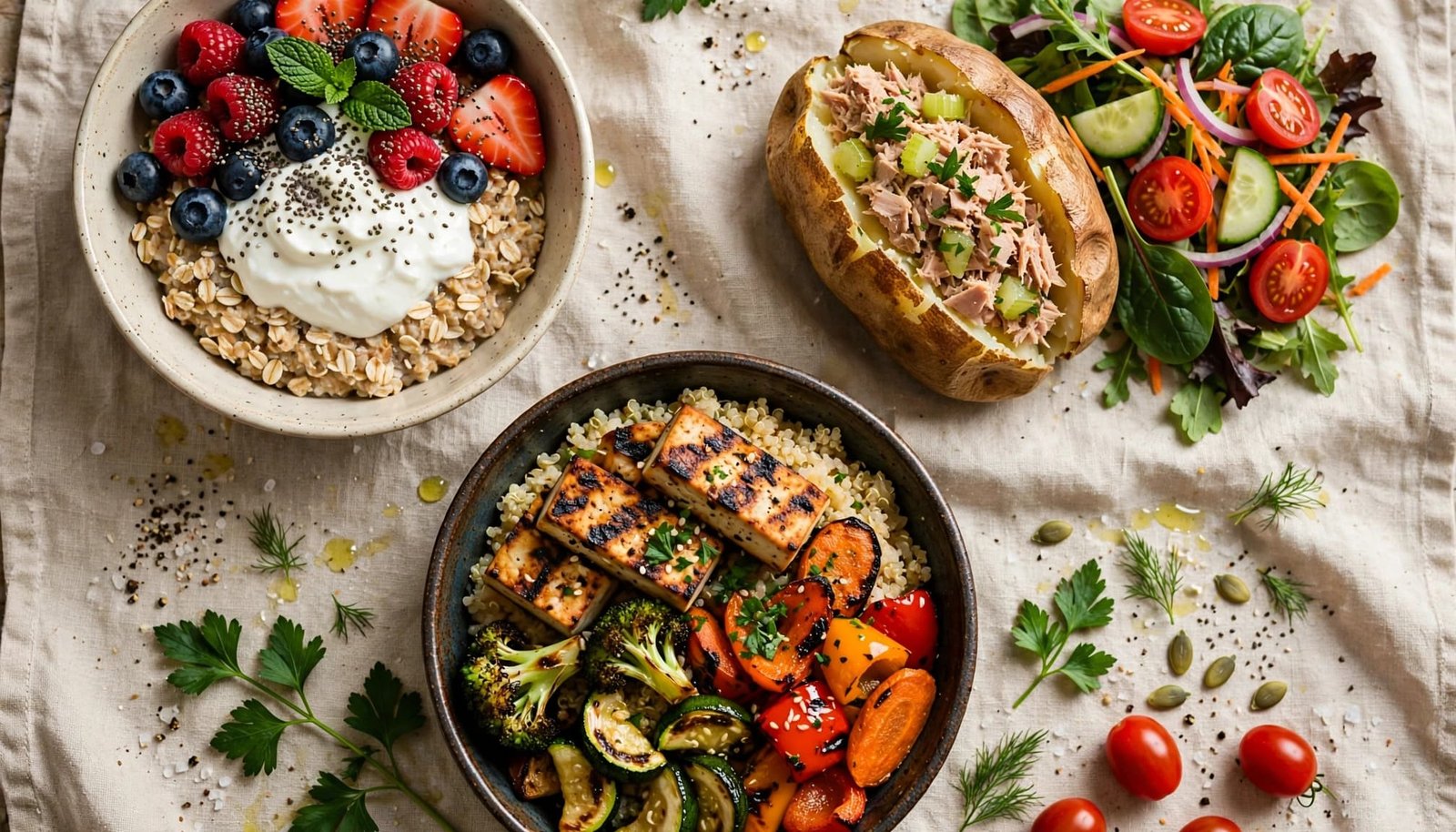
For lunch, try a baked potato with tuna or beans and a side salad. Choose one medium potato with the skin, then add tuna mixed with plain yogurt or beans seasoned with lemon, pepper, and herbs. Add lettuce, tomatoes, cucumbers, or shredded carrots with a small amount of olive oil dressing. The potato and salad provide fiber and produce, while tuna or beans make the meal more filling.
Dinner can include brown rice or quinoa with chicken, tofu, or fish and roasted vegetables. A practical plate might contain about one-quarter protein, one-quarter cooked grain, and half roasted broccoli, peppers, zucchini, or frozen vegetables. Choose tofu or beans instead of chicken for a vegetarian meal, or use the most affordable protein available.
Smart snacks and easy meal swaps
Add one or two snacks only if you feel hungry between meals. Two simple choices are:
- An apple or pear with a small handful of walnuts or almonds.
- Carrot and bell pepper sticks with hummus.
These options combine produce with fiber, protein, or healthy fat. For more ideas, see these snacks for steady energy.
Small substitutions can keep the plan flexible:
- Use beans or lentils instead of meat in bowls, salads, and wraps.
- Choose tofu instead of chicken when you want a plant-based protein.
- Replace rice with quinoa, barley, or a baked potato when you want more variety.
- Serve fruit and nuts instead of packaged sweets when you want a quick snack.
A short meal-prep routine makes this sample day easier to repeat. Cook a batch of brown rice or quinoa, wash and chop produce, and prepare two proteins, such as boiled eggs and baked tofu, for the week. Store ingredients separately so you can build different meals without eating the same plate every day. These meal prep ideas that stay interesting can help you keep the routine practical.
How to Make Your PCOS Meal Plan Sustainable and Safe
The best PCOS weight loss meal plan is one you can follow during busy weeks, social events, and changes in appetite. It should support your health without turning every meal into a test of willpower.
Avoid crash diets and overly strict PCOS food rules
Very restrictive plans often remove too many foods at once. Extreme fasting or cutting out all carbohydrates may leave you tired, distracted, and intensely hungry later. That cycle can increase cravings and make eating feel stressful instead of supportive.
Current PCOS guidance does not identify one diet as best for everyone. A flexible pattern built around protein, fiber-rich carbohydrates, vegetables, fruit, and healthy fats is easier to maintain than a long list of forbidden foods. You can still enjoy dessert, restaurant meals, or favorite family recipes. The goal is to make nourishing choices most of the time, not to eat perfectly.
Start with one or two changes, such as adding protein to breakfast or preparing a vegetable for dinner. Adjust portions according to your hunger, activity, and energy needs rather than following rigid numbers. If a meal leaves you hungry, increase the amount or add a planned snack.
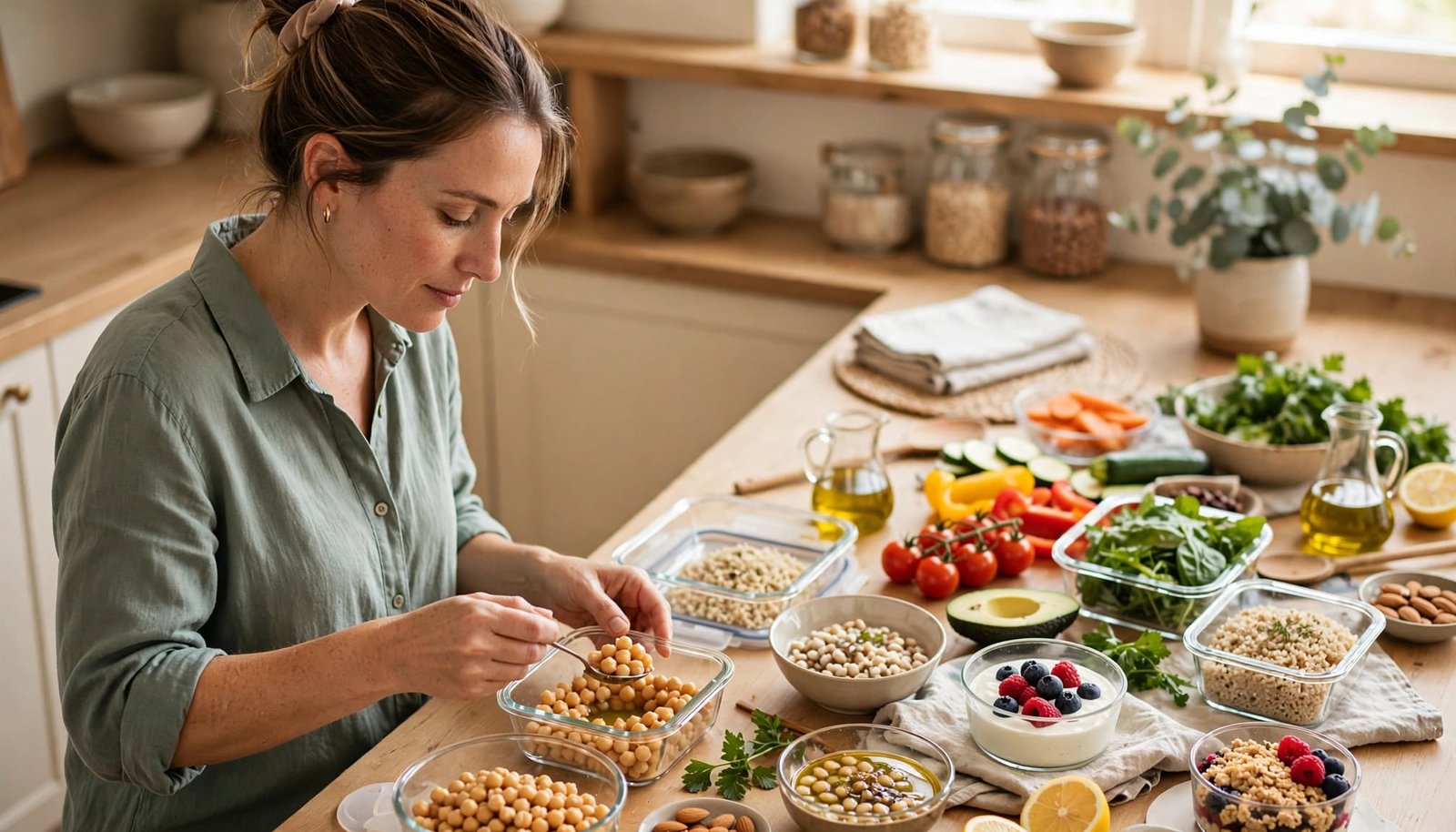
A registered dietitian can adapt your plan if you have food allergies, digestive symptoms, diabetes, medication-related concerns, or a history of disordered eating. The international PCOS guideline also recognizes the need for individualized care.
Know when to ask a health professional for help
Diet changes shouldn’t replace medical evaluation. Schedule an appointment with a doctor or registered dietitian if your weight changes suddenly, your periods remain very irregular, or your blood sugar is elevated. You should also seek guidance if you’re trying to become pregnant, since PCOS and blood sugar concerns may affect preconception care. These nutrition tips for getting pregnant can provide general context, but they don’t replace personalized medical advice.
Pay attention to your relationship with food, too. If meal planning causes intense anxiety, guilt, frequent bingeing, purging, or fear of eating, ask for help rather than tightening the rules. PCOS is associated with a higher risk of disordered eating, and restrictive weight-loss advice can make those patterns worse.
Never stop or change metformin, birth control, or another prescribed medication because of a meal plan. Metformin may support glucose and metabolic outcomes for some people with PCOS, but your clinician should decide whether it fits your treatment and how to manage side effects.
Long-term progress also depends on sleep, regular movement, stress support, and appropriate medical care. Track your energy, hunger, menstrual symptoms, and consistency alongside your weight. Those signals give you a clearer picture of whether your plan is supporting your health.
Conclusion
A PCOS weight loss meal plan doesn’t need to be perfect or highly restrictive. Consistent meals built around protein, fiber-rich carbohydrates, vegetables, and healthy fats can support weight management and overall health while leaving room for flexibility.
Start with one repeatable habit, such as adding protein to breakfast, choosing whole grains, preparing vegetables, or replacing sugary drinks with water. For more practical ideas, explore these healthy eating habits, and seek individual guidance from a qualified health professional when PCOS, medication, pregnancy, or blood sugar concerns affect your needs.
Save the pin for later

- Healthy Air Fryer Recipes for Beginners - 21/09/2026
- Healthy Snacks for Late Night Cravings - 21/09/2026
- High Protein Meal Prep Ideas for Easy Weekly Meals - 21/09/2026

