Weight gain during perimenopause can feel frustrating, especially when your usual meals and workouts no longer produce the same results. Changes in hormone levels, sleep disruption, stress, reduced muscle mass, and aging can affect your appetite, activity levels, and daily energy needs. Stronger cravings and changes in body shape may make fat loss feel harder, but they don’t mean you’re stuck.
A sustainable perimenopause diet for weight loss focuses on a modest calorie deficit rather than severe restriction. Each meal should provide enough protein and fiber to support fullness and muscle, along with nutrient-dense foods such as vegetables, fruit, beans, whole grains, and healthy fats. Regular strength training, better sleep, and consistent routines also matter, because the goal is to lose body fat while protecting your health and lean muscle. For practical meal ideas, start with these protein- and fiber-rich foods for perimenopause, then learn how to build a plan that fits your changing needs.
What a perimenopause diet for weight loss should actually do
A perimenopause diet for weight loss shouldn’t depend on magic foods or extreme rules. It should create a small, sustainable calorie deficit while protecting muscle, bone health, energy, and heart health. Your calorie needs depend on body size, activity, medical conditions, medications, and current intake, so weight changes won’t look the same for everyone.
A Mediterranean-style eating pattern, regular movement, and gradual habit changes offer a stronger foundation than crash diets. The menopause nutrition review also supports balanced eating that prioritizes plants, protein, and heart-healthy fats.
Aim for a modest calorie deficit, not a crash diet
For many people, reducing current intake by about 200 to 500 calories per day is a reasonable starting point. However, that range is not a universal prescription. A registered dietitian or other qualified professional can adjust it based on your health, activity, body composition, and weight history.
A large deficit may produce quick scale changes, but it can also increase hunger, fatigue, nutrient gaps, and muscle loss. Prolonged fasting can create the same problem if it leaves you overly hungry and more likely to overeat later.
A useful plan should help you lose body fat without leaving you exhausted, constantly hungry, or unable to maintain your normal activities.
Avoid eating below your estimated basic needs without professional guidance. Very-low-calorie plans may require medical supervision, particularly if you have diabetes, thyroid disease, a history of disordered eating, or take medications affected by food intake.
Build meals around protein, plants, and healthy fats
Use a Mediterranean-style plate to make portions easier to judge. Fill half the plate with nonstarchy vegetables, one quarter with protein, and one quarter with high-fiber carbohydrates. Add a small portion of unsaturated fat.
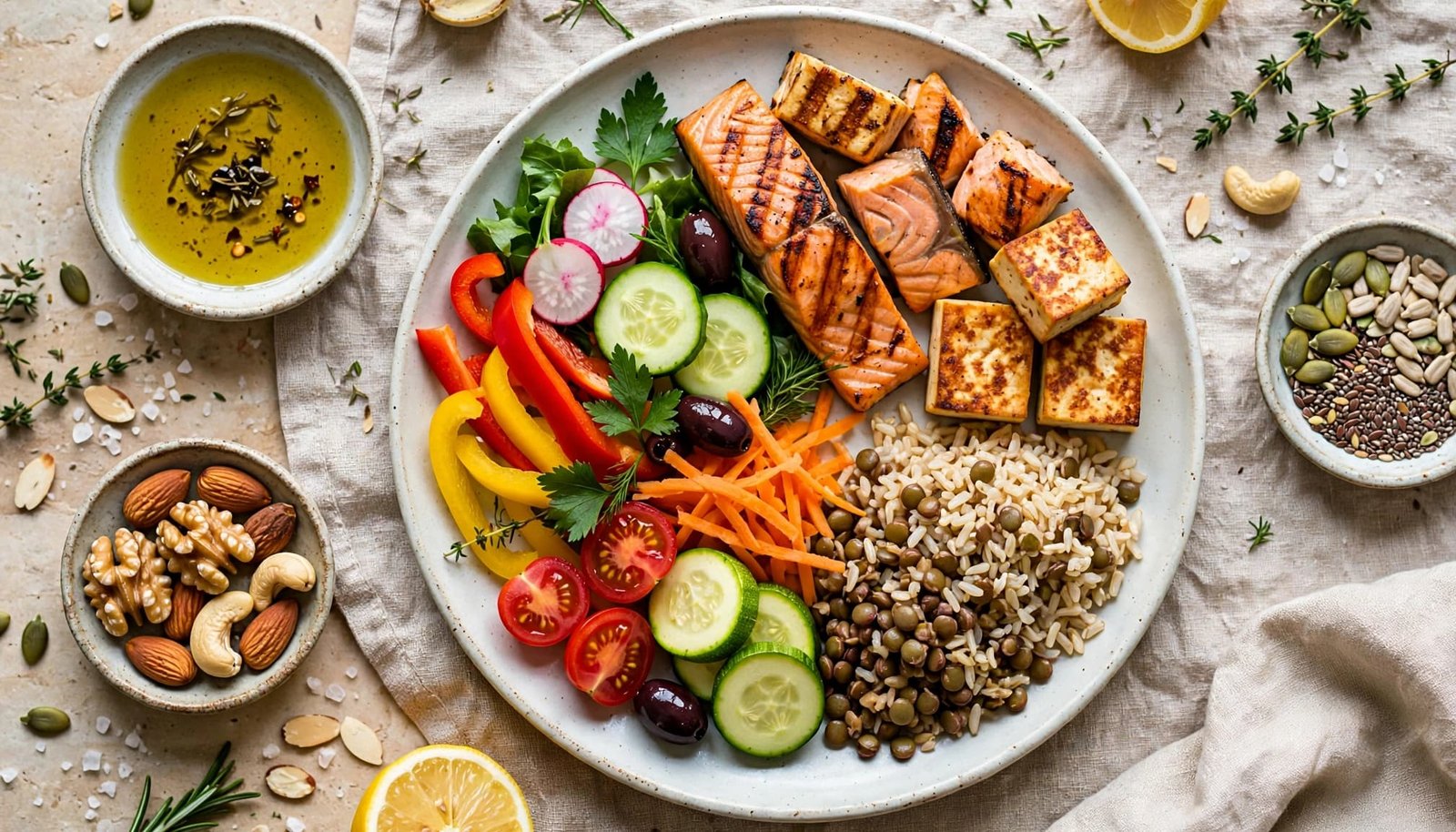
Good protein choices include eggs, Greek yogurt, fish, poultry, tofu, tempeh, beans, and lentils. Add vegetables and fruit for volume and micronutrients, then choose oats, brown rice, or other whole grains for fiber-rich carbohydrates. Olive oil, nuts, and seeds provide unsaturated fats that make meals more satisfying.
This structure supports fullness without requiring complicated recipes. It also makes meals easier to repeat, which matters more than finding a perfect menu for a few days. For more ideas, try these high-protein, fiber-rich meal options.
The protein and fiber targets that support fat loss and muscle
Protein and fiber are the two nutrients to prioritize when building a perimenopause diet for weight loss. Protein helps preserve lean muscle during a calorie deficit, while fiber supports fullness, digestion, blood sugar control, and heart health. Your ideal intake depends on body size, activity, kidney health, medications, and medical advice.
How much protein do you need during perimenopause?
A practical starting range is 1.0 to 1.2 grams of protein per kilogram of body weight daily. People who strength train, exercise often, or actively reduce calories may benefit from a higher intake, but anyone with kidney disease should ask a clinician before increasing protein.
Rather than eating most of it at dinner, aim for roughly 25 to 30 grams at each main meal. This pattern gives your muscles regular access to amino acids and can make hunger easier to manage.
For example, you could combine:
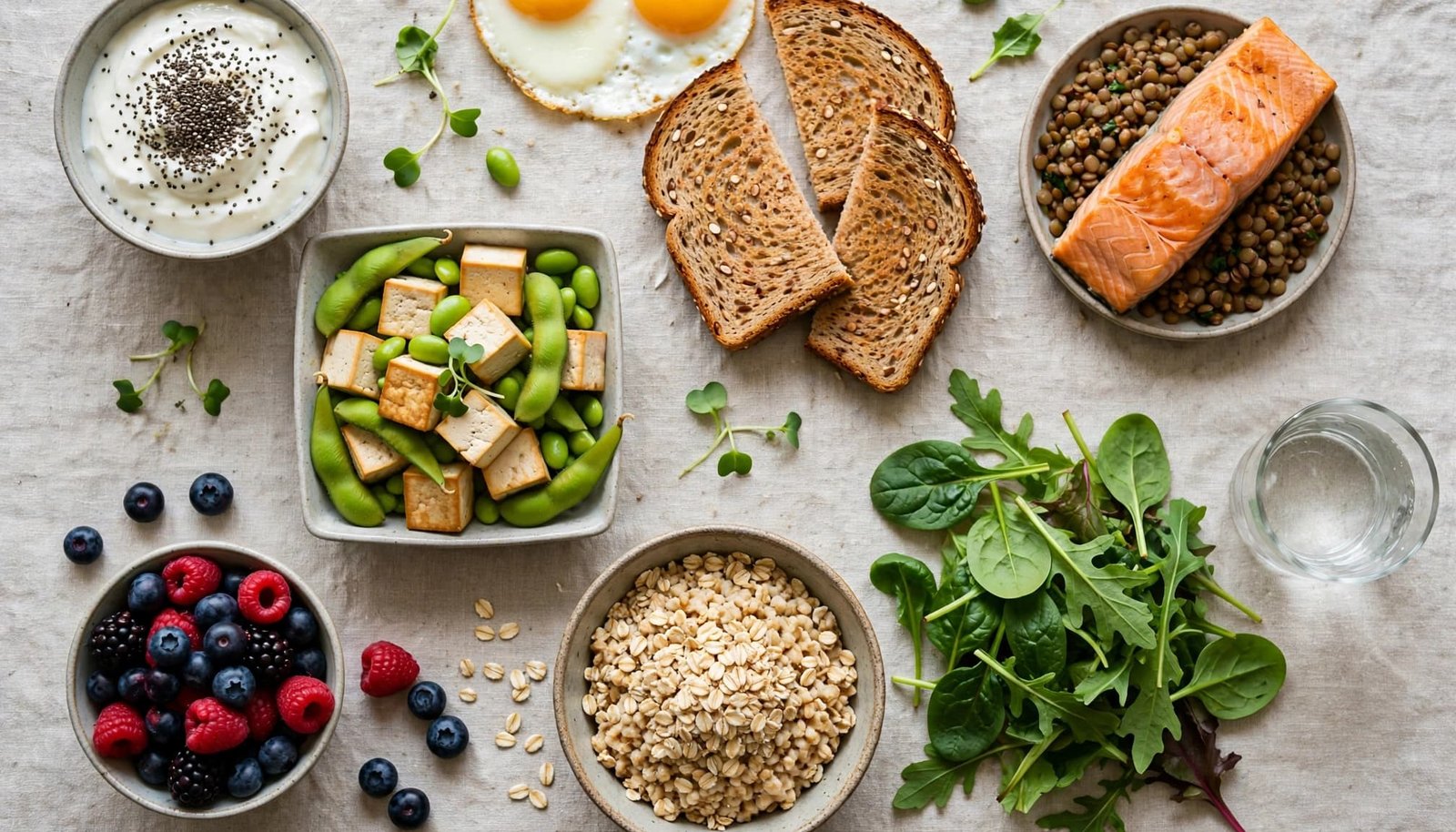
- Greek yogurt with berries, chia seeds, and walnuts.
- Two eggs with whole-grain toast and a side of fruit.
- Salmon with lentils and roasted vegetables.
- Tofu with edamame, brown rice, and leafy greens.
A sample day might include yogurt at breakfast, a tofu and bean bowl at lunch, and salmon with lentils at dinner. Add a protein-rich snack, such as cottage cheese or edamame, if your meals fall short.
Reach 25 to 35 grams of fiber without upsetting your stomach
A daily target of 25 to 35 grams of fiber supports fullness, bowel regularity, blood sugar control, and cardiovascular health. Useful sources include oats, berries, apples, beans, chickpeas, lentils, vegetables, whole-grain bread, brown rice, chia, flax, nuts, and seeds.
Increase fiber gradually instead of adding several large servings at once. Drink water throughout the day because fiber absorbs fluid, and sudden increases can worsen gas or constipation. Pay attention to foods that trigger bloating, reflux, or other digestive symptoms. These high-fiber meals for weight loss can help you increase intake without making meals complicated.
Use calcium-rich foods and vitamin D to protect bone health
Weight loss should protect your bones as well as your waistline. Aim for two to three daily servings of dairy or fortified alternatives, such as milk, yogurt, or calcium-fortified soy milk. Tofu made with calcium, beans, leafy greens, and canned fish with bones can add more calcium.
Vitamin D helps the body use calcium, but supplements aren’t appropriate for everyone. Discuss testing and supplementation with a clinician. In some settings, professional guidance recommends 10 micrograms, or 400 IU, daily for adults. Strength training and regular walking also support bone health while you work toward fat loss.
The best foods to eat more often, and what to limit
A perimenopause diet for weight loss should make everyday meals filling, nutritious, and easy to repeat. Focus on the overall pattern rather than judging one ingredient as good or bad. Your meals do not need to be perfect to support steady progress.
Foods that make meals filling and nutrient-dense
Build most meals around vegetables, beans, lentils, fruit, whole grains, and a reliable protein source. Fish, poultry, eggs, tofu, tempeh, and plain yogurt can help you meet your protein needs, while nuts, seeds, and olive oil add satisfying unsaturated fats. Calcium-rich choices such as plain Greek yogurt, low-fat milk, calcium-set tofu, and fortified soy milk also support bone health.
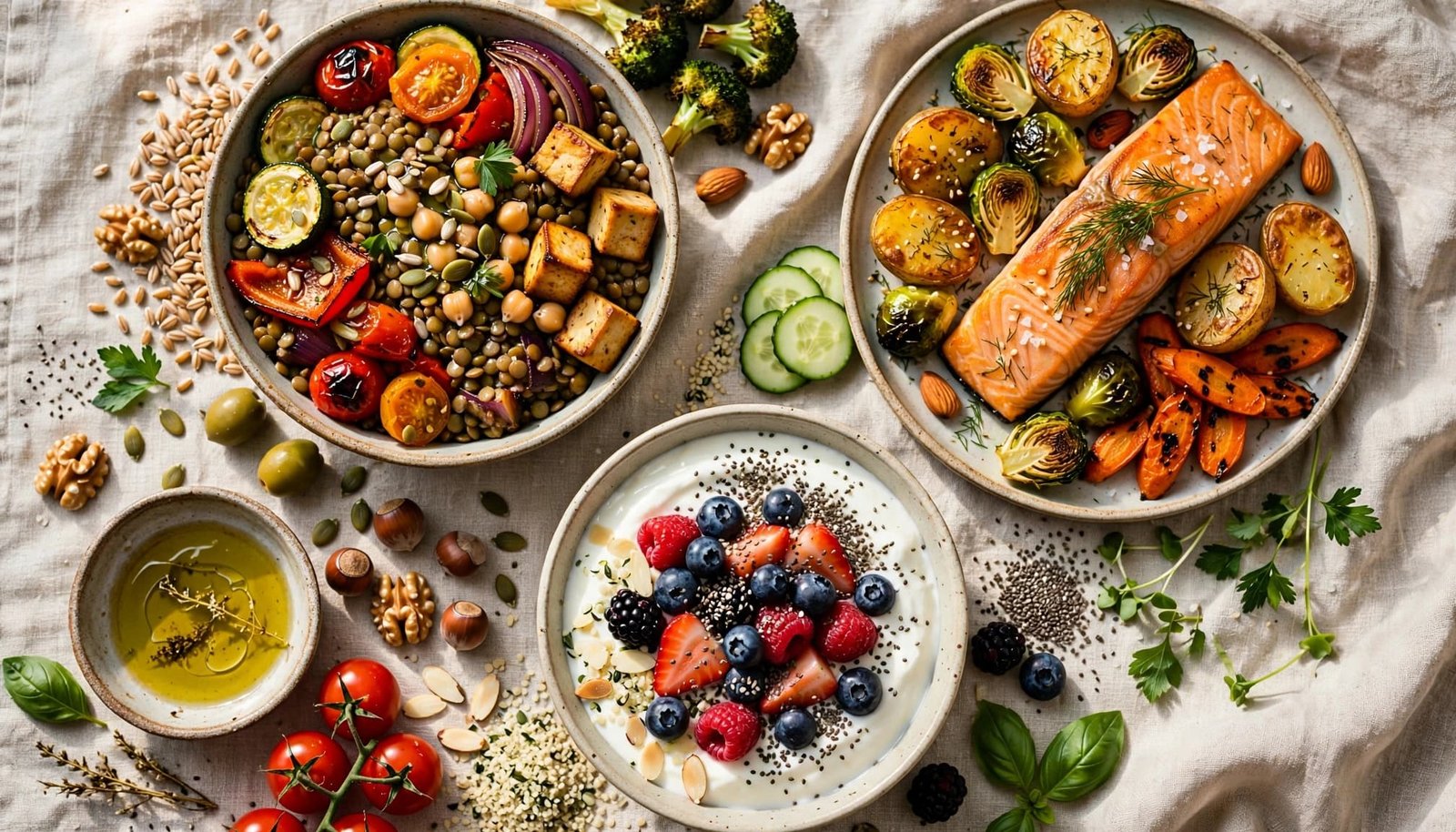
Use simple combinations instead of searching for special diet foods. Try a lentil and vegetable bowl with brown rice, olive oil, and pumpkin seeds. Another option is salmon with roasted vegetables and potatoes. For breakfast or a snack, combine plain Greek yogurt with berries, chia seeds, and a few walnuts.
Rotate your choices across the week. Foods that support hormone balance can fit into many eating patterns, but no single food controls perimenopause symptoms or determines weight loss.
Foods and drinks that can make weight loss harder
Sugary beverages, frequent desserts, refined snack foods, and oversized portions can add calories without keeping you full. Soda, sweet tea, flavored coffee drinks, pastries, chips, and many packaged snack foods also tend to provide less fiber and protein than whole-food choices.
You don’t need to ban these foods. Instead, try smaller servings, enjoy desserts less often, and replace sugary drinks with water, sparkling water, or unsweetened tea. Check portions of calorie-dense snacks such as nuts, trail mix, cheese, and crackers, since nutritious foods can still provide more calories than you expect.
Alcohol can add calories while also worsening hot flashes, sleep problems, cravings, and food choices for some people. Consider alcohol-free days during the week, alternate drinks with water, and follow your clinician’s advice if alcohol affects your symptoms or medications.
How to handle cravings, hot flashes, and changing appetite
Regular meals with protein and fiber can prevent the extreme hunger that makes cravings harder to manage. Keep satisfying options ready, such as fruit with peanut butter, yogurt with chia, roasted chickpeas, edamame, or a boiled egg with whole-grain toast.
Poor sleep can increase appetite and make high-sugar foods more appealing, so notice whether cravings follow restless nights. Keep a short symptom log for hot flashes, recording meals, alcohol, caffeine, stress, sleep, and timing. Patterns differ from person to person, so use the information to adjust your routine without blaming yourself.
Why strength training, sleep, and daily movement matter for perimenopause weight loss
A perimenopause diet works best as part of a larger plan. Food creates the calorie deficit, while resistance training, daily movement, sleep, and stress management help you maintain the energy and muscle needed to follow that plan. The goal is steady fat loss without treating exercise as punishment for eating.
Pair protein with strength training to preserve muscle
When you cut calories too sharply, your body may lose muscle along with fat. That can reduce strength, affect daily function, and make it harder to maintain a healthy body composition. Eating enough protein helps, but your muscles also need a reason to stay active.

Start with two or three strength sessions each week. Each session can be brief and beginner-friendly. Try squats to a chair, wall pushups, resistance-band rows, hip hinges, step-ups, or controlled exercises with light weights. Begin with a level that feels manageable, then add repetitions, resistance, or sets gradually.
Strength training supports fat loss by helping preserve lean tissue, but it doesn’t need to feel extreme or intimidating. If you have joint pain, an injury, balance concerns, or a health condition, ask a physical therapist, certified trainer, or clinician to help you choose safe movements. The physical activity guidelines for menopause support combining aerobic and strength exercises for overall health.
Use walking and aerobic exercise to support health and calorie balance
Walking is often the easiest place to begin. Add short walks after meals, take the stairs when comfortable, or increase your daily steps in small increments. Cycling, swimming, dancing, water aerobics, and hiking can work just as well if they suit your fitness level and preferences.
Adults are generally advised to work toward 150 to 300 minutes of moderate aerobic activity each week, but you don’t need to reach that target immediately. Choose movement you can repeat consistently. Exercise should improve your health and energy, not compensate for a meal or create guilt around food.
Treat sleep and stress as part of the plan
Poor sleep can leave you tired, hungrier, and less able to follow planned meals or workouts. Perimenopause symptoms, including hot flashes and night sweats, can make sleep harder, so discuss severe symptoms, repeated awakenings, loud snoring, gasping, or daytime exhaustion with a healthcare professional.
A consistent bedtime, a cool bedroom, less alcohol, and limited late-day caffeine may help. Short walks, breathing exercises, social support, and simple meal preparation can also lower daily strain. Protecting sleep and managing stress won’t control your hormones, but these habits can make healthy choices easier to maintain. See these practical tips for sleep needs during perimenopause.
How to create a simple seven-day perimenopause meal plan
A practical perimenopause meal plan should give you structure without turning every meal into a rule. Build most meals from a protein, two plant foods, a high-fiber carbohydrate, and a small serving of healthy fat. This follows the balanced food-group approach outlined in the Dietary Guidelines summary.
A flexible meal formula for breakfast, lunch, and dinner
Choose one item from each group:
- Protein: Eggs, Greek yogurt, tofu, tempeh, chicken, fish, beans, lentils, or edamame.
- Two plant foods: Combine vegetables, fruit, leafy greens, berries, or legumes.
- High-fiber carbohydrate: Oats, potatoes, quinoa, brown rice, whole-grain bread, or whole-grain pasta.
- Healthy fat: Olive oil, avocado, nuts, seeds, tahini, or nut butter.
For example, breakfast could be eggs with spinach and tomatoes, whole-grain toast, and avocado. A dairy-free option is tofu scramble with peppers, berries, and oats. You could also choose plain or dairy-free high-protein yogurt with berries, oats, and chia seeds.
At lunch, combine a bean salad with chopped vegetables, quinoa, and olive oil dressing. Other options include a chicken grain bowl or lentil soup with a side salad. For dinner, serve fish, tofu, or poultry with two vegetables and a whole-grain or starchy side.
Use snacks when hunger falls between meals. Fruit with nut butter, cottage cheese, edamame, or hummus with vegetables can add protein and fiber without requiring much preparation. For more food combinations, see these weekly hormone-friendly meal ideas.
Make the plan easier with smart preparation
Use this seven-day framework, then swap foods based on your preferences:
- Begin with yogurt or tofu at breakfast, a bean salad at lunch, and fish with vegetables at dinner.
- Choose eggs, fruit, and oats in the morning, lentil soup at lunch, and chicken with potatoes at night.
- Prepare a tofu scramble, a chicken grain bowl, and a vegetable-lentil dinner.
- Repeat favorite meals while changing the vegetables, fruit, or seasoning.
- Use leftovers for lunch and assemble dinner from prepared ingredients.
- Include a vegetarian day with beans, tofu, tempeh, or edamame as the main proteins.
- Keep meals simple and use remaining ingredients before shopping again.
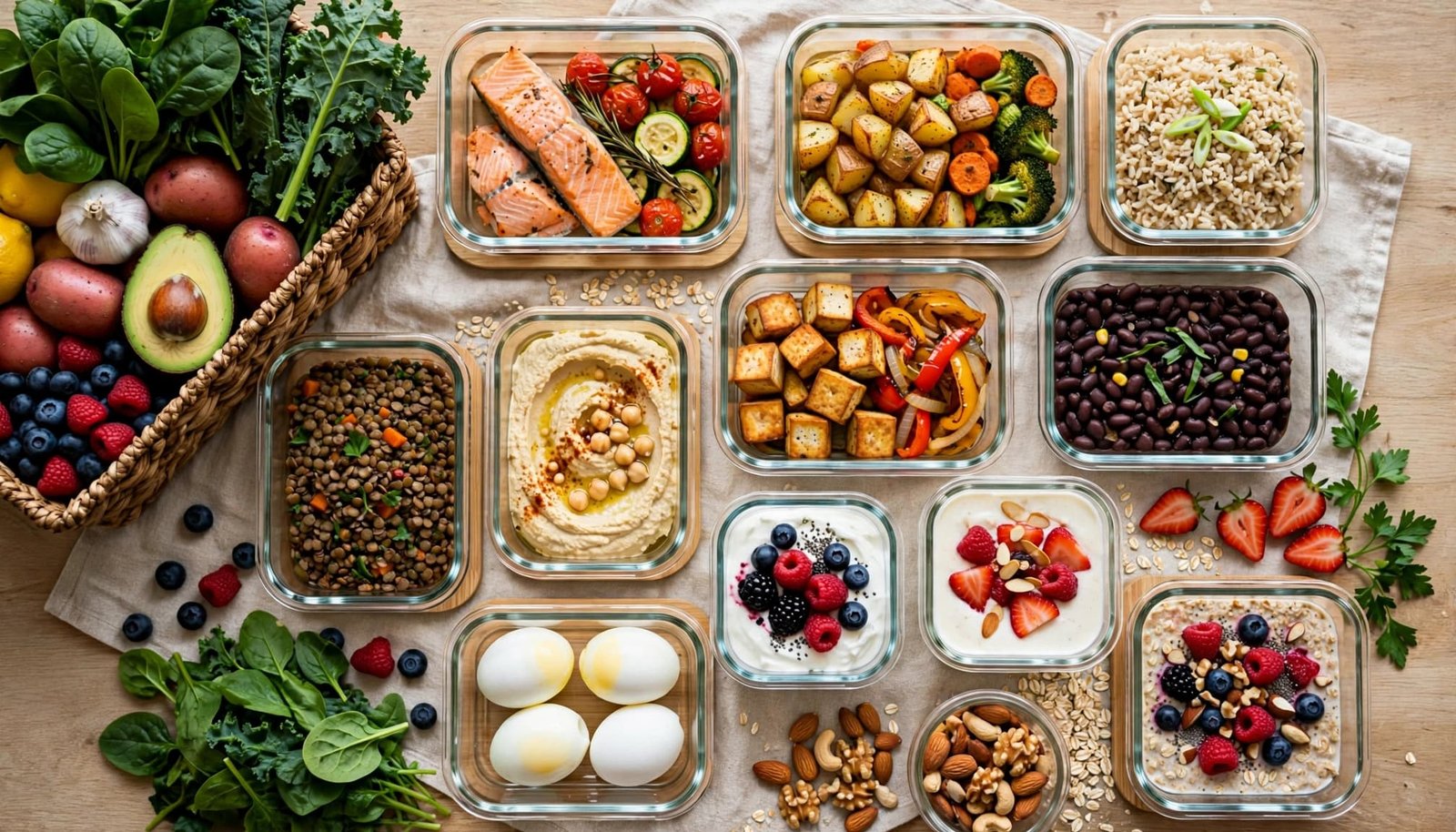
Each week, prepare one or two proteins, washed vegetables, cooked grains, and one bean-based dish. Frozen vegetables, canned beans, pre-cooked grains, plain yogurt, and low-sodium soups can save time. Check labels for protein, fiber, added sugar, sodium, and serving size.
Track progress beyond the number on the scale
Review your plan after several weeks, not after a single weigh-in. Waist measurements, clothing fit, strength, energy, sleep, symptoms, and meal consistency can show progress when daily weight fluctuates.
Drink water regularly and adjust portions when hunger, symptoms, or activity change. If progress stalls, make one small change, such as slightly reducing a calorie-dense portion or adding a short walk. Avoid changing everything at once.
Safety checks before changing your diet or starting weight loss
Before changing your eating pattern, check whether a medical issue, medication, or severe symptom could affect your weight. A safe perimenopause diet should support your health, not hide a problem that needs treatment.
Avoid plans that promise fast hormonal weight loss
Be cautious with detoxes, fat-burning supplements, extreme fasting, and programs that remove entire food groups without a clear medical reason. These approaches can create nutrient gaps, increase hunger, and make it harder to protect muscle and bone health.
Unregulated hormone products also deserve caution. Marketing claims are not the same as clinical evidence, and a supplement can interact with prescription medicines or affect blood sugar, blood pressure, thyroid treatment, or bleeding risk. The NIH Office of Dietary Supplements explains that supplements aren’t intended to diagnose, treat, prevent, or cure disease.
Avoid starting calcium, vitamin D, iron, hormone products, or weight-loss supplements simply because an advertisement promises better balance or faster fat loss. Ask a doctor, pharmacist, or registered dietitian to review the product and your medical history first.

Know when a personalized plan is the better choice
Speak with a clinician before pursuing weight loss if you use diabetes medication, have kidney or thyroid disease, face osteoporosis risk, or have a history of an eating disorder. You should also seek medical advice for heavy menstrual bleeding, suspected iron deficiency, unexplained rapid weight change, or symptoms that persist despite lifestyle changes.
A clinician can review your medicines, thyroid function, blood sugar, cholesterol, menstrual changes, sleep, and other possible causes of weight change. Severe bleeding, major mood changes, or a noticeable decline in your health need medical evaluation rather than a diet fix. You can also learn more about signs of low estrogen before discussing symptoms with your provider.
A registered dietitian can adjust calories, protein, fiber, and meal timing around your symptoms, culture, budget, food preferences, and medical needs. Hormone therapy and prescription weight-loss medicines, including tirzepatide, require individualized advice. If bone health is a concern, review the clinical osteoporosis guidance before adopting a restrictive plan.
Conclusion
A sustainable perimenopause diet for weight loss starts with a modest calorie deficit, not severe restriction. Build meals around enough protein and fiber, choose mostly whole foods, include calcium-rich options, and limit alcohol and ultra-processed foods. These choices support fullness, muscle, bone health, and steady energy as symptoms change.
Pair your eating plan with strength training, regular movement, and protected sleep. Progress doesn’t need to be fast to be meaningful, and daily weight changes don’t define whether your plan is working. The best approach is one you can follow through busy weeks, changing symptoms, and occasional setbacks. For additional support, review these protein and strength training strategies for women.
Start this week by building one protein-rich, high-fiber meal and scheduling two short strength sessions. Small, repeatable actions give your perimenopause weight-loss plan a stronger foundation than any quick-fix diet.
Save the pin for later

- Healthy Air Fryer Recipes for Beginners - 21/09/2026
- Healthy Snacks for Late Night Cravings - 21/09/2026
- High Protein Meal Prep Ideas for Easy Weekly Meals - 21/09/2026

